U.S. Data Center Boom Pushes Electrical Equipment Market to $65B, Sparks Power Supply Strain


Why It Matters
The projected $65 billion surge in data‑center electrical equipment signals a structural reallocation of capital toward power‑intensive infrastructure, reshaping the U.S. energy market. If utilities can integrate more renewable sources and implement advanced load‑shifting, the data‑center boom could become a catalyst for faster grid decarbonization, lowering emissions across the power sector. Conversely, persistent supply‑chain bottlenecks and reliance on fossil‑fuel‑based generation risk entrenching higher carbon intensity. Policymakers, utilities and data‑center operators must coordinate on standards, incentives and grid‑modernization investments to ensure that the rapid expansion supports climate targets rather than undermines them.
Key Takeaways
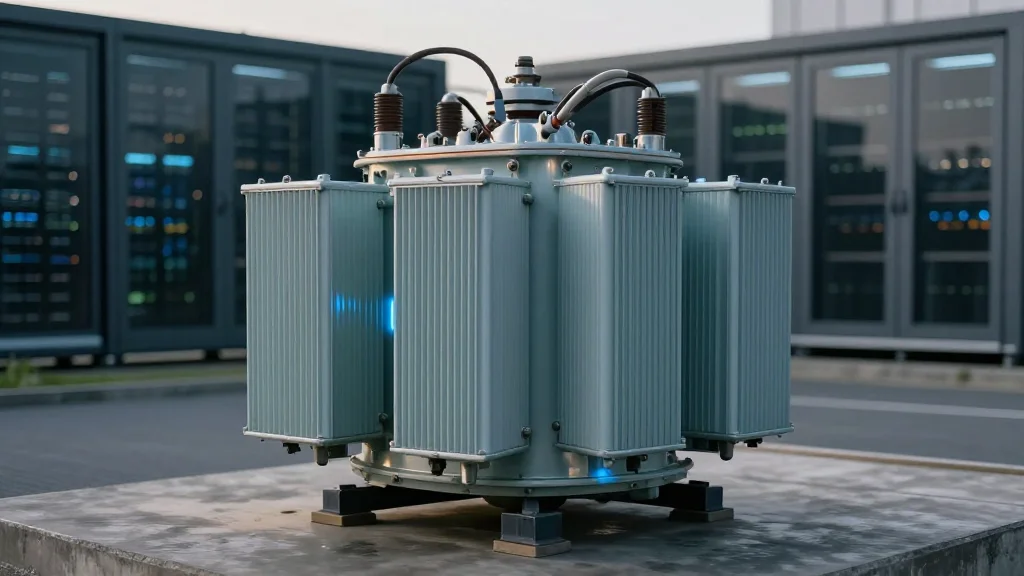
- •Wood Mackenzie forecasts U.S. data‑center electrical equipment market to reach $65 billion by 2030, up from $20 billion in 2026
- •Annual transformer demand could exceed 9,000 units by 2030, versus roughly 1,500 today
- •U.S. data‑center capacity expected to grow from 24 GW to 100 GW between 2026‑2030
- •PG&E estimates each 1,000 MW of new data‑center demand could lower customer bills by 1‑2%
- •Utilities are adopting load‑management and renewable PPAs to meet rising demand while aiming for grid decarbonization
Pulse Analysis
The data‑center surge is more than a hardware story; it is a flashpoint for the broader energy transition. Historically, large‑scale electricity consumers—such as manufacturing and heavy industry—have driven grid upgrades and renewable procurement. Data centers now occupy that role, but with a twist: their workloads are highly flexible, allowing demand response that can be synchronized with renewable output. This flexibility gives utilities a lever to smooth intermittency, turning a potential liability into a grid‑stabilizing asset.
However, the market’s rapidity creates friction. Equipment manufacturers are scrambling to scale production of transformers and switchgear, a process that typically spans years. Shortages could push prices up, eroding the cost advantage of cloud services and potentially slowing AI innovation. Moreover, the geographic concentration of data‑center clusters—often in regions with limited transmission capacity—exacerbates local grid stress, prompting community pushback and regulatory scrutiny.
Looking ahead, the decisive factor will be how quickly policy can align incentives for renewable integration with the data‑center growth curve. Federal tax credits for clean energy storage, state‑level mandates for zero‑carbon data‑center power, and utility‑led demand‑response programs could collectively transform the power‑supply chain from a bottleneck into a catalyst for decarbonization. Companies that embed these strategies early—by securing long‑term renewable PPAs, investing in on‑site solar or battery storage, and designing workloads for peak‑shaving—will likely secure a competitive edge in both cost and ESG performance.
U.S. Data Center Boom Pushes Electrical Equipment Market to $65B, Sparks Power Supply Strain
Comments
Want to join the conversation?
Loading comments...