Veolia and Amazon Launch Reclaimed‑Water Cooling for Mississippi Data Center

Companies Mentioned
Why It Matters
Water scarcity is tightening across the United States, and data centers are emerging as significant, often overlooked, water users. By converting municipal wastewater into cooling water, Veolia and Amazon demonstrate a scalable, technology‑driven pathway to decouple data‑center growth from fresh‑water consumption. The partnership also showcases how AI can optimize water‑treatment operations, delivering both environmental and cost benefits. If replicated globally, the model could reduce the sector’s water footprint by billions of gallons, advancing climate‑tech goals and setting a new benchmark for corporate water stewardship. Beyond the immediate environmental impact, the deal signals a maturing market for water‑tech solutions integrated with cloud platforms. Investors are likely to view such collaborations as low‑risk, high‑impact opportunities, potentially unlocking new capital for water‑recycling startups and encouraging other cloud providers to adopt similar strategies.
Key Takeaways
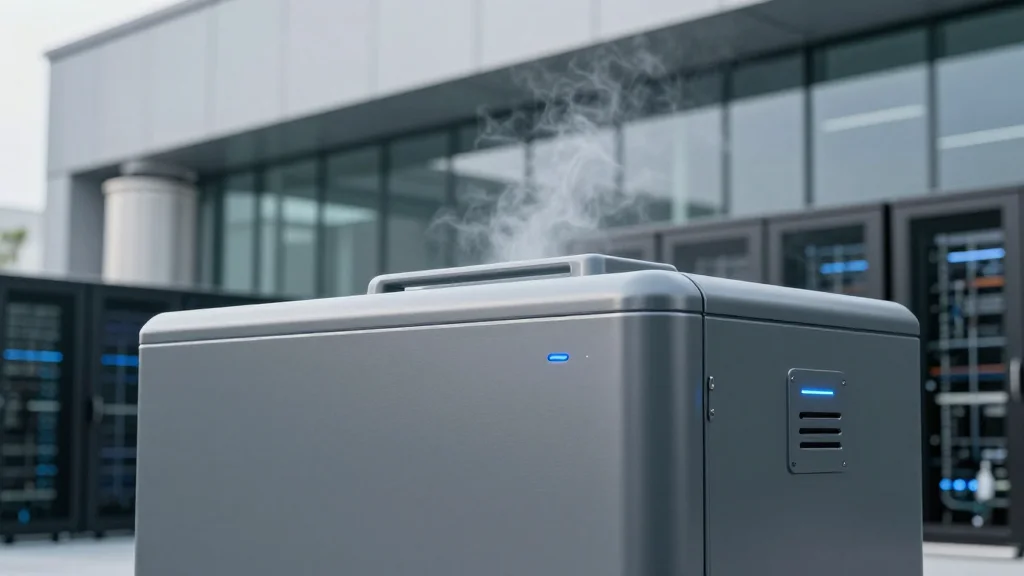
- •Veolia and Amazon to install containerized water‑treatment systems at a Mississippi data center, operational in 2027.
- •Project will reuse >83 million gallons of water per year, equivalent to the annual use of ~760 U.S. homes.
- •AWS will provide AI tools for real‑time optimization, predictive maintenance, and operational intelligence.
- •First data center in Mississippi to use reclaimed water for cooling, supporting Amazon’s 2030 water‑positive goal.
- •Modular design enables replication at other Amazon sites and potentially across other high‑water‑use industries.
Pulse Analysis
The Veolia‑Amazon alliance illustrates a convergence of two megatrends: the push for circular water use and the embedding of AI into core infrastructure. Historically, data‑center cooling has relied on large volumes of fresh water, a practice increasingly untenable in drought‑prone regions. By leveraging Veolia’s expertise in membrane and biological treatment, Amazon can sidestep traditional water sourcing while maintaining the high reliability required for cloud services. The AI component is more than a tech add‑on; it transforms a static treatment plant into a dynamic, self‑optimizing asset, reducing downtime and energy consumption.
From a competitive standpoint, the partnership raises the bar for other cloud giants. Google’s recent partnership with a desalination firm and Microsoft’s water‑recycling pilot are now direct comparators. The differentiator for Amazon will be the speed of deployment—containerized modules can be shipped and installed in weeks rather than years—and the depth of AI integration, which could translate into measurable cost savings that are quickly reflected in shareholder reports.
Looking ahead, the success of the Mississippi site could catalyze a wave of similar projects in water‑stress regions such as the Southwest U.S., parts of Europe, and Asia. Investors will likely track the performance metrics that Veolia and AWS promise to publish, using them as a proxy for the scalability of reclaimed‑water cooling. If the data validates the projected water savings and operational efficiencies, we may see a new class of climate‑tech assets emerge—water‑treatment plants co‑located with high‑energy facilities, all managed through cloud‑native AI platforms. This could reshape capital allocation in both the water‑tech and data‑center markets for years to come.
Veolia and Amazon Launch Reclaimed‑Water Cooling for Mississippi Data Center
Comments
Want to join the conversation?
Loading comments...