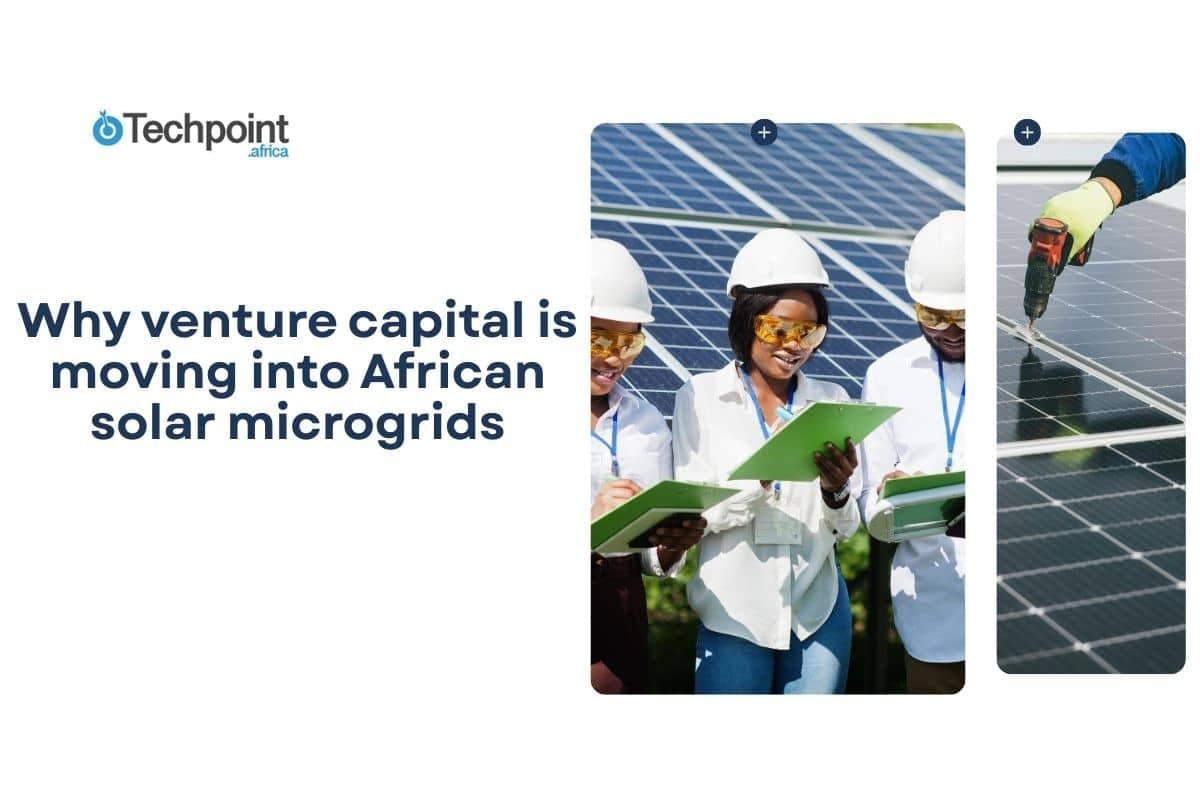
Why Venture Capital Is Moving Into African Solar Microgrids
•February 25, 2026
0
Why It Matters
The shift redefines where African VC capital flows, accelerating energy access while reshaping the continent’s startup ecosystem toward infrastructure‑heavy models.
Key Takeaways
- •African VC funds moving from fintech to solar microgrids.
- •Fintech markets face saturation, higher CAC, regulatory pressure.
- •Solar microgrids deliver predictable, asset‑backed cash flows.
- •Blended finance and ESG mandates de‑risk energy investments.
- •Policy incentives accelerate off‑grid solar deployment.
Pulse Analysis
The fintech surge that once defined African venture capital has run its course. Between 2016 and 2021, mobile‑money platforms and digital lenders attracted billions, but as user bases converged, acquisition costs ballooned and regulators tightened KYC and capital rules. Investors now demand profitability over growth‑at‑any‑cost, leaving many fintechs scrambling for exits. This market fatigue has opened space for sectors that promise steadier returns, and solar microgrids have stepped into that gap.
Solar microgrids align with venture economics in several ways. Over 600 million Africans remain off‑grid, creating a massive, price‑insensitive demand base. Technological advances—cheaper panels, longer‑lasting batteries, and remote monitoring—have turned solar into a software‑like infrastructure with measurable unit economics. Pay‑as‑you‑go tariffs, long‑term contracts with telecom towers and industrial SMEs, and dollar‑linked pricing provide the predictable cash flows VCs crave. Blended finance structures, where development banks absorb early‑stage risk, further lower the barrier for private capital, while ESG and climate‑finance mandates add a layer of impact appeal.
The ramifications for founders are stark. Fintech entrepreneurs must now prove path‑to‑profitability, tightening margins and reducing incentive‑driven growth. Energy founders, meanwhile, must demonstrate operational resilience—reliable uptime, collection efficiency, and scalable deployment—to secure funding. Policy tailwinds, such as import‑duty exemptions and clear mini‑grid licensing, coupled with emerging carbon‑credit markets, reinforce the investment thesis. As venture capital embraces infrastructure‑tech, Africa’s power deficit is likely to shrink faster, unlocking broader economic growth and cementing solar microgrids as a cornerstone of the continent’s digital future.
Why venture capital is moving into African solar microgrids
0
Comments
Want to join the conversation?
Loading comments...