Americans Are About to Pay Even More at the Grocery Store
Companies Mentioned
Why It Matters
Rising food costs erode disposable income, heightening inflation concerns and making affordability a pivotal issue in the upcoming election cycle. The pressure also forces grocery chains to balance price competitiveness with thin margins, reshaping the retail food landscape.
Key Takeaways
- •USDA forecasts 3.2% grocery price rise in 2026
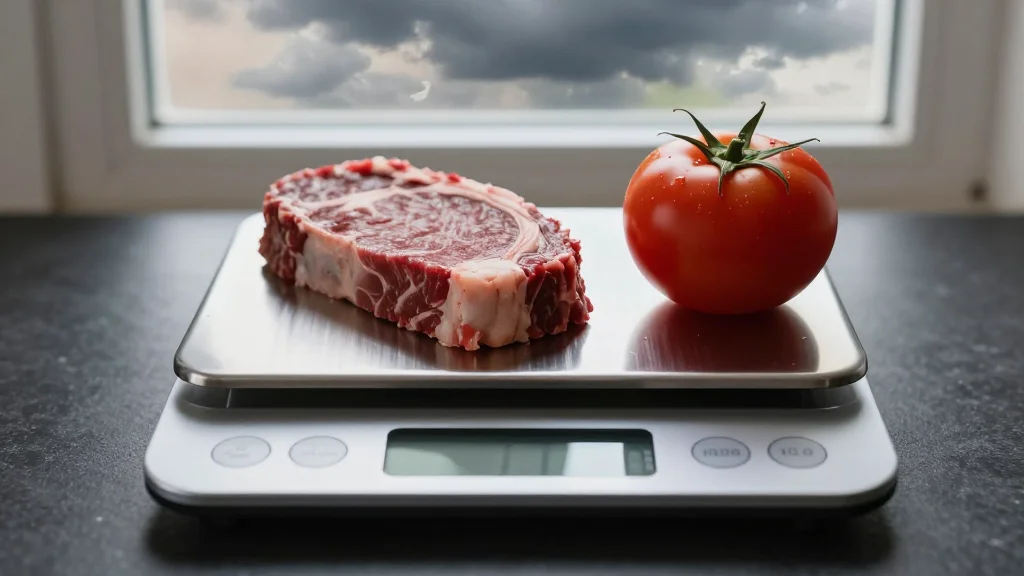
- •Record beef prices driven by smallest cattle herd in 75 years
- •Tomato costs jumped 33% after Florida winter storms
- •Drought hit 70% of winter wheat and 25% of corn areas
- •El Niño risk could intensify 2027 food price pressures
Pulse Analysis
The USDA’s latest Food Price Outlook underscores a new wave of inflation that is likely to outlast the recent gas price spike. While fuel costs have dominated headlines, the report highlights that weather extremes—record heat, hail, and drought—have already disrupted planting cycles, pushing staple commodities like wheat, corn, and beef to historic price levels. Add to that a 20% rise in fertilizer prices following the Iran conflict, and the cost of producing and transporting food is set to rise across the board, feeding directly into grocery store tags.
For consumers, the impact is immediate and personal. A 3.2% annual increase translates to several dollars more per week for an average household, a burden that coincides with falling real hourly earnings and a declining personal savings rate. The timing is politically sensitive, as the November midterms will likely see food affordability become a decisive campaign issue. Retail giants are responding: Kroger promises aggressive price cuts to challenge Walmart, while both are leveraging private‑label brands and supply‑chain efficiencies to cushion shoppers from the worst of the surge.
Looking ahead, the outlook remains volatile. Climate models suggest a strong El Niño could materialize by August, potentially delivering rain to California but also exacerbating drought in other key grain belts. Combined with ongoing fertilizer shortages and higher diesel costs, these factors could push food inflation into the 4%‑plus range through 2027. Policymakers may need to consider targeted relief measures, such as temporary subsidies for essential staples or incentives for sustainable farming practices, to temper the long‑term economic fallout.
Americans Are About to Pay Even More at the Grocery Store
Comments
Want to join the conversation?
Loading comments...