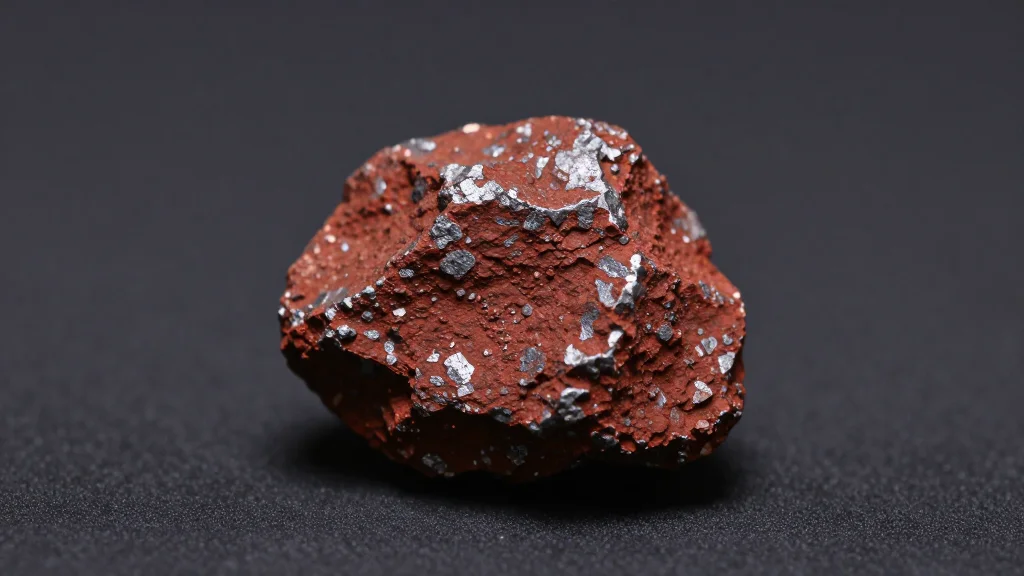
China's 5% Q1 GDP Boost Sends Iron Ore to $114.79/ton

Companies Mentioned
Why It Matters
The rise in iron ore prices signals a potential turning point for the global steel industry, which has faced years of overcapacity and weak demand. Strong Chinese GDP growth and deliberate steel output cuts tighten supply, allowing producers to improve margins and invest in capacity upgrades. For commodity investors, the move highlights the sensitivity of metal markets to macroeconomic data from China, reinforcing the country's outsized influence on global commodity cycles. For downstream users, higher raw‑material costs could translate into increased steel prices for construction, automotive, and infrastructure projects. This may accelerate cost‑pass‑through strategies and influence budgeting decisions across sectors that rely heavily on steel.
Key Takeaways
- •China's Q1 GDP grew 5% YoY, exceeding forecasts.
- •Iron ore price on DCE reached $114.79/ton, up 3.1%.
- •March steel output fell 6.3% to 87.04 million tons, lowest since 2020.
- •Coking coal rose 2.32% and coke 1.94% on the DCE.
- •SGX May contract climbed to $106.15/ton, up 1.86%.
Pulse Analysis
The latest price action underscores how quickly commodity markets can react to a single macro data point when it comes from China. Historically, Chinese GDP releases have moved iron ore, copper, and even oil, but the current rally is amplified by a rare combination of strong growth and intentional production curbs. The steel sector has been stuck in a low‑margin environment for years, with Chinese mills operating at near‑capacity utilization. By cutting output, the government is not only addressing overcapacity but also creating a supply shock that benefits both domestic and international producers.
From a strategic perspective, the price increase may encourage miners to accelerate capital projects, especially in Brazil and Australia, where higher prices improve project economics. However, the upside is not limitless; any sign of a slowdown in Chinese industrial activity or a reversal in output policy could trigger a rapid price correction. Investors should therefore balance the bullish signal with the inherent volatility of policy‑driven markets.
In the broader commodities context, the episode highlights the interconnectedness of macroeconomics, policy, and supply dynamics. As the world navigates geopolitical tensions and energy transitions, the steel supply chain remains a bellwether for industrial health. Stakeholders across the value chain—miners, traders, steelmakers, and end‑users—must stay attuned to Chinese policy shifts, which will likely continue to dictate price direction for the foreseeable future.
China's 5% Q1 GDP Boost Sends Iron Ore to $114.79/ton
Comments
Want to join the conversation?
Loading comments...