Crude Oil Breaks $100 a Barrel as Hormuz Tensions Spur Indian Airline Cost Crunch

Companies Mentioned
Why It Matters
The breach of the $100 barrier signals a new pricing regime for crude that reverberates through downstream sectors, especially aviation, where fuel is a dominant cost driver. Indian airlines, which serve a rapidly growing market, now face a double‑edged threat: eroding margins and potential demand contraction if fare hikes outpace passenger willingness to pay. Simultaneously, the ability of Iranian tankers to evade U.S. blockades demonstrates the limits of maritime enforcement, keeping global oil supply more elastic than policymakers anticipate. Africa’s Dangote refinery illustrates how strategic investment in regional refining can buffer local economies from chokepoint disruptions, potentially reshaping trade patterns away from the Strait of Hormuz. Together, these dynamics could accelerate a shift toward diversified supply routes, increased hedging by airlines, and heightened policy scrutiny of fuel taxation. For investors, the episode underscores the importance of monitoring geopolitical flashpoints and their cascading effects on commodity‑linked industries.
Key Takeaways
- •Brent crude topped $100 per barrel on May 3, driven by Strait of Hormuz tensions.
- •Indian aviation turbine fuel now represents 55‑60 % of airline operating costs, up from 30‑40 % pre‑war.
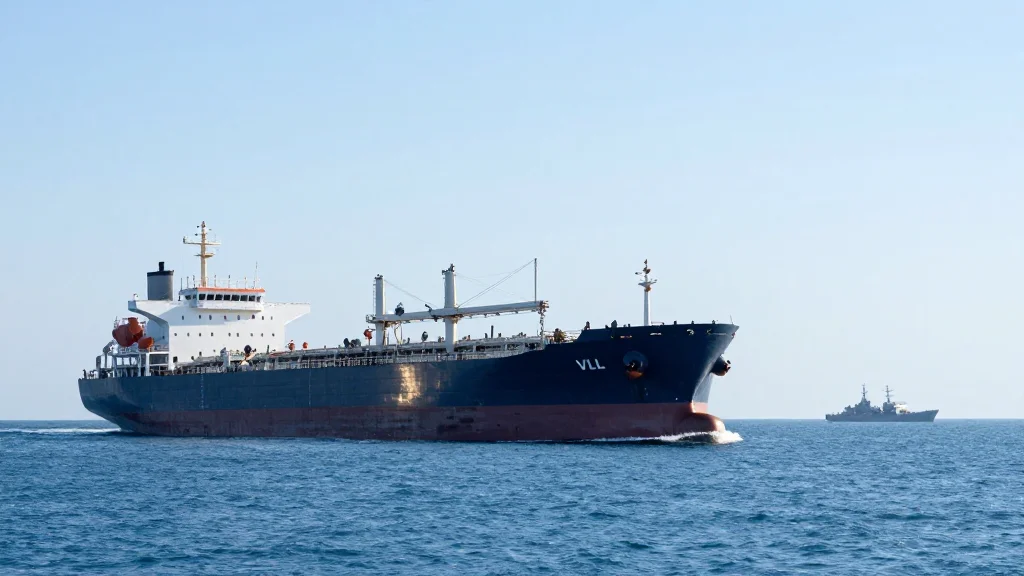
- •Iranian VLCC ‘HUGE’ delivered 1.9 million barrels (~$220 million) despite U.S. naval blockade.
- •Dangote Petroleum Refinery in Lagos runs at 650,000 bpd, supplying fuel to 10+ African nations.
- •Airlines are cutting discounts, adding surcharges and reviewing weaker routes as margins shrink.
Pulse Analysis
The current oil rally is less a fleeting spike and more a symptom of a structural realignment in global energy logistics. Historically, the Strait of Hormuz has acted as a price‑setting conduit; when it is threatened, markets react sharply, as seen in the $100‑plus Brent level. However, the recent ability of Iranian tankers to slip past U.S. blockades suggests that the choke‑point’s strategic leverage is waning. This erosion of enforcement capability means that supply shocks may be more localized and less predictable, prompting traders to price in a higher risk premium.
For Indian airlines, the situation is a textbook case of cost‑pass‑through limits. While fare hikes can offset some fuel inflation, the sector’s price‑sensitive passenger base caps the extent of pass‑through, especially in the domestic market where low‑cost carriers dominate. The shift from an absorption to an adjustment phase, as Kumar notes, will likely see a consolidation of routes, accelerated fleet retirement of less fuel‑efficient aircraft, and a renewed focus on hedging strategies. Policy levers—such as temporary ATF tax relief or strategic fuel reserves—could provide short‑term breathing room, but they will not resolve the underlying exposure to volatile crude.
Africa’s Dangote refinery illustrates a parallel trend: the rise of regional refining capacity as a hedge against geopolitical supply shocks. By reducing reliance on Hormuz‑bound imports, the refinery not only stabilizes local fuel markets but also creates a new export hub for refined products and fertilizer. This could incentivize further private investment in African downstream infrastructure, gradually shifting the global oil trade map away from traditional Middle‑East corridors. In sum, the confluence of high crude prices, evasive Iranian shipments, and emerging regional refineries signals a more fragmented, risk‑aware commodity landscape where both market participants and policymakers must adapt to a world where chokepoints are no longer absolute barriers.
Crude Oil Breaks $100 a Barrel as Hormuz Tensions Spur Indian Airline Cost Crunch
Comments
Want to join the conversation?
Loading comments...