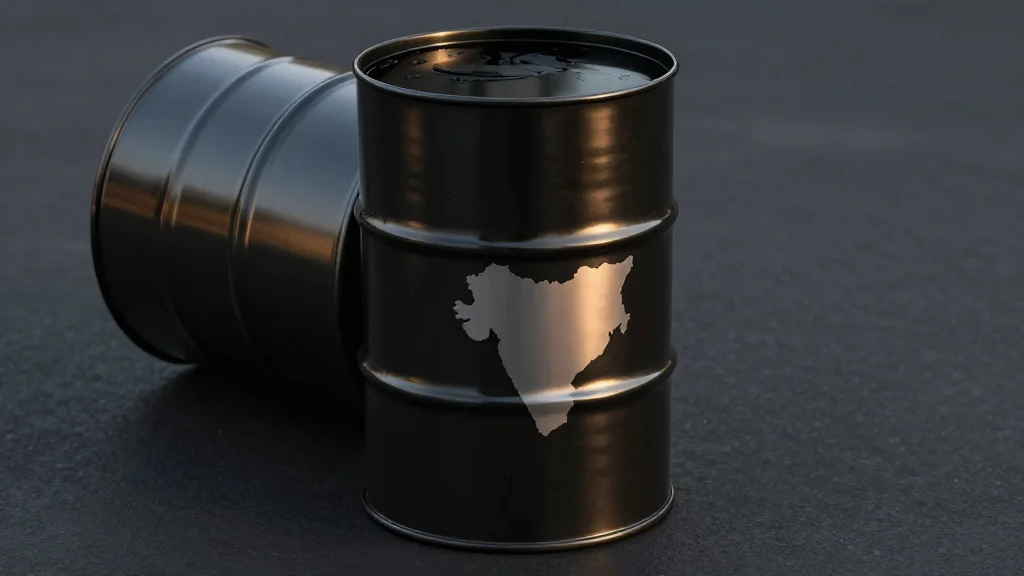
Crude Surge Is a Price Shock, Not Supply Shock for India: CEA Nageswaran
Why It Matters
A price‑driven oil shock raises India’s import bill, threatens the current‑account balance and fiscal targets, and could weigh on rupee stability and growth prospects.
Key Takeaways
- •Crude oil surge is classified as a price shock, not supply shock
- •Four impact channels: oil price, trade, logistics costs, remittances
- •Current‑account deficit may widen to about 2% of GDP
- •FY 26 FDI inflows projected at $90‑95 billion, showing resilience
- •Fiscal‑deficit target 4.3% may be pressured by rising costs
Pulse Analysis
India’s economy is now grappling with a classic price shock rather than a supply crunch in the oil market. Global crude prices have spiked due to geopolitical tensions and production cuts, but India’s import volumes remain steady, meaning the surge translates directly into higher costs for petrochemicals and fuel. This distinction matters because a supply shock would imply scarcity and potential rationing, whereas a price shock primarily erodes margins and raises inflationary pressures without altering physical availability.
The CEA highlighted four pathways through which the oil‑price shock could permeate the broader economy. Higher input costs raise production expenses for petrochemical firms, while slower global growth and a decelerating Gulf economy dampen trade balances. Logistics costs—particularly freight and insurance—have proven sticky, resisting rapid declines even if oil prices retreat. Additionally, remittances from Gulf workers, which total $30‑40 billion annually, could contract if regional economies falter, further widening the current‑account deficit, now projected at roughly 2% of GDP. A broader deficit raises financing needs and puts downward pressure on the rupee, complicating the government’s effort to keep the fiscal deficit at its 4.3% target.
Despite these challenges, India’s foreign‑direct investment pipeline remains robust, with FY 26 inflows expected to hit $90‑95 billion. Recent free‑trade agreements with the UK, EU, and an interim pact with the United States reinforce the country’s appeal as a manufacturing hub, offsetting some of the macroeconomic headwinds. Policymakers will need to balance short‑term inflationary pressures with long‑term structural reforms to sustain growth, protect the rupee, and keep fiscal targets on track.
Crude surge is a price shock, not supply shock for India: CEA Nageswaran
Comments
Want to join the conversation?
Loading comments...