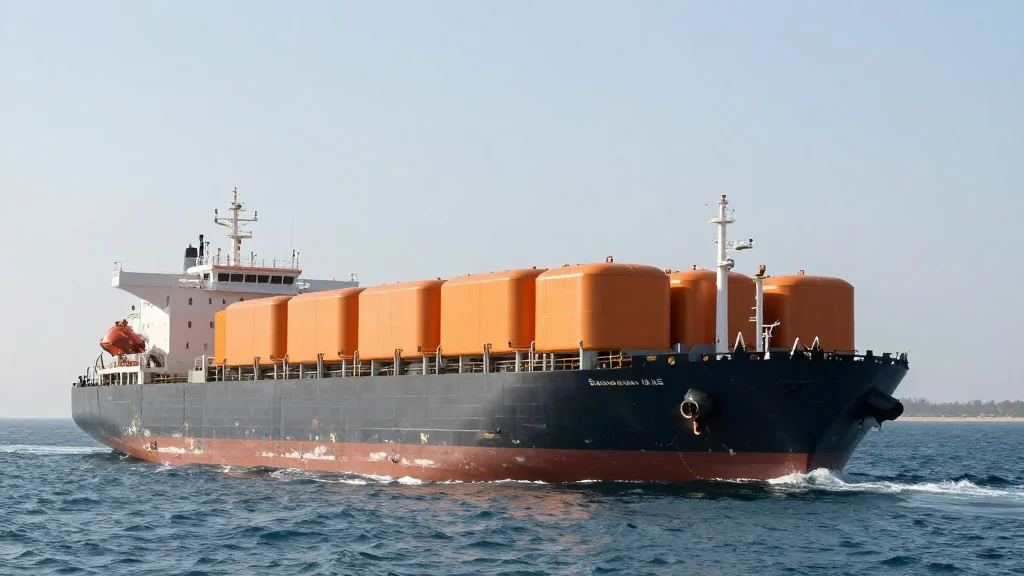
FAO Warns Hormuz Shutdown Could Spark Severe Global Food‑price Crisis Within a Year

Why It Matters
A prolonged Hormuz shutdown threatens to tighten global fertilizer supplies, a key input for grain production. Higher fertilizer costs translate directly into higher wheat, corn and rice prices, amplifying food‑price inflation in vulnerable economies. Moreover, the crisis highlights how geopolitical tensions can quickly cascade into commodity markets, forcing traders, producers and policymakers to rethink risk management and supply‑chain diversification. If unaddressed, the projected price surge could erode food security for millions, especially in low‑income countries that spend a larger share of household income on staples. The FAO’s warning also puts pressure on energy and trade ministries to balance sanctions, export controls and humanitarian needs, shaping the policy environment for the entire commodities ecosystem.
Key Takeaways
- •FAO warns Hormuz closure could trigger a severe global food‑price crisis within 6‑12 months.
- •FAO Food Price Index rose for a third consecutive month in April amid high energy costs.
- •Maximo Torero, FAO Chief Economist, called for immediate alternative trade routes and credit support for farmers.
- •El Niño risks add drought pressure, compounding potential price spikes.
- •FAO recommends diversifying ports, building regional reserves, and expanding precision agriculture.
Pulse Analysis
The Hormuz blockage illustrates a classic supply‑chain shock where a single maritime chokepoint can reverberate across the entire agri‑commodity spectrum. Historically, fertilizer supply disruptions have preceded spikes in staple grain prices, as seen after the 2008 oil price surge. The current scenario is compounded by higher baseline energy costs and the prospect of El Niño‑driven droughts, creating a perfect storm for price volatility.
Traders are likely to adjust forward curves for wheat, corn and rice, pricing in a risk premium for fertilizer scarcity. Hedgers may see increased demand for fertilizer futures, while grain exporters could face tighter margins if input costs rise faster than product prices. Governments that rely heavily on fertilizer imports—such as India, Brazil and several African nations—must weigh the trade‑off between protecting domestic supplies and maintaining export revenues.
In the longer view, the Hormuz episode may accelerate investments in alternative logistics corridors, such as overland routes through Central Asia or expanded use of the Red Sea corridor. It also underscores the strategic value of regional fertilizer production capacity and the need for resilient, diversified supply chains. Stakeholders that proactively adopt precision agriculture and low‑carbon fertilizer technologies could mitigate exposure, positioning themselves ahead of a potentially prolonged price environment.
FAO warns Hormuz shutdown could spark severe global food‑price crisis within a year
Comments
Want to join the conversation?
Loading comments...