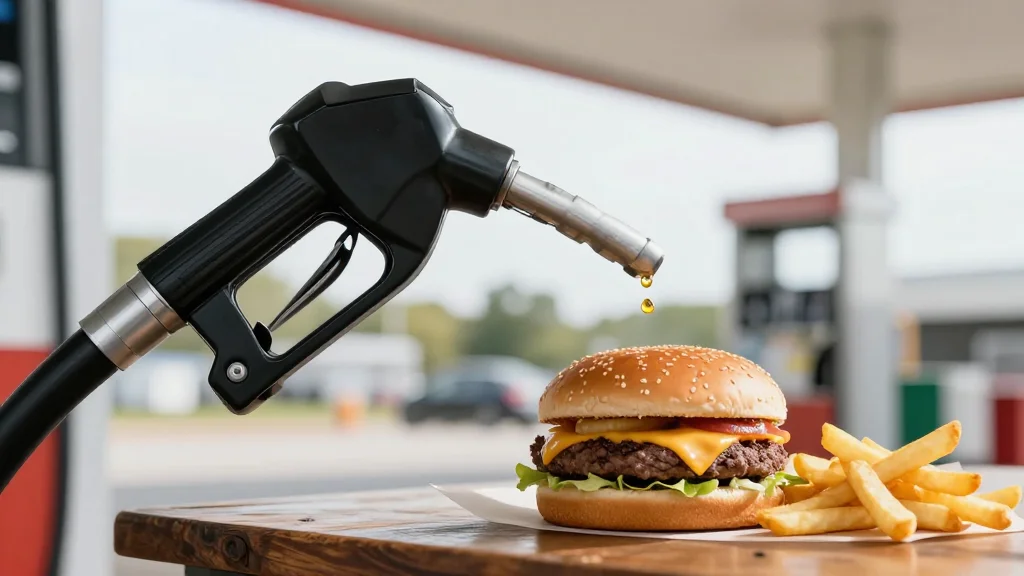
GEN Restaurant Group Sees 8.8% Sales Dip as $6‑plus Gas Prices Curb Consumer Spending

Why It Matters
The GENK sales decline illustrates how volatile energy markets can quickly translate into reduced consumer spending, a key driver for the broader retail sector. As gasoline and diesel prices stay elevated, households prioritize essential goods over discretionary purchases, pressuring retailers that depend on frequent foot traffic. This dynamic also feeds back into commodity markets: weaker retail demand can dampen downstream demand for agricultural and meat products, influencing price trajectories for those commodities. For investors, the episode signals that earnings forecasts for retail and food‑service companies must now incorporate fuel price volatility as a core risk factor. Companies with diversified supply chains or the ability to shift pricing quickly may weather the storm better than those locked into thin margins.
Key Takeaways
- •GEN Restaurant Group reported an 8.8% same‑store sales decline in Q1 2026.
- •Gasoline prices above $6 per gallon were cited as the primary cause of reduced discretionary spending.
- •Cost of goods sold rose to 38% of sales, up 440 basis points year‑over‑year.
- •Menu prices were increased by $1 (about 2.5%) to offset higher input costs.
- •India’s oil imports total roughly $130 billion annually, underscoring global commodity pressure.
Pulse Analysis
GENK’s earnings highlight a classic commodity‑to‑consumer transmission channel: when energy prices spike, the cost of moving goods and the price of fuel‑intensive foods rise, squeezing household budgets. Historically, similar patterns have emerged during oil shocks in the 1970s and early 2000s, where retail foot traffic fell sharply and many chains were forced to either consolidate or raise prices aggressively. What sets today’s environment apart is the simultaneous presence of a tight labor market and lingering supply‑chain constraints, which limit the ability of firms to absorb cost shocks without passing them on.
From a strategic standpoint, retailers that have built flexible pricing engines and diversified product mixes—especially those with higher‑margin CPG lines—are better positioned to offset the drag from fuel costs. GENK’s push into grocery‑store shelves and its planned expansion of ready‑to‑cook SKUs could provide a buffer, as grocery items often enjoy higher margins than restaurant meals. However, the success of that pivot hinges on maintaining shelf‑space and navigating the same fuel‑driven logistics challenges that are already tightening margins.
Looking forward, the trajectory of gasoline and diesel will be the bellwether for retail health. If prices retreat below $5 per gallon, we may see a modest rebound in discretionary spend, but any prolonged period above $6 could cement a new baseline of restrained consumer behavior. Investors should watch fuel price forecasts, inventory levels at major refineries, and policy moves on strategic petroleum reserves as leading indicators of retail performance in the months ahead.
GEN Restaurant Group sees 8.8% sales dip as $6‑plus gas prices curb consumer spending
Comments
Want to join the conversation?
Loading comments...