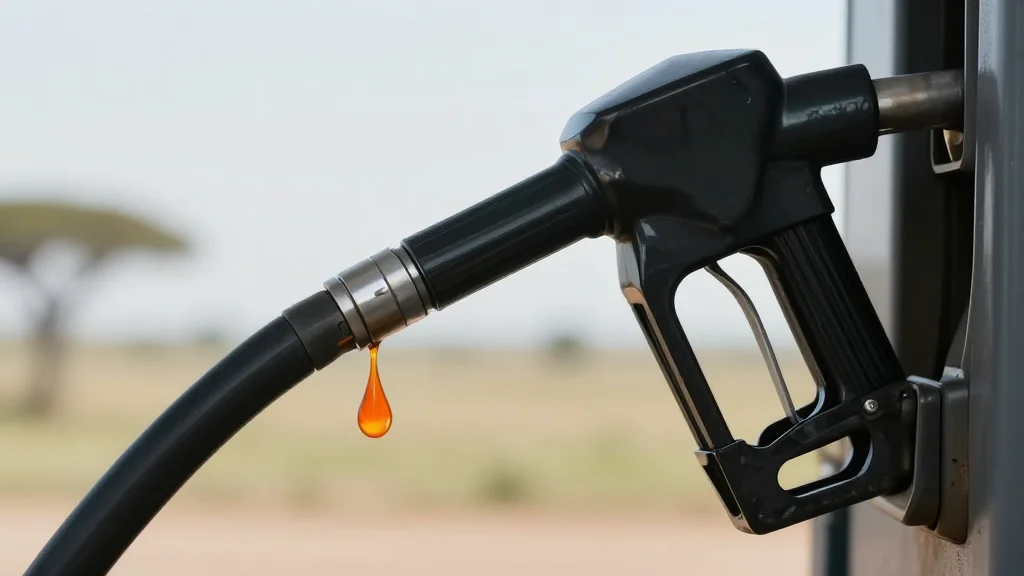
How the Middle East Crisis Chokes East Africa’s Revenue Lifeline
Why It Matters
Fuel‑tax adjustments directly affect household budgets and inflation, revealing how dependent East African economies are on oil imports and tax revenue. The policy choices made now will shape fiscal stability and regional competitiveness.
Key Takeaways
- •Kenya reduces fuel VAT to 8% for up to 90 days.
- •Fuel taxes account for about half of Kenya’s pump price.
- •Uganda plans excise duty rise despite inflation concerns.
- •Tanzania opposition says 31% of pump price is tax.
- •Ethiopia phases out fuel subsidies and bans new fossil cars.
Pulse Analysis
The Middle‑East conflict that erupted in February 2024 has reverberated far beyond the region, tightening global crude supplies and pushing benchmark oil prices above $100 per barrel. East African nations, which import the bulk of their petroleum products, feel the shock acutely because their fuel pricing formulas embed international crude costs, exchange‑rate movements and a dense web of domestic levies. As a result, retail pump prices have surged across the bloc, straining household budgets and feeding inflationary pressures that policymakers can ill afford.
In response, governments have turned to tax policy as a quick lever. Kenya’s parliament swiftly passed a Value‑Added Tax amendment, slashing the fuel VAT from 16% to 8% for an initial 90‑day window, a move projected to shave roughly $0.07‑$0.08 per litre off petrol and diesel. Uganda, by contrast, is contemplating a modest excise‑duty increase of about $0.05 per litre, despite criticism that it could exacerbate inflation. Tanzania’s opposition has highlighted that roughly 31% of every shilling at the pump goes to taxes, demanding temporary relief and price controls. Rwanda and Ethiopia have also tweaked levies, with Rwanda re‑introducing VAT on fuels and Ethiopia gradually withdrawing subsidies while banning new fossil‑fuel cars, signaling a shift toward greener mobility.
These fiscal maneuvers illustrate a delicate balancing act. While tax cuts can ease consumer pain, they also erode a critical revenue stream that funds infrastructure, health and education. Conversely, higher duties risk fueling public dissent and slowing economic activity. The episode underscores the need for regional cooperation on fuel procurement, diversification of energy sources and the development of more resilient pricing mechanisms. As the Middle‑East situation remains volatile, East African leaders will likely continue to fine‑tune tax structures, seeking a sustainable path that safeguards both fiscal health and social stability.
How the Middle East crisis chokes East Africa’s revenue lifeline
Comments
Want to join the conversation?
Loading comments...