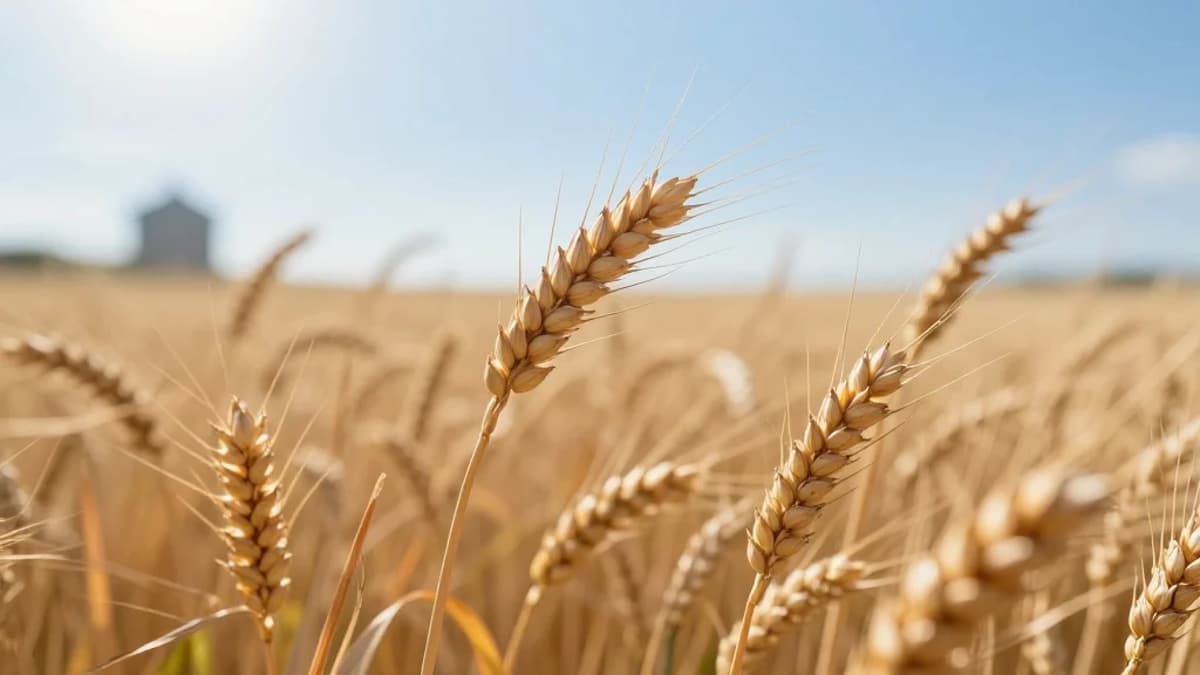
India Braces for Unusually Hot March that Can Put Key Crops at Risk, Sources Say
•February 26, 2026
0
Why It Matters
The crop‑risk threatens India’s food‑security balance and could tighten global wheat and oil markets, while higher power consumption strains the grid.
Key Takeaways
- •March temps up to 7 °C above normal in key states
- •Wheat and rapeseed yields risked during grain-filling stage
- •Over 80% of India's wheat/rapeseed grown in affected regions
- •Potential export shortfall may increase oil imports
- •Electricity demand likely to surge with higher temperatures
Pulse Analysis
The March heat wave arriving in northern India is not an isolated anomaly; the region has seen a steady rise in extreme temperature events over the past decade. Meteorological models now project maximums exceeding 40 °C in Punjab, Haryana and neighboring states, a threshold that historically triggers heat stress in cereal crops. Wheat and rapeseed, sown during the winter months, rely on cool night temperatures to fill grains and develop oil seeds. When daytime highs climb and night lows remain elevated, photosynthetic efficiency drops and moisture loss accelerates, directly cutting potential yields.
The agricultural shortfall has immediate repercussions for India’s trade balance. The country, the world’s second‑largest wheat producer, has been counting on a bumper 2026 harvest to generate export surpluses that offset costly imports of palm, soy and sunflower oils. A decline in wheat output could revive export bans similar to those imposed in 2022 after a warm February‑March cycle damaged the crop. Simultaneously, lower rapeseed yields would tighten domestic edible‑oil supplies, prompting higher government purchases and raising the price pressure on imported oils.
Beyond agriculture, the heat spike will strain India’s power grid. Historically, March electricity demand climbs 5‑7 % when temperatures breach the 35 °C mark, and the projected 40 °C highs could push that figure higher, forcing utilities to tap additional generation capacity or import power from neighboring countries. Policymakers are therefore under pressure to accelerate heat‑resilient farming practices, such as early‑sowing varieties and precision irrigation, while also bolstering grid reliability through renewable integration. The convergence of food‑security and energy challenges underscores the urgency of climate‑adaptation strategies for the subcontinent’s economy.
India braces for unusually hot March that can put key crops at risk, sources say
0
Comments
Want to join the conversation?
Loading comments...