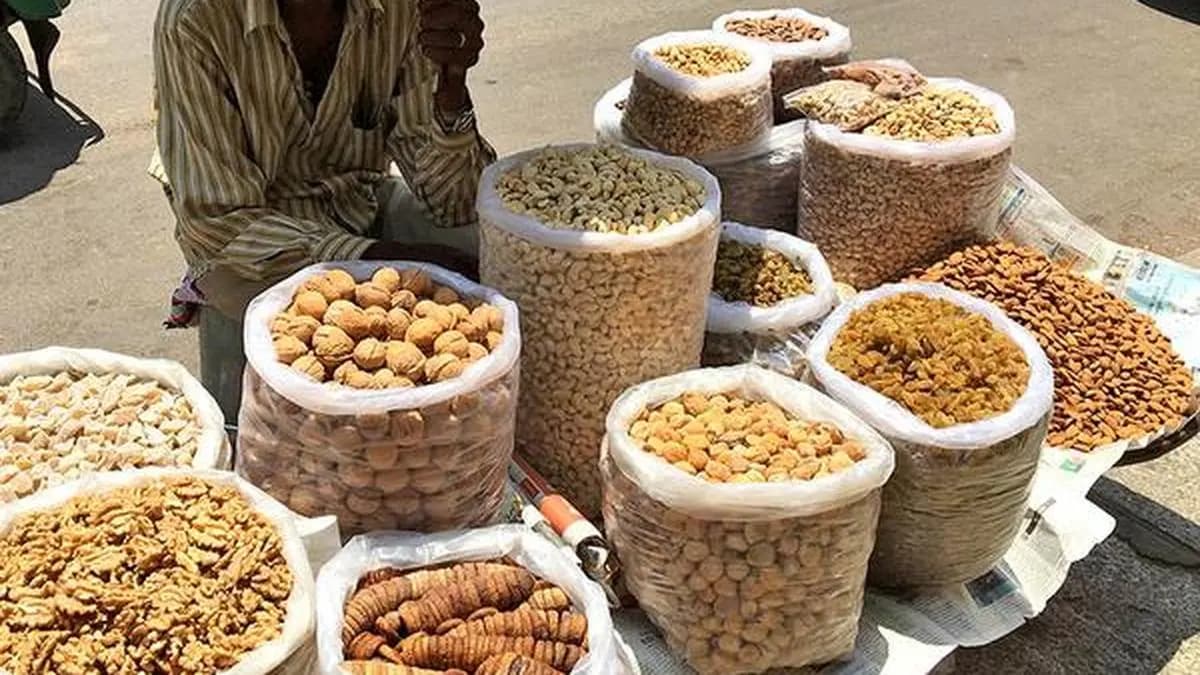
Indian Buyers May Find Pistachios, Figs and Raisins Pricey Following Gulf Crisis
•March 2, 2026
0
Why It Matters
The disruption exposes the Indian dry‑fruit supply chain’s geopolitical vulnerability and could add pressure to food inflation, prompting importers to reassess sourcing strategies. It also signals broader market risks for commodities reliant on Middle‑East logistics.
Key Takeaways
- •Iranian pistachio imports cut, price +₹100/kg
- •Fig imports from Afghanistan face delays, price up ₹100/kg
- •Raisin costs expected to rise, supply constraints
- •Walnut stocks ample, prices stable for 1‑2 months
- •Gulf port closures disrupt Indian dry‑fruit supply chain
Pulse Analysis
The recent Gulf crisis has sent shockwaves through India’s dry‑fruit market by severing two critical maritime gateways—Bandar Abbas and Chabahar. These ports handled the bulk of Iranian pistachio shipments and Afghan fig and raisin cargoes, and their abrupt closure has forced traders to scramble for alternative routes or accept higher freight costs. The immediate price impact is evident: pistachios have jumped roughly ₹100 per kilogram, while figs have seen a comparable increase. Such spikes are not merely a cost issue for retailers; they ripple through the supply chain, affecting wholesalers, e‑commerce platforms, and ultimately, the consumer’s grocery bill.
For Indian importers, the crisis underscores the fragility of relying on a narrow set of source countries for essential commodities. While walnuts remain insulated thanks to robust domestic production in Kashmir and generous stockpiles, other nuts lack similar buffers. The nation’s tariff regime adds another layer of complexity: a 100% duty on walnut imports contrasts with a 30% duty on other nuts, yet Afghan imports enjoy zero duty under SAFTA. This disparity may push importers to explore new suppliers from the Americas or Africa, albeit at higher logistical costs, to mitigate future disruptions. The price pressure also feeds into broader inflationary trends, especially as festive seasons like Holi drive seasonal demand.
Looking ahead, the stability of walnut prices offers a short‑term reprieve, but the longer‑term outlook hinges on diplomatic resolutions and the reopening of Gulf ports. Traders are likely to diversify sourcing, investing in storage capacity and forward contracts to hedge against volatility. Policymakers may also revisit duty structures to encourage alternative supply lines and reduce over‑dependence on geopolitically sensitive corridors. In a market where margins are thin, strategic adjustments now could safeguard both profitability and consumer access to affordable dry fruits.
Indian buyers may find pistachios, figs and raisins pricey following Gulf crisis
0
Comments
Want to join the conversation?
Loading comments...