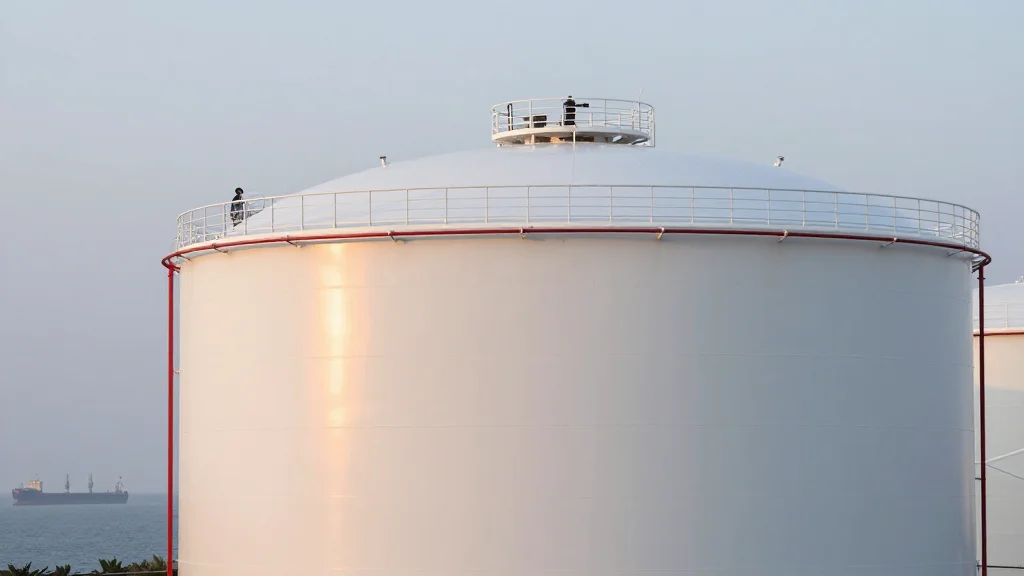
India’s LNG Imports Plunge 29.6% as Hormuz Cargo Offers Thin Hope

Why It Matters
India is the world’s third‑largest LNG importer, and a near‑30% drop in imports reverberates across global gas markets, tightening supply and supporting higher spot prices. The contraction also highlights the vulnerability of a nation heavily reliant on imported energy amid geopolitical shocks, underscoring the urgency for diversified sourcing and domestic gas development. The fiscal strain from a $5.7 billion surge in the crude‑oil bill threatens to crowd out public spending in other sectors, while higher domestic fuel prices risk stoking inflation and eroding consumer purchasing power. The limited Hormuz passage, though a positive signal, may not be enough to offset these macro‑economic pressures without decisive policy action.
Key Takeaways
- •LNG imports fell 29.6% to 1,954 MMSCM in April 2026.
- •Natural‑gas consumption dropped 16.7% year‑on‑year to 4,703 MMSCM.
- •Brent crude averaged $120.55 per barrel, up 78% from a year earlier.
- •India’s crude‑oil import bill rose $5.7 billion to $16.3 billion.
- •A single LNG cargo (Al Hamra) cleared the Strait of Hormuz, the first since the Iran‑Israel war.
Pulse Analysis
The recent plunge in India’s LNG imports is less a symptom of domestic demand weakness than a reflection of external supply shocks and price volatility. Historically, India has used the Gulf corridor as a reliable conduit for LNG, but the Iran‑Israel conflict has re‑opened a strategic vulnerability that the market is still learning to navigate. The lone Al Hamra shipment demonstrates that physical pathways can be restored, yet the scale of the cargo is insufficient to reverse the broader import decline.
From a fiscal perspective, the $5.7 billion jump in the crude‑oil bill illustrates how currency depreciation amplifies import costs, a dynamic that will likely repeat across other commodity imports, including LNG. Policymakers face a trade‑off: accelerate domestic gas production and pipeline connectivity to reduce import dependence, or secure long‑term contracts with diversified suppliers to hedge against geopolitical risk. Both routes require substantial capital and regulatory alignment, but the cost of inaction could be higher in terms of inflationary pressure and balance‑of‑payments stress.
Looking forward, the next few months will be pivotal. If additional LNG cargoes resume regular Hormuz transits, we may see a modest rebound in import volumes, easing short‑term supply concerns. However, sustained price pressure from high Brent levels and a volatile rupee could keep import costs elevated, prompting India to explore alternative liquefaction hubs in the United States or Africa. The strategic choices made now will shape India’s energy security and fiscal resilience for years to come.
India’s LNG imports plunge 29.6% as Hormuz cargo offers thin hope
Comments
Want to join the conversation?
Loading comments...