Kenyan Fuel Prices Spike as Hormuz Disruption Squeezes Stocks, Gold Slides on US‑Iran Tensions

Why It Matters
The Hormuz disruption illustrates how a single chokepoint can cascade into regional price volatility, threatening energy security in import‑dependent economies like Kenya. With only 16 days of petrol on hand, the country’s ability to shield consumers from global price shocks hinges on the limited Fuel Stabilization Fund, exposing fiscal vulnerabilities that could spill over into broader economic stability. Gold’s decline signals that renewed US‑Iran tensions are already influencing capital flows, reinforcing the dollar’s dominance and pressuring safe‑haven assets. For investors, the episode serves as a reminder that geopolitical risk premiums can quickly reshape commodity valuations, affecting portfolios that rely on commodities as inflation hedges or growth drivers.
Key Takeaways
- •Kenya holds 138,623 mt of super‑petrol, enough for just 16 days, amid Hormuz‑related supply disruptions.
- •Fuel Stabilization Fund has Sh17 bn available, enough to cushion prices for roughly three months.
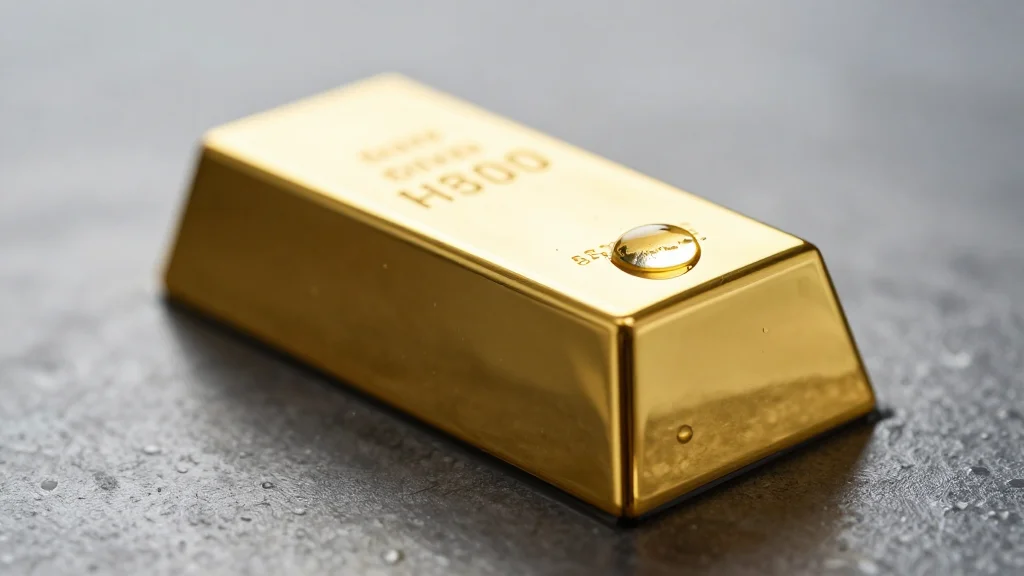
- •Spot gold fell 0.8% to $4,795/oz; U.S. gold futures down 1.4% to $4,813.14 amid a stronger dollar.
- •Ships stuck at the Strait of Hormuz have forced alternative loading from Europe and India, raising global oil costs.
- •Iran rejected a second round of US‑Iran diplomatic talks, fueling market uncertainty and dollar strength.
Pulse Analysis
The Hormuz bottleneck is a textbook case of supply‑chain fragility in a commodity‑driven world. Kenya’s reliance on imported refined products makes it especially sensitive to any interruption at this maritime chokepoint. The government’s modest fuel buffer and a dwindling stabilization fund mean that even a short‑term blockage can translate into immediate consumer price pain, potentially sparking social unrest and pressuring policymakers to seek emergency imports or negotiate diplomatic corridors. Historically, similar disruptions—such as the 2019 Gulf tanker attacks—triggered temporary price spikes that later stabilized once alternative routes were secured. However, the current geopolitical climate, with Iran openly blaming a U.S. blockade, raises the stakes and could prolong the disruption.
On the metals side, gold’s retreat underscores the dollar’s re‑assertion as the primary safe‑haven amid geopolitical risk. When investors anticipate that diplomatic deadlock could lead to broader market turbulence, they often flock to the dollar, which in turn depresses gold prices. This dynamic has repeated itself in past US‑Iran flare‑ups, notably in 2015 and 2020, when gold rallied only after the dollar’s momentum waned. The current dip suggests that market participants are betting on a short‑term escalation rather than a prolonged conflict, a bet that could be reversed if diplomatic breakthroughs materialize.
Looking forward, the twin narratives converge on a single theme: geopolitical risk is the hidden cost of commodity markets. For Kenya, the immediate challenge is to diversify supply sources and possibly increase strategic reserves to blunt future shocks. For global investors, the lesson is to monitor diplomatic developments as closely as they track supply‑demand fundamentals, because a single policy decision in Tehran or Washington can reverberate through oil pipelines, fuel pumps, and even the price of an ounce of gold.
Kenyan Fuel Prices Spike as Hormuz Disruption Squeezes Stocks, Gold Slides on US‑Iran Tensions
Comments
Want to join the conversation?
Loading comments...