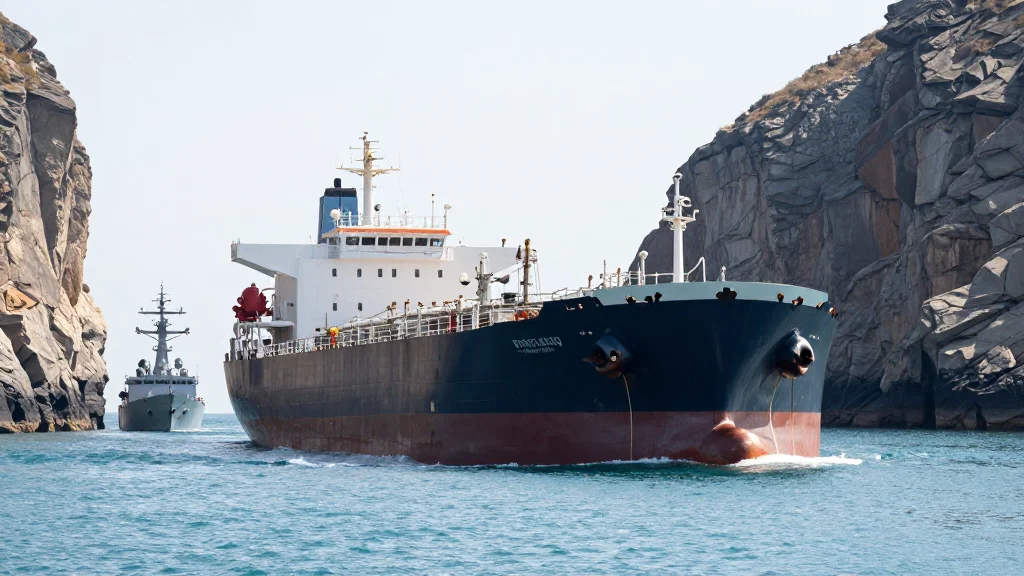
Oil Prices Surge to $90 as Strait of Hormuz Tensions Hit Global Markets

Why It Matters
The Strait of Hormuz is a linchpin of the global energy supply chain; any disruption reverberates through oil, gasoline, and broader commodity markets, affecting everything from transportation costs to food prices. With the United States facing a domestic political crisis and inflation at multi‑year highs, the intersection of geopolitics and commodities amplifies economic uncertainty for consumers and investors alike. A prolonged closure or heightened militarization of the strait could force oil‑importing nations to seek alternative routes or sources, reshaping trade flows and potentially accelerating a shift toward non‑oil energy investments. The current price trajectory also pressures central banks to consider tighter monetary policy, which could further strain growth in emerging markets heavily dependent on affordable energy imports.
Key Takeaways
- •Crude oil rose to $90 per barrel, its highest level since early 2025.
- •U.S. gasoline prices averaged just above $4 per gallon, up from $3.16 a year ago.
- •Iran reinstated strict military control of the Strait of Hormuz, citing U.S. violations.
- •President Trump's approval rating fell to 37% in the NBC Decision Desk poll.
- •Analysts warn oil could breach $100 per barrel if Hormuz remains closed.
Pulse Analysis
The latest surge in oil and gasoline prices reflects a classic commodity shock: a geopolitical event that constricts supply while demand remains resilient. Historically, Hormuz disruptions have produced short‑lived price spikes, but the current environment is different. The United States is now navigating a domestic political crisis that limits its diplomatic flexibility, and Iran appears willing to leverage the chokepoint as a bargaining chip. This asymmetry gives Tehran disproportionate influence over a market that typically reacts to broader supply‑demand fundamentals.
Investors are recalibrating risk models to incorporate a higher probability of sustained supply constraints. Futures markets are pricing in a 10% premium for oil contracts expiring in six months, and speculative positions in energy ETFs have risen by 15% week‑over‑week. Meanwhile, the U.S. administration’s mixed messaging—oscillating between hardline blockade rhetoric and tentative diplomatic overtures—creates a feedback loop that fuels market volatility. The administration’s inability to quickly resolve the Hormuz issue may erode confidence in its economic stewardship, further depressing consumer sentiment and potentially prompting the Federal Reserve to accelerate rate hikes.
Looking ahead, the decisive factor will be whether diplomatic channels can produce a credible, enforceable agreement that restores at least limited tanker traffic. If a ceasefire holds and Iran relaxes its controls, we could see a rapid de‑escalation in prices, mirroring the 2021 post‑COVID rebound. However, if the stalemate persists, the commodity market may enter a new regime of elevated baseline prices, accelerating the shift toward alternative energy sources and reshaping global trade patterns for years to come.
Oil Prices Surge to $90 as Strait of Hormuz Tensions Hit Global Markets
Comments
Want to join the conversation?
Loading comments...