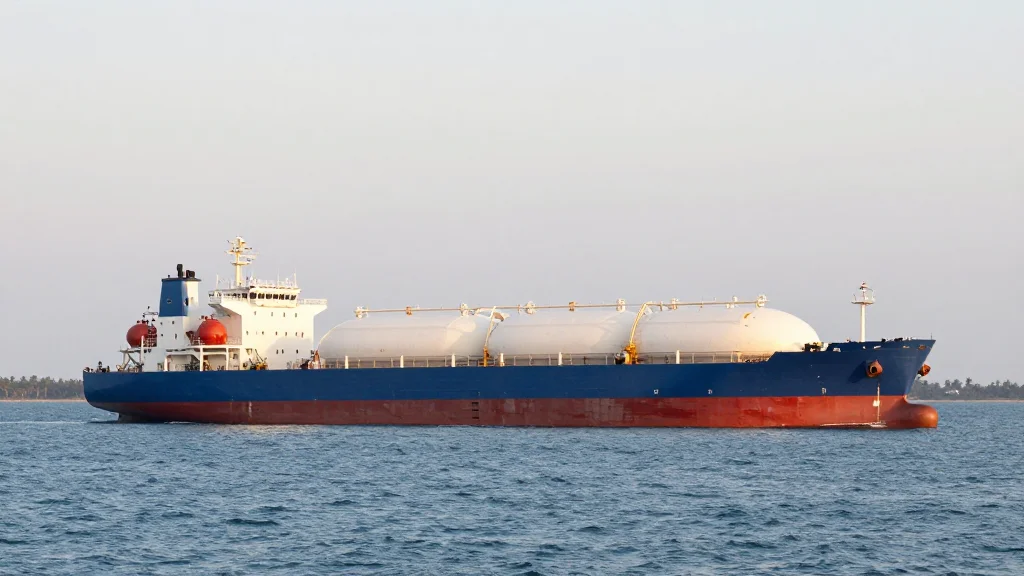
PetroVietnam Gas Shifts to U.S. LPG Imports as Iran Conflict Disrupts Middle East Supply

Why It Matters
The redirection of LPG from the Middle East to the United States highlights how geopolitical conflicts can rapidly reshape commodity supply chains. For Vietnam, securing a stable source of cooking fuel is critical to household energy security and to supporting its growing middle class. On a macro level, the shift signals a possible realignment of Asian LPG demand away from traditional Gulf exporters, which could alter pricing dynamics and investment decisions across the sector. For the United States, the emerging Vietnamese market offers a new export outlet that can help absorb excess production and sustain the profitability of its expanding LPG industry. The development also underscores the strategic importance of maintaining flexible, diversified supply routes in a world where chokepoints like the Strait of Hormuz can be rendered unusable by conflict.
Key Takeaways
- •PetroVietnam Gas will import 66,000 tonnes of U.S. LPG in May, surpassing 44,000 tonnes from the Middle East.
- •U.S. LPG imports by PV GAS rose to 76,000 tonnes this month, up from 2,200 tonnes in March.
- •The Iran‑Israel war has effectively shut the Strait of Hormuz, disrupting traditional LPG flows.
- •Vietnam seeks to diversify fuel sources to avoid future shortages and price spikes.
- •The shift could prompt other Asian nations to increase U.S. LPG purchases, reshaping global trade patterns.
Pulse Analysis
The Iran‑Israel conflict has acted as a catalyst for a broader re‑evaluation of energy security in the Asia‑Pacific. Historically, the Gulf has supplied the bulk of LPG to the region, leveraging its proximity and established shipping lanes. However, the abrupt closure of the Strait of Hormuz has forced buyers like Vietnam to look westward, where U.S. LNG and LPG exporters have been building capacity for years. This pivot is not merely a stop‑gap; it reflects a strategic calculation that the United States can offer more predictable delivery schedules and pricing transparency amid Middle‑East volatility.
From a market perspective, the influx of U.S. LPG into Vietnam could tighten global supply, especially if other Asian importers follow suit. Prices on the NYMEX LPG curve have already shown modest upward pressure, and a sustained shift could accelerate the development of new U.S. export terminals on the Gulf Coast. For Gulf producers, the loss of a key market may spur a push to diversify into petrochemical feedstocks or to negotiate longer‑term contracts with other regions less exposed to geopolitical risk.
Looking forward, the durability of this shift will hinge on the duration of the conflict and the speed with which the Strait of Hormuz can be reopened. If hostilities subside, we may see a partial re‑balancing, but the experience has likely left a lasting imprint on procurement strategies. Vietnam’s move could become a case study in how emerging economies hedge against supply disruptions, potentially prompting a wave of infrastructure investments—such as floating storage units and regional regasification hubs—to lock in diversified supply lines for the next decade.
PetroVietnam Gas Shifts to U.S. LPG Imports as Iran Conflict Disrupts Middle East Supply
Comments
Want to join the conversation?
Loading comments...