Trump Claims China Will Purchase U.S. Oil Amid Strait of Hormuz Disruptions

Why It Matters
The alleged China‑U.S. oil purchase touches on three critical dynamics in the commodities market. First, it could provide a new export outlet for U.S. shale producers at a time when traditional routes through the Middle East are constrained. Second, it signals a potential realignment of energy geopolitics, where a strategic rival becomes a commercial customer, potentially diluting Iran’s leverage over global oil supplies. Third, the claim influences market sentiment, prompting traders to reassess supply‑demand balances and price forecasts, which can affect everything from refinery margins to retail gasoline prices. If the deal materializes, it may also set a precedent for future commodity transactions that bypass traditional chokepoints, encouraging policymakers to consider energy security as a more flexible, market‑driven tool. Conversely, if the announcement proves unfounded, it could erode credibility for political statements that aim to sway markets, prompting regulators to scrutinize the use of public statements in commodity price manipulation investigations.
Key Takeaways
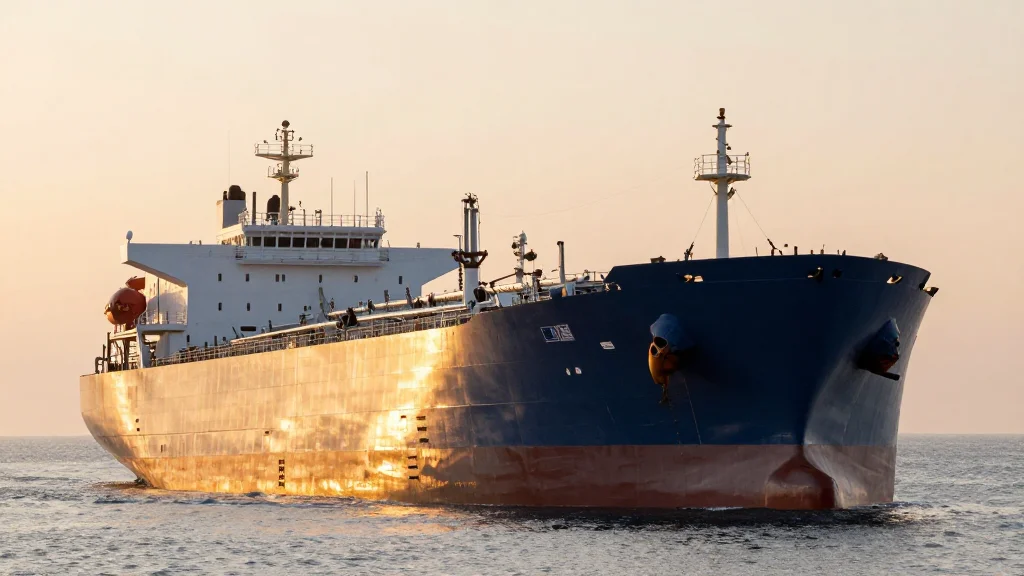
- •President Trump announced that China agreed to buy U.S. oil, promising Chinese tankers to Texas, Louisiana and Alaska.
- •The claim was made amid the Strait of Hormuz blockage, which currently restricts about 20% of global oil shipments.
- •West Texas Intermediate futures rose ~1.2% after the interview, reflecting market speculation on new demand.
- •Analysts cite legal complexities: U.S. sanctions on Chinese firms and Beijing’s “Blocking Rules” complicate any real trade.
- •No Chinese official confirmed the deal; the statement may be political signaling rather than a binding contract.
Pulse Analysis
Trump’s oil narrative is a classic example of political rhetoric intersecting with commodity markets. By positioning China as a new customer, the president attempts to reshape the narrative of U.S. energy dominance while deflecting criticism over rising gasoline prices. Historically, similar statements—such as the 2018 claim that Saudi Arabia would increase output for the United States—have produced short‑lived price spikes that faded once the underlying logistics proved uncertain. In this case, the absence of a formal agreement or disclosed volumes suggests the primary audience is domestic voters and market participants seeking reassurance.
The broader geopolitical context adds layers of risk. The United States is simultaneously tightening sanctions on Chinese entities linked to Iran, while Beijing is expanding its legal toolkit to protect domestic firms from U.S. extraterritorial measures. This tug‑of‑war creates a fragile environment where any genuine oil trade could be quickly undermined by regulatory retaliation. Moreover, the Hormuz blockade remains a potent lever for Iran; even a modest diversion of Chinese demand to U.S. crude would not erase the strategic value of the strait for Tehran.
Looking forward, the market will likely treat the claim as a conditional catalyst. Traders will monitor official statements from the U.S. State Department, the Chinese Ministry of Commerce, and shipping registries for evidence of actual cargo movements. If Chinese tankers begin loading U.S. crude, we could see a sustained uplift in U.S. export volumes and a modest easing of global oil tightness. Absent that, the episode may reinforce skepticism toward political pronouncements that lack concrete follow‑through, prompting investors to focus on more tangible supply‑side developments such as OPEC+ output decisions and U.S. strategic petroleum reserve releases.
Trump Claims China Will Purchase U.S. Oil Amid Strait of Hormuz Disruptions
Comments
Want to join the conversation?
Loading comments...