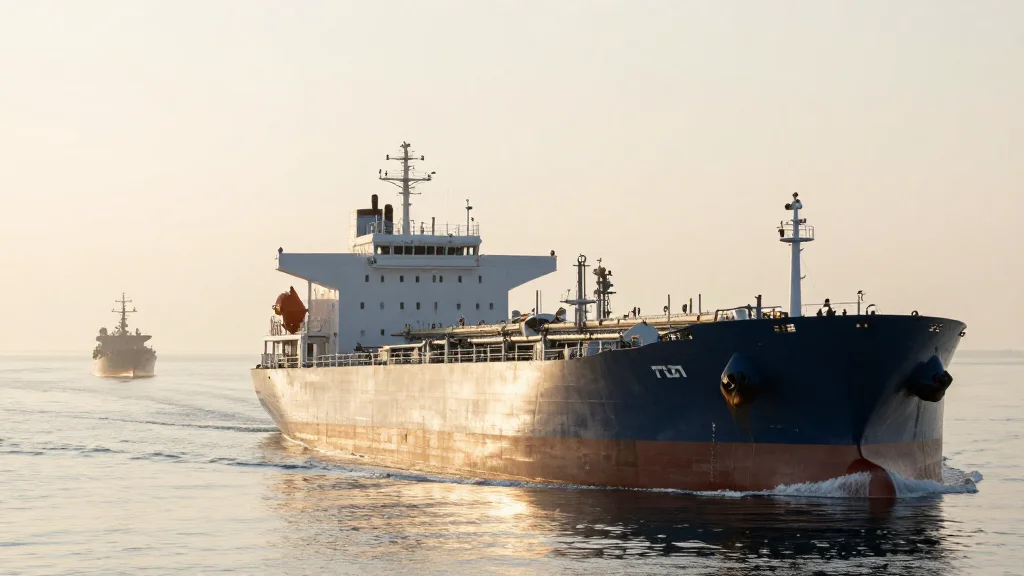
Trump Extends Iran Ceasefire While Keeping Hormuz Blockade, Sending Oil Prices Higher

Why It Matters
The Strait of Hormuz handles roughly a fifth of the world’s oil trade; any sustained disruption can instantly reverberate through global commodity markets, inflating prices and straining economies already coping with inflation. By shifting from kinetic warfare to an economic blockade, the United States is leveraging oil as a strategic lever, aiming to force political concessions from Tehran while avoiding further military casualties. However, the approach also risks collateral damage to global supply chains, potentially triggering a spike in energy costs that could dampen economic growth worldwide. European leaders’ warnings highlight the geopolitical fragility surrounding the Hormuz corridor. A prolonged standoff could draw in regional actors, destabilize shipping routes, and force multinational interventions that may reshape the balance of power in the Middle East. For investors and policymakers, the evolving dynamics underscore the need to monitor oil inventories, tanker movements, and diplomatic signals closely, as they will dictate market volatility and the broader economic outlook.
Key Takeaways
- •President Trump extended the Iran cease‑fire indefinitely while keeping the Hormuz naval blockade active.
- •The blockade has tightened Iran’s oil exports, contributing to a multi‑percent rise in Brent crude prices.
- •European FM Xavier Bettel warned the Hormuz crisis could trigger a "second Gaza" in Lebanon.
- •Several oil tankers have turned back or delayed loading due to the ongoing blockade.
- •Higher pump prices are already being felt in the United States as markets adjust to tighter supply.
Pulse Analysis
The decision to replace active air strikes with a maritime chokehold reflects a strategic pivot toward economic warfare, a playbook reminiscent of Cold‑War era blockades. By targeting Iran’s oil lifeline, Washington aims to extract political concessions without the domestic fallout of further casualties. Yet this tactic walks a tightrope: while it may degrade Tehran’s fiscal capacity, it also exposes global markets to supply shocks that can accelerate inflation, especially in energy‑dependent economies.
Historically, the Hormuz Strait has been a flashpoint for oil price spikes, as seen during the 2019 Gulf tensions when Brent surged above $80 per barrel. The current scenario mirrors those dynamics, but with a modern twist—U.S. policymakers are now leveraging a prolonged, indefinite blockade, effectively turning the waterway into a lever of sustained pressure. This could force Iran into a negotiating posture, but it also raises the risk of retaliatory attacks on shipping, which would exacerbate price volatility.
Looking ahead, the market’s reaction will hinge on three variables: the durability of the blockade, the willingness of OPEC+ to adjust output, and the diplomatic overtures from regional actors. If the blockade persists, we may see a further climb in oil prices, potentially breaching the $100‑per‑barrel threshold, which would reignite concerns about stagflation. Conversely, a diplomatic breakthrough that eases Hormuz tensions could quickly reverse the price gains, rewarding risk‑averse investors. Stakeholders should therefore monitor tanker traffic data, diplomatic statements from Tehran and Washington, and any EU‑led initiatives aimed at de‑escalation, as these will shape the commodity landscape in the coming months.
Trump Extends Iran Ceasefire While Keeping Hormuz Blockade, Sending Oil Prices Higher
Comments
Want to join the conversation?
Loading comments...