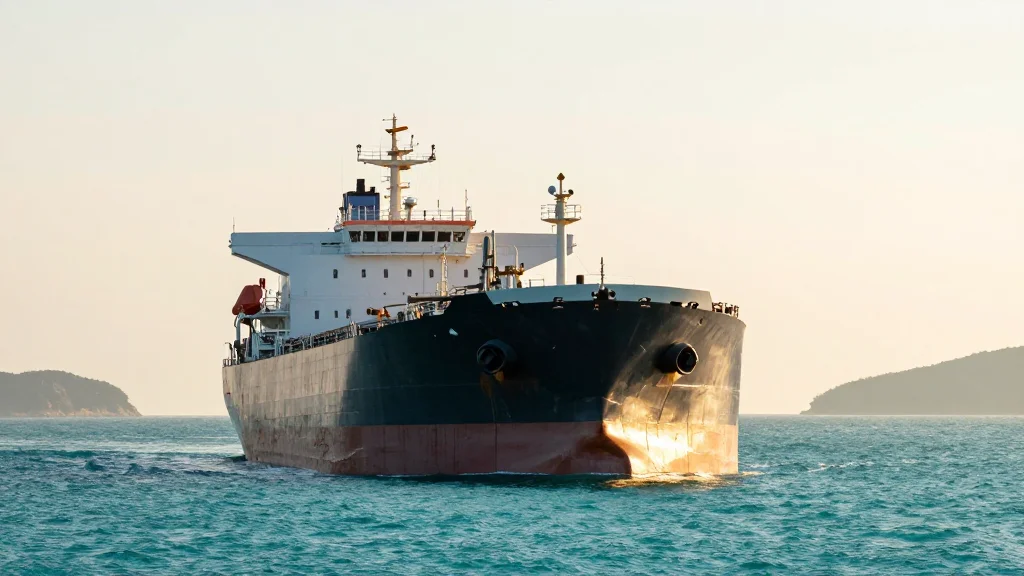
Trump's 'Project Freedom' Aims to Reopen Hormuz, Oil Prices Remain Flat

Why It Matters
The Strait of Hormuz handles roughly a fifth of global oil trade, so any disruption reverberates across the entire energy supply chain. Trump’s “Project Freedom” signals a willingness to intervene directly, potentially reshaping the risk premium that traders assign to Gulf‑sourced crude. Moreover, the OPEC+ decision to raise output by 188,000 barrels per day underscores the delicate balance between supply adjustments and geopolitical risk. Tightening jet fuel inventories in Europe add another layer of pressure, threatening airline operating costs and downstream pricing. If the plan succeeds in easing vessel movement, it could lower freight costs, improve refinery feedstock reliability, and dampen the geopolitical risk premium embedded in oil prices. Failure, however, would reinforce the perception of the Hormuz corridor as a chokepoint, keeping markets on edge and possibly prompting further strategic stockpiling by consuming nations.
Key Takeaways
- •President Trump unveiled "Project Freedom" to guide commercial ships through the Strait of Hormuz.
- •Oil prices dipped briefly after the announcement but closed the week steady.
- •OPEC+ pledged a 188,000‑b/d supply increase for June, with 55% from Gulf producers.
- •Speculators added 13,862 lots to net long positions in ICE Brent, totaling 383,205 lots.
- •European jet fuel inventories fell 34% since late February, hitting the lowest level since 2020.
Pulse Analysis
Trump’s unilateral approach to Hormuz reflects a broader trend of using strategic messaging to influence commodity markets without committing substantial military assets. Historically, U.S. naval escorts have been the primary deterrent against disruptions in the strait; by opting for a non‑escorted “Project Freedom,” the administration is testing whether diplomatic signaling alone can restore market confidence. The brief price dip suggests that traders remain skeptical, likely because the plan lacks enforcement mechanisms and because Iran’s outright rejection adds a layer of uncertainty.
The OPEC+ supply hike, announced concurrently, complicates the narrative. While the increase appears modest—less than 0.6% of global demand—it is heavily weighted toward producers whose output could be constrained by Hormuz bottlenecks. If the Hormuz corridor remains partially blocked, the intended supply boost may never materialize, effectively creating a supply‑demand mismatch that could reignite price volatility.
From a strategic standpoint, the convergence of geopolitical maneuvering and supply‑side adjustments highlights the fragility of the global oil market. Market participants are likely to hedge against further Hormuz‑related shocks by increasing long positions, as evidenced by the net long surge in ICE Brent. In the near term, the decisive factor will be whether the United States escalates its involvement—through escorts or diplomatic breakthroughs—or whether Iran’s resistance persists, keeping the Hormuz risk premium alive. Either scenario will shape oil price trajectories well into the summer demand season.
Trump's 'Project Freedom' Aims to Reopen Hormuz, Oil Prices Remain Flat
Comments
Want to join the conversation?
Loading comments...