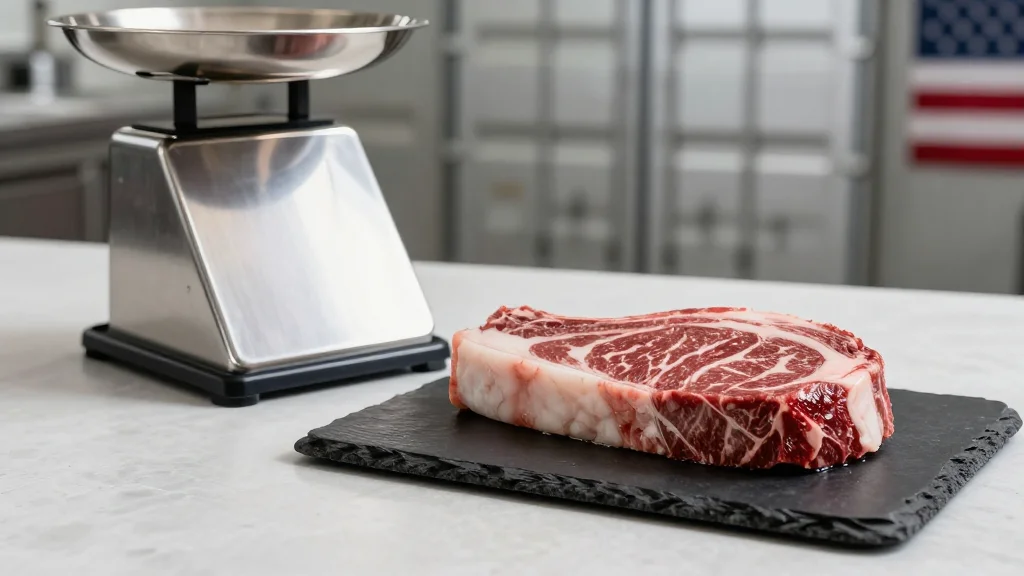
U.S. Beef Prices Hit Record Highs as Trump Team Delays Tariff Relief

Companies Mentioned
Why It Matters
The stalemate over beef tariffs highlights the fragile balance between trade policy and domestic price stability. With food inflation a key driver of overall consumer price index movements, any delay in tariff relief can ripple through the broader economy, affecting household budgets and political sentiment. Moreover, the decision signals how the Trump administration prioritizes short‑term market interventions versus longer‑term trade negotiations. For the livestock sector, unchanged tariffs preserve a protective barrier that shields U.S. producers from cheaper imports, but it also sustains higher input costs for feed and processing. The tension between protecting domestic agriculture and easing consumer price pressures could reshape future trade talks, influencing not only beef but other agricultural commodities subject to similar duties.
Key Takeaways
- •U.S. beef prices reached record highs as of May 2026.
- •The Trump administration paused a plan to suspend the 25% import tariff on beef.
- •Consumer groups and lawmakers are urging immediate tariff relief.
- •Goldman Sachs forecasts a potential 3% further price rise if tariffs stay unchanged.
- •Congressional hearings on beef tariffs are scheduled for early June 2026.
Pulse Analysis
The current impasse over beef tariffs is a textbook case of policy lag in a high‑inflation environment. Historically, tariff adjustments have been used as a lever to smooth price spikes, but the Trump administration’s cautious approach reflects a broader reluctance to alter trade frameworks without clear data. By keeping the 25% duty in place, the White House preserves a safety net for domestic producers, yet it also entrenches higher retail prices that feed into the overall CPI.
From a market perspective, the record‑high price point is likely to accelerate the shift toward alternative proteins, a trend already evident in grocery sales data. If the tariff remains static, producers may see a gradual erosion of market share to imported beef once the price gap narrows, especially if foreign suppliers can offer competitive pricing under different duty structures. This dynamic could pressure U.S. ranchers to adopt efficiency measures or diversify into value‑added products.
Looking ahead, the upcoming congressional hearings will be a litmus test for political will. Should lawmakers push for a swift tariff suspension, the administration may be forced to act, potentially triggering a short‑term price dip but also exposing domestic producers to increased competition. Conversely, a continued pause could cement higher price levels, feeding into broader inflation concerns and influencing the administration’s broader economic narrative. Stakeholders across the supply chain should monitor inventory reports, CPI releases, and legislative developments closely, as each will shape the next phase of the beef market’s volatility.
U.S. Beef Prices Hit Record Highs as Trump Team Delays Tariff Relief
Comments
Want to join the conversation?
Loading comments...