
Pancreatic Cancer Halted by Virus Injection in Three Patients
In a U.S. Phase 1 safety trial, an engineered oncolytic virus halted tumor growth and prevented spread in three pancreatic cancer patients. Researchers administered only one‑tenth of the intended therapeutic dose, yet observed clear disease control. Lead developer Masato Yamamoto highlighted the unexpected efficacy given the low dose. The early data suggest the viral platform could become a viable option for a disease with historically poor outcomes.
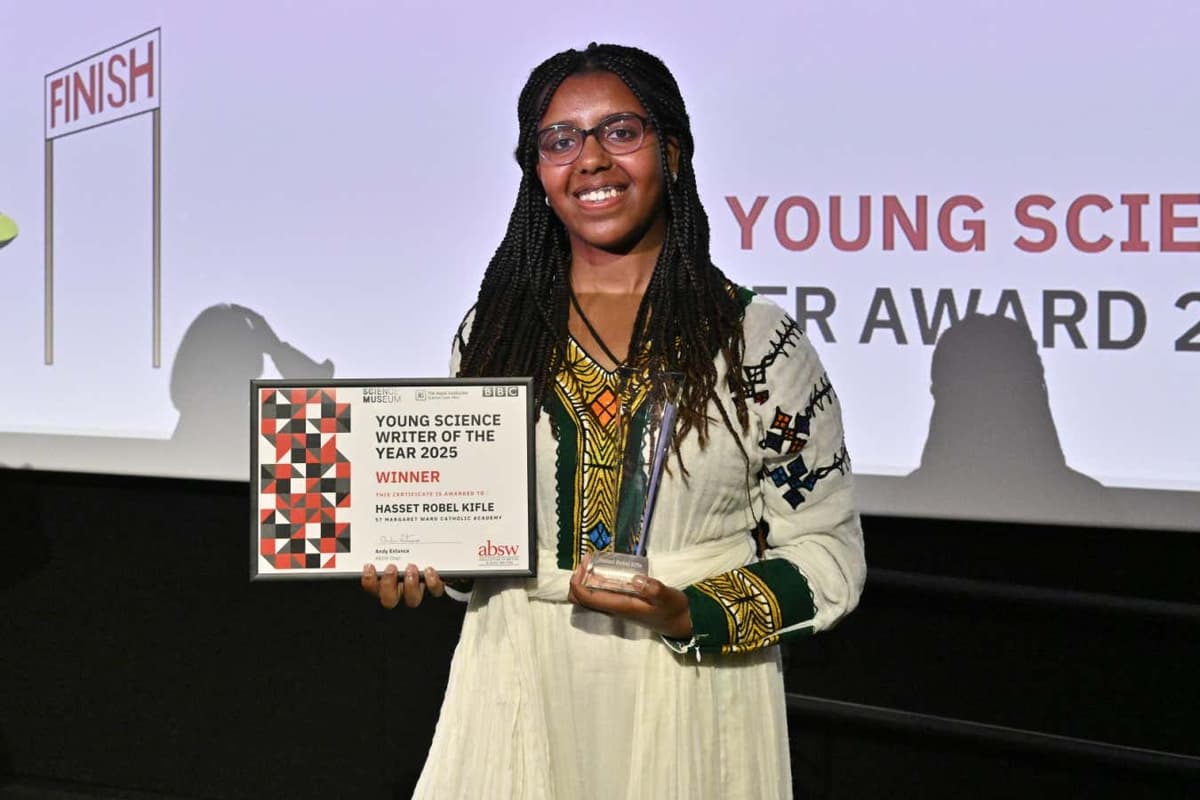
Read the Winner of This Year’s Young Science Writer Award
Seventeen‑year‑old Hasset Kifle won this year’s Young Science Writer Award for her investigative piece on “super shoes” reshaping elite running. She explains how carbon‑plate, foam‑filled footwear has slashed marathon times, with the top ten men’s and women’s performances all recorded...

Man Destined for Alzheimer's May Have Been Saved by Accidental Therapy
A U.S. mechanic with a hereditary Presenilin 2 mutation, which normally guarantees early‑onset Alzheimer’s, has so far avoided the disease. Researchers suspect his inadvertent exposure to extreme heat in ship engine rooms may have triggered protective biological responses. The case aligns...

Long Covid Reveals the Harm of One-Size-Fits-All Medical Treatment
New Scientist warns that standard exercise prescriptions for long‑COVID may exacerbate symptoms, causing muscle and cellular damage in some patients. The article also challenges blanket dietary advice, noting that keto diets can benefit certain mental‑health conditions while harming others. It...
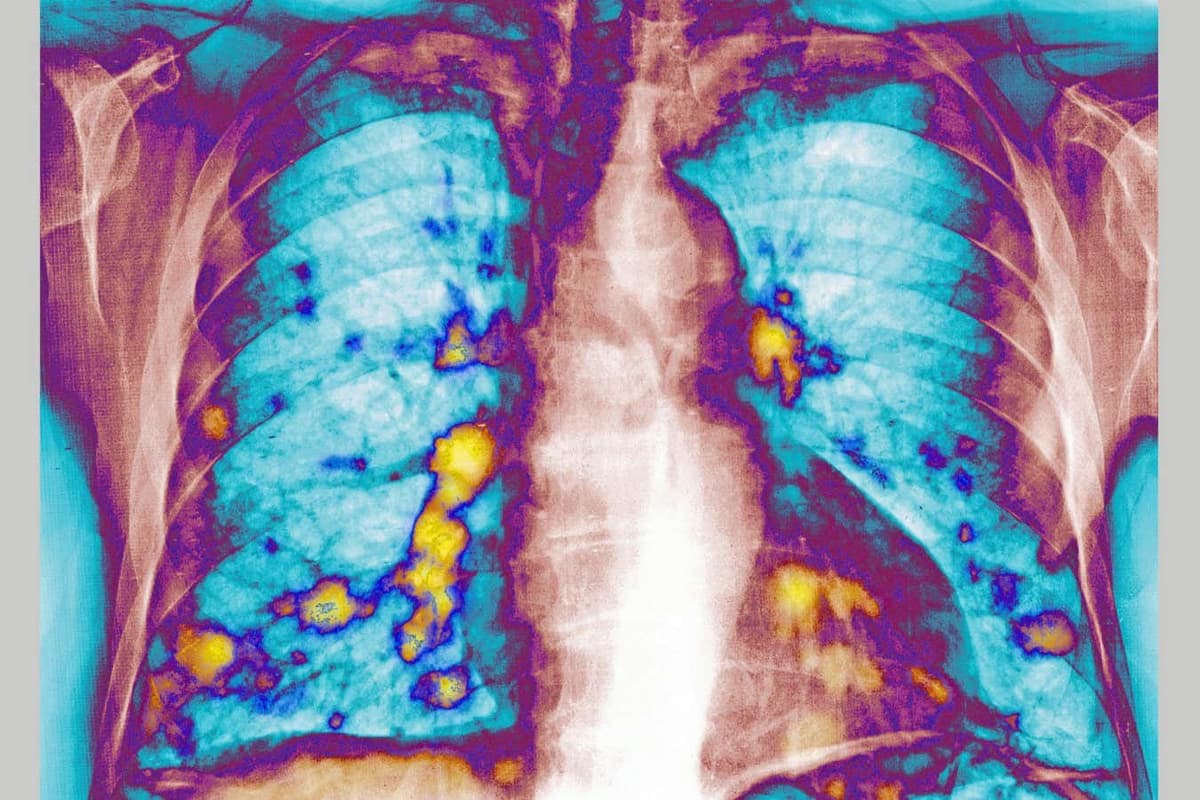
Catching a Cold Can Delay Cancer From Spreading to the Lungs
Researchers infected mice with respiratory syncytial virus (RSV), a ubiquitous cold‑causing pathogen, and observed a marked reduction in breast cancer metastasis to the lungs. The protective effect was traced to antiviral proteins that normally suppress viral replication, which also impeded...
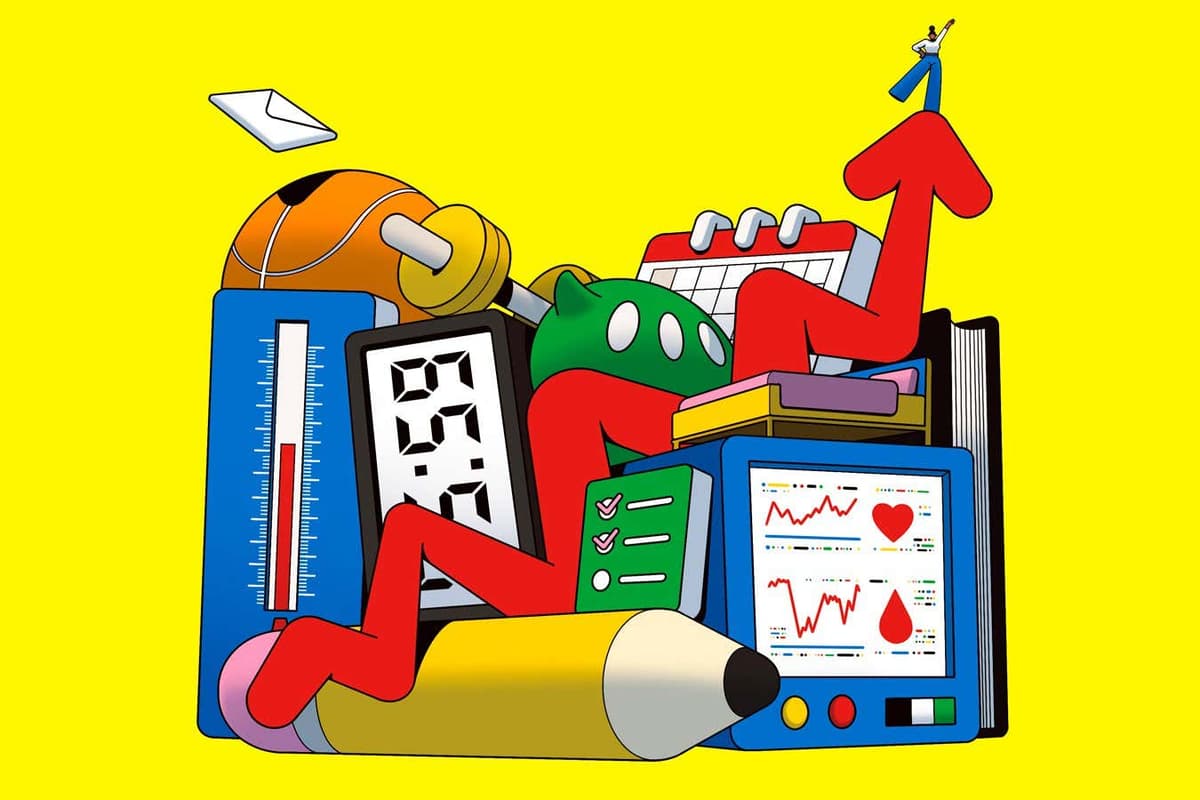
Why the Right Kind of Stress Is Crucial for Your Health and Happiness
The article argues that not all stress is harmful, distinguishing acute, chronic, physical and positive stressors. Emerging research shows brief, high‑intensity stress—often called eustress—can sharpen cognition, boost physical performance, and support immune function, while prolonged chronic stress undermines health. The...
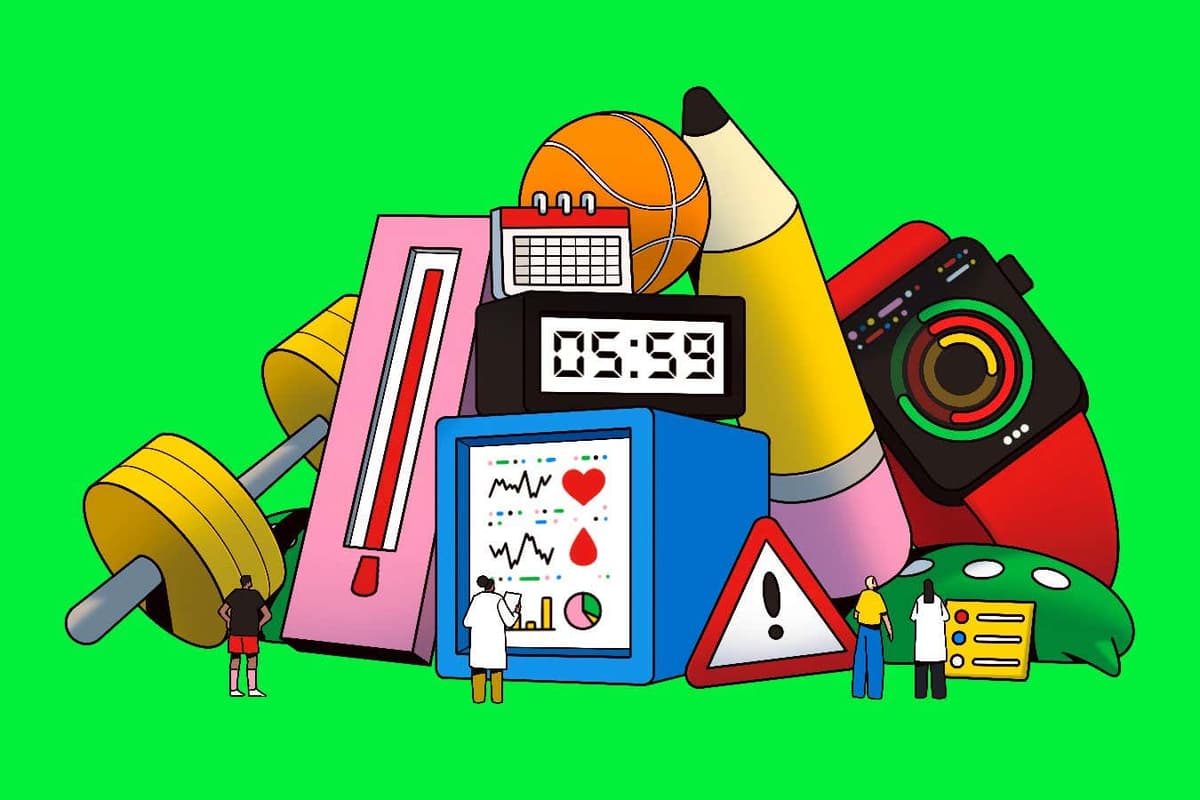
Can You Determine Your Personalised Stress Score?
Wearable devices are increasingly offering personalized stress scores by analysing heart‑rate and heart‑rate variability (HRV). A higher resting heart rate and reduced HRV typically signal elevated cortisol and adrenaline, indicating stress. While these metrics can flag patterns linked to specific...

Beef Is Making a Comeback – Does It Fit Into a Healthy Diet?
The USDA’s 2026 dietary guidelines have moved beef to the centerpiece of the food pyramid, signaling a major policy shift after decades of urging Americans to limit red meat. Consumption of beef is climbing in the United States, buoyed by...

Migraines Could Be Treated by Ramping up the Brain's Cleaning System
Researchers demonstrated that enhancing the brain's glymphatic waste‑clearance system can remove a migraine‑triggering chemical in mice, reducing facial pain symptoms. The approach repurposes a hypertension drug to boost clearance, offering a potential therapy for the one‑third of migraine sufferers who...

The Brain's Cleaning System Can Be Boosted to Rid Alzheimer's Proteins
Researchers identified a drug combination that enhances the brain's glymphatic system, improving clearance of Alzheimer‑related proteins. The regimen pairs a widely used sedative with a medication that prevents dangerously low blood pressure, showing safe and effective removal of amyloid and...

How Working Out Like an Astronaut Can Reduce Back Pain and Slow Ageing
Research on astronauts reveals that microgravity accelerates bone and muscle degradation, mirroring the physiological decline seen in aging adults. In orbit, astronauts lose up to 2 % of bone mass each month and see muscle strength drop 10 % within weeks, reaching...

Boosting the Blood-Brain Barrier Could Avert Brain Damage in Athletes
Repeated head impacts in contact sports have been linked to lasting damage of the blood‑brain barrier (BBB), a finding that may underlie chronic traumatic encephalopathy (CTE). Researchers scanned 47 retired athletes using an MRI contrast agent that only enters brain...

The Success of Machine Mathematicians Shows Us How to Be OK with AI
Mathematicians have long wrestled with computer‑generated proofs, beginning with the 1976 four‑colour theorem solution that relied on 60,000 lines of code. Over decades the community built confidence by pairing algorithmic output with rigorous verification tools, paving the way for today’s...

A Smartphone App Can Help Men Last Longer in Bed
A randomized 12‑week trial evaluated Melonga, a smartphone app that teaches pelvic‑floor, mindfulness and cognitive‑behavioural techniques to men with premature ejaculation. Among the 66 participants who completed the study, average intravaginal ejaculation latency rose from 61 seconds to 125 seconds,...

Parkinson's Disease May Reduce Enjoyment of Pleasant Smells
Scientists have found that people with Parkinson’s disease experience reduced enjoyment of pleasant odors such as lemon, indicating the world literally smells different for them. Loss of olfactory function affects 75‑90% of patients and often precedes motor symptoms by years,...