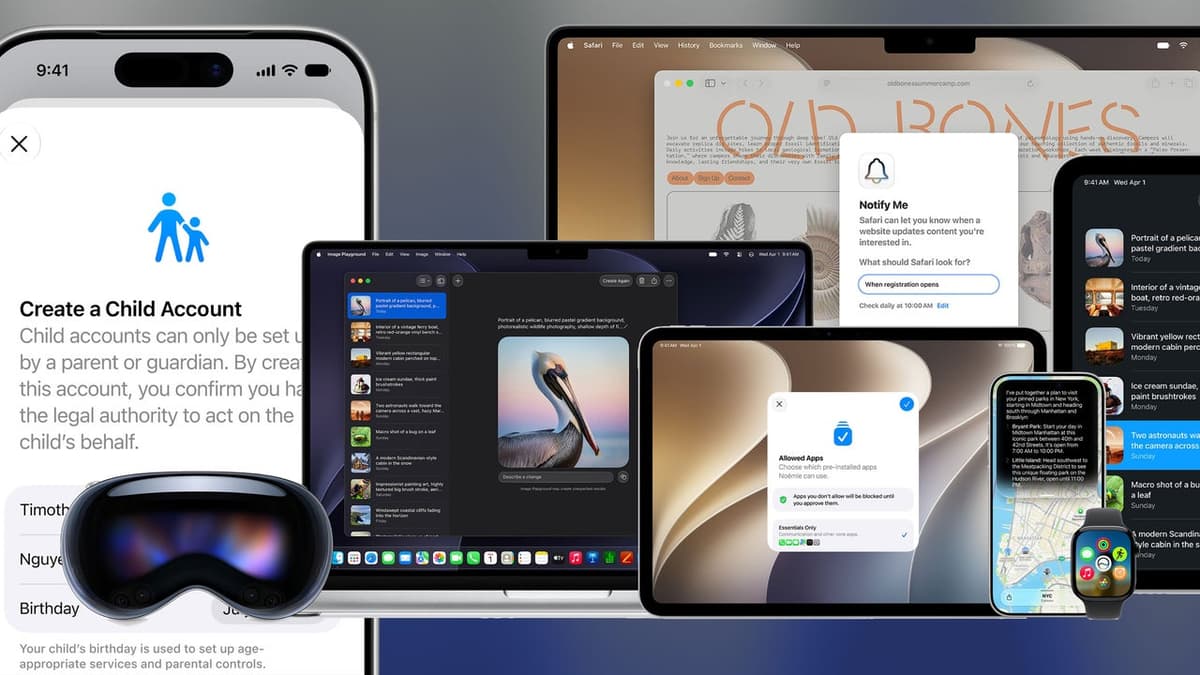
Apple Just Dropped These Three Hidden Clues About Where the Company Is Heading, Thanks to AI
Companies Mentioned

Why It Matters
Bundling AI with iCloud+ turns the technology into a recurring‑revenue driver, while hardware requirements could boost device sales; however, brand dissonance over AI‑generated content may risk Apple’s creative‑focused reputation.
Key Takeaways
- •Apple ties advanced AI usage to iCloud+ subscription tiers.
- •AI features need iPhone 17 Pro, M4 iPad, M3 Mac.
- •Hardware limits aim to drive upgrades among existing users.
- •Apple’s AI tools clash with its creative‑focused brand image.
Pulse Analysis
Apple entered the 2024‑25 AI race from a position of financial strength, unlike pure‑play AI firms that still burn cash. By attaching higher daily limits for image generation, voice customization and other Siri‑based capabilities to iCloud+ plans, the Cupertino giant converts compute costs into incremental subscription income. This mirrors Google’s approach of subsidising AI with its advertising empire, but Apple can leverage its already lucrative services segment—currently generating over $80 billion annually—to offset substantial GPU and data‑center expenses. The move signals that AI will become a core pillar of Apple’s services growth.
The keynote also made clear that Apple intends to use AI as a catalyst for hardware turnover. On‑device models that run locally without cloud latency demand the latest silicon, and Apple listed the iPhone 17 Pro, iPhone Air, iPad models with an M4 chip and Macs with M3 processors and at least 12 GB of RAM as the minimum platforms. By restricting full‑feature AI to these devices, Apple creates a functional incentive for owners of three‑year‑old iPhones or older Macs to upgrade, potentially adding billions to its hardware pipeline.
Yet the rollout exposes a tension between Apple’s creative‑first brand and the spread of AI‑generated “slop.” The company showcased Image Playground’s photorealistic output while simultaneously proclaiming respect for photography, a juxtaposition that could alienate professional creators who feel threatened by generative tools. As backlash against AI‑driven content intensifies, Apple will need clear ethical guidelines or watermarking to preserve its reputation for empowering artists. Balancing monetisation with authenticity will shape consumer trust and could influence the broader tech industry’s approach to generative AI.
Apple just dropped these three hidden clues about where the company is heading, thanks to AI
Comments
Want to join the conversation?
Loading comments...