Microsoft Launches Project Solara, an Android‑based OS for AI‑agent‑first Devices

Companies Mentioned


Why It Matters
Project Solara could reshape the consumer‑tech supply chain by moving the point of interaction from apps on phones and PCs to purpose‑built devices that host AI agents. This reorientation may accelerate the adoption of AI in the workplace, reduce reliance on traditional software licensing models, and open new revenue streams for OEMs that can bundle agent capabilities with hardware. For consumers, the ripple effect could be a proliferation of smart accessories—badges, glasses, rings—that feel less like gadgets and more like extensions of a personal AI assistant. The shift also raises privacy and security considerations, as agents will have continuous access to sensors, identity data and corporate networks, making robust management tools essential.
Key Takeaways
- •Microsoft unveiled Project Solara, an Android‑derived OS for AI agents, at Build 2026.
- •Solara runs on the Microsoft Device Ecosystem Platform (MDEP) with enterprise‑grade security and management.
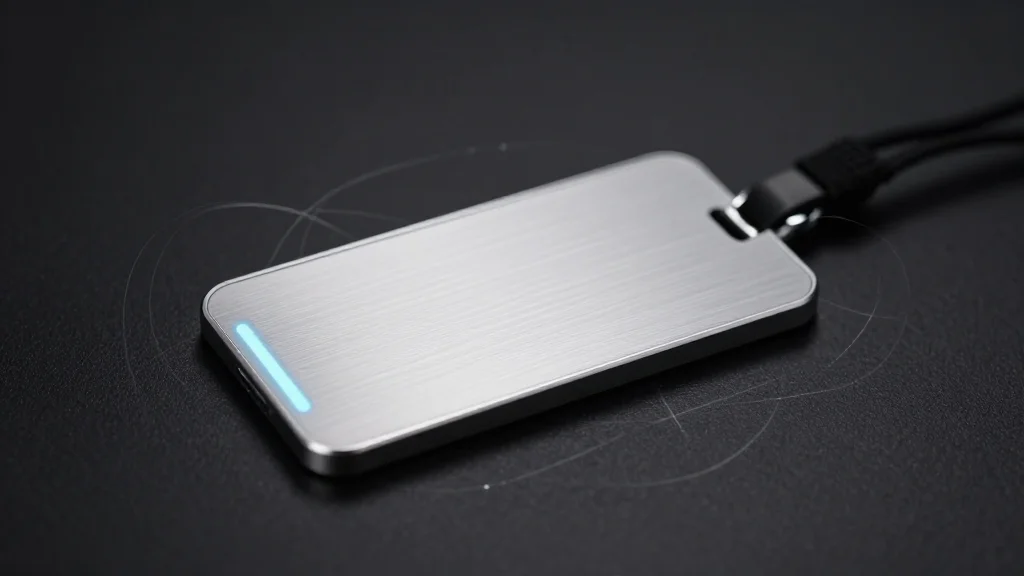
- •Two reference devices—a desk hub and a wearable badge—are being piloted with Best Buy, CVS Health, Levi’s and Target.
- •Stevie Bathiche said, “Boundaries are collapsing,” and “Agents will reshape not only software, but the devices themselves.”
- •The platform pits Microsoft against Google, Amazon and OpenAI in the emerging AI‑agent hardware race.
Pulse Analysis
Microsoft’s launch of Project Solara is a strategic pivot that leverages its deep enterprise relationships while acknowledging the limits of Windows on ultra‑low‑power form factors. By building on Android’s open‑source base, Microsoft gains immediate access to a mature driver ecosystem, allowing rapid prototyping of niche devices that would be costly to develop on a proprietary stack. This pragmatic choice mirrors Google’s own strategy of layering services on Android, but Microsoft differentiates itself with a focus on agent‑centric interactions and tight integration with Azure AI services.
Historically, platform wars have been won by the ability to lock in developers and hardware partners. In the 1990s, Microsoft’s Windows dominance stemmed from a massive app ecosystem; today, the battleground is shifting to AI agents that can abstract away the need for individual apps. If Solara can deliver a compelling SDK that lets third‑party developers create agents that seamlessly span devices, Microsoft could establish a new kind of lock‑in—one based on data pipelines, identity management and enterprise policy compliance rather than on app binaries.
The biggest risk lies in market fragmentation. Enterprises may be hesitant to adopt a brand‑new OS for mission‑critical tasks without clear evidence of long‑term support and a robust partner ecosystem. Moreover, Google’s Android dominance and Amazon’s Alexa hardware lead could dilute Solara’s appeal unless Microsoft can demonstrate unique value, such as tighter integration with Microsoft 365, Teams and Azure security. The upcoming pilot results will be a litmus test: strong productivity gains could accelerate broader rollout, while tepid adoption may relegate Solara to a niche experiment. Either way, the announcement forces the entire consumer‑tech industry to reckon with a future where agents, not apps, drive device design.
Microsoft launches Project Solara, an Android‑based OS for AI‑agent‑first devices
Comments
Want to join the conversation?
Loading comments...