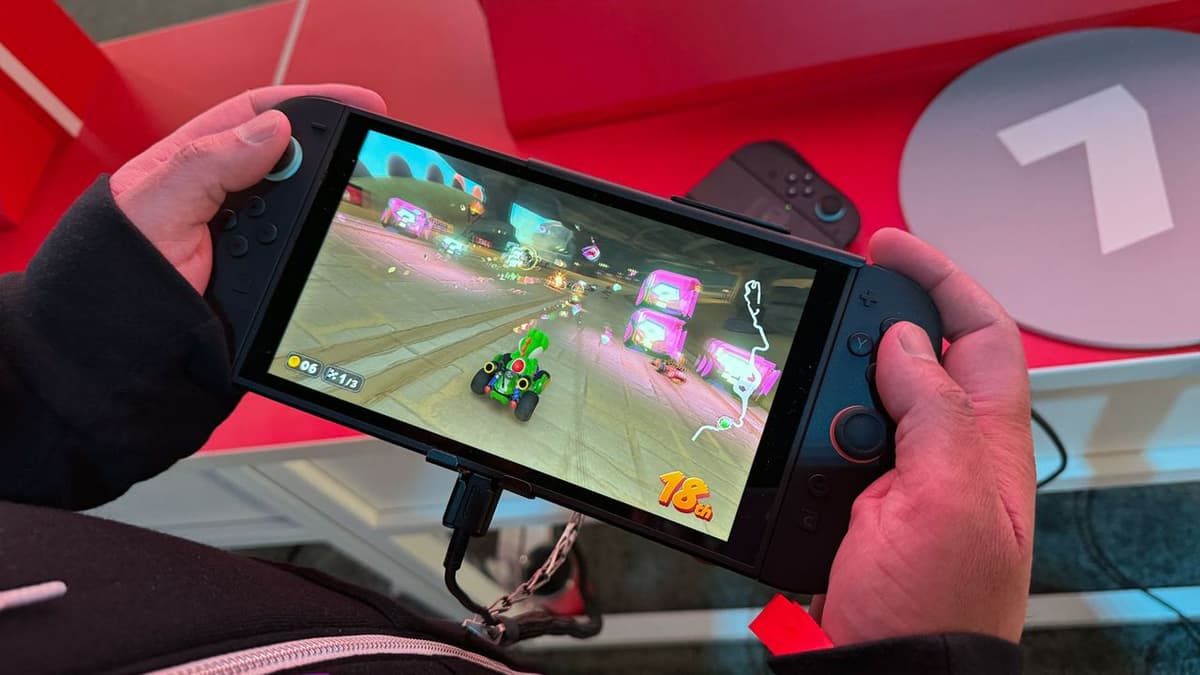
Nintendo Switch 2 Users Buying Fewer Games because of AI Storage Crisis, Report Claims — Game Demand Under Threat as Titles Get Bigger and Storage Gets More Expensive
Companies Mentioned
Why It Matters
Reduced game purchases erode Nintendo’s primary revenue stream, jeopardizing profitability as hardware margins remain razor‑thin. The storage crunch could also signal broader challenges for handheld gaming ecosystems.
Key Takeaways
- •Switch 2 average games per console dropped to 2.18
- •Game sizes now exceed 100 GB, filling storage fast
- •256 GB internal storage limits user purchases without microSD
- •MicroSD Express cards cost $115-$220, discouraging upgrades
- •Nintendo's profit relies heavily on software sales margins
Pulse Analysis
The current AI‑driven semiconductor shortage has pushed NAND flash prices to multi‑year highs, directly inflating the cost of both built‑in and expandable storage for consumer electronics. Nintendo’s Switch 2, while more powerful than its predecessor, retains a modest 256 GB internal drive. Modern AAA titles now routinely exceed 100 GB, a stark contrast to the 2‑5 GB games of the original console generation. This mismatch forces users to confront a storage dilemma: either limit their library or invest in premium microSD Express cards whose prices have surged by 15‑20 percent since 2025.
Consumer behavior reflects this pressure. Bloomberg’s analysis shows the average Switch 2 owner now buys just over two games, a steep decline from the nearly four‑game average on the original platform. The high cost of external storage—$115 for 512 GB and $220 for 1 TB cards—creates a financial barrier that discourages impulse purchases. Since Nintendo’s hardware is sold at near‑cost, the company leans heavily on software margins to sustain profitability. A slowdown in game sales therefore tightens overall earnings, prompting concerns among investors about the sustainability of Nintendo’s current business model.
The storage crunch may catalyze strategic shifts across the handheld market. Competitors could prioritize larger internal SSDs or adopt cloud‑gaming solutions to offload data demands, while Nintendo might explore bundled storage bundles or a revised pricing structure for microSD accessories. Additionally, developers may be incentivized to compress assets or adopt modular download models to reduce footprint. How Nintendo navigates these pressures will shape not only its own revenue trajectory but also the broader dynamics of portable gaming in an era of ever‑expanding game sizes.
Nintendo Switch 2 users buying fewer games because of AI storage crisis, report claims — game demand under threat as titles get bigger and storage gets more expensive
Comments
Want to join the conversation?
Loading comments...