Smart Home Global Forecast Report 2026-2032: $95+ Billion Market Driven by Ongoing Advancements in AI- and Voice-Enabled Smart Home Solutions
Companies Mentioned

Why It Matters
The forecast signals a sizable, sustained revenue stream for manufacturers, retailers, and service providers, prompting strategic investments in AI, IoT, and channel‑direct models. Companies that lock in early leadership in smart‑kitchen and voice‑enabled solutions stand to capture disproportionate market share.
Key Takeaways
- •Smart home market to hit $139.24 B by 2032, 6.4% CAGR
- •Smart kitchens forecast fastest segment growth
- •Direct‑sales channels will dominate market share in 2032
- •North America remains largest regional market through 2026
- •AI and voice integration drive consumer adoption
Pulse Analysis
The smart‑home sector is entering a period of robust expansion, with the 2026‑2032 forecast indicating a $43.4 billion uplift. This trajectory is underpinned by universal broadband rollout, falling sensor costs, and consumer appetite for energy‑efficient, secure living spaces. AI analytics and voice assistants are no longer niche add‑ons; they are becoming core to the user experience, enabling real‑time monitoring, predictive maintenance, and seamless device orchestration across households.
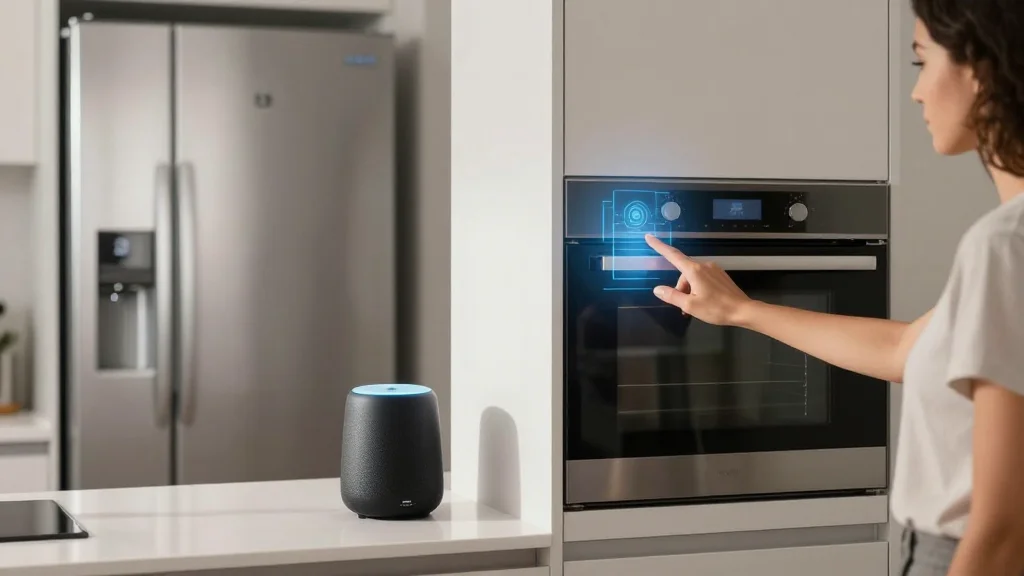
Within the broader market, the smart‑kitchen niche is poised to outpace other categories. Connected appliances—refrigerators, ovens, and dishwashers—are integrating voice commands and energy‑saving algorithms, delivering tangible utility that resonates with time‑pressed, eco‑conscious consumers. Simultaneously, direct‑sales models, ranging from brand‑owned e‑stores to exclusive showrooms, are gaining traction by offering bundled installation, warranty, and after‑sales support, thereby reducing friction and enhancing brand loyalty. North America’s lead reflects its mature broadband ecosystem and the presence of tech giants that set industry standards.
Competitive dynamics are intensifying as incumbents like Amazon, Apple, and Siemens double down on ecosystem lock‑in, while traditional hardware firms such as Johnson Controls and Schneider Electric diversify into software‑centric services. Challenges remain—high upfront costs, data‑privacy concerns, and interoperability hurdles could temper adoption rates. Yet regulatory pushes for green building standards and the emergence of power‑line communication present fresh avenues for differentiation. Stakeholders that invest in open standards, robust security frameworks, and integrated AI‑voice platforms will be best positioned to capture the expanding $139 billion opportunity.
Smart Home Global Forecast Report 2026-2032: $95+ Billion Market Driven by Ongoing Advancements in AI- and Voice-Enabled Smart Home Solutions
Comments
Want to join the conversation?
Loading comments...