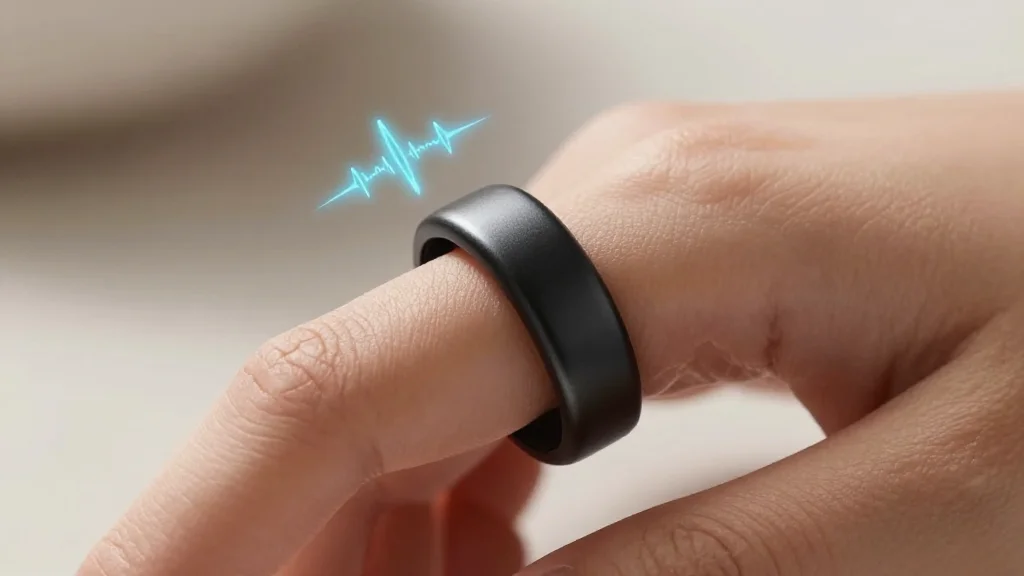
Wearables Aim to Predict Disease Risk as AI Models Gain Traction

Companies Mentioned
Why It Matters
Predictive wearables could democratize early disease detection, traditionally the domain of costly clinical tests. By flagging risk factors such as hypertension or impending cardiac events, devices like Oura’s ring and Whoop’s band may enable users to seek medical care sooner, potentially reducing hospitalizations and healthcare costs. The convergence of AI, affordable sensor hardware and massive user data sets also creates a new competitive frontier. Companies that master accurate, privacy‑preserving predictions stand to capture a larger share of the $90 billion wearable market, while regulators grapple with how to certify consumer devices that make medical‑grade claims.
Key Takeaways
- •Oura Health’s AI model aims to predict heart attacks, strokes and hypertension years in advance.
- •Fitbit Air launches at $99.99, offering AI‑driven health alerts without a mandatory subscription.
- •Whoop, valued at $10.1 billion, promises 15‑minute heart‑attack warnings using its wristband.
- •Smart‑ring market reached $519 million in 2026, growing 29% annually; 58% of users now prefer rings over watches.
- •Regulators face pressure to define wearables that provide diagnostic‑level alerts as medical devices.
Pulse Analysis
The current wave of AI‑enhanced wearables represents a strategic pivot from pure fitness tracking to a hybrid health‑tech model that blurs the line between consumer gadget and clinical tool. Historically, wearables have struggled to monetize beyond subscription services for coaching and data storage. By embedding predictive analytics that can flag serious conditions, manufacturers are creating a new value proposition: risk mitigation. This could unlock premium pricing, insurance partnerships, and enterprise wellness contracts, fundamentally altering revenue streams.
However, the rush to market carries significant risk. Predictive algorithms trained on user‑generated data may suffer from bias, limited generalizability and false‑positive alerts that erode trust. Companies like Oura that rely on voluntary data sharing must balance model accuracy with stringent privacy safeguards to avoid regulatory backlash. Moreover, the competitive landscape is fragmenting—smart rings, wristbands, and screen‑less trackers each claim unique advantages, but consumer confusion may dilute adoption unless clear standards emerge.
Looking ahead, the most successful players will likely be those that can demonstrate clinically validated outcomes, secure regulatory clearance, and integrate seamlessly with healthcare ecosystems. Partnerships with hospitals, insurers and electronic health‑record platforms could turn a $99.99 band into a reimbursable diagnostic aid. If the industry can navigate these hurdles, predictive wearables could become a cornerstone of preventive medicine, shifting billions of dollars from treatment to early intervention.
Wearables Aim to Predict Disease Risk as AI Models Gain Traction
Comments
Want to join the conversation?
Loading comments...