Alaska Air CCO Andrew Harrison Drives Premium Sales Push as Q1 Revenue Climbs 5%

Companies Mentioned

Alaska Air Group Inc.
Why It Matters
The CCO’s premium‑centric sales plan signals a shift in how legacy carriers are extracting value from a post‑pandemic travel rebound. By prioritizing higher‑margin seats and leveraging loyalty data, Alaska Air aims to offset rising fuel costs and thin profit margins that have plagued the industry. The network expansions to key European hubs also diversify revenue streams, reducing reliance on domestic traffic that remains volatile. For revenue leaders across the airline sector, Alaska Air’s approach offers a blueprint for balancing growth with cost pressures. The integration of a single passenger service platform and the aggressive rollout of premium retrofits illustrate how operational improvements can directly support commercial objectives, a lesson that COO and CCO peers will watch closely as they chart their own post‑fuel‑crisis strategies.
Key Takeaways
- •Alaska Air Q1 revenue rose 5% to $3.3 bn on 1.7% capacity growth
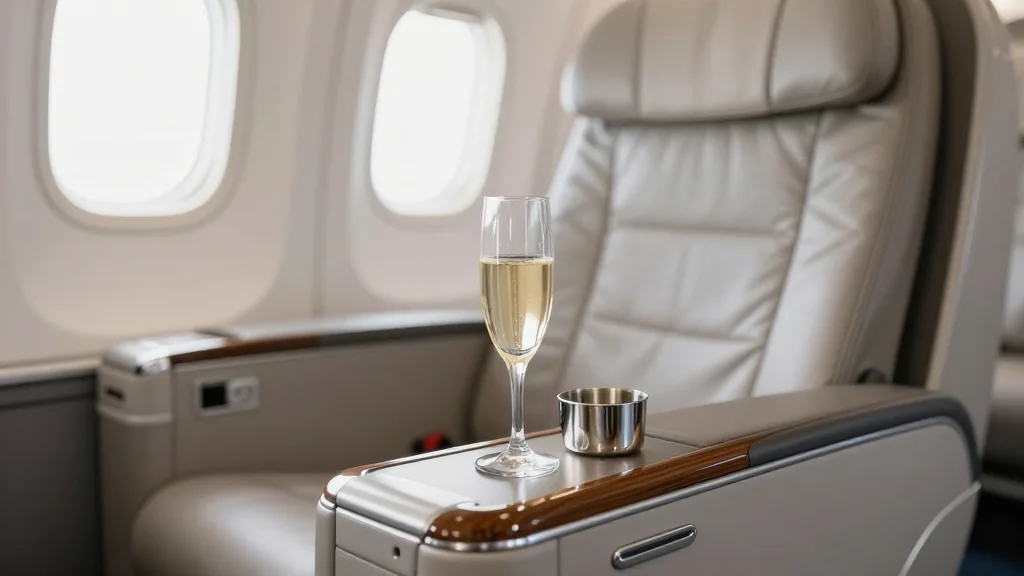
- •Premium demand up 8%; 90% of 737 fleet premium retrofits completed
- •Managed corporate travel revenue surged 19% and Atmos membership grew 13%
- •Fuel costs projected to add $600 m expense in Q2, prompting guidance suspension
- •New routes to Rome, London, Reykjavik launched; Seattle–Tokyo reached profitability
Pulse Analysis
Alaska Air’s Q1 results underscore a broader industry pivot toward premiumization as a hedge against cost volatility. The carrier’s ability to generate incremental profit from 1.3 million new premium seats demonstrates that airlines can capture higher yields without relying solely on volume growth, a strategy that may become a standard playbook as fuel prices remain unpredictable. Moreover, the successful integration of a single passenger service system reduces operational friction, enabling the commercial team to deliver a more seamless booking experience that can drive loyalty and ancillary revenue.
However, the suspension of full‑year guidance highlights the fragility of this model. While premium seats offer higher margins, they also depend on sustained demand from business and affluent leisure travelers—segments that are still sensitive to macro‑economic headwinds. Competitors such as United and Delta are also accelerating premium cabin upgrades, intensifying price competition. Alaska Air’s next test will be whether its network expansion to Europe can generate sufficient traffic to justify the added capacity and whether the anticipated cost reductions from system integration will materialize quickly enough to offset the fuel shock.
For senior revenue and operations executives, the Alaska Air case illustrates the delicate balance between aggressive growth initiatives and risk management. The CCO’s focus on premium sales, loyalty program monetization, and strategic route additions provides a template for driving top‑line growth, but the CFO’s cautionary note on fuel volatility serves as a reminder that any upside must be weighed against the potential for cost overruns. The coming quarters will reveal whether this dual‑track approach can deliver sustainable earnings in an environment where both demand and input costs remain in flux.
Alaska Air CCO Andrew Harrison drives premium sales push as Q1 revenue climbs 5%
Comments
Want to join the conversation?
Loading comments...