Etihad Airways Adds Five China Cities and 28 Weekly Flights, Boosting UAE‑China Corridor

Companies Mentioned
Why It Matters
The expansion marks one of the largest single‑market capacity increases for Etihad in recent years, signaling a strategic pivot toward the high‑growth China corridor. For COOs, the rollout tests the limits of network planning, crew management, and joint‑venture coordination, offering a real‑time case study in scaling operations across multiple new hubs. Success could set a benchmark for other carriers seeking to deepen Asian ties while navigating the complexities of multi‑partner airline alliances. Beyond Etihad, the move highlights the growing importance of the UAE as a logistics hub linking China’s manufacturing heartland with markets in the Middle East, Africa and Europe. Strengthened air freight capacity supports global supply‑chain resilience, while increased passenger connectivity fuels tourism and business travel, contributing to broader economic diversification goals for both regions.
Key Takeaways
- •Etihad launches five new mainland China destinations: Shanghai, Guangzhou, Chengdu, Hangzhou, Shenzhen.
- •28 additional weekly flights raise Etihad's China schedule to 35 weekly services across six cities.
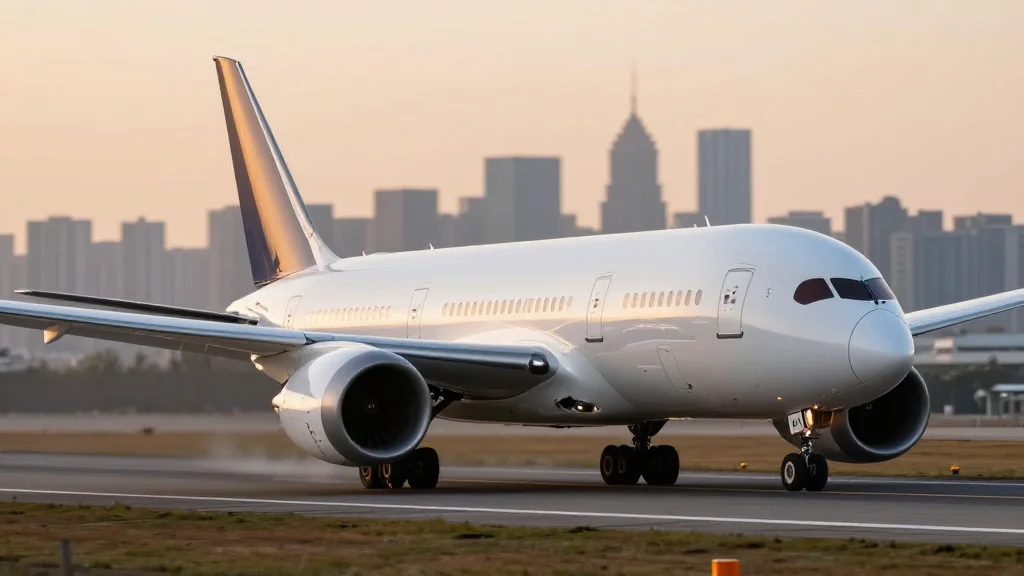
- •All new routes will be operated with Boeing 787‑9 Dreamliners (28 Business, 262 Economy seats).
- •Joint venture with China Eastern Airlines coordinates passenger services; cargo JV with SF Airlines expands freight capacity.
- •COOs must manage crew scheduling, maintenance, and slot allocation across five new airports while maintaining on‑time performance.
Pulse Analysis
Etihad’s aggressive China push reflects a calculated bet on the UAE‑China trade axis, which has accelerated as both economies seek diversification away from traditional Western markets. By leveraging the Dreamliner’s range and cabin flexibility, Etihad can offer premium products on routes that blend business, tourism and cargo demand. The joint‑venture model reduces market entry risk but also introduces coordination overhead that will test the airline’s operational agility.
From a competitive standpoint, the move pits Etihad against other Gulf carriers—Emirates, Qatar Airways, and Turkish Airlines—that have long dominated the China corridor. Etihad’s differentiation lies in its focused frequency increase and the integration of cargo services through SF Airlines, potentially capturing high‑value freight that rivals have overlooked. The success of this strategy will hinge on the airline’s ability to fill the added seats, especially in the Business class segment, and to translate cargo capacity into profitable yields.
Looking forward, the expansion could serve as a template for other carriers aiming to scale quickly in high‑growth markets. COOs will likely scrutinise Etihad’s performance data to gauge the feasibility of similar joint‑venture‑driven network expansions. If the new routes achieve strong load factors and on‑time metrics, we may see a wave of comparable partnerships across the Middle East and Asia, reshaping the competitive dynamics of long‑haul aviation and reinforcing the UAE’s role as a global connectivity hub.
Etihad Airways adds five China cities and 28 weekly flights, boosting UAE‑China corridor
Comments
Want to join the conversation?
Loading comments...