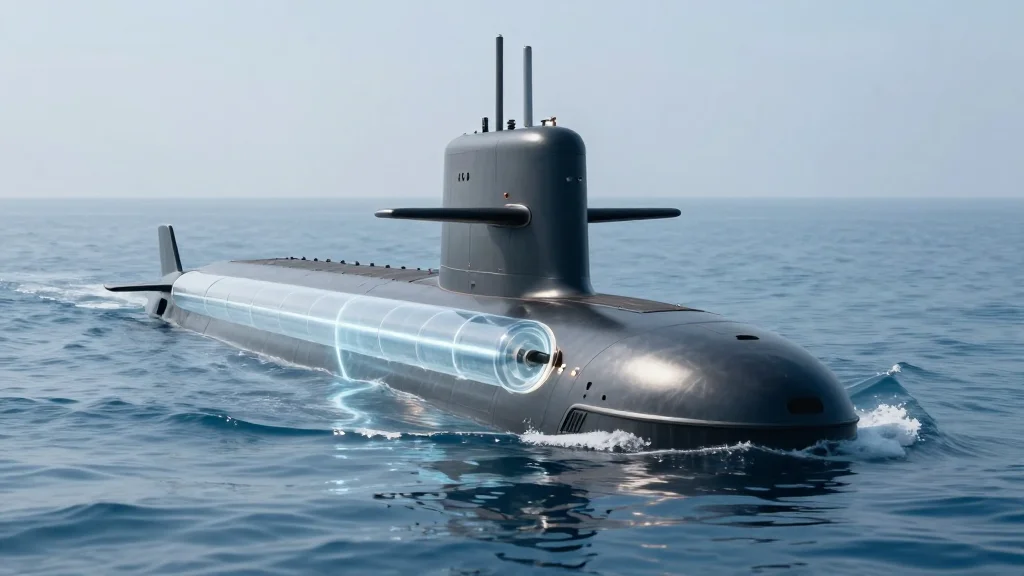
Peloton COO Deploys Navy‑Inspired "Glass Pipeline" To Reinforce Supply‑Chain Resilience

Companies Mentioned
Why It Matters
The Peloton case spotlights a shift in COO priorities from pure cost‑cutting to building resilient, transparent operations. By translating a Navy logistics model into a corporate setting, Kirol demonstrates how real‑time visibility can preempt supply‑chain disruptions that have plagued many post‑pandemic firms. For the COO Pulse audience, the approach offers a concrete blueprint for rebalancing efficiency with risk mitigation, a balance that could define the next wave of operational leadership. Moreover, Kirol’s critique of “silos of excellence” challenges entrenched performance cultures. If other CEOs adopt fleet‑wide reward systems, the industry may see a broader move toward collaborative accountability, potentially reshaping talent management, budgeting, and strategic planning across sectors that depend on complex supply networks.
Key Takeaways
- •Peloton COO Kevin Kirol, former Navy nuclear‑submarine commander, introduced the "glass pipeline" at Fortune COO Summit
- •"Efficiency without resilience is just a fast way to fail," Kirol warned, citing Navy logistics
- •Peloton cut $800 million in costs and laid off 2,800 workers after founder John Foley's 2022 exit
- •Successor Barry McCarthy reduced workforce by another 15 % in 2024 before Peter Stern appointed Kirol as COO in 2025
- •Kirol urged firms to replace "silos of excellence" with "fleets of resilient teams"
Pulse Analysis
Kirol’s Navy‑inspired framework arrives at a moment when supply‑chain fragility is a board‑level agenda. Traditional models that prioritize lean inventories and just‑in‑time delivery have proven brittle under tariff spikes and geopolitical unrest. By making inventory data visible to every operational layer, the glass pipeline reduces information latency, a factor that historically turns minor shortages into costly stockouts. This mirrors a broader industry trend where digital twins and AI‑driven monitoring are becoming standard, yet Kirol’s emphasis on human‑driven empowerment differentiates his approach from purely algorithmic solutions.
The cultural shift away from “silos of excellence” could also have ripple effects on talent retention and innovation. When teams are evaluated on collective resilience, cross‑functional collaboration intensifies, potentially accelerating product cycles and improving customer experience. However, the transition may encounter resistance from entrenched departmental leaders accustomed to top‑down control. COOs who emulate Kirol will need to redesign performance metrics, align compensation, and invest in training to ensure that frontline staff can interpret and act on real‑time data without creating new bottlenecks.
Looking ahead, the success of Peloton’s glass pipeline will likely be measured by its impact on inventory turnover, order‑to‑delivery times, and ultimately, revenue recovery. If the model delivers measurable risk reduction, it could set a new benchmark for operational excellence, prompting other consumer‑goods and technology firms to adopt similar transparency‑first strategies. The next earnings season will be a litmus test for whether this Navy‑derived playbook can translate into sustainable financial performance.
Peloton COO Deploys Navy‑Inspired "Glass Pipeline" to Reinforce Supply‑Chain Resilience
Comments
Want to join the conversation?
Loading comments...