
Alan Bamberger
Art consultant, advisor, and appraiser; shares practical guidance for artists and collectors, with regular reflections on studio practice and the art market.
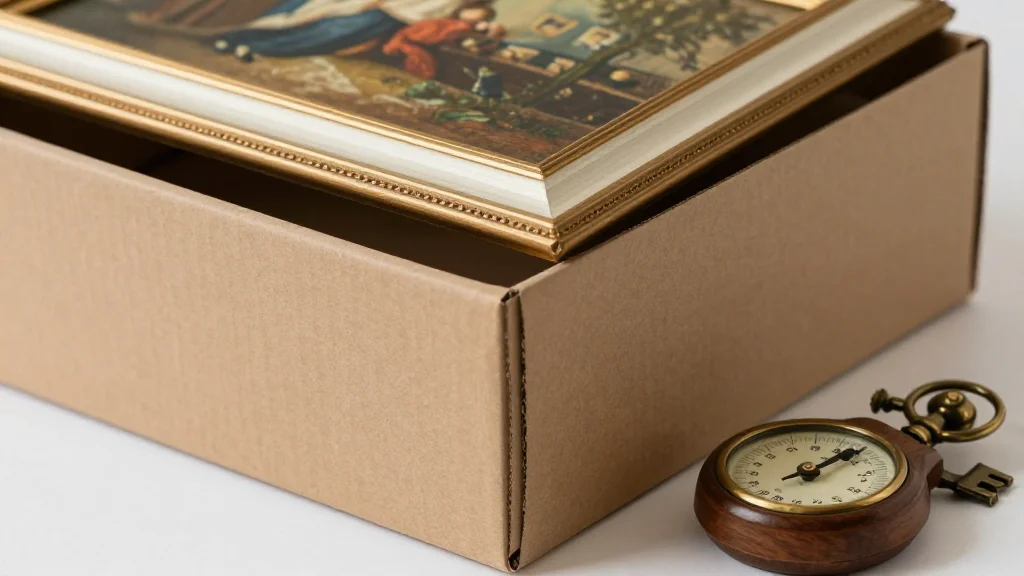
Timeless eBay Selling Tips Apply to Any Marketplace
Here's an article written for my website years ago by an old-school cigar memorabilia collector and marketplace expert about how to sell on eBay (with occasional updates by me). Amazingly, plenty of what he talks about is still relevant today, no matter what you're selling or where you're selling it. Including art: https://artbusiness.com/eBayhyman.html
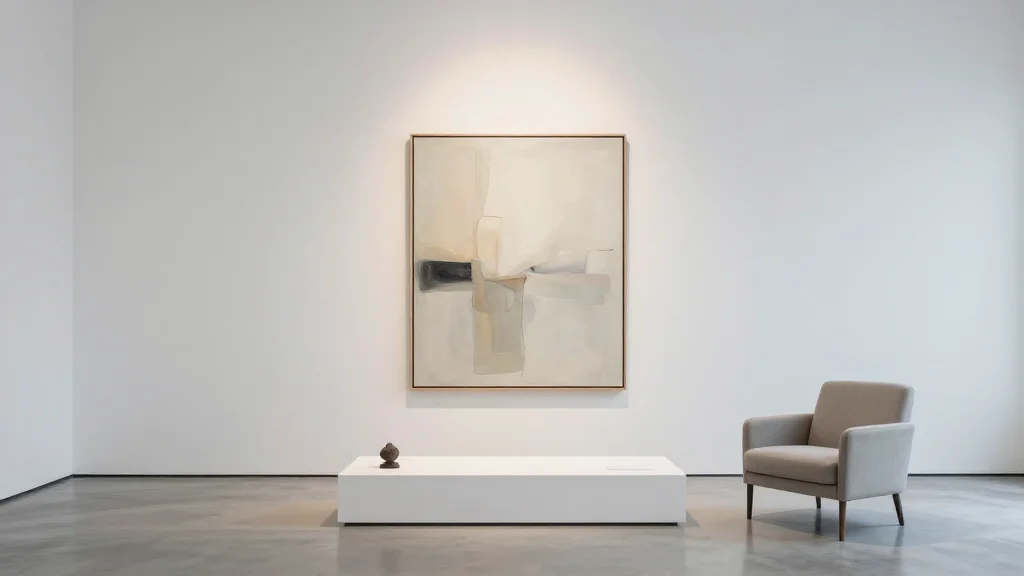
Create Distraction-Free, Well-Lit Spaces for Art Showings
Do you do open studios or private studio visits? If yes, create a relaxed, comfortable, clean, well-lit area to separate and show individual pieces with zero distractions so they look their absolute best. Use adjustable lighting to make sure whatever...

Prove Yourself with Finished Work, Not Promises
Galleries can't commit to showing your art before you start making it. You can have the most amazing ideas in the world about what you want to create, but no matter how brilliant your visions might be, you have to...
Artists Must Track Every Sale to Avoid Exploitation
Artists most likely to get taken advantage of are those who don't keep track of their art: Where it's for sale, how it's priced, if or how much a seller can discount it without needing to contact you, what's sold,...
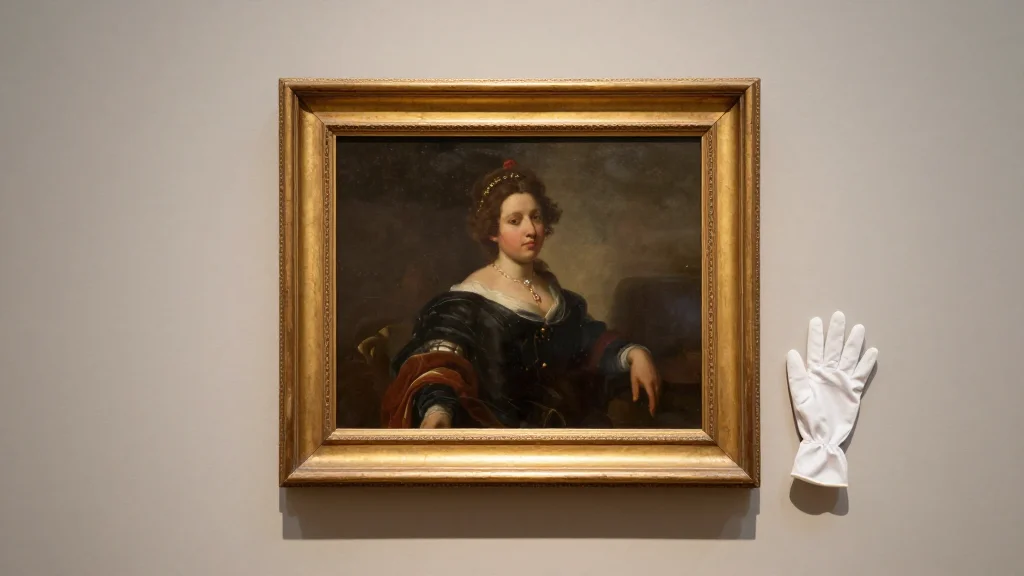
Preserve Art in Original Condition for Value and History
Whenever possible, keep your art in original condition as you created it, especially your best examples. Do not change it, including reworking it, replacing original frames or bases, taking it apart for shipping or storage, etc. Sometimes changes are unavoidable,...
Curators Provide Objectivity and Cohesion for Artists' Shows
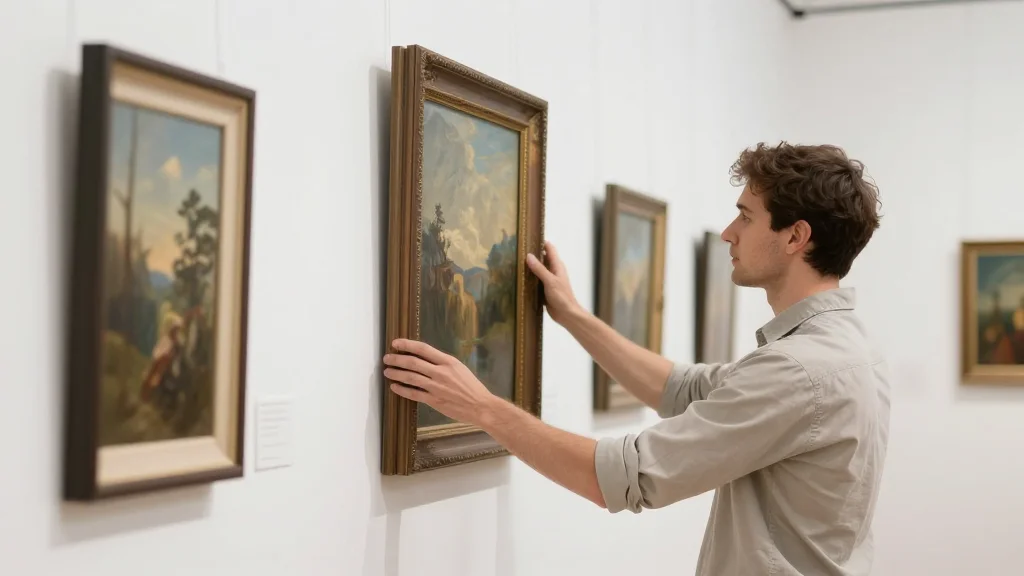
Why are curators so important for artists? They have experience in how to select, organize, present, and contextualize art. Artists can have trouble putting together shows of their own work. They can get so immersed, attached, and personally involved that...

Art Sales Grow When Buyers Can Follow Your Journey
People don't just discover and instantly buy your art. They often start slow, search you online, maybe follow you (whether you know it or not), and otherwise get a better sense of your work. They take time to decide. Could...

Auctions Favor Famous, High‑Demand Art—Rarely the Unknown
How do auctions pick the art they sell? They want artists with name recognition, in-demand art, good visibility, and strong sales. Including at auctions. And for sales results to reflect favorably on both the artists and auctions that sell it....
Artists Must Captivate, Not Blame Viewers for Scrolling
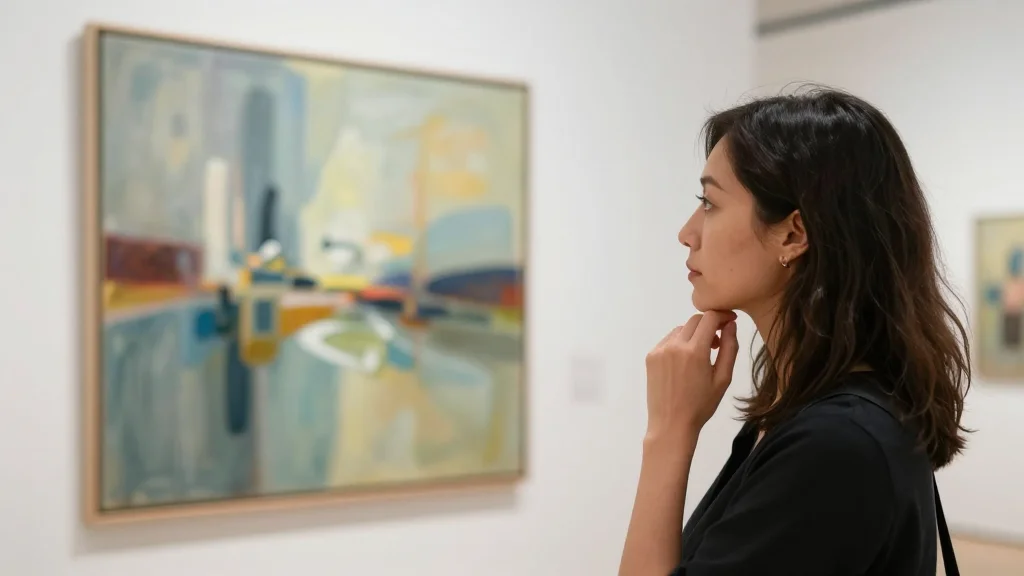
Artists wonder if or how much today's viewers care about contemplating art for any length of time. Or whether people are so addicted to scrolling online or in real life that quick looks are enough. Easy answer. It's on artists...
Original Art: Tangible Proof of Creative Problem Solving
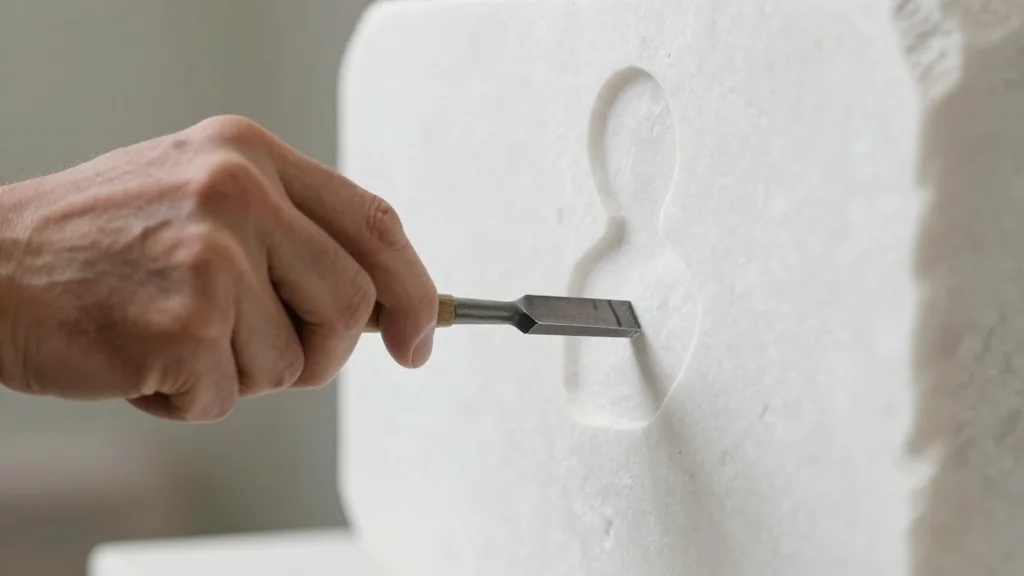
Conveying the benefits of owning orignal art will always be challenging, particularly in tangible terms, maybe now more so than ever. Why do we need it? Here's a thought: Consider an artwork's creation as an exercise in problem solving, as...
Display Eye‑Catchers to Slow Traffic and Boost Sales
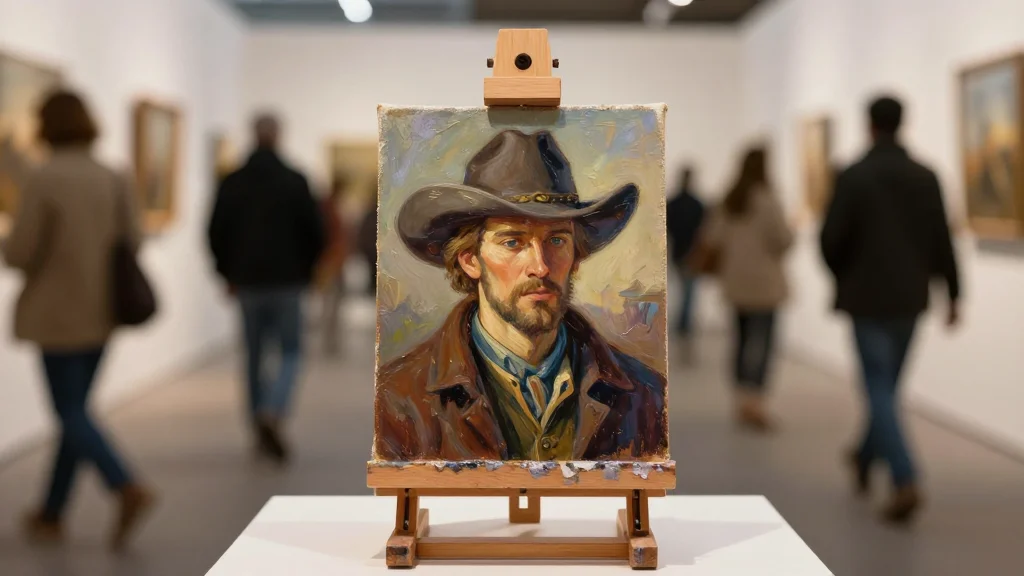
Do you show at art fairs, open studios, or other group events? One of the more common artist mistakes is having no art on display to slow traffic down. This is especially true for those who make smaller more detailed...
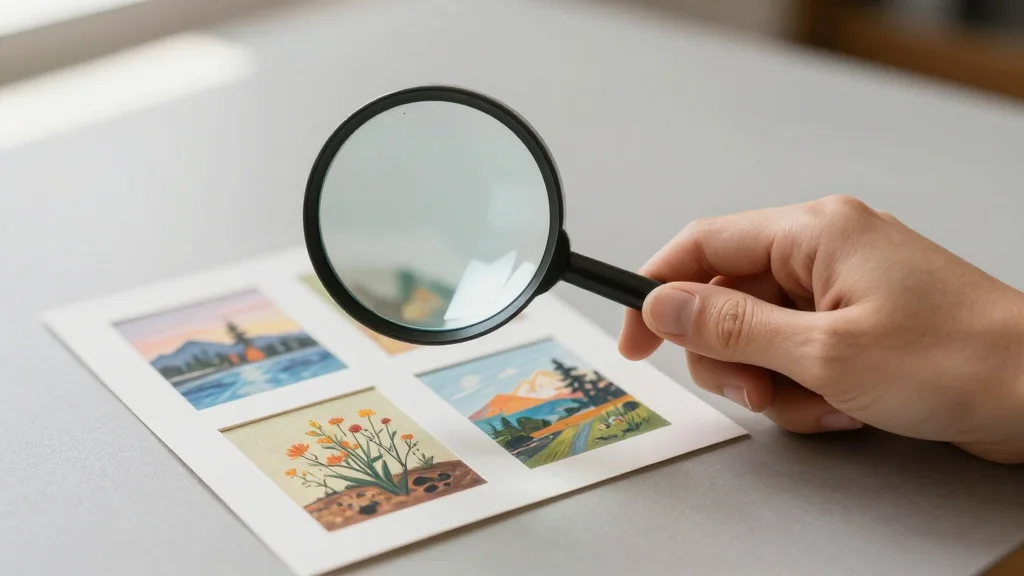
Art Buyers Need Time, Research, and Consistent Presence
People don't just discover and instantly buy your art. They often start slow, search you online, maybe follow you (whether you know it or not), and otherwise get a better sense of your work. They take time to decide. Could...
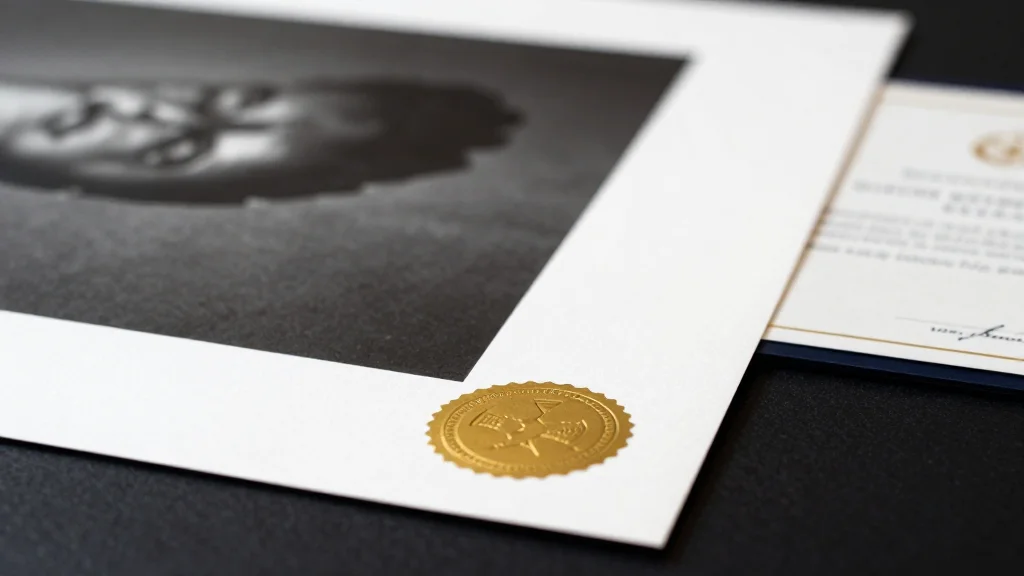
Lock Print Specs Early, Never Change, Build Trust
Publishing limited edition prints? Set all specs in advance including edition size, image size or sizes, margins, what to print it on, printing process, signature location, where it's numbered, if or where to date or title it, COA wording, etc....
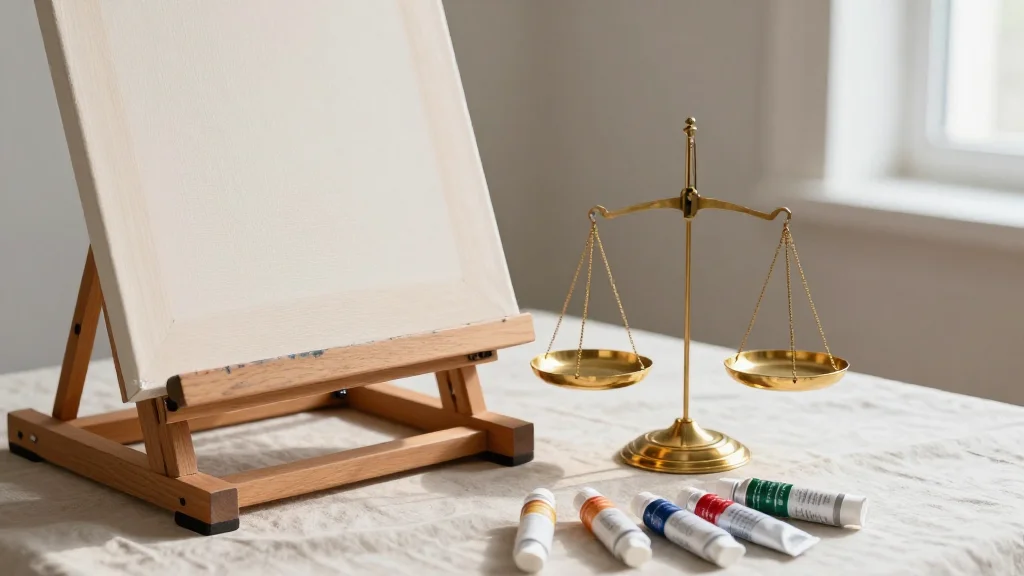
Price Art by Track Record, Not Strangers' Opinions
No one can price art simply by looking at it or tell if it's too cheap or expensive. Why? Because additional factors always need to be considered, the two most important by far being your resume and sales history. A...

Practice Showing Art to Refine Audience Connection
If you want to show your art in public, practice showing it. How? Exhibit it every chance you get to those you know and especially those you don't, online as well as in person. Try different selections, ways to group...