
Allison Knott, MS, RDN, CSSD
Endurance sports dietitian; promotes food-first, evidence-based protein and fueling strategies.
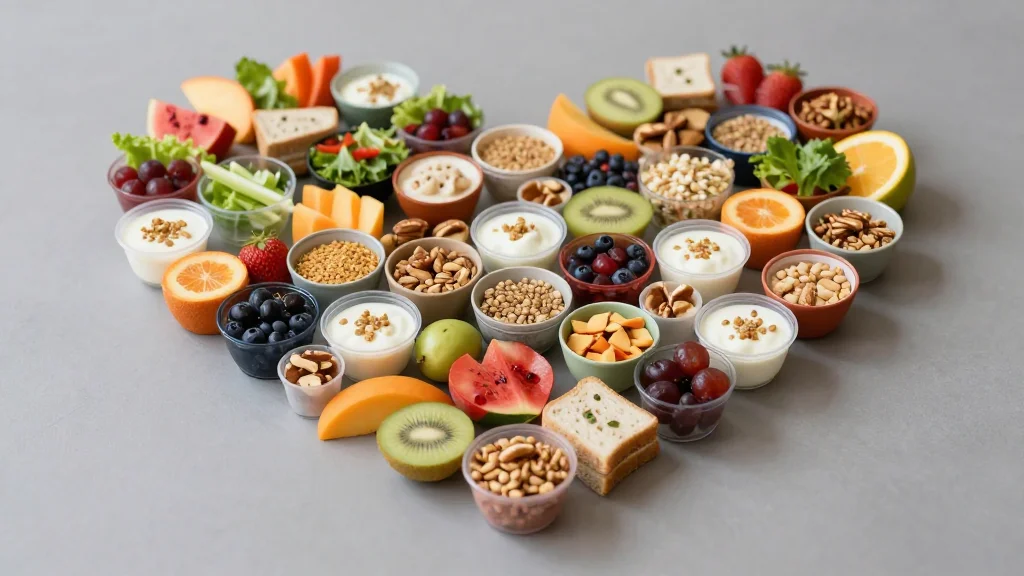
Your Overall Diet Pattern Matters More than Individual Meals
What is a diet pattern? This is how I explain it to clients: Imagine a collage of photos where each tiny photo is of a single meal or snack. When you stand close you see all the individual images, but when you back up you see a pattern that makes a shape. The bigger image as you step away is your diet pattern. What you do the majority of the time makes your diet pattern. This is what matters for health.

Kids Must Move for Health, Focus, and Mental Wellness
I’m happy to see this, but it’s one of those topics that shouldn’t need to be an “official statement.” It should be obvious to every educator, policy maker and parent that children need to move to be healthy and have...
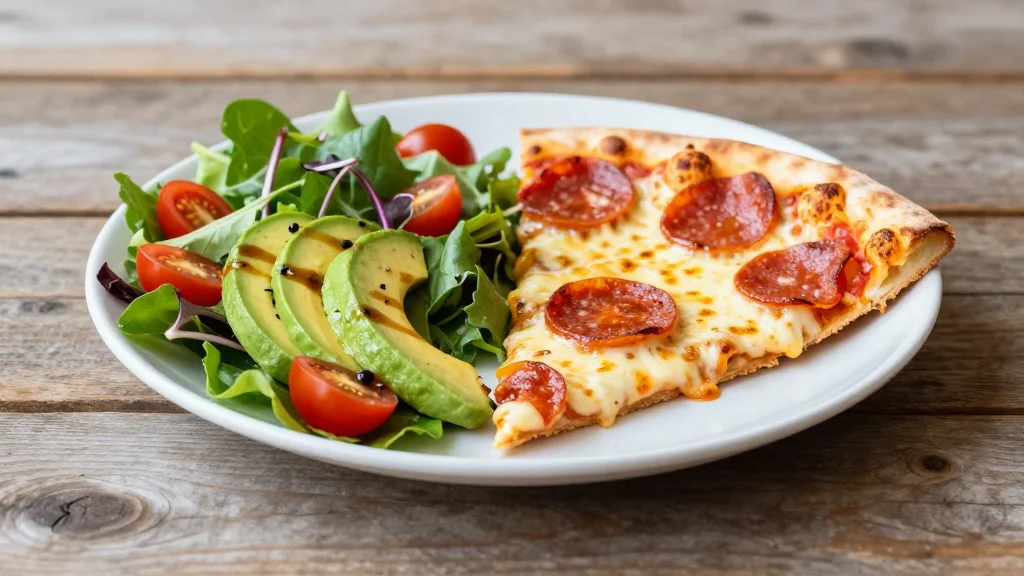
Enjoy Food Beyond Numbers: Balance Joy and Nutrition
Don’t focus so much on making every meal nutritionally perfect that you end up missing out on the joy of eating food you love. Food isn’t just nutrition. It’s so much more. From holidays and celebrations to memories and traditions. Focusing...
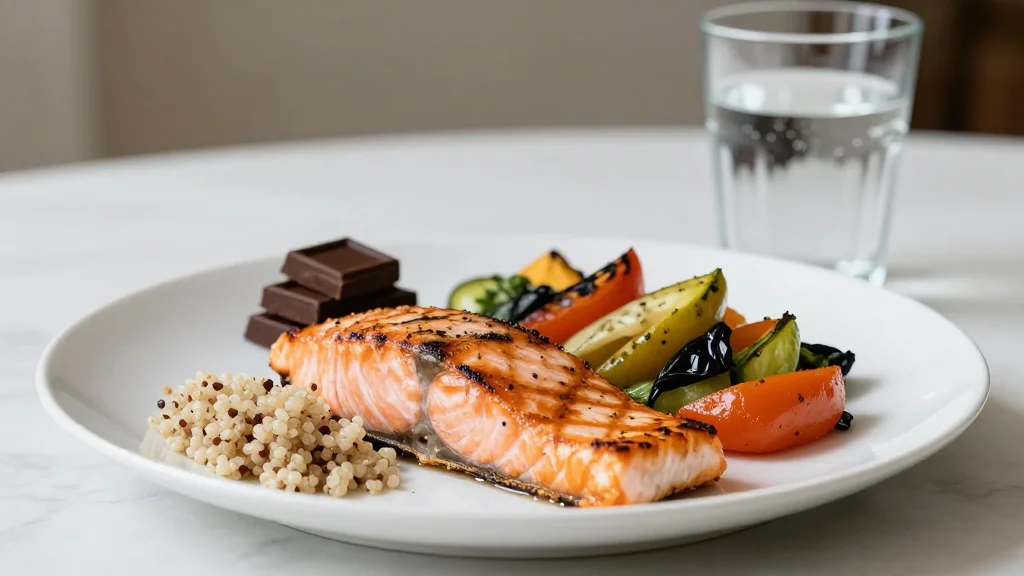
Balanced Meals Prevent Cravings and Mindless Snacking
So many habits around food that are labeled as bad and put blame on an individual as lacking willpower could be addressed by making sure meals are balanced & satisfying both mentally & physically. The ‘mindless snacking at the cabinet’ each...
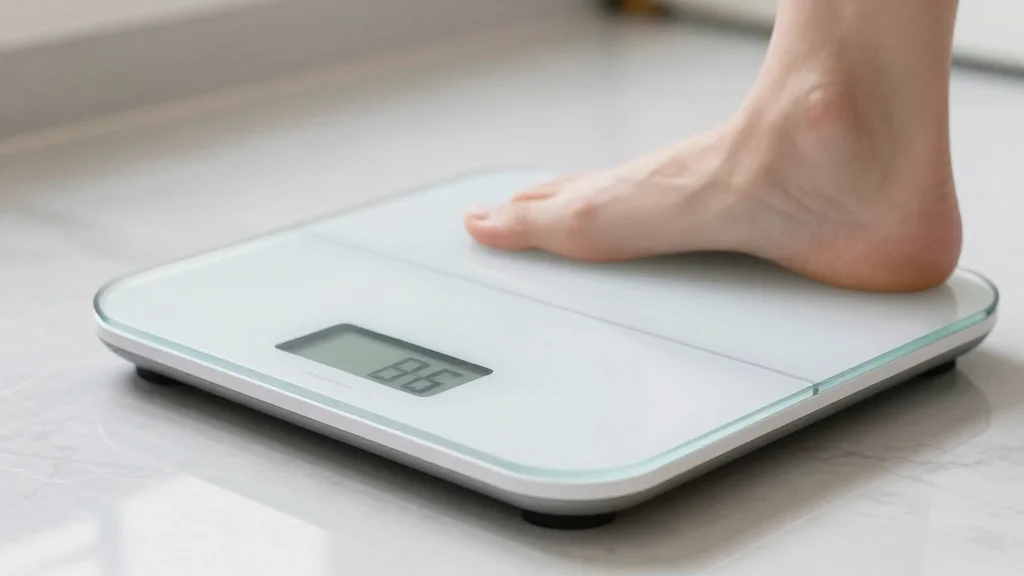
Weight Fluctuations Are Normal—Focus on Long‑Term Trends
If you regularly weigh yourself, I want you to know this. Weight fluctuations are normal. It’s normal to see a change in your weight from day to day and week to week. Fluid shifts are a primary cause, but other factors...
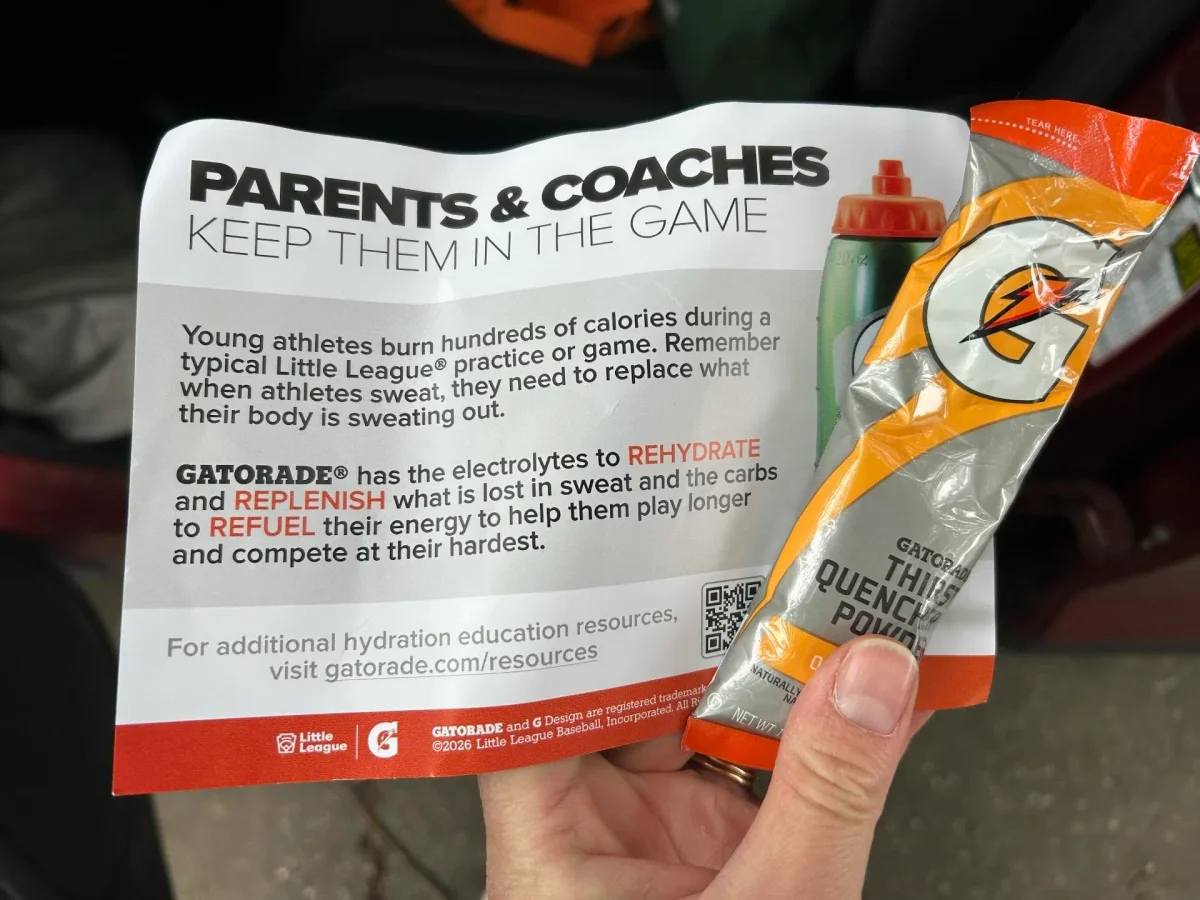
Kids' Sports Drink Packs Loaded with Sugar
Sports dietitians: your thoughts? I will preface this with I fully support electrolyte and carb replacement during exercise. The other relevant information for this question is that this was given to my son’s little league team. Three packets of this...

Tiny Daily Moves Boost Health More Than You Think
Non-exercise activity thermogenesis or NEAT matters when it comes to your health. Examples: - the extra two minute walk to do the door when you park further away - taking the stairs even just one flight - standing for a meeting versus sitting -...

Health Journeys Must Nurture Mental Well‑being and Joy
It’s not a health journey if it negatively impacts your mental health. This includes mind games that have you tricking yourself into avoiding foods you enjoy. A “health journey” as so many people will say should include space for joy,...
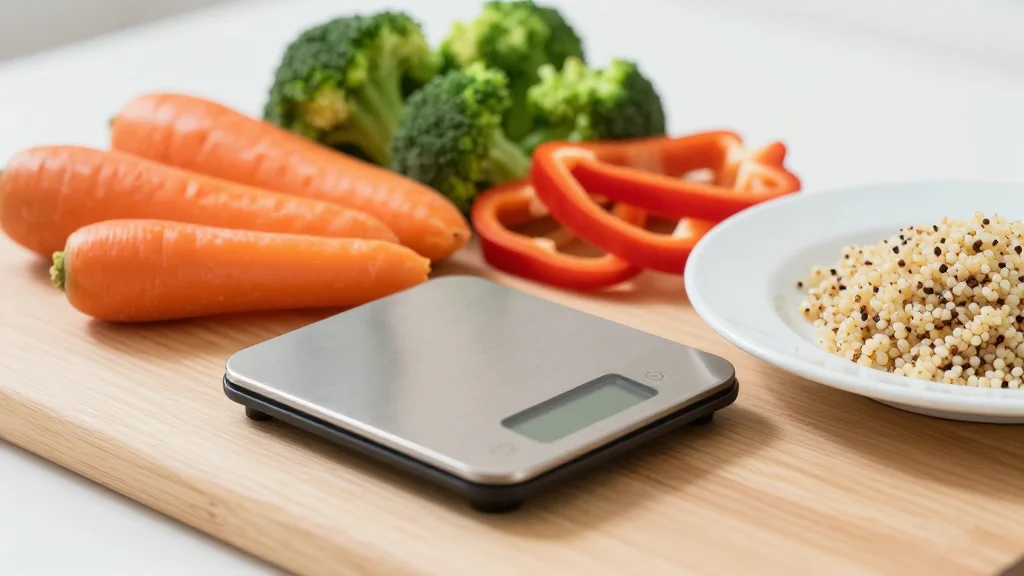
Calorie Estimates Aren’t Exact—Tailor Weight Loss Individually
As an RD who works with clients on weight loss goals, I think it’s important to point out that dietitians often use calorie needs calculations as estimates that are meant to be adjusted based on how the client responds. I...
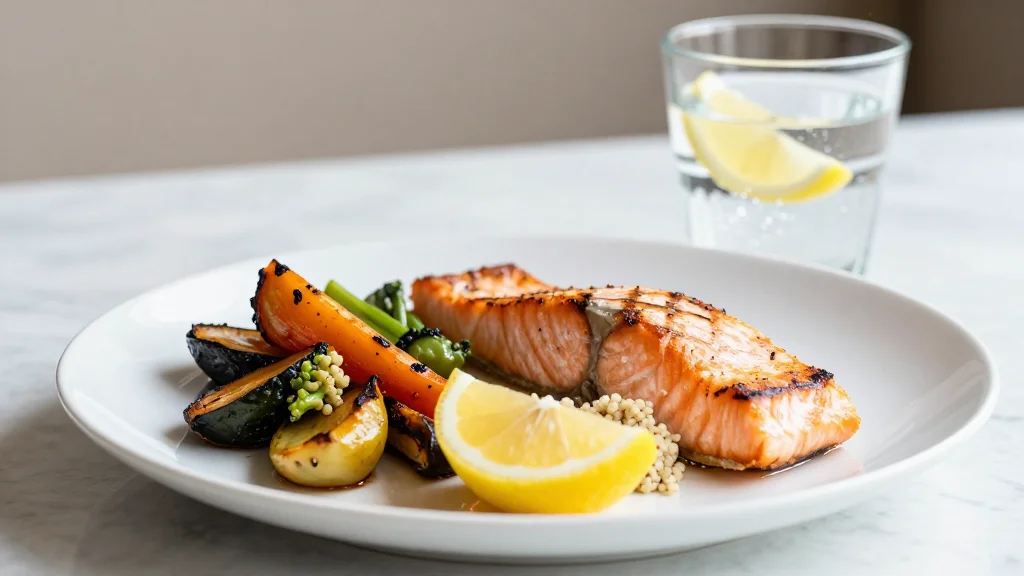
Weight Loss Can Be Enjoyable, Not Starvation
Losing weight should not be synonymous with eat as little as humanly possible. Losing weight should also not be synonymous with eat food you don’t enjoy. And losing weight should not be synonymous with feeling like you’re starving all day. There are more...
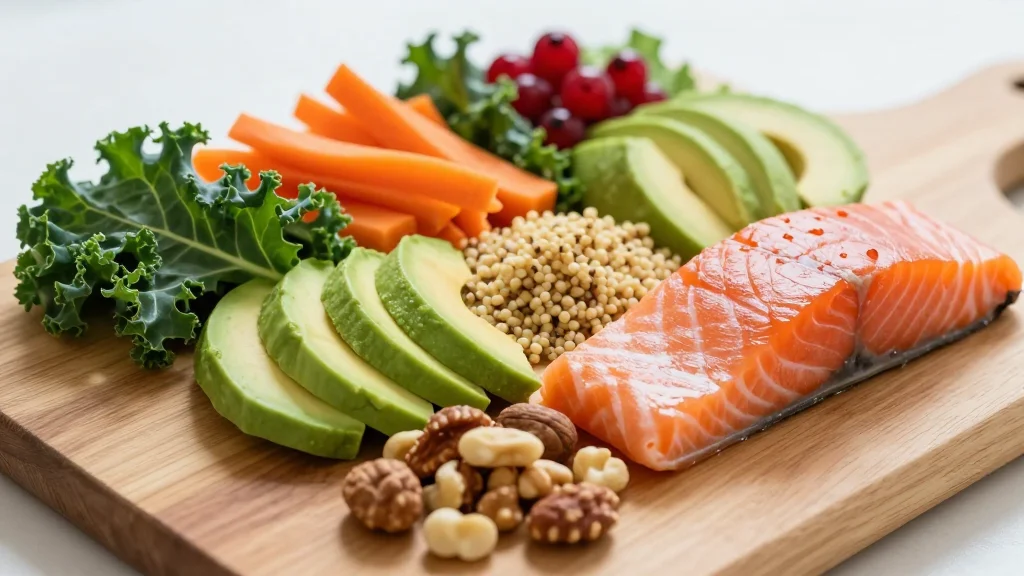
Health Thrives on Nutrient Variety, Not Single Superfood
Nutrient-density is not a competition. There’s not a single “best nutrient” or most important nutrient. We need a combination of foods and a wide variety of nutrients for optimal health.
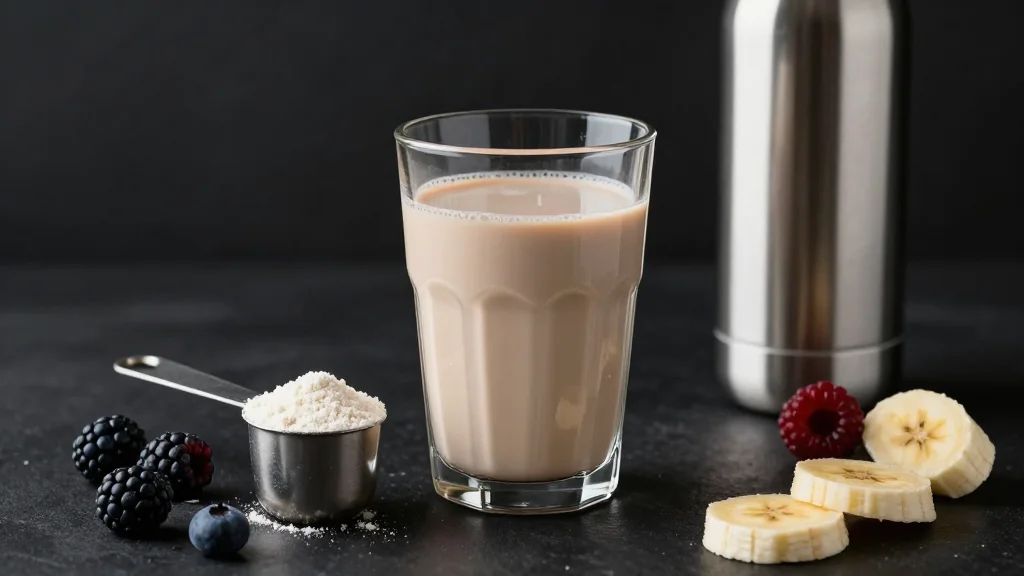
Recovery Nutrition: Fuel Your Body Like an Engine
Your recovery nutrition is equally as important as the workout itself. Imagine putting stress on an engine by revving and going very fast but never putting gas in the car or never changing the oil or avoiding putting air in...
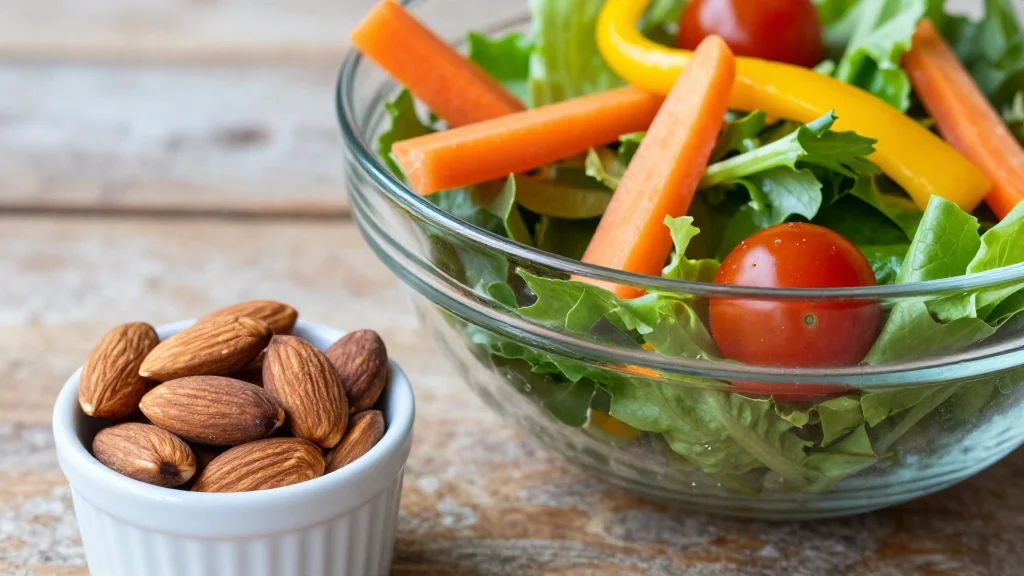
Volume ≠ Calories: Prioritize Energy Over Food Quantity
Eating less may not always look like less. A change to your diet to include more nutrient-dense foods can sometimes result in eating more volume. This may make it seem like you’re eating more calories but that’s not always the...
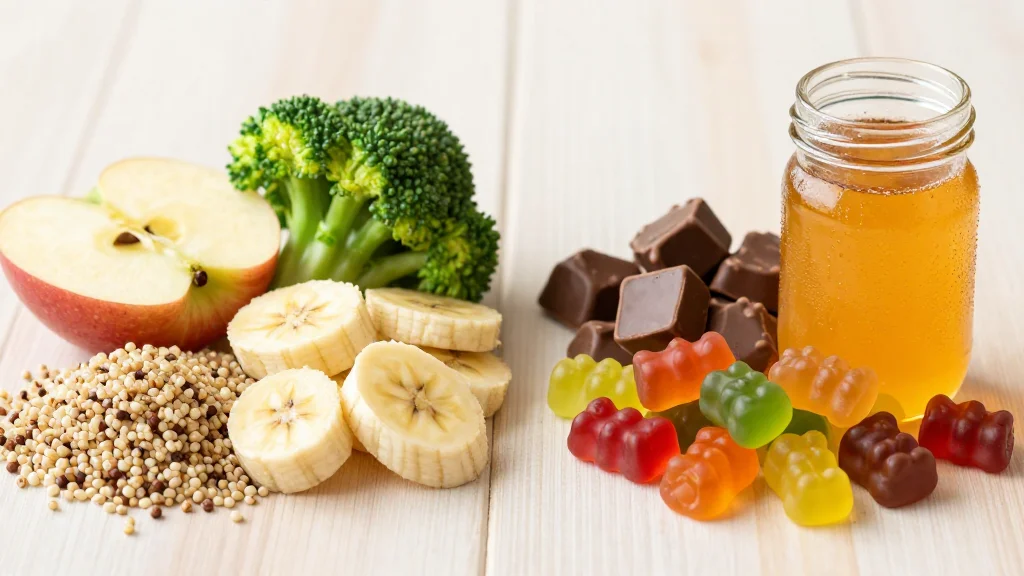
Natural Carbs Beat Added Sugar for Endurance Fuel
Carbs from foods with added sugar and carbs from foods without added sugar are used in the same way in the body, but should we rely heavily on added sugar foods as fuel before endurance exercise? I say no and...
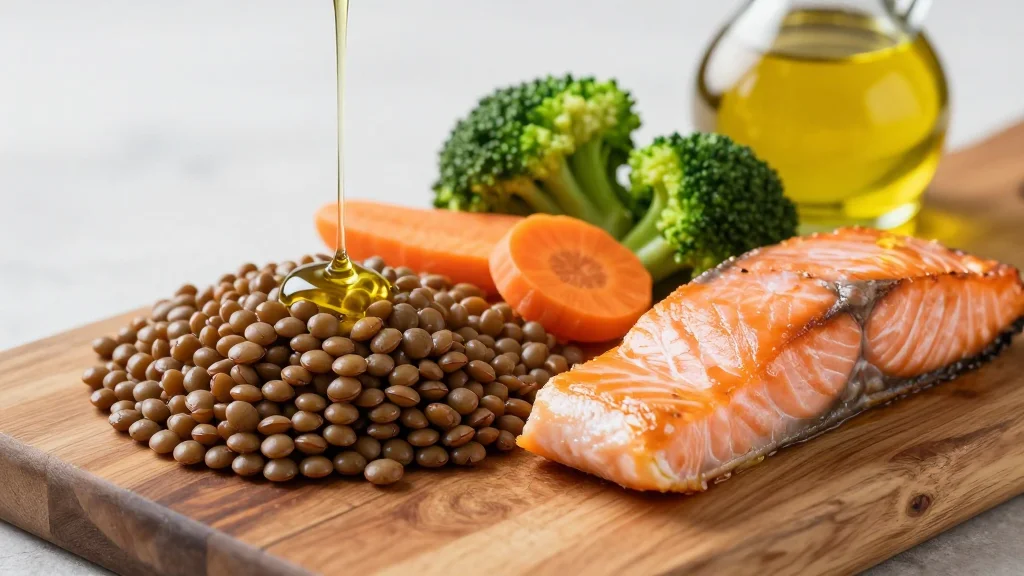
Protein Overload? Prioritize Fiber and Unsaturated Fats
I’ve ended up on the “why is there so much protein in everything?!” side of threads and I’m going to prentend that everyone is asking this question. Here’s the thing: protein is essential, but you’re likely getting closer to the optimal...