
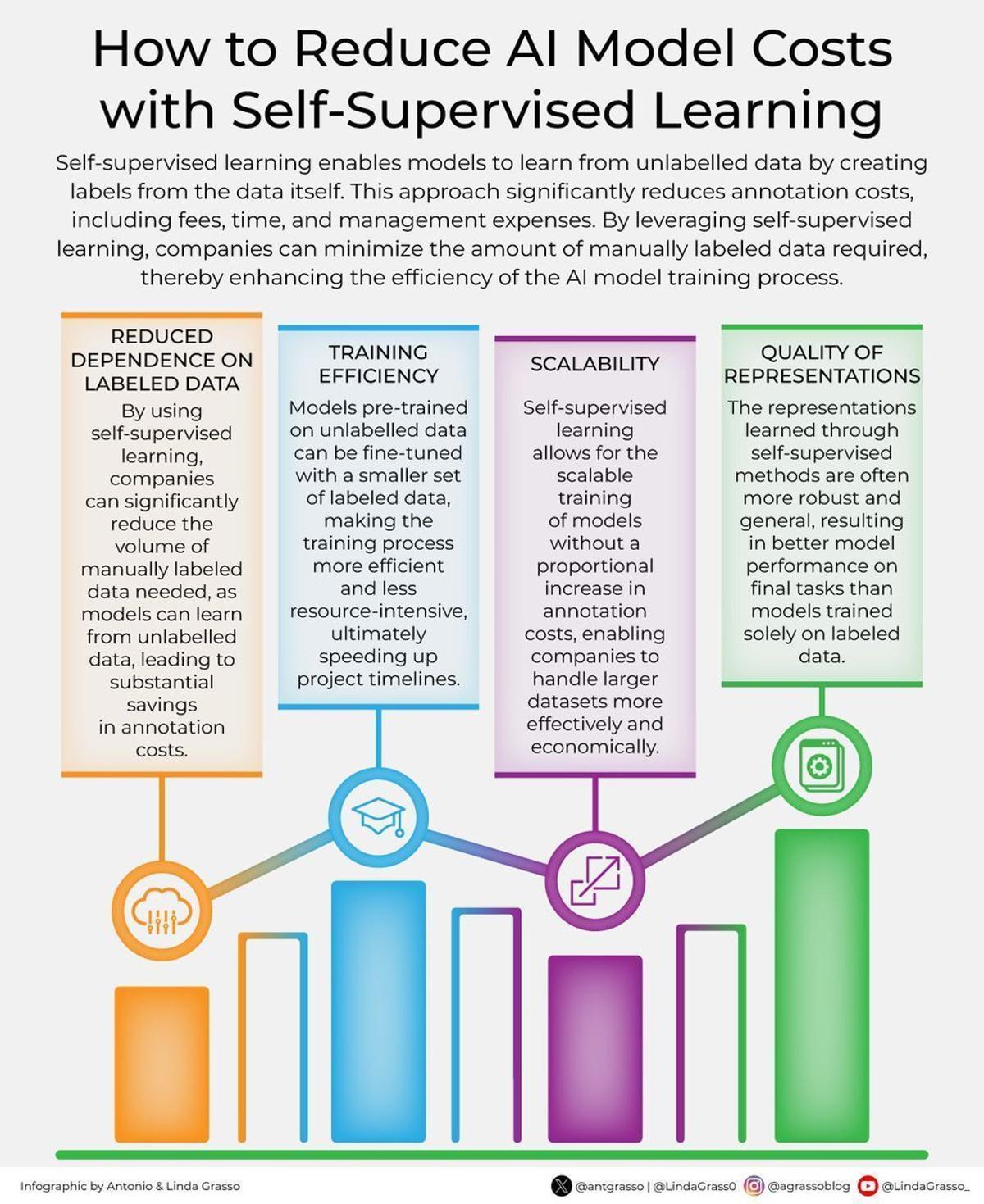
Self‑Supervised Learning Cuts Labels, Accelerates Fine‑Tuning
Self-supervised learning reduces annotation costs by generating labels from raw data, limiting manual effort. As models scale across business units, pretraining on unlabeled datasets shortens fine-tuning cycles and frees skilled teams for higher-value work. Microblog @antgrasso https://t.co/jOZV1qDTy7

Chip Progress Now Hinges on Latency, Not Geometry
For me, the interesting point in @Huawei's Tau Scaling Law is the shift from transistor geometry to signal propagation time. Future chip progress may depend on how efficiently systems coordinate workloads and reduce latency across the stack.
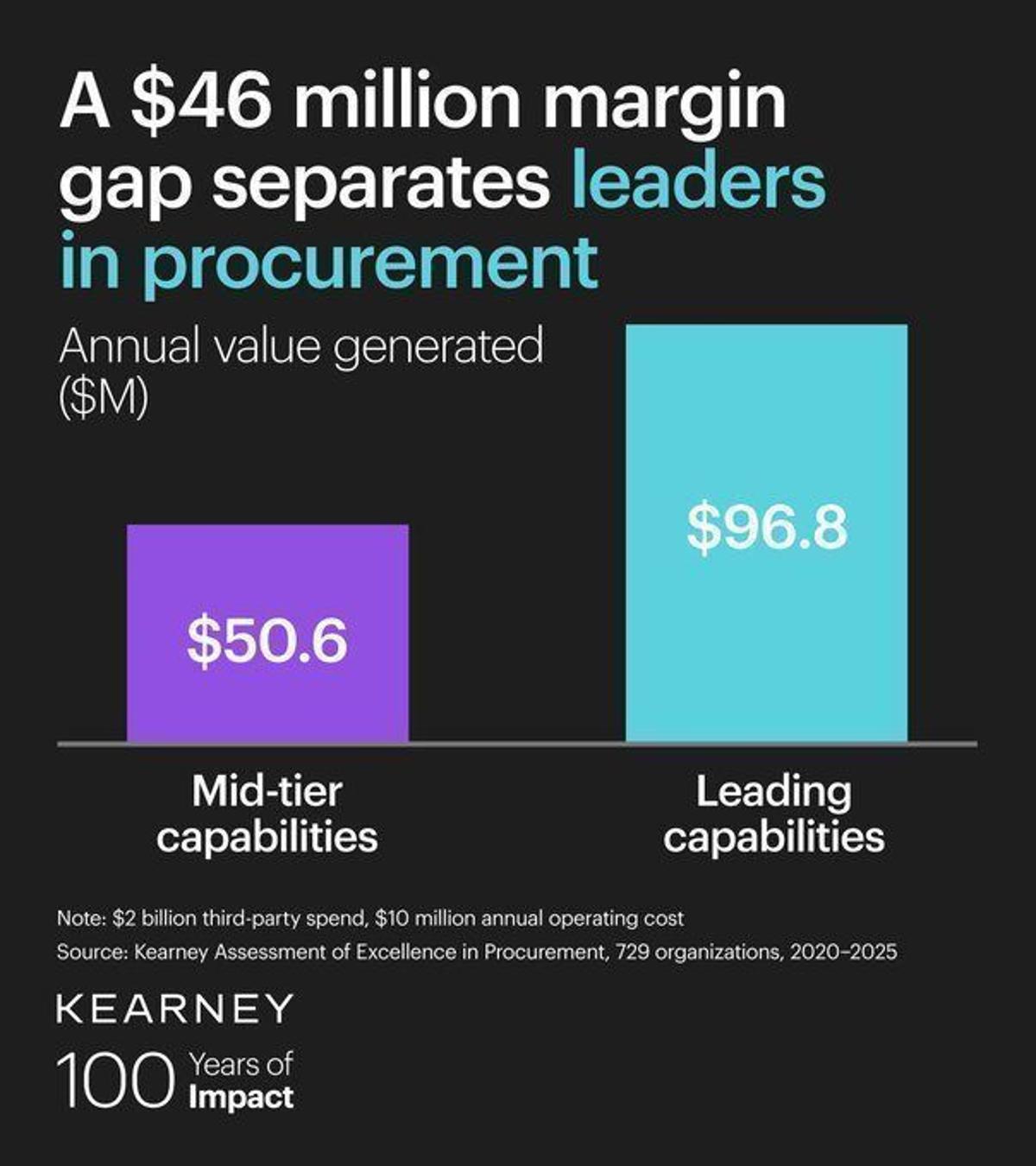
AI Accelerates Procurement, Turning Delays Into Permanent Cost
Procurement now decides margins more than sales levers. AI is shrinking the learning curve to months, so delay turns into structural cost, not just missed efficiency. Source @kearney Link https://t.co/n09ZU4bmLM via @antgrasso https://t.co/MNQFQmtAnu
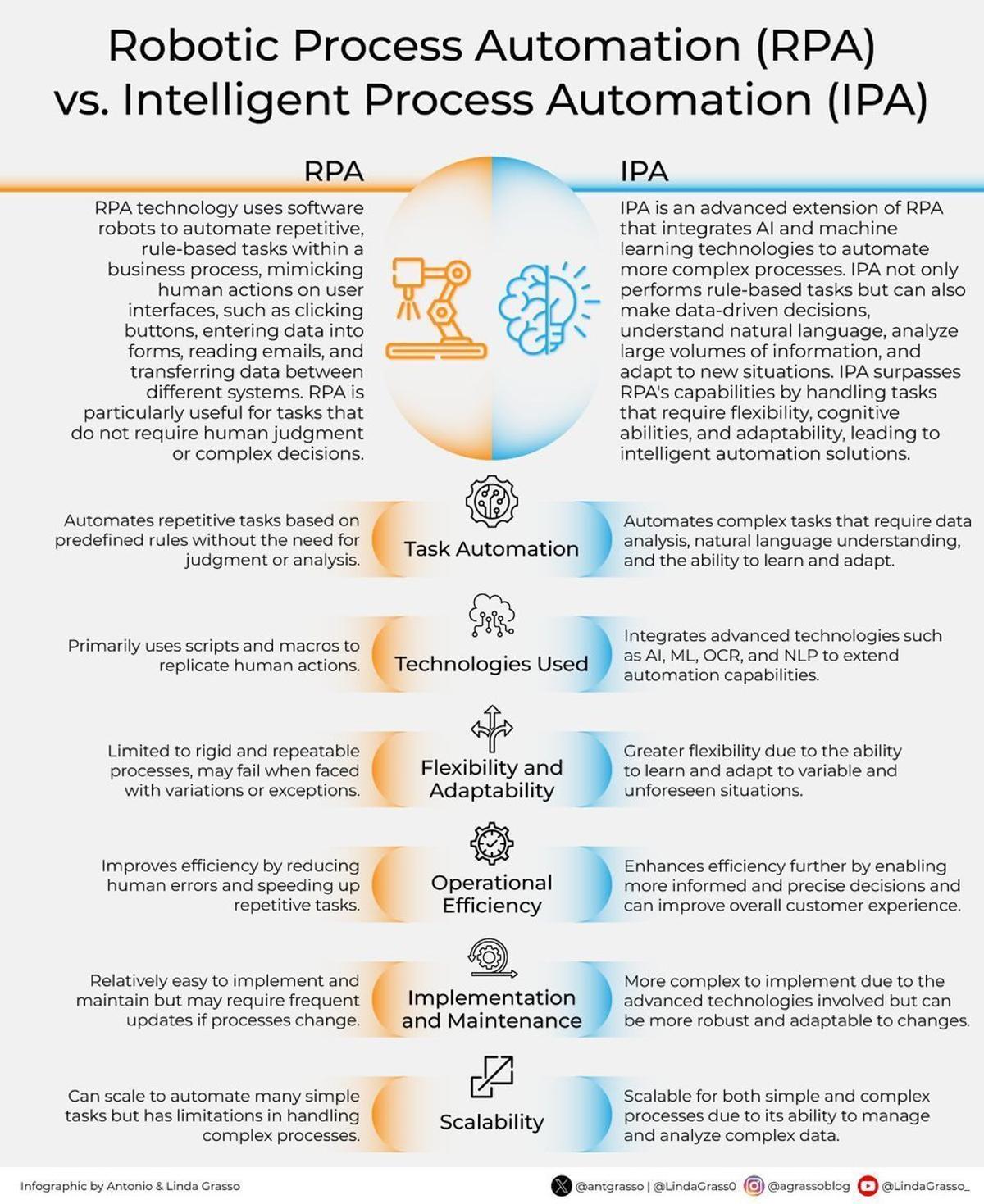
IPA Adds AI to RPA for Adaptive Automation
RPA automates tasks through scripts that replicate user actions. When processes demand interpretation of data and adaptation to exceptions, IPA extends automation with AI and learning capabilities. Microblog by @antgrasso https://t.co/xsQpHLZwrx
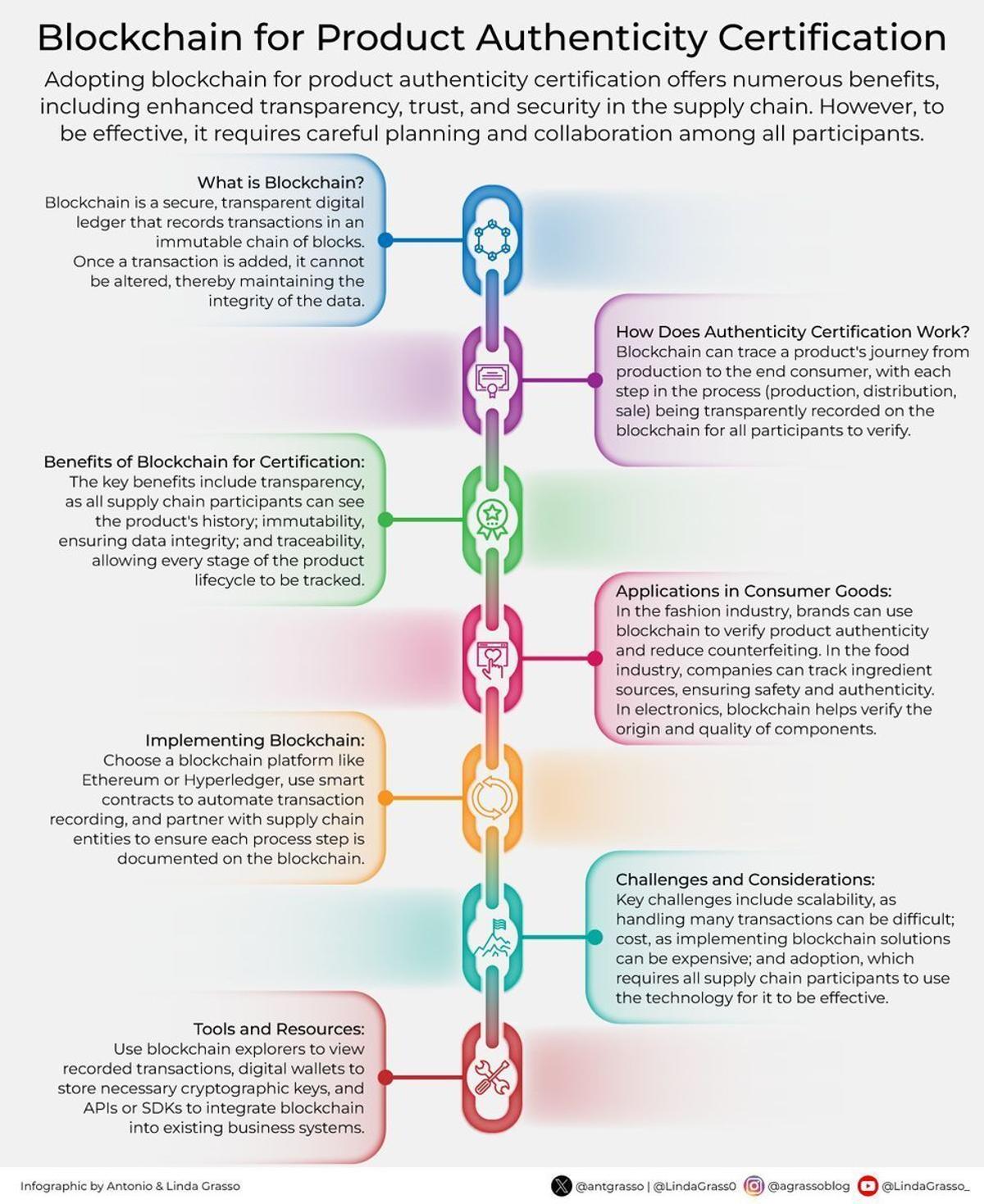
Blockchain Adds Traceability, Turning Authenticity Into Product Feature
A product can reach high levels of quality and efficiency, yet without traceability it remains exposed to replication. Blockchain introduces verifiable provenance into supply chains, making authenticity part of the product, limiting counterfeits. Microblog @antgrasso https://t.co/WMhryXJsHf
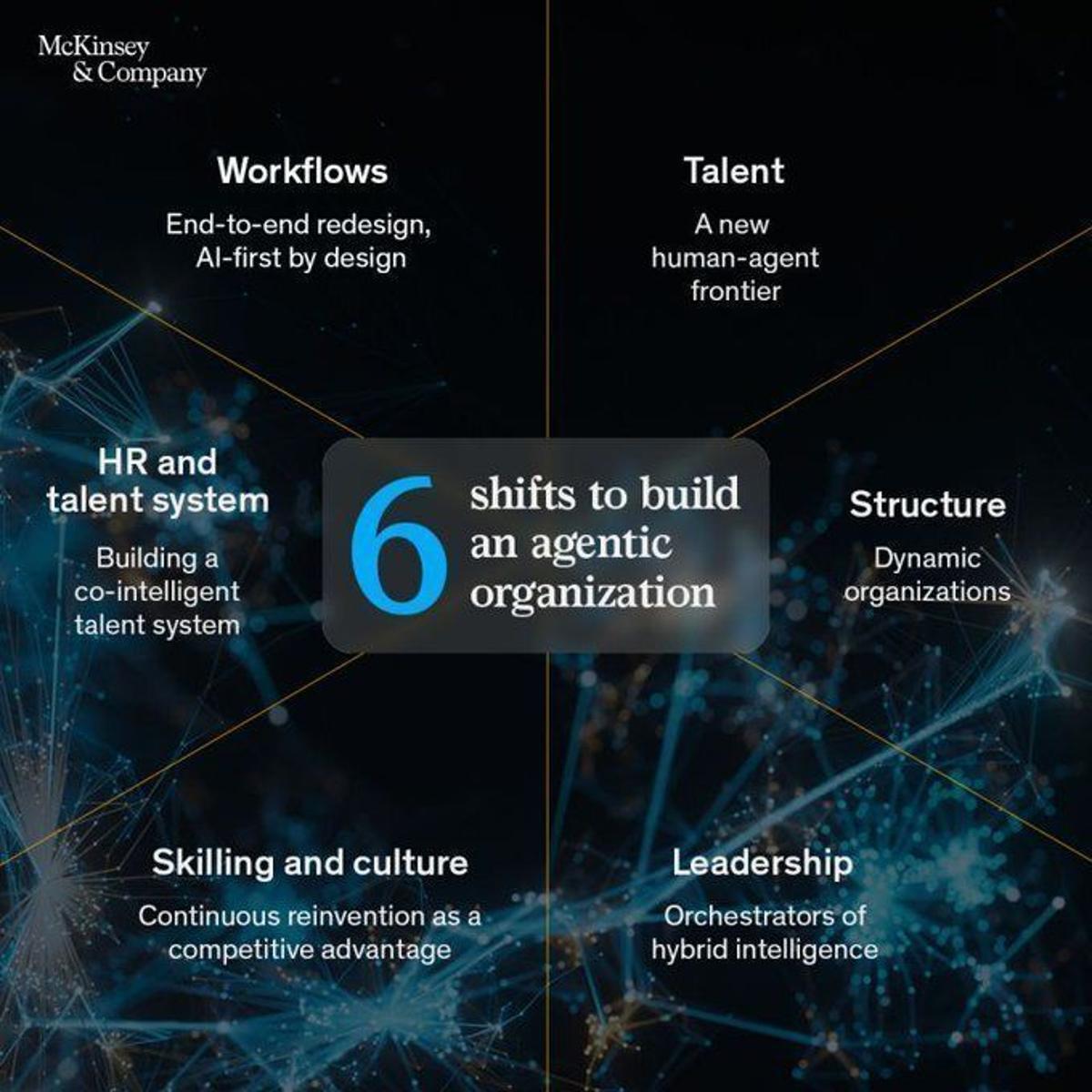
Agentic Systems Redefine Workflows, Merging Talent with Execution
Agentic systems push end-to-end workflow redesign, where roles and decisions stop following fixed paths. Talent and leadership become execution layers, since people and agents now work inside the same process. Source @McKinsey Link https://t.co/9j9AgUCwUt via @antgrasso https://t.co/QilMNzMFO7
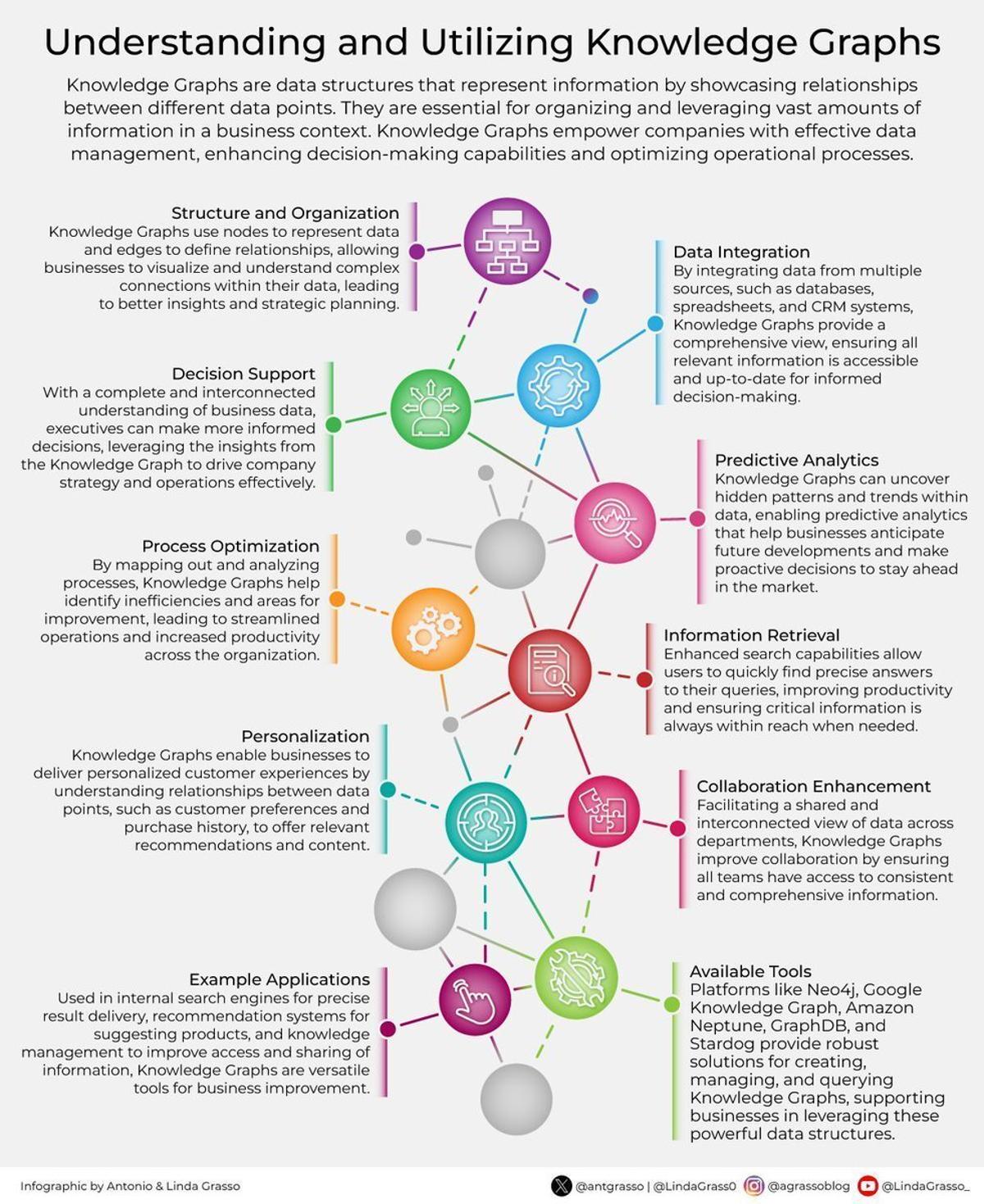
Knowledge Graphs Create a Semantic Layer for Unified Analytics
Knowledge graphs organize data as nodes and relationships, creating a connected view of business information. When decisions depend on linking customers, assets, and processes across systems, this semantic layer supports analytics and search with context. Microblog @antgrasso https://t.co/Rh9SaUhDYN
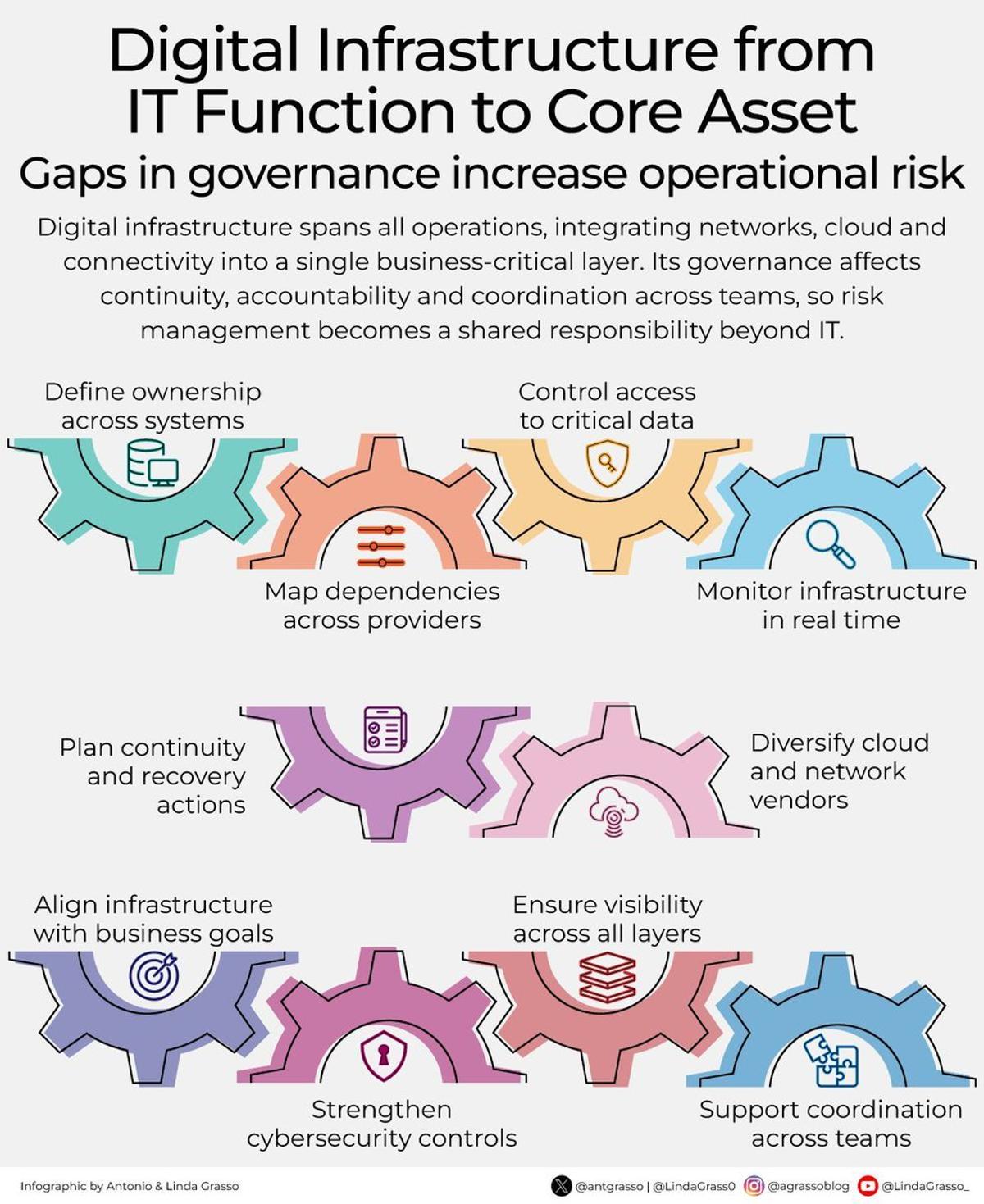
Governance Gaps Amplify Risk; Enforce Ownership, Access, Monitoring
Digital infrastructure operates as a single layer across operations, where gaps in governance accumulate risk. Clear ownership, controlled access and real-time monitoring must become daily disciplines, since failures propagate across providers and teams. Microblog @antgrasso https://t.co/hplDKIGUOd
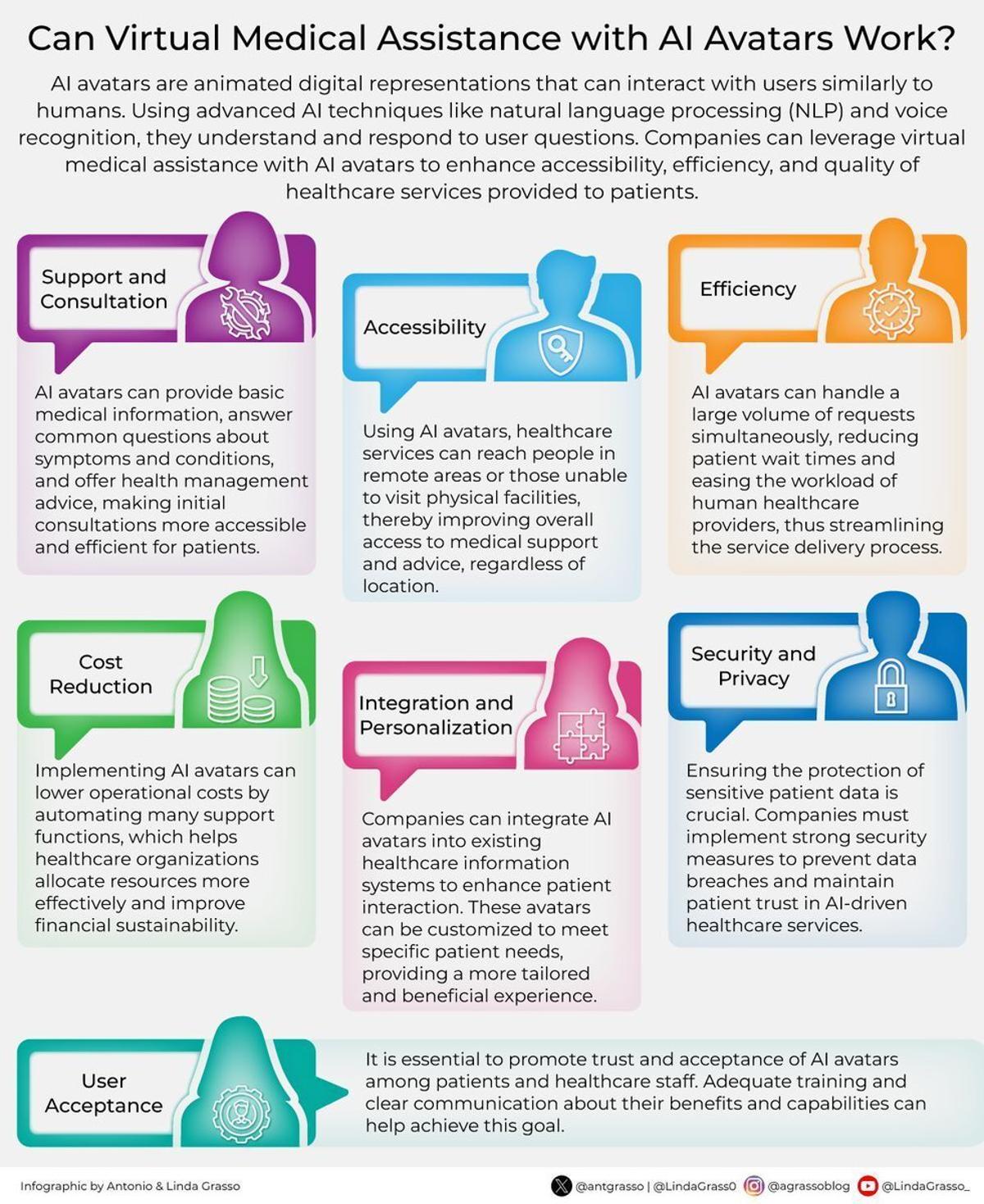
AI Avatars Become First-Line Triage, Easing Healthcare Staffing Strain
AI avatars are entering clinical workflows as first-line interfaces for triage and follow-up, extending care beyond hospitals. Healthcare systems face staff shortages and rising demand, so AI agents can reduce pressure on providers while protecting data. Microblog @antgrasso https://t.co/fCDqAmP0rZ
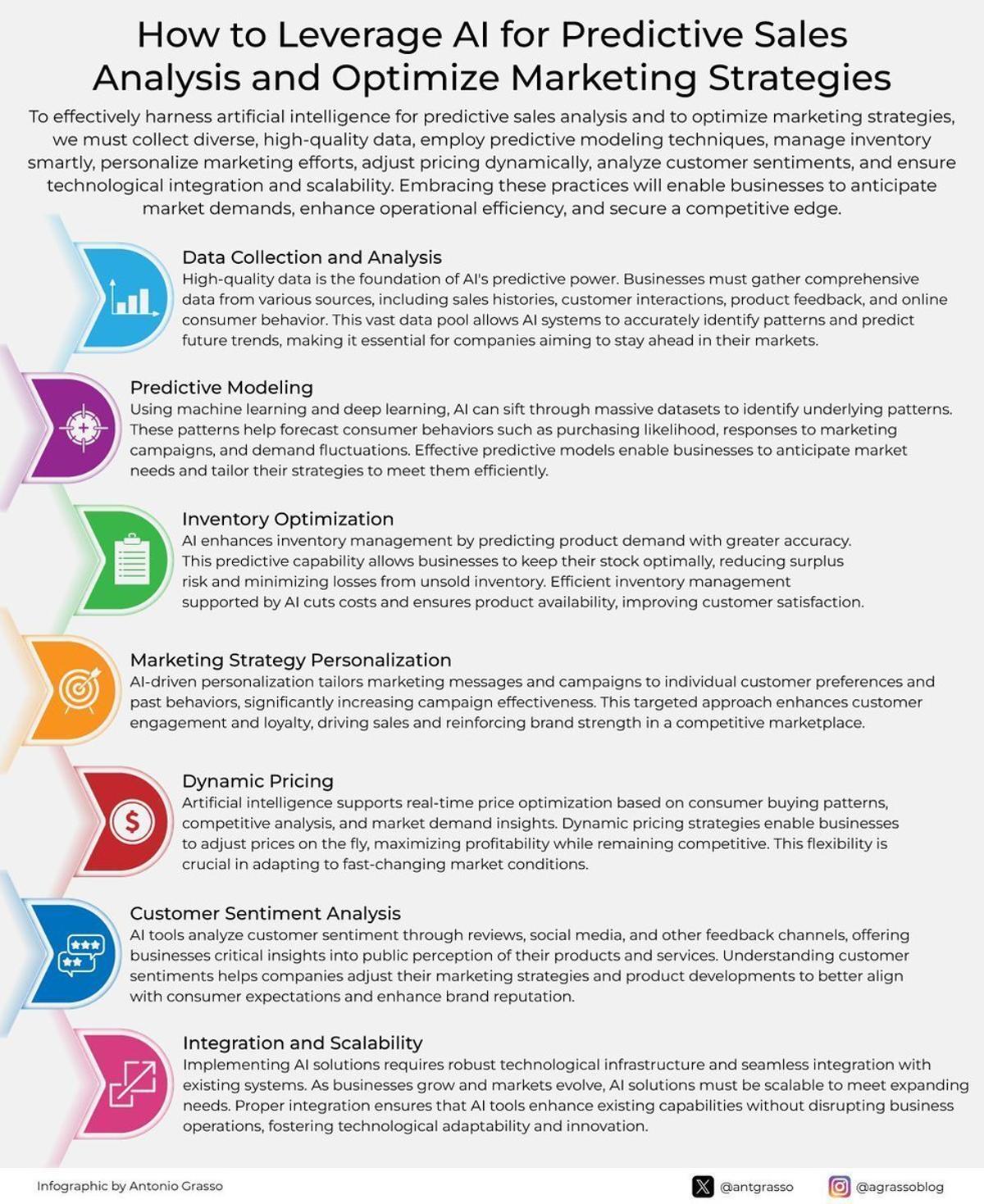
AI Turns Data Into Market Foresight for Smarter Planning
Artificial intelligence is reshaping how companies read market signals, turning data into foresight for sales and marketing decisions. Predictive approaches support clearer planning, better alignment with demand, and earlier, more confident action. Microblog @antgrasso #MarTech https://t.co/OAEZouP1i7
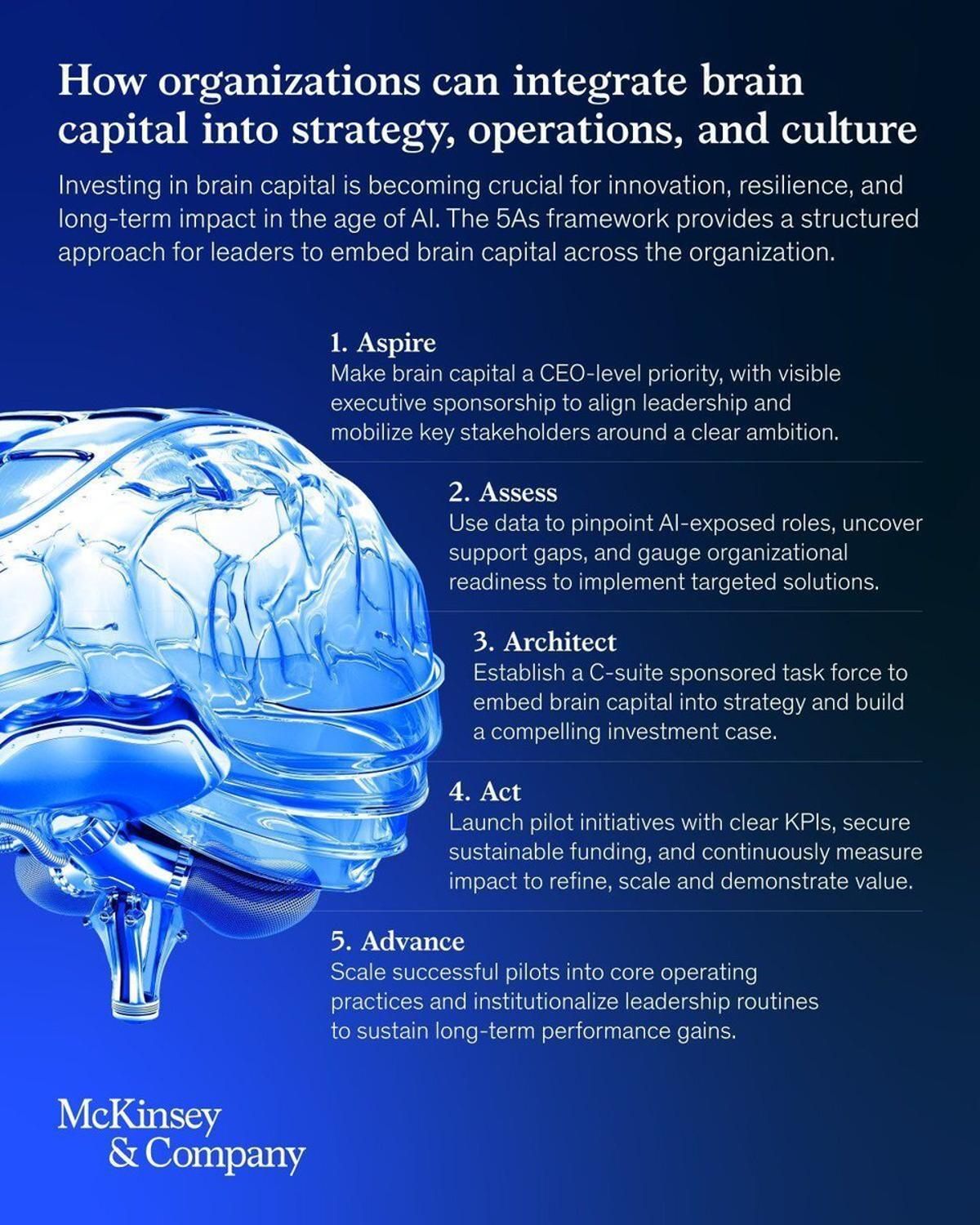
AI Reveals Need to Align Skills with Cognitive Well‑Being
AI is exposing a gap between what organizations expect and what people can sustain over time. Closing it means linking skills with cognitive well-being, otherwise pressure builds and execution weakens. Source @McKinsey Link https://t.co/mUYF7giLBR via @antgrasso https://t.co/8aw7ZgjBIu
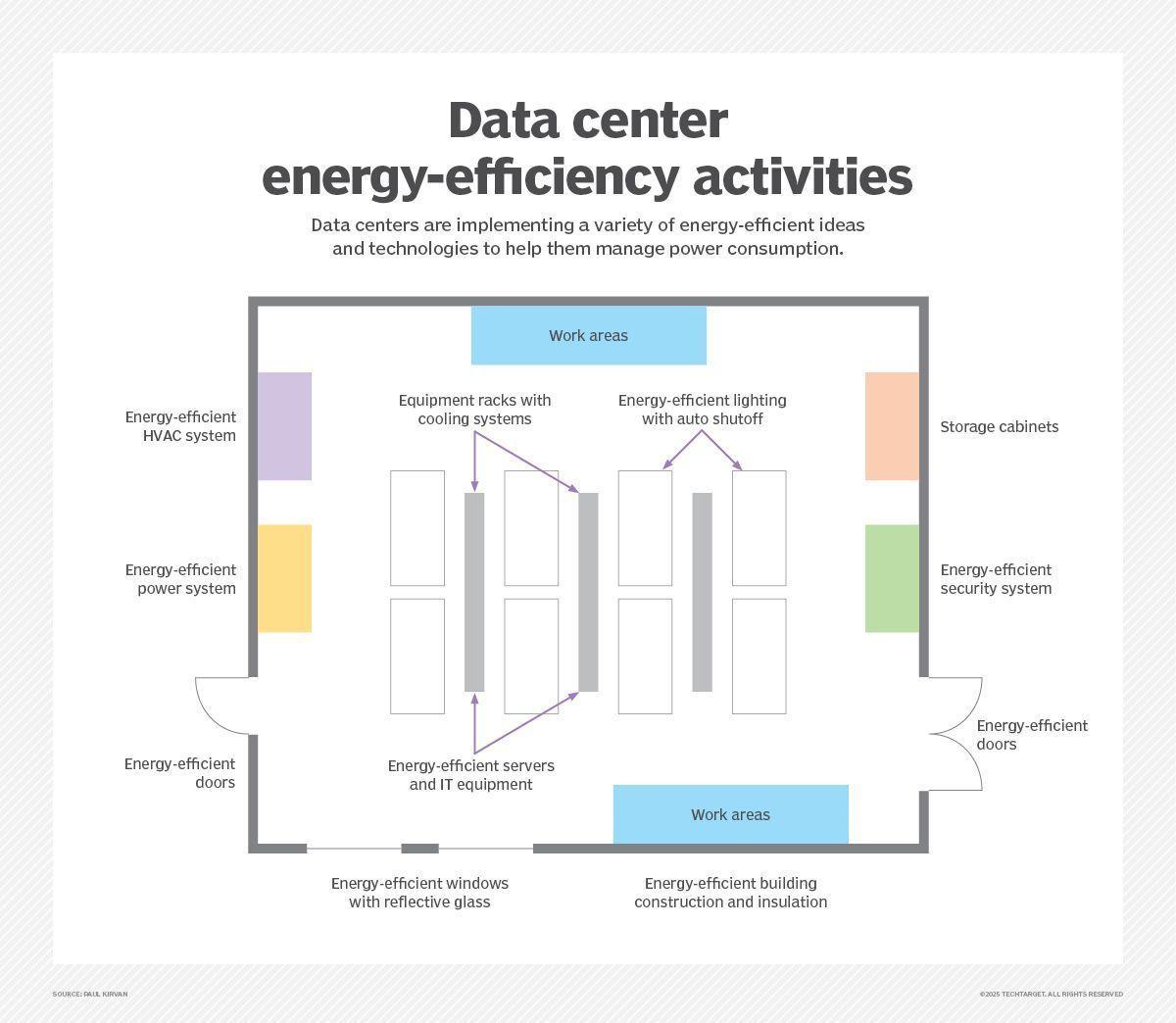
AI Surge Forces Data Centers to Prioritize Energy Efficiency
Data centers hinge on precise energy orchestration across cooling and power. As AI demand strains capacity, design choices hit cost and uptime, pushing efficiency into daily operations. Source @EyeOnTech_TT via @antgrasso https://t.co/tuVlqgA8Z7
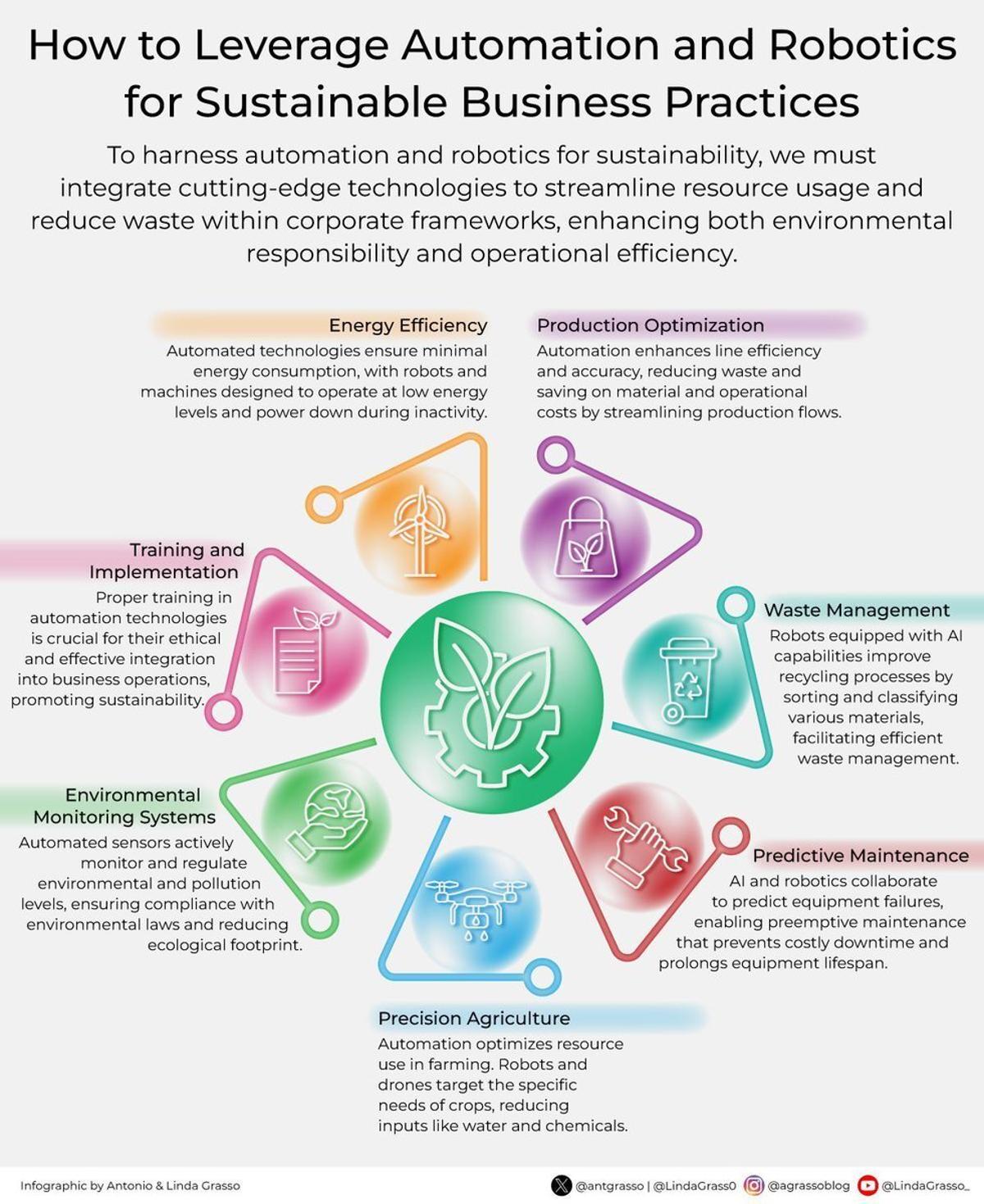
Automation and Robotics Drive Sustainable, Efficient Business Growth
Automation and robotics are becoming practical tools for sustainable business, guiding how organizations reduce waste, optimize resources, and align innovation with environmental responsibility while keeping operations efficient and ready for growth. Microblog by @antgrasso https://t.co/TVmEVjtLsE
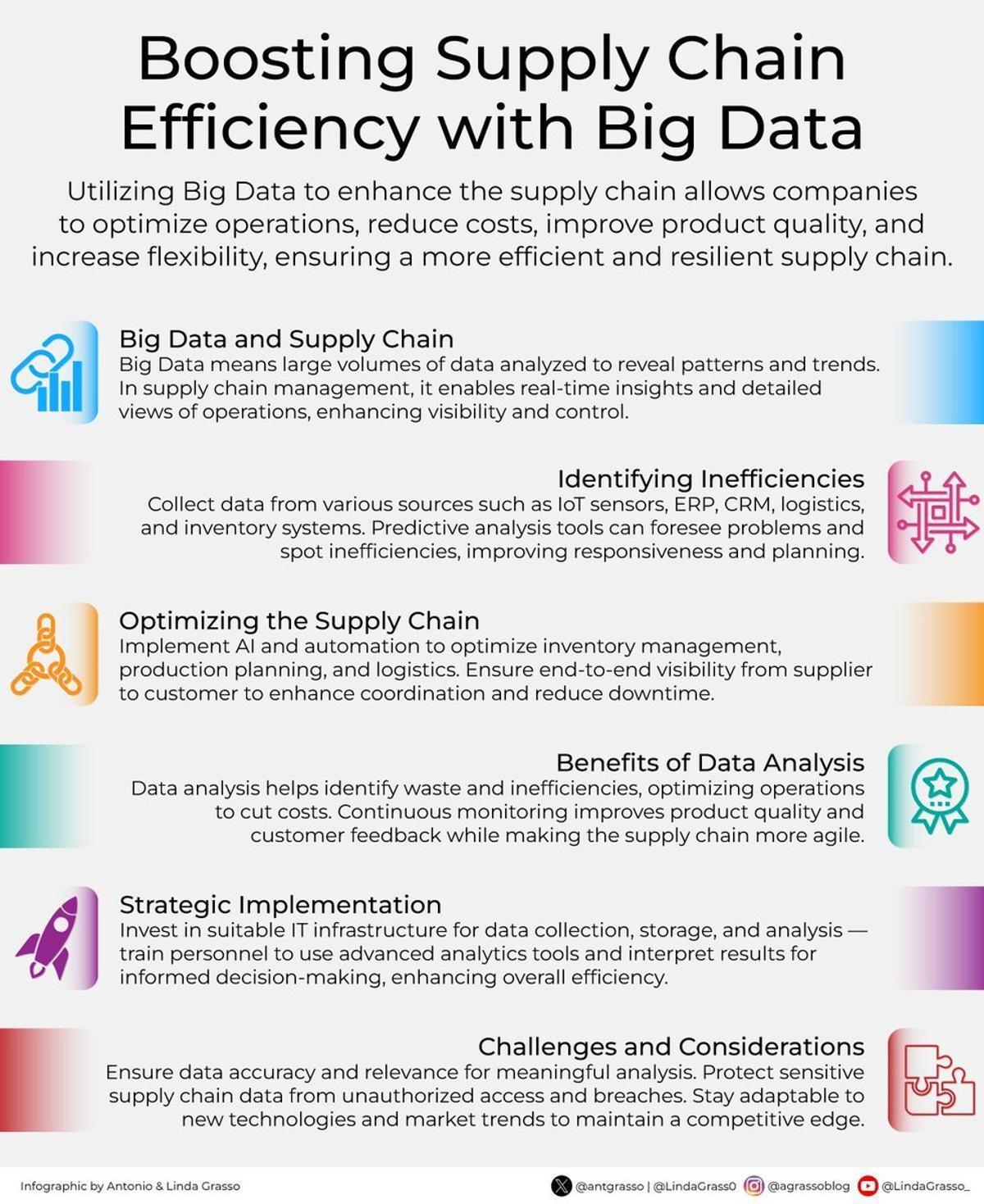
Integrated Data and Predictive Models Power Modern Supply Chains
Data is becoming the operational backbone of supply chains, where every delay or surplus can be traced and anticipated. Organizations need integrated data flows and predictive models so planning decisions align with real conditions. Microblog @antgrasso https://t.co/btn7lZgcVC
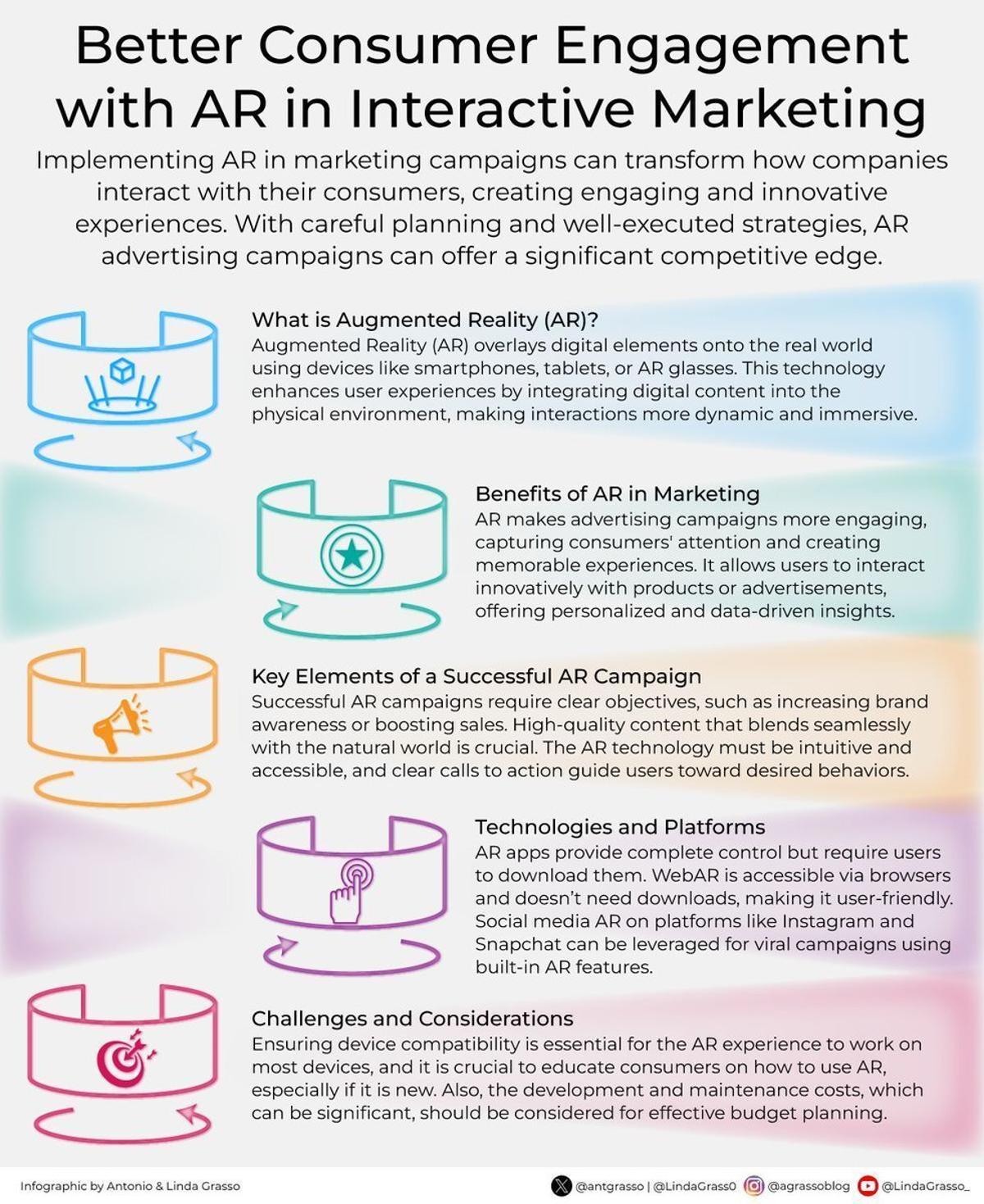
AR Becomes Operational Marketing Layer Demanding Instant, Clear Experiences
AR is shifting from experiment to an operational layer in marketing, where interaction is measurable and tied to intent. Brands must design flows merging physical context with digital cues since users expect immediacy and clarity in each touchpoint. Microblog @antgrasso https://t.co/3mSgVH5KPJ