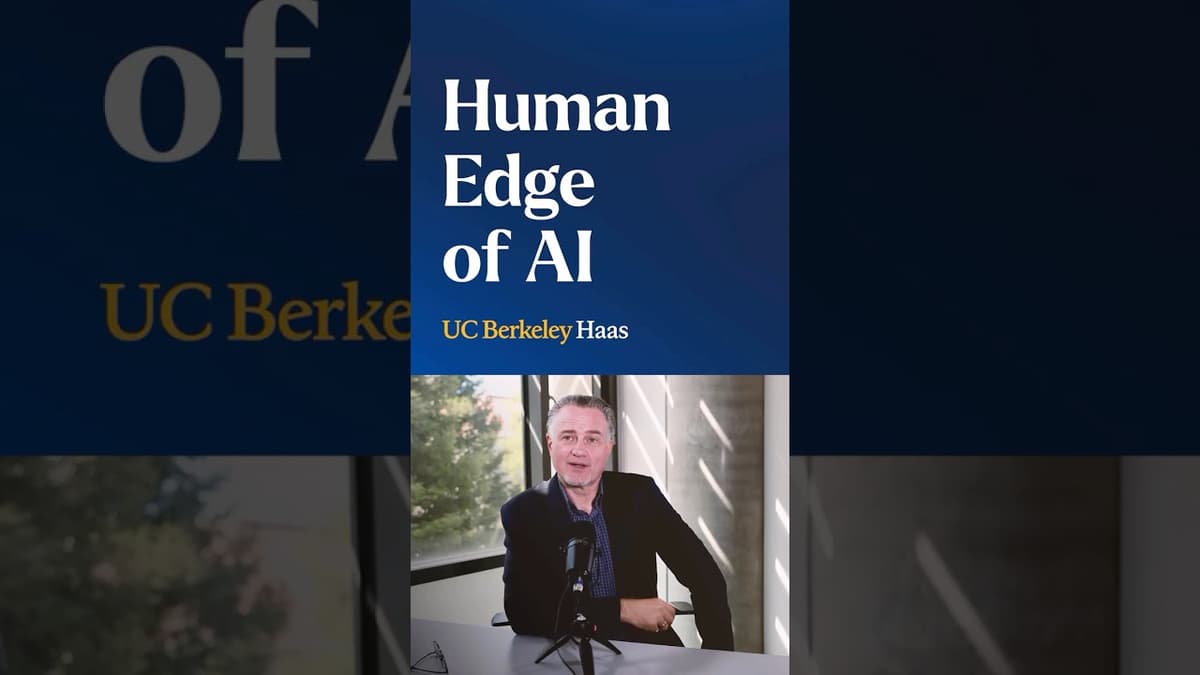
Human Edge of AI: Olaf J. Groth, PhD, on AI and Geopolitics
In this briefing, Olaf J. Groth, PhD, argues that artificial intelligence has moved from a purely technical challenge to a core element of geopolitics. He stresses that the hardware, data, compute power, energy and critical minerals required for AI are now strategic assets contested by nation‑states, placing every AI‑driven organization squarely in the geopolitical arena. Groth highlights three practical dimensions: the relocation of data centers to regions like the Middle East, which makes them vulnerable to kinetic and cyber warfare; the tightening of export licenses and trade barriers on semiconductor chips that reshape global supply chains; and the growing need for firms to monitor where their data flows—whether to China, Russia or other jurisdictions—to avoid unintended political exposure. He illustrates his points with vivid examples, noting that “your job is now at the center of geopolitics” and describing how competing governments are targeting AI infrastructure as a national security priority. The speaker also cites the emergence of new data hubs worldwide as companies scramble for resilient workloads amid escalating tensions. The implication for business leaders is clear: AI investment decisions must now incorporate geopolitical risk assessments, balancing expected returns against the need for resilience against sanctions, cyber attacks, and supply‑chain disruptions. Companies that embed this awareness into strategy will protect value and maintain operational continuity in an increasingly contested digital landscape.
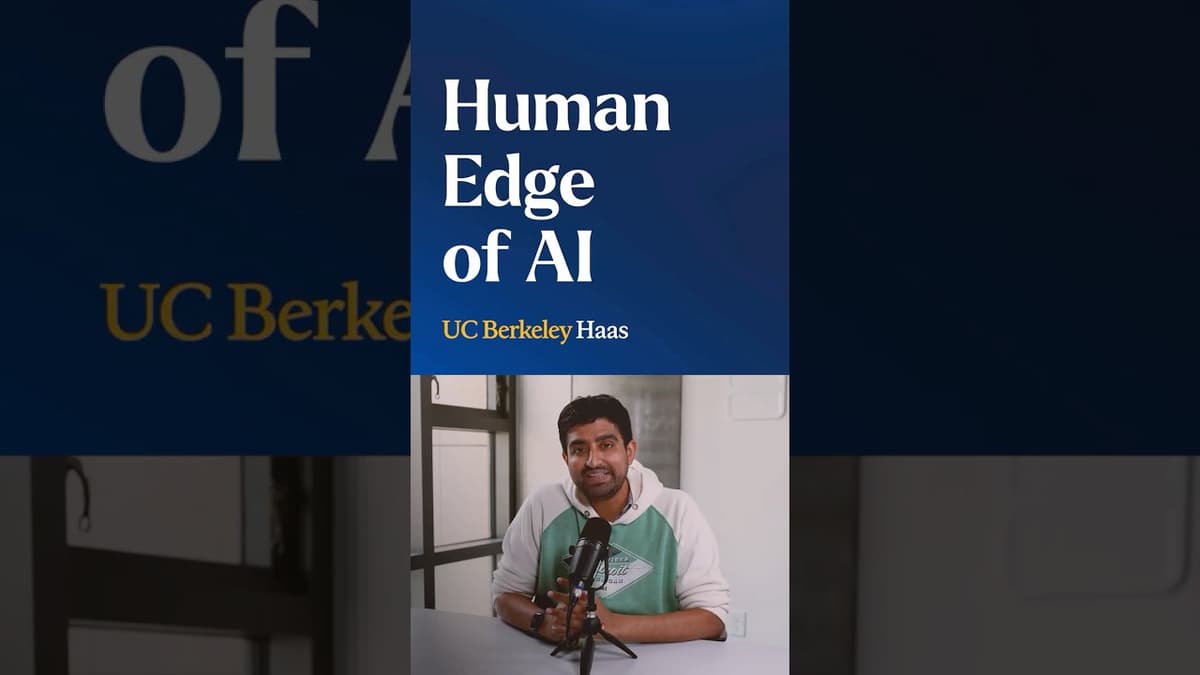
Human Edge of AI: Professor Abhishek Nagaraj on the 'Black Box'
In a recent lecture titled “Human Edge of AI,” Professor Abhishek Nagaraj tackles the pervasive view of large language models as inscrutable black boxes. He argues that while users see a simple input‑output interface, the underlying intelligence is uneven, displaying...
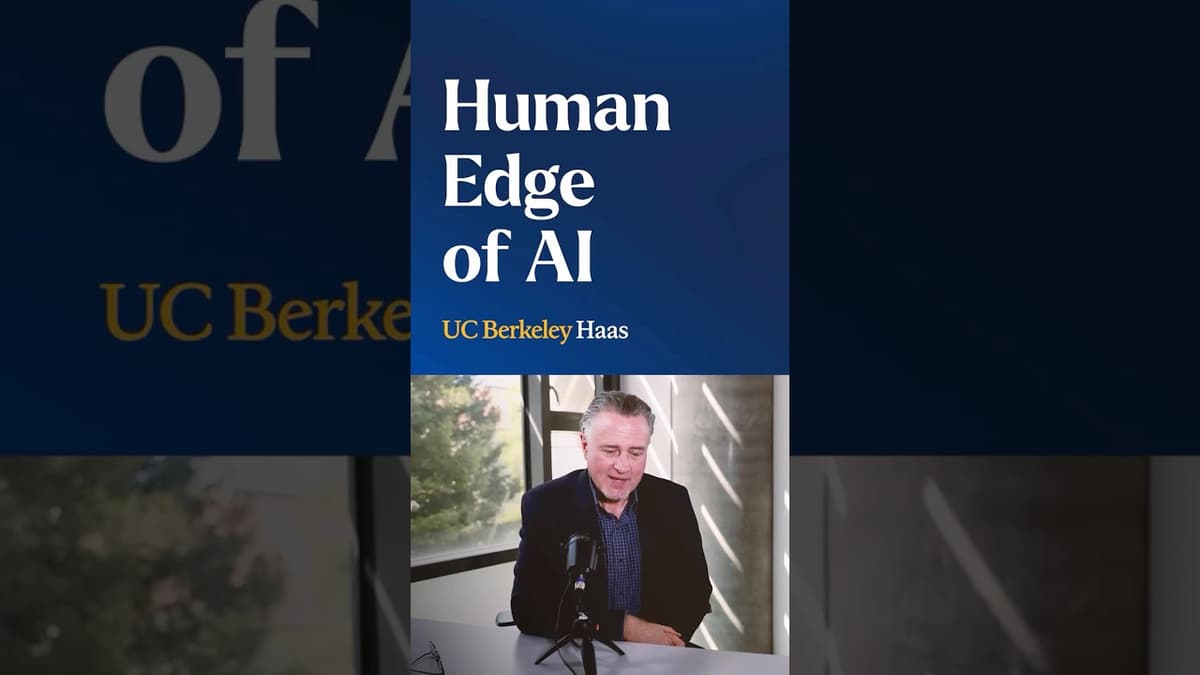
Human Edge of AI: Olaf J. Groth, PhD
In a recent lecture titled “Human Edge of AI,” Dr. Olaf J. Groth emphasizes that AI initiatives must be justified by measurable return on investment for both organizations and individual contributors. He argues that ROI is not a simple calculation of...
Human Edge of AI: Assistant Professor Solène Delecourt
Assistant Professor Solène Delecourt of Berkeley Haas warns that generative AI tools, increasingly used by MBA students for negotiation prep, carry hidden biases. Her research shows AI often infers lower experience and competence for women—particularly older women—leading to advice that recommends...
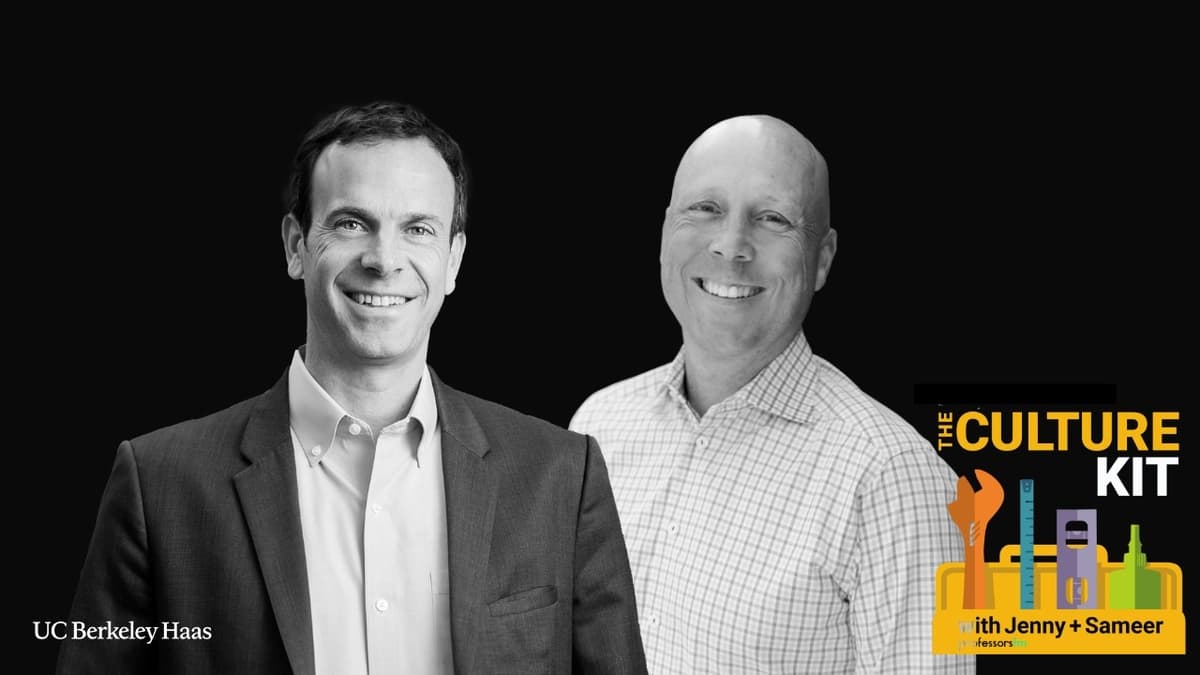
Healthcare Has a Culture Problem. Can AI Help Fix It?
The Culture Kit episode spotlights a deep‑seated cultural problem in U.S. healthcare: a fragmented organizational model that leaves patients feeling the disarray the moment they walk through a door. Guests Jon Kolstad, a health‑economics professor, and Ted Robertson, executive director...
Human Edge of AI: Associate Professor Abhishek Nagaraj
In a recent talk titled “Human Edge of AI,” Associate Professor Abhishek Nagaraj warns that students and professionals alike feel swamped by the torrent of new AI announcements, and he argues that the antidote is not more consumption but deliberate...
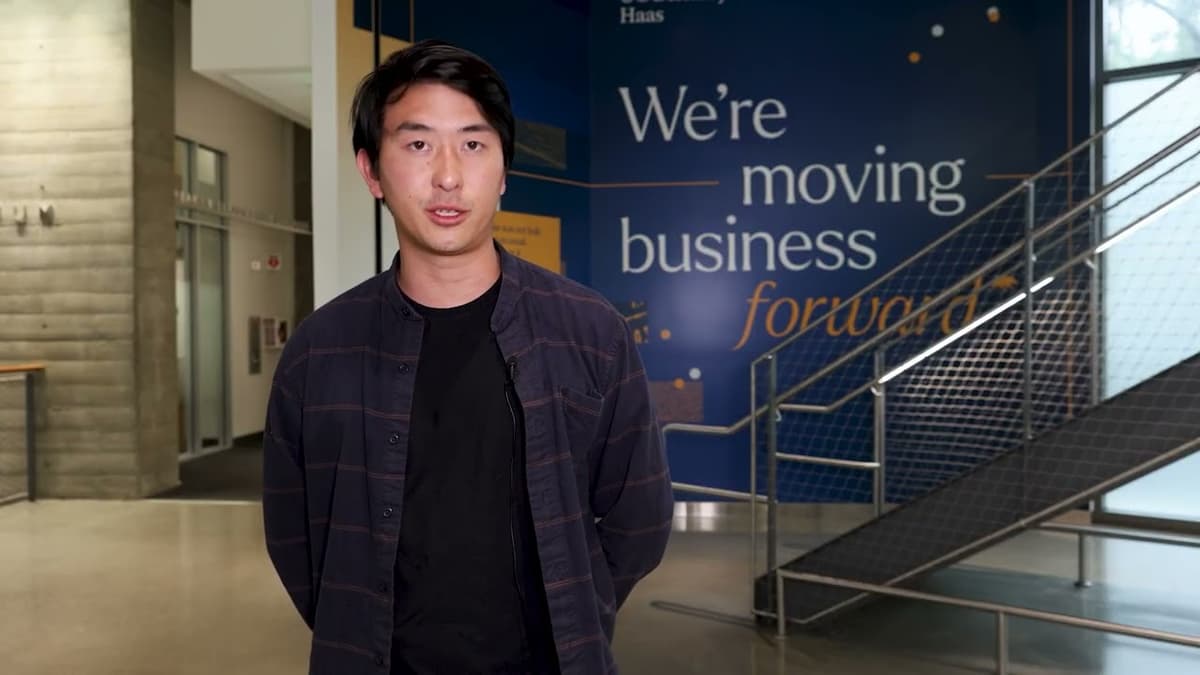
James Wang, MBA 26, on Leading a Project with Nonprofit Bright Solar
James Wang, a second‑year MBA student at Haas, is heading a consulting project with Brightsaver, a one‑year‑old nonprofit that seeks to broaden access to renewable energy through a novel “plug‑in solar” technology. The initiative examines how a mission‑driven organization can generate...

Jeanne Tsai on the Invisible Standard That’s Governing Your Organization: Emotions
The Culture Kit episode features Stanford psychologist Jeanne Tsai discussing the invisible emotional standard—‘ideal affect’—that cultures teach people to want to feel and how it governs workplace judgments. Tsai distinguishes ‘actual affect’ (what people feel) from ‘ideal affect’ (the emotional states they...
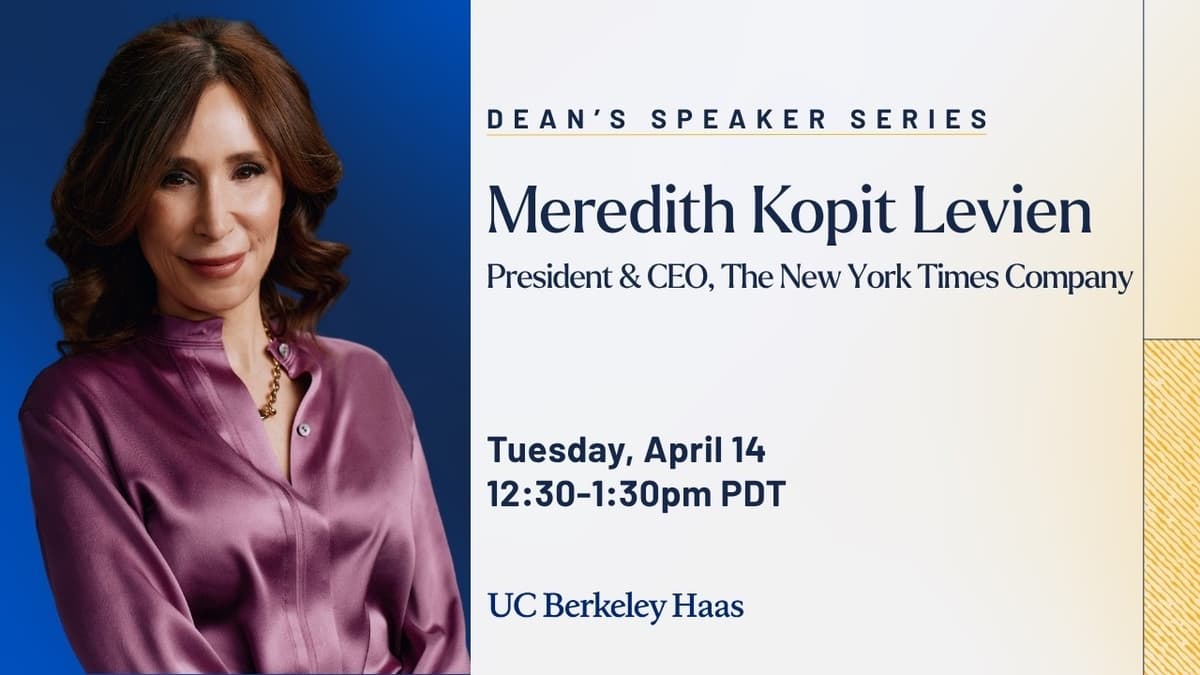
Dean's Speaker Series | Meredith Kopit Levien | President & CEO, The New York Times Company
The Dean’s Speaker Series featured Meredith Kopit Levien, President and CEO of The New York Times Company, who outlined the newsroom’s evolution from a legacy print institution to a digital‑first, product‑driven subscription business. Levien explained that the hardest internal belief to shift was the separation...
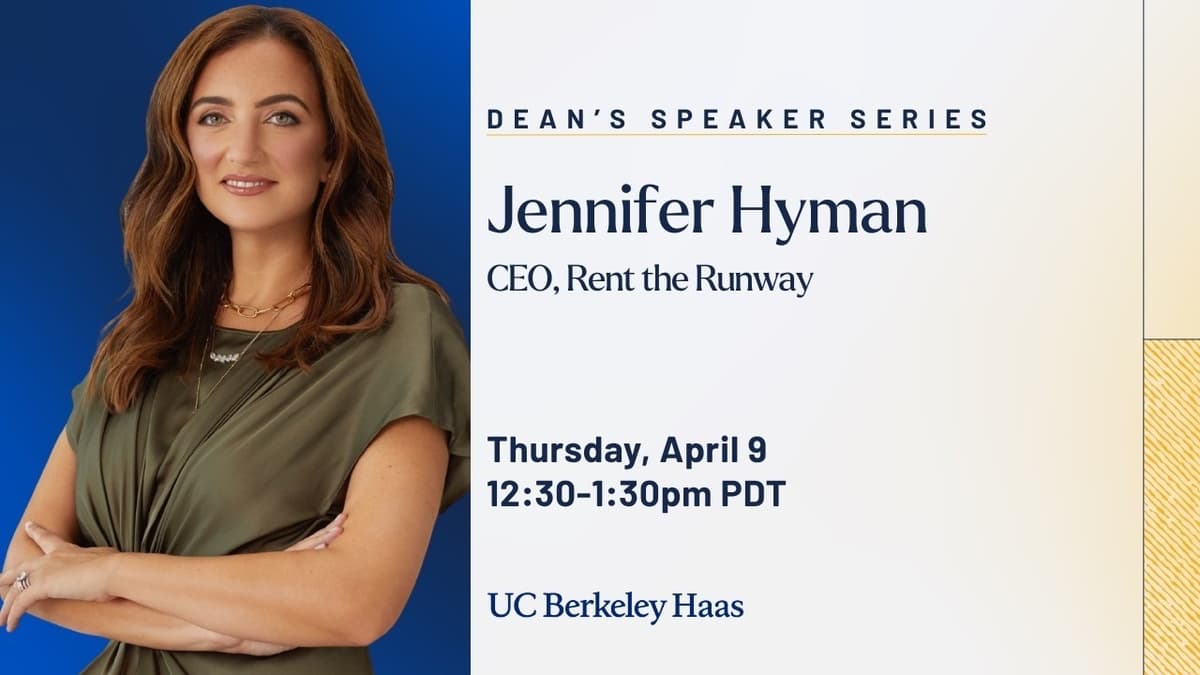
Dean's Speaker Series | Jennifer Hyman | CEO, Rent the Runway
The Haas School of Business hosted Jennifer Hyman, co‑founder and CEO of Rent the Runway, for its Dean’s Speaker Series. Hyman recounted the company’s evolution from a college‑room idea to a publicly traded fashion‑logistics platform with over 11 million members and...

Melissa Valentine on Assembling Your ‘Avengers’: Flash Teams in the Age of AI
In this Culture Kit episode, Stanford professor Melissa Valentine explains how artificial intelligence is prompting a fundamental rethink of organizational design. She argues that the most transformative invention of the past two centuries isn’t AI itself but the org chart,...

Jack Goncalo on What Organizations Get Wrong About Creativity—And What It's Costing Them
Jack Goncalo, a leading scholar on organizational creativity, explains why companies that loudly champion innovative cultures often sabotage the very ideas they need. Drawing on a series of experiments, he shows a stark gap between executives’ verbal endorsement of creativity...