
Walking Boosts Mitochondrial Health, Eases Depression
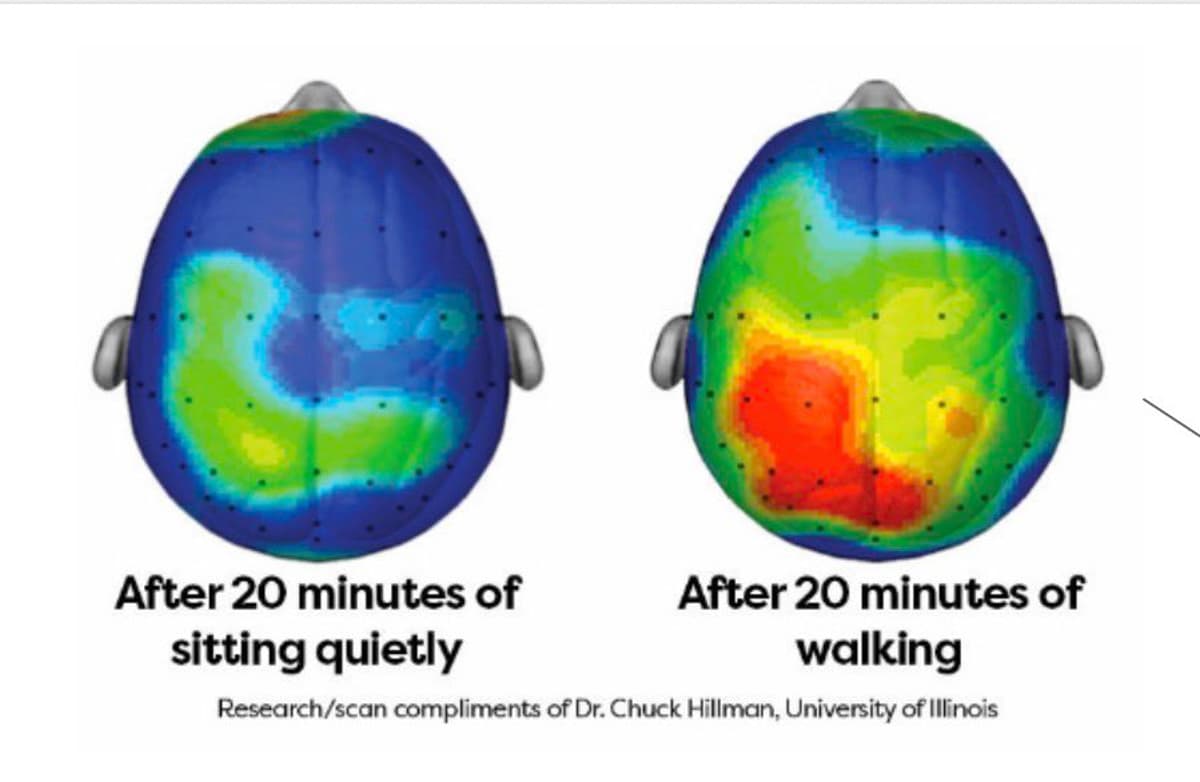
Autonomic imbalance is a major and well-documented factor in depression. Depression is also a bidirectional disorder of the mitochondria. These two facts present a glaring detail most therapists miss, as did Dickens and those who came after. Depression being a mitochondrial issue makes it an aerobic limitation. Hence one of the key factors in why walking changes state. You’re actively engaging the aerobic system and still utilizing the parasympathetic nervous system. You are still creative, not highly/obsessively focused (sympathetic nervous system), and blood flow has increased. This increases oxidative capacity far more than at rest. Resting lactate levels will be routinely higher than walking or low level effort lactate levels. The rise in lactate is a signal of increased stress/energy demand. You have specialized neurons (orexin) in the brain that get excited with lactate and preferentially want this substrate. There is also a direct correlation between lactate, adrenaline and cortisol changes, of which begin to clear as walking increases. After 20 minutes of walking your body is moving into a highly oxidative state and your brain is able to relax and take it all it, not because of any special story—that’s the emotional system still running the show—it’s because you are doing what we physiologically adapted to do to survive. Behavior is the visible output of the nervous system — it is the body’s best guess at staying safe, made legible. Depression is about connecting the dots between dysfunctional energy and the nervous system. Not developing an aerobic system with depression (or ANY mental health issue) is massive failure in mental health.

Vomiting During Cardio Signals Impaired Aerobic Metabolism
One of the signs you can’t support your mass aerobically is by the exercise —> puke response. You’re acidic so quick that your gut (which had almost all blood shut off) is being told by the nervous system to...
Fatigue Undermines Aerobic Power and Stress Response
“Fatigue will make cowards of us all.” Weight cut obv. did not go well. However 👇🏼 The first thing to be impacted by fatigue is the functionality of the aerobic system (cells/energy) that is being bidirectionally signaled via nervous system between...

Longer, Easier Swims Boost Recovery for Autonomic Dysfunction
1700W in a sprint at the end of a stage. Today, they went 151km and avg 168W (92HR avg for the guy whose data was shown). Convinced a swim sprinter yesterday that swimming longer and easier (1:30 pace/100 instead of 1:15)...

Activate Aerobic System Early to Avoid Stress‑Induced Fatigue
High stress individuals who simply add in down-regulation without ACTIVELY engaging the aerobic system stand to learn a harder lesson. When the cells early default is glycolysis, obviously the aerobic system lags or struggles/mito limitation. If this person doesn’t teach that...
Athletes Over
In the last 20 athlete profiles we have done there has been 1-athlete whose perceived stress, and actual stress markers were aligned. Most people are dealing with some sort of autonomic imbalance as sympathetic dominance, while simultaneously thinking they manage stress...
Sympathetic Overdrive Caps Peak Power, Breath Tests Reveal
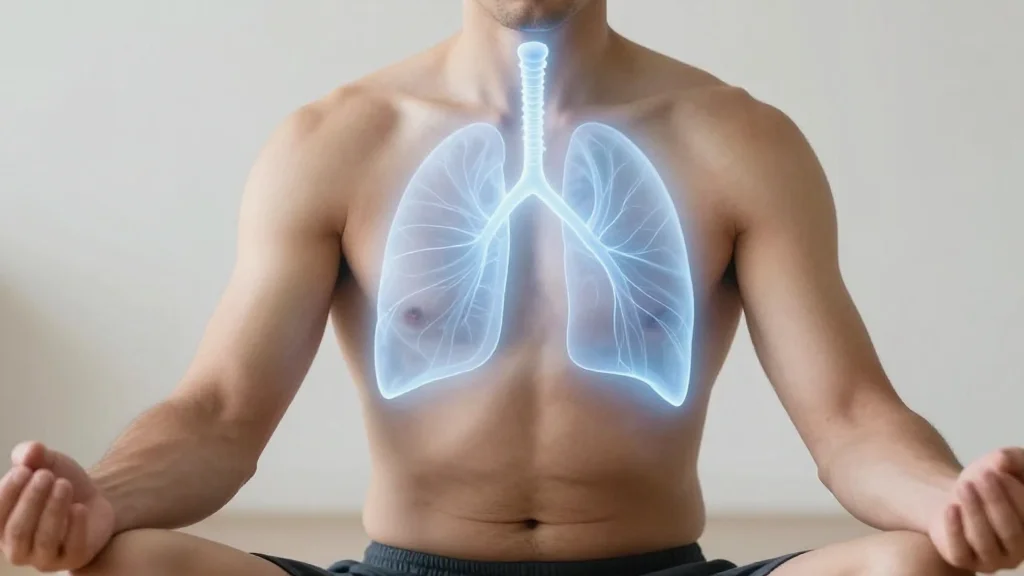
Peak neuromuscular output is one of the most autonomically-sensitive measurements you can test. A sympathetic-dominant system—of which is the most prominent problem—will frequently underexpress alactic power (peak power) because the recruitment ceiling is being protectively capped. The athletes that can...

Skipping Recovery Slashes Fat Burning, Forces Carb Dependence
How much does the nervous and aerobic systems change when not recovered? Rested, and ready I’ve tested at >10 kcal/min fat max. HR 120 Not ready, while I’m still trying to recover that fat max reached 4.4 kcal/min today. HR max was...

Running Fuel Missteps: SNS Up, Gut Shuts Down
One of the common problems with people fueling while exercising (running) is a gross misunderstanding of how energy systems and the autonomic nervous system (including enteric NS) work. When the aerobic system is limited, the SNS has dialed up, and...
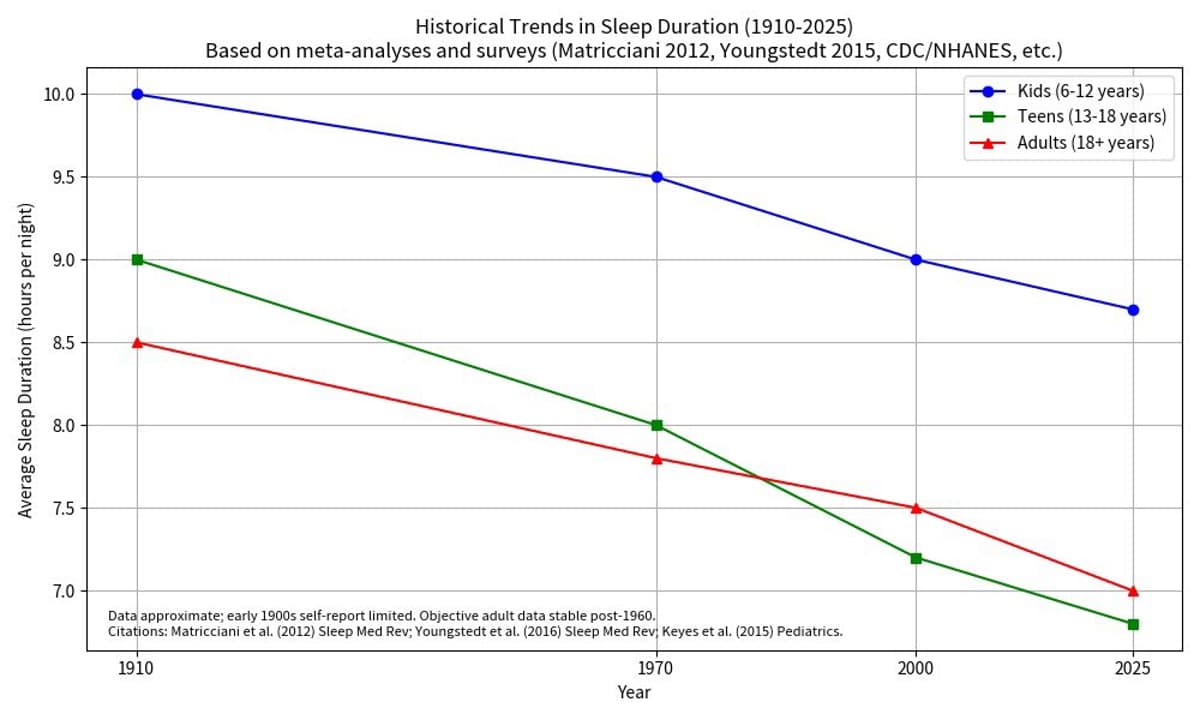
Sleep: The Ultimate Performance Boost Society Overlooks
Sleep is the most potent performance & health enhancement that we have, and once society is ready to see it— the medical estb. will follow. This doesn’t mean movement, nutrition, or light aren’t vital. Until it is understood, the 7...

Performance Grows by Organizing Existing Capacity, Not Adding More
The mirror of behavior & physiology. More capacity is not always the answer. Sometimes performance improves when the system learns to organize what it already has. Most people read behavior as personality. In performance, that is often too shallow. What looks like...

Survive 14 Days Solo with Minimal Gear
1. Get some camping gear. 2. Buy 1000 calories worth of freeze dried and canned food x 10 days = 10,000 calories. 3. Get enough water for 2 days. 4. Drive to a national forest. Park, leave your phone. Hike into the...

Pain Isn't Proof: Proper Sprint Training Beats Overdoing
Friend of mine two-days ago. 63yrs old. Trains every day. Ex-pro beach volleyball. Constantly tearing something. Quads sprinting, hamstrings and rotator cuffs in others. Tells me he did 30 x 30m max sprints; he was fried. I told him I’d...

Mouth Tape Benefits only Low‑aerobic Sleepers, Not Everyone
What do you think about mouth tape? I got that question again at an event yesterday. The answer: those who are aerobically challenged//can’t meet standard of carrying their weight/mass with their mouth *shut* (Gear 1) suffer the most at night. And...

Aerobic Capacity Determines Stress Resilience, Not Just Adrenaline
Part of the glycolytic trap involves the activation of the SAM & HPA Axis. Where high stress athletes w/ poor nervous system regulation have minimal aerobic function. Adrenaline and cortisol change perception. Athletes who live in glycolysis have trained their...