

Breathing for Women, Children, and Sleep: Reflections From San Francisco
The video features a conversation with renowned physiotherapist Kelly Starrett and his wife Juliet, focusing on how breathing patterns affect women, children, and sleep quality. They explore the physiological links between nasal versus mouth breathing, diaphragm use, and overall health outcomes. Key insights include exercise‑induced bronchoconstriction caused by hyperventilation, the role of nasal breathing in raising CO2 tolerance, and how chronic mouth breathing in children impairs craniofacial growth and disrupts oral and gut microbiomes. For women, hormonal fluctuations—particularly progesterone spikes—lower CO2 levels, heightening fatigue and anxiety; the hosts recommend tracking the BOLT (Body Oxygen Level Test) score across menstrual phases. Upper airway resistance syndrome, more prevalent in females, fragments deep sleep and lowers arousal thresholds. Illustrative examples range from children’s crowded teeth due to low tongue posture to the presenter’s personal practice of mouth‑taping (via Myotape) to encourage nasal breathing. A vivid anecdote describes returning to San Francisco, noting the clear view of the Golden Gate Bridge as a reminder to breathe mindfully and stay present. The discussion underscores that everyday breathing habits directly influence respiratory efficiency, sleep architecture, and even facial development. By adopting nasal, diaphragmatic breathing, monitoring BOLT scores, and performing light, slow breath exercises, individuals can mitigate stress responses, improve sleep continuity, and support long‑term health.
You’re Missing Your Entire Life 🧠 #mindset
The video argues that most of us live inside our own heads, spending roughly half of our waking hours in mental chatter rather than present experience. It uses a personal anecdote of a young professional forced to sit on a...
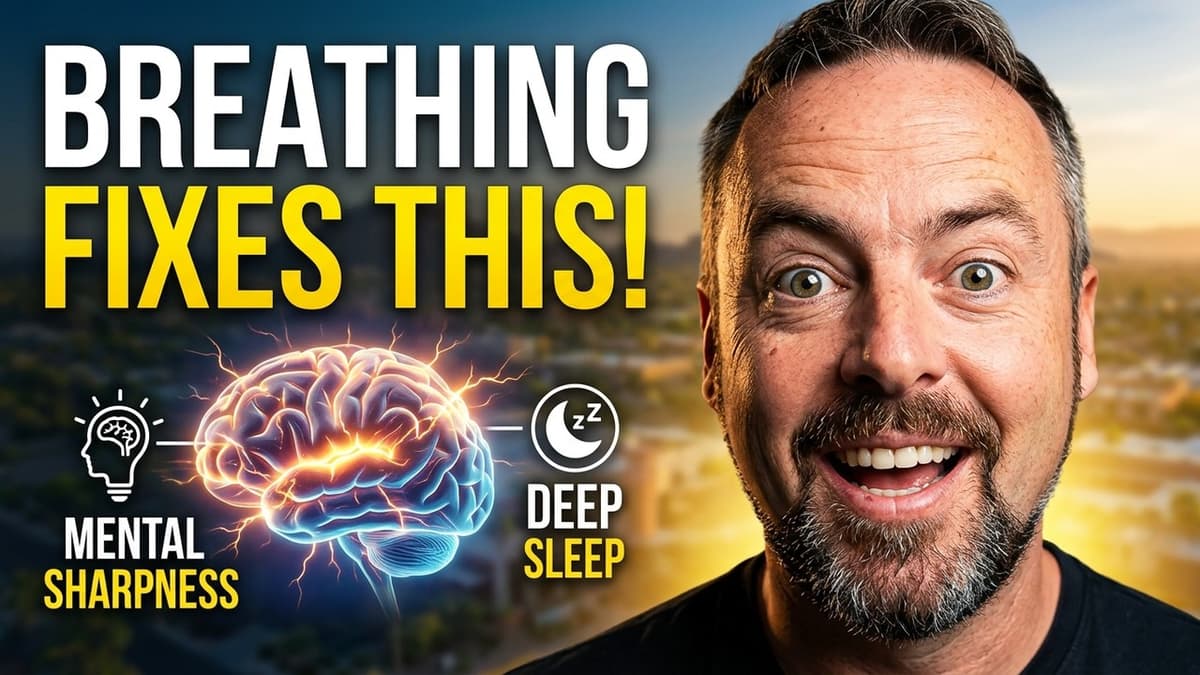
Why Breathing Is the Missing Link in Health, Sleep & Mental Performance
The video spotlights breathing as a foundational health modality, with the speaker outlining a whirlwind schedule that includes talks at the American Sleep and Breathing Association, pediatric dental meetings, police force trainings, and retreats for entrepreneurs. He emphasizes nasal and...
Breathing Techniques to Improve Your Thinking #brainhealth #tips
The video explores how different breathing patterns affect brain activity, focusing on the default mode network and its role in rumination. It explains that nasal inhalation‑exhalation can dampen default mode network connectivity, while mouth breathing lights up speech‑related regions, effectively coupling...
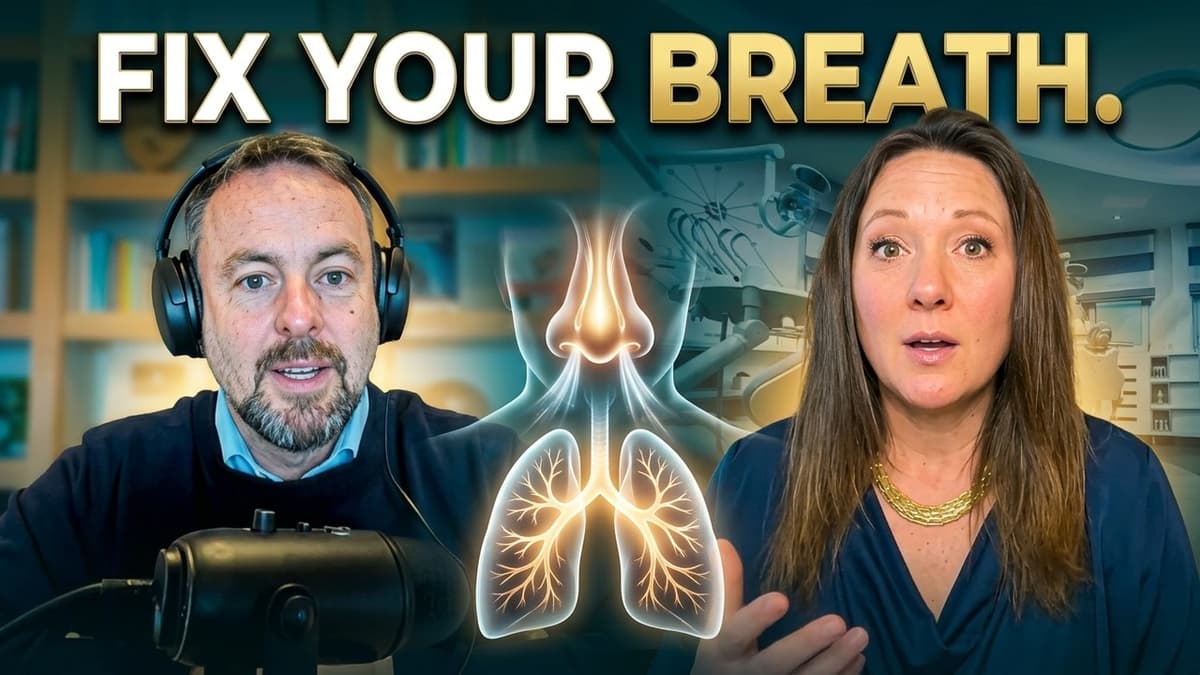
Breathing Wrong Your Whole Life? Patrick McKeown & Ronda Holman Show You Why
The conversation between Patrick McKeown and Ronda Holman centers on how dysfunctional breathing—particularly mouth breathing—undermines sleep quality and contributes to obstructive sleep apnea. Holman, a former mouth breather turned airway champion, shares her personal journey and explains that many adults...
Overcome Panic Attacks: Stop Suffocation Fear
The video explains the respiratory subtype of panic disorder, where sufferers experience intense suffocation fear, rapid heart rate, and overwhelming breathlessness during attacks. It highlights how a normal sensation of air hunger—often caused by a slight rise in blood carbon dioxide—can...
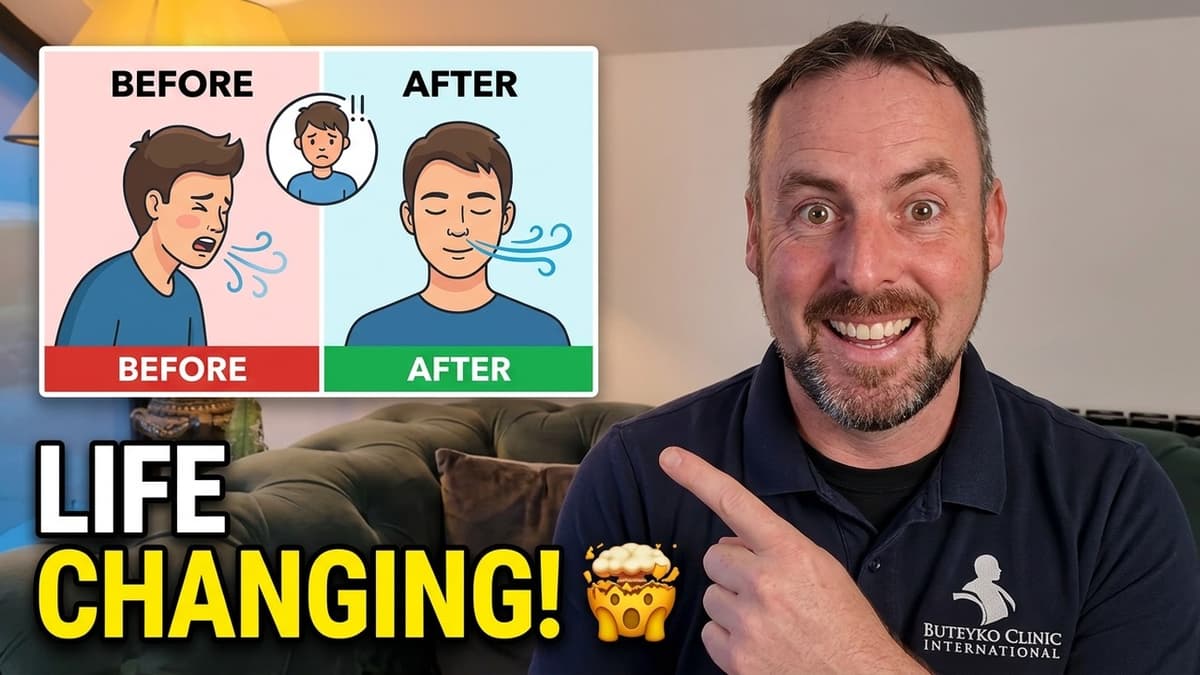
Teenagers + Buteyko = Life Changing Results
Patrick McKeown warns that teenagers' constant phone scrolling trains the brain for fleeting attention, jeopardizing learning and performance. He argues that short attention spans diminish quality of work across academics, sports, and creative fields, and fuel overactive, racing thoughts that harm...

Unblock Your Nose FAST Simple Breathwork Technique
The video introduces a quick breath‑control routine designed to clear nasal congestion without medication. The instructor guides viewers through a sequence: take a small nasal inhalation, exhale, pinch both nostrils, hold the breath while gently nodding the head up and down,...

Unblock Your Nose Instantly With This Simple Breath Exercise
The video introduces a simple breath‑hold exercise designed to quickly decongest the nose. By closing the mouth and holding the breath for about a minute, viewers can reset nasal passages and maintain clear airflow for life. The presenter explains that the...
Stop Overthinking: Get Out Of Your Head
The video argues that most people spend roughly half of their waking hours trapped in mental chatter, preventing true engagement with the world around them. It uses a personal anecdote of sitting on a beach and feeling nothing because the mind...
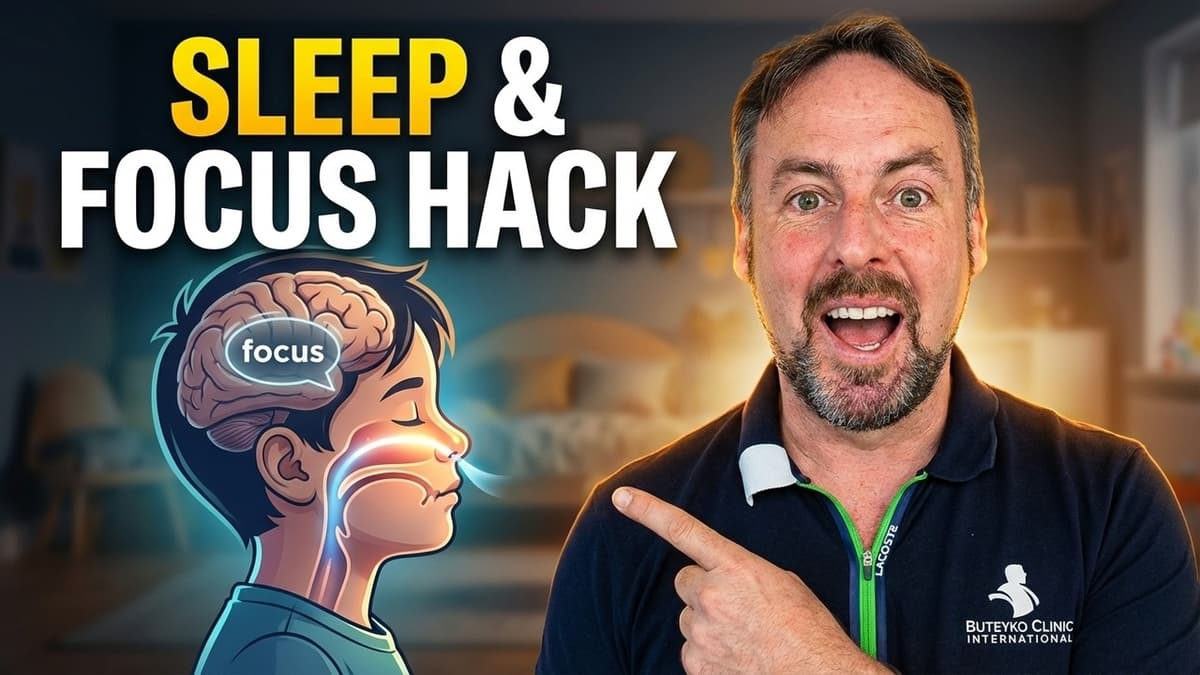
This Breathing Technique Changes Everything for Children
The video highlights a pervasive issue: between 25% and 50% of children habitually breathe through an open mouth, a pattern that can undermine health and development. Patrick McKeown, a certified Buteyko practitioner, argues that chronic mouth breathing triggers a heightened...

Stressed? Your Breathing Gave It Away #anxiety #breathwork #stressmanagement
Patrick McKeown opens the video by linking today’s global turbulence to the internal chaos of the human mind, arguing that the way we breathe under stress amplifies anxiety. He describes the classic stress response: faster, irregular, upper‑chest breathing that feeds...

Why You're Losing Deep Sleep Without Realizing It #sleep #brain #warning
The video explains how insufficient deep sleep can have long‑term neurological consequences, potentially accelerating neurodegenerative diseases such as dementia. It highlights that deep sleep is disrupted when the airway narrows or breathing becomes slightly labored, prompting the brain to partially awaken...
This Breath Test Shows If You'll Snore Tonight #sleepapnea #prediction
The video introduces the "control pause" breath test, a simple measure of how long a person can hold their breath after a normal nasal inhalation and exhalation. It argues that daytime breathing patterns directly influence nighttime airflow, making the test...
Master Your Mind with Nasal Breathing
The video explains how nasal breathing—inhale and exhale solely through the nose—can quiet the mind and improve emotional regulation. It argues that the nose sends a unique signal to the brain, altering brain‑wave patterns and dampening regions associated with rumination,...