
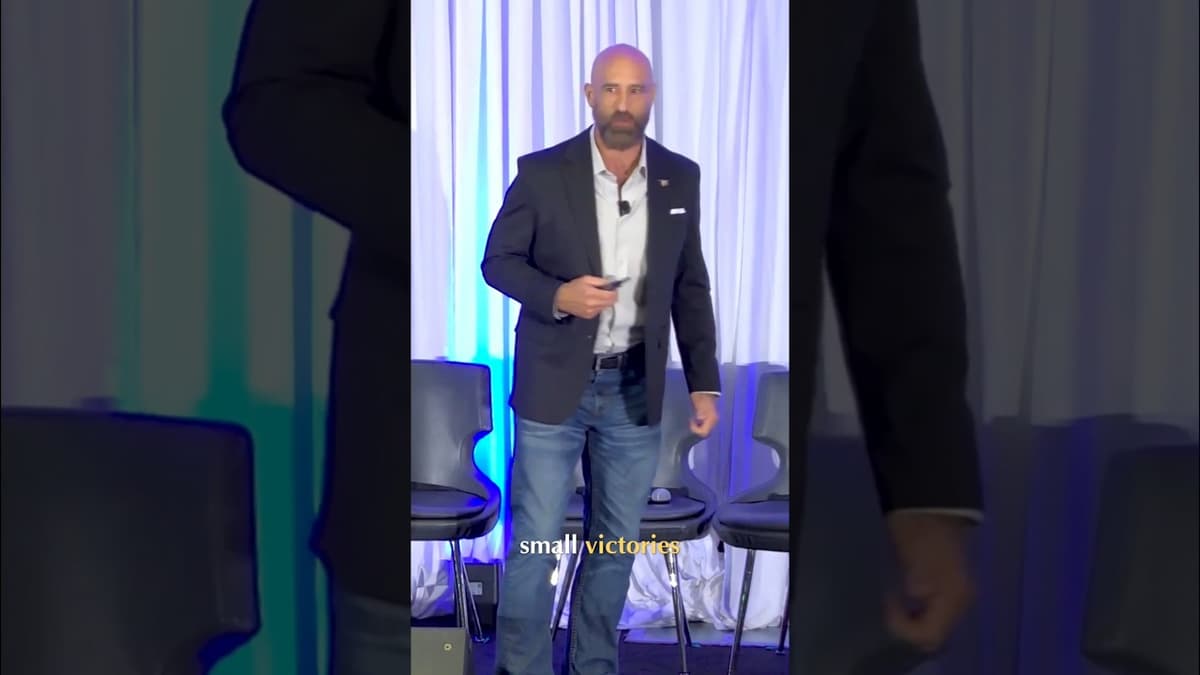
How Navy SEALs Win: One Small Victory at a Time
The video explores the Navy SEAL mindset, emphasizing how breaking down overwhelming challenges into "small victories" can restore personal control and drive success. It uses the grueling Hell Week—a five‑and‑a‑half‑day ordeal of cold, wet conditions, severe sleep loss, and relentless physical tasks—as a vivid illustration of this principle. Key insights highlight that when faced with chaos, such as an ambush, SEALs focus on controlling their thoughts and actions rather than the external environment. The training regimen reinforces this by offering four scheduled meals each day; each meal becomes a concrete milestone that signals progress and sustains morale despite extreme hardship. The speaker recounts vivid moments: "If I'm in a gunfight, the only thing I can do is control my thoughts and my actions," and describes how the promise of the next meal fuels perseverance during Hell Week. These anecdotes underscore the power of incremental goals in maintaining mental resilience. For business leaders, the lesson translates into structuring work around achievable micro‑wins, especially during high‑pressure projects. By anchoring teams to tangible short‑term targets, organizations can preserve focus, boost morale, and ultimately navigate complex challenges more effectively.
Why Building to Sell Is the Wrong Goal | Startups, AI & Acquisitions
In this talk, Jim Graff—veteran entrepreneur and DocuSign executive—argues that building a startup with the sole aim of selling it is a misaligned priority. He draws on his experience across five startups, including an acquisition by Apple, to illustrate that...

The K-Shaped Economy: Why AI Users Are Pulling Ahead Fast
The video frames today’s economy as a “K‑shape,” where AI‑enabled firms surge while those that ignore the technology lag. The speaker argues this divergence is not hype but a gravitational pull reshaping productivity across sectors. He highlights how generative AI can...
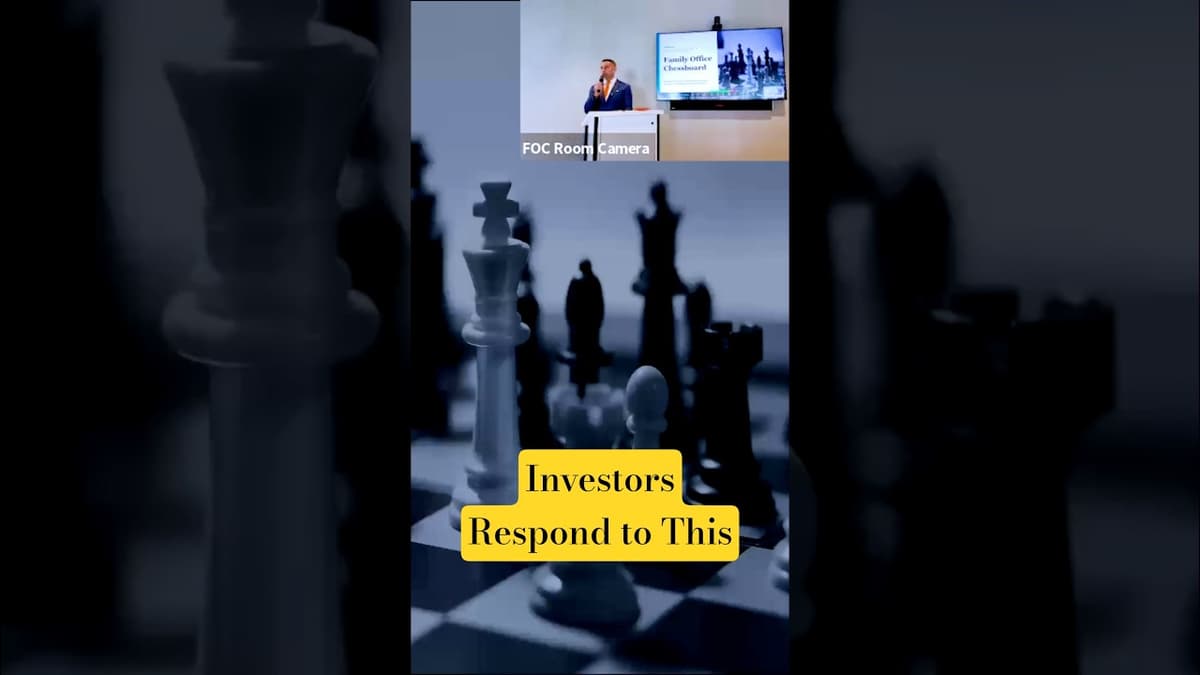
🔥 Why Reg A Investing Is 2,000x Less Competitive Than Reg D
The video highlights the stark disparity between Regulation A (Reg A) and Regulation D (Reg D) capital raises. While roughly 53 offerings exist under Reg A, Reg D boasts about 150,000, making the latter roughly 2,000 times more competitive. This imbalance...
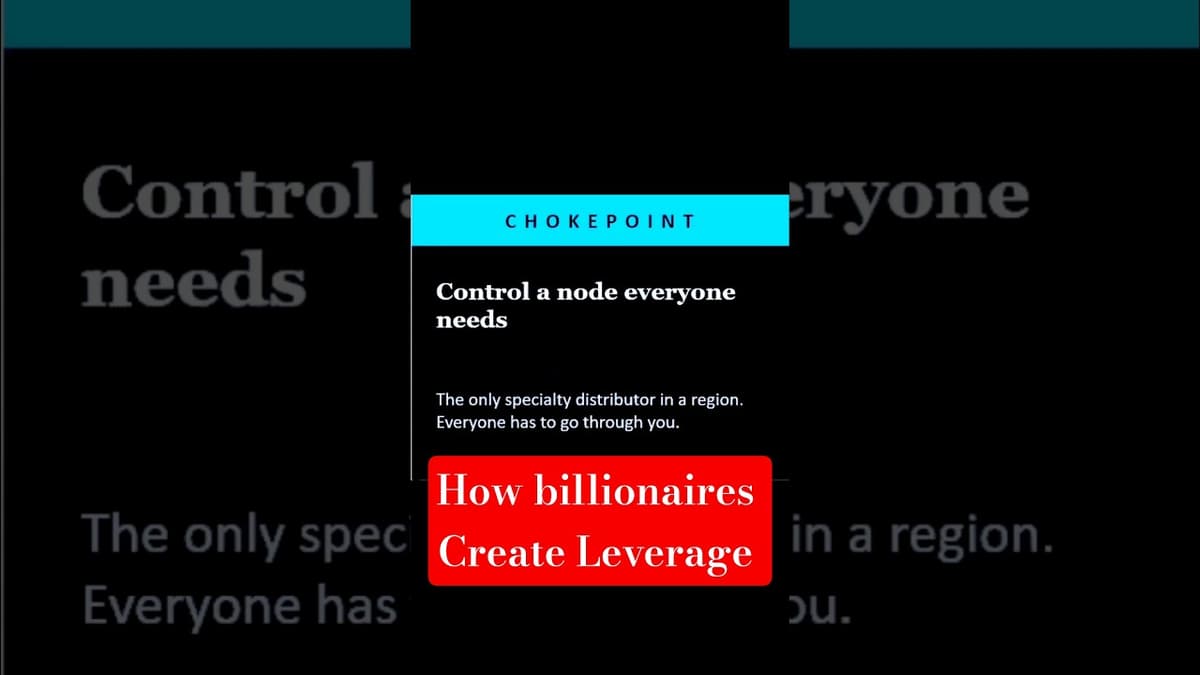
How to Remove Friction and Build Business Leverage Fast
The video explains how entrepreneurs can accelerate growth by systematically eliminating friction points—referred to as “strategic choke points”—through targeted asset acquisition. The speaker advises mapping the industry’s highest‑cost bottlenecks, then acquiring assets that either remove those bottlenecks or turn them into...

Why Billionaires Buy Strategic Assets (Not Cash Flow) | Richard C. Wilson
The video explains why ultra‑wealthy investors seek assets that serve strategic purposes rather than pure cash‑flow generators. Richard C. Wilson argues that billionaires view businesses as pieces on a custom board, where the value lies in the leverage they provide. He...
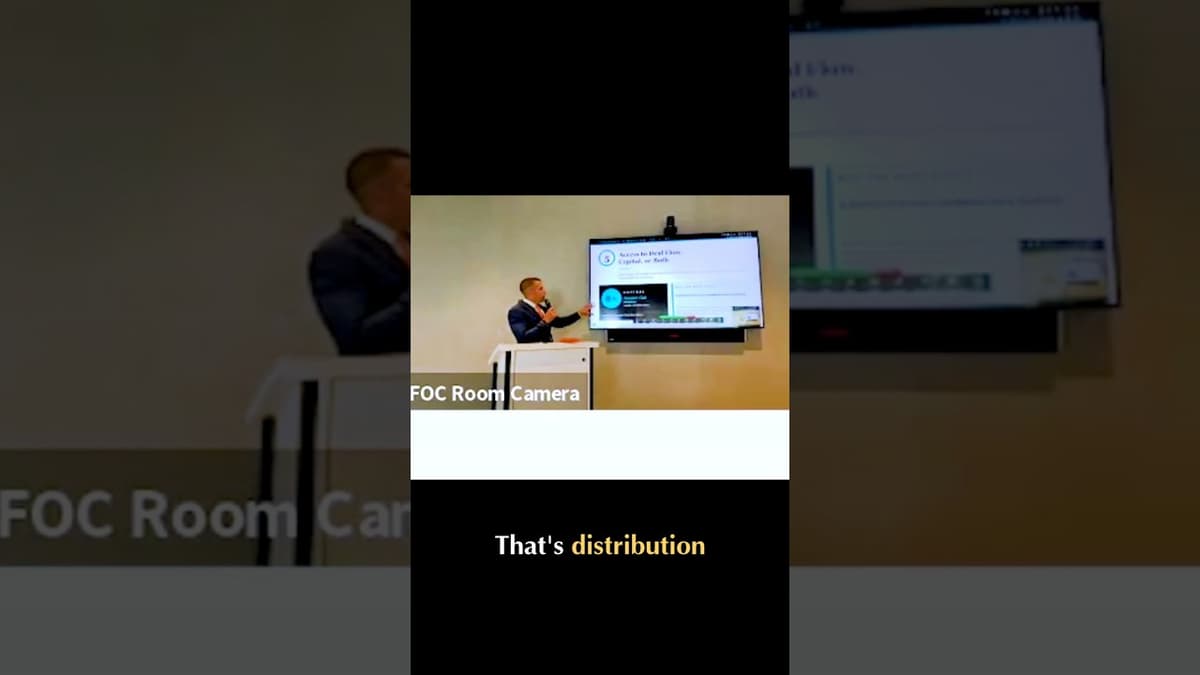
How to Control Deal Flow & Capital by Owning Distribution | Family Office Strategy Explained
Family offices are increasingly focusing on distribution ownership as a lever to control both deal flow and capital. The presenter argues that securing channels—like getting products onto Costco shelves—can dwarf traditional advertising spend, turning distribution into a revenue engine. The talk...
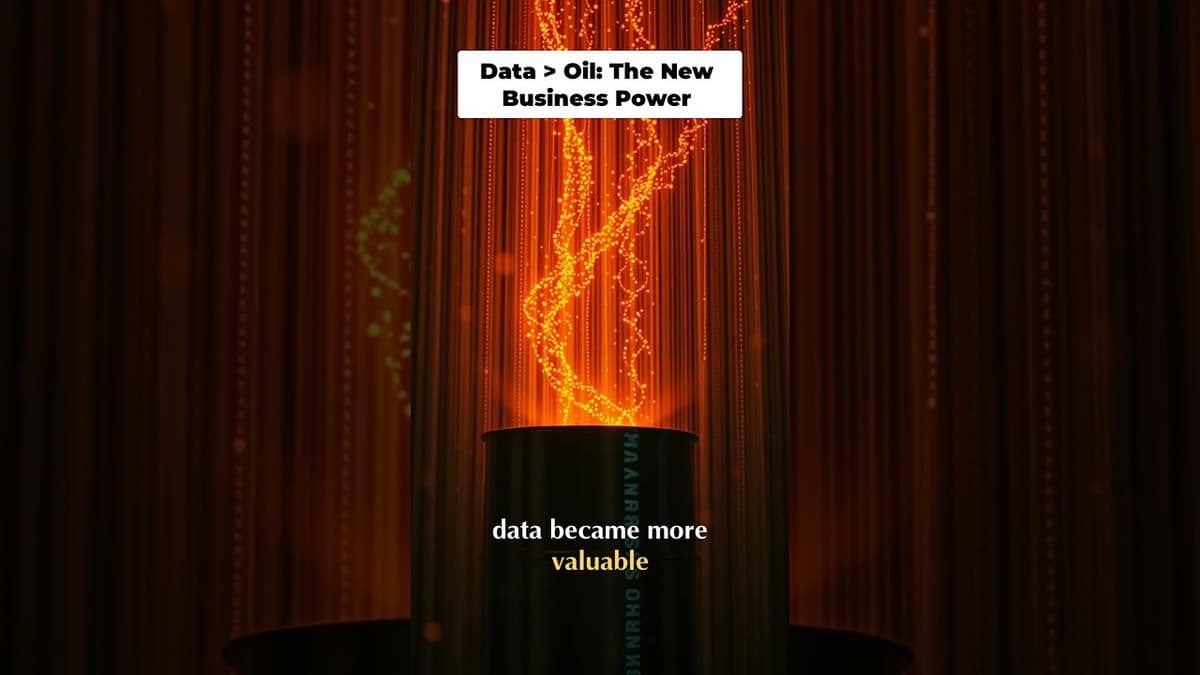
Why Data Is More Valuable Than Oil (And How Family Offices Use It to Win) | Richard C. Wilson
The talk argues that data has eclipsed oil as the premier source of economic power, especially for family‑office investors who can turn raw information into decisive advantage. By aggregating insights from centimillionaires and billionaires through a mobile app and curated...

Family Office Investing Strategy: Why Cashflow Is Dead | Richard C. Wilson
Richard C. Wilson argues that traditional cash‑flow buying models are obsolete as AI‑driven direct‑to‑consumer channels eclipse human traffic. He notes that bots now generate more content and purchases than people, urging investors to acquire modular assets that fit a custom “game...

Tokenization vs Reality: Why Blockchain Liquidity Is Overhyped (Investor Panel Insights)
The panel discussion tackled the hype surrounding blockchain tokenization, arguing that the technology’s most tangible benefit lies in regulatory compliance and immutable record‑keeping rather than speculative trading. Participants highlighted that the promised liquidity of tokenized assets has not materialized for...

AI Investment Boom, Agentic AI & CRISPR Breakthroughs | Super Summit Investor Panel
The panel highlighted an unprecedented surge in AI financing, with global venture capital pouring over $100 billion into artificial‑intelligence ventures in 2024 – an 80% jump from the previous year and accounting for roughly half of all VC dollars. Speakers warned...
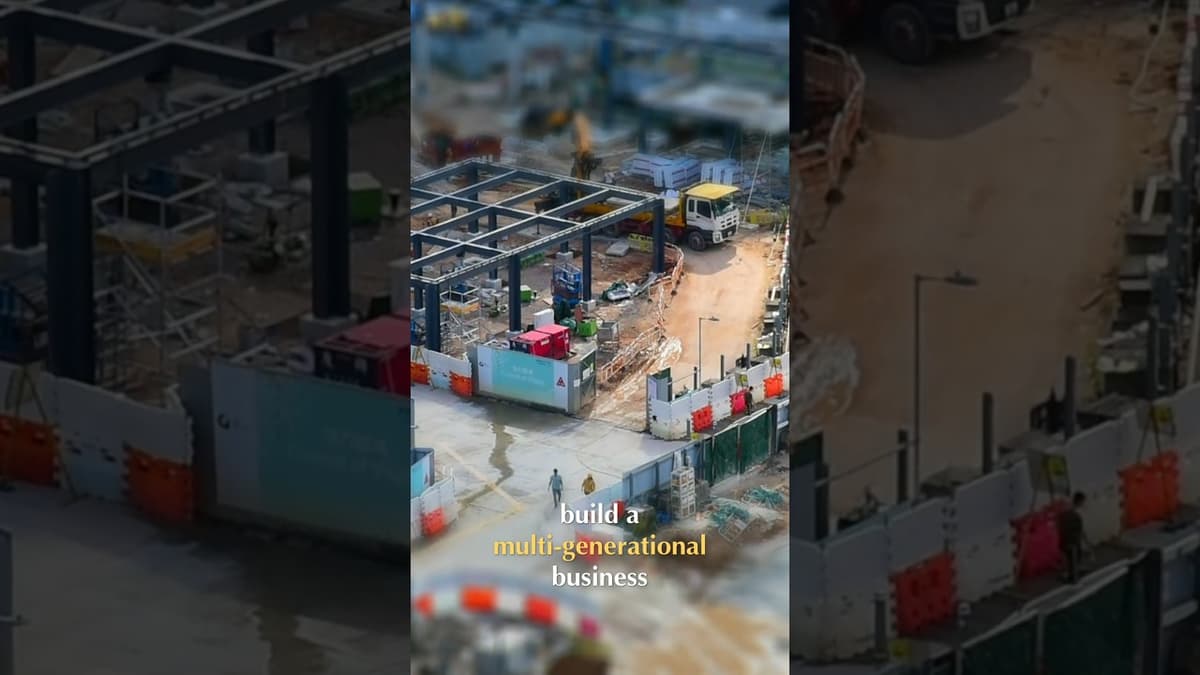
From Garage Startup to 75 Employees: The Multi-Generational Steel Business Story
The video profiles DND Welding, founded by David in his garage in 1992, now a 75‑employee steel construction firm run by the McQuarter family. It traces how early exposure to entrepreneurship through David’s grandfather’s woodworking machinery business seeded a drive to...

How This Company Beats Billion-Dollar Competitors Using Automation
The video outlines how a mid‑size firm leverages extensive automation to outpace billion‑dollar competitors. By establishing an in‑house detailing operation in Thailand and reintegrating an automated welding and laser line, the company adds significant value while keeping costs low. Key data...

How He Built a Multi-Million Dollar Business While Others Gave Up
The video chronicles how a young entrepreneur transformed a modest steel‑fabrication shop into a multi‑million‑dollar enterprise, contrasting his trajectory with peers who reverted to corporate jobs after early setbacks. Drawing on military discipline, a relentless work ethic, and a willingness...
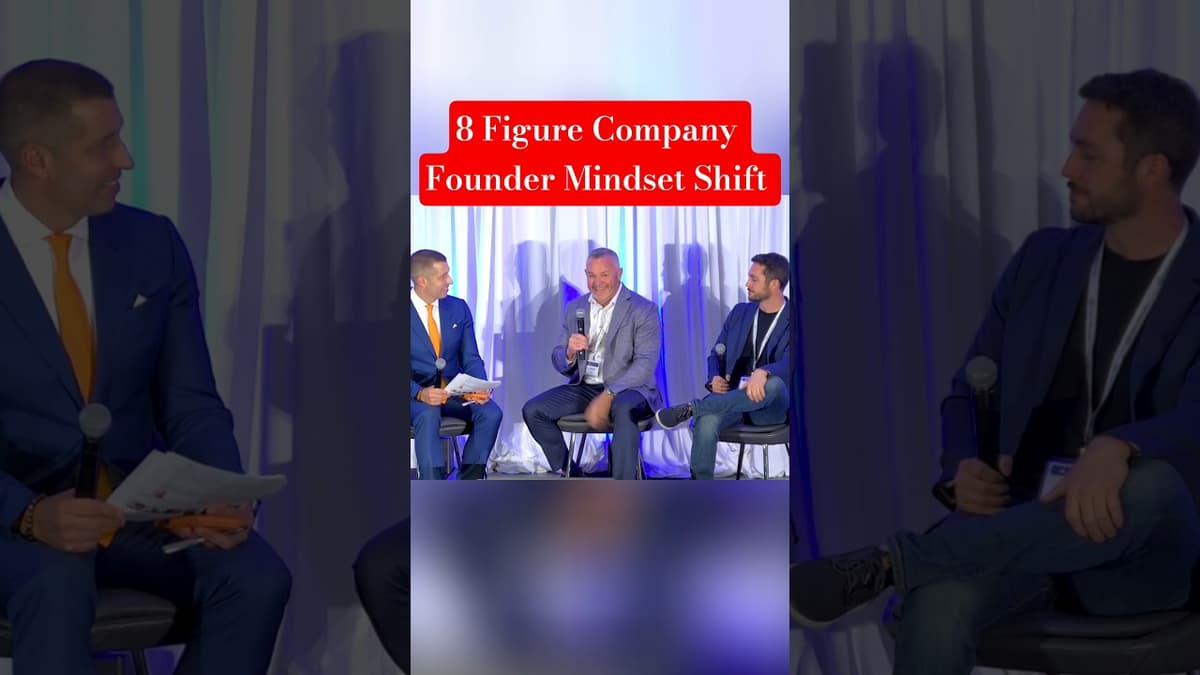
How an 8-Figure CEO Survived Recessions & Built Through Chaos
The video features an eight‑figure CEO recounting how his steel‑focused company survived the early‑2000s downturn and the 2008 financial crisis. He attributes survival to a fundamental mindset shift, moving from reactive cost‑cutting to proactive strategic planning, and to leveraging external...