

TWIG #377: Epic for Sale, Unity Cuts Deep, and Merge Keeps Printing
The episode of Deconstructor of Fun tackled several hot‑button stories in the gaming sector, from swirling rumors that Disney might acquire Epic Games to Unity’s mixed earnings report and its decision to divest IronSource and Supersonic. The hosts also flagged a spate of studio and game shutdowns, dissected the dubious Leroy Jenkins Capital announcement, and critiqued the latest wave of video‑game‑based movies. Epic’s workforce has been cut by roughly 40 % over the past 18 months, leaving the company vulnerable and potentially more attractive to a buyer. Valued at $22‑31 billion at its peak, Epic could fetch a $20‑30 billion deal, though analysts doubt Disney’s appetite given its limited interactive track record. Unity beat revenue expectations but signaled a strategic retreat from its ad‑tech acquisitions, aiming to sharpen its core Unreal Engine business. A memorable exchange highlighted Disney’s historic missteps in interactive media, with one host warning that “Disney doesn’t understand interactive” and that a purchase could “destroy Epic.” The Leroy Jenkins Capital story, initially dismissed as an April‑Fool’s prank, was later confirmed as a €100‑200 million fund targeting European studios, underscoring a funding gap on the continent. Meanwhile, the hosts praised licensing as the most reliable revenue stream for franchises, citing toy sales and theme‑park attendance. These developments suggest a reshuffling of power in the games ecosystem: potential mega‑M&A activity could reset valuations, Unity’s divestitures may accelerate consolidation in ad‑tech, and Europe’s new capital source could nurture indie talent. For investors and developers alike, the takeaway is clear—strategic focus on licensing, core technology, and selective funding will drive growth amid industry turbulence.

TWIG #376: Epic's Failed Bet, Roblox's Brand Fee & Google’s Level Up
The gaming ecosystem is at a crossroads as Google rolls out its Level Up program, pairing the Sidekick AI assistant with new user‑acquisition economics that many see as added gatekeeping. Epic Games announced significant layoffs while doubling down on its Unreal...

UA Monthly #2: AppLovin's Social Network, Google Fee Cuts & Unity D28
The episode of UA Monthly #2 focuses on Unity’s new Vector D28 campaign, Google’s reduction of user‑acquisition fees, and AppLovin’s push into a social network, framed by a Boeing 737 Max analogy about customer value outweighing past failures. Unity’s Vector now...

Google Play's Rate Cuts: Winners, Losers, and Unknowns
The video dissects Google Play’s recent fee overhaul, announced after Epic Games settled its lawsuit. Google reduced its standard 30% commission to 20% for new users and promises a further drop to 15% for developers who enroll in the new...

State of Gaming 2026: What’s Really Winning Now
The Sensor Tower "State of Gaming 2026" report expands its scope beyond mobile to cover PC and console markets, delivering a 70‑page deep‑dive into sales, monetization and marketing trends. It highlights that premium, paid‑for titles remain a powerful force, with...

Is Ubisoft Fixing Assassin’s Creed? 🤔
Ubisoft recently announced that veteran developers will assume leadership roles on the Assassin’s Creed series, a move intended to steady the franchise after a period of mixed releases and internal turmoil. The appointment is framed as a corrective PR effort, signaling...

Turkey Is Paying Game Studios Millions 🤯
Turkey has overhauled its financial incentives for video‑game developers, announcing a suite of subsidies that can total more than $1 million per studio each year. The package includes up to $1.14 million for user‑acquisition spend, a cash‑back of up to $455,000 on the...

Gaming Stopped Growing… Here’s Why 📉
Company executives signaled a strategic overhaul after observing stagnation in gaming performance relative to other verticals. While broader performance-marketing sectors were posting strong growth, gaming metrics and earnings showed weaker momentum, indicating diminished value delivery to users and advertisers. Leadership...

Puzzle Monthly #1: Pixel Flow, UA, and the Future of Sort Puzzles
Puzzle Monthly #1 dives into Pixel Flow’s explosive growth after Scopi’s acquisition, examining how a small Turkish studio turned a hybrid‑casual puzzle into a $800k‑per‑day revenue engine. The hosts unpack data showing daily purchases climbing from $500k to $800k, and...

TWiG #373: Turkey Funds Game Dev, WB Games Uncertainty & Discord Drama
This episode of Deconstructor Fun serves as a rapid‑fire roundup of the week’s biggest gaming‑industry headlines, from government policy shifts in Turkey to high‑profile corporate maneuvers at major publishers. The hosts walk listeners through new Turkish subsidies aimed at bolstering...

Matthew Ball’s 2026 State of Gaming
Matthew Ball released the early‑access version of his State of Gaming 2026 report, noting a slimmer deck of 164 slides versus last year’s 230, signaling a more concise outlook. The briefing underscores that while total gaming revenue has hit an...
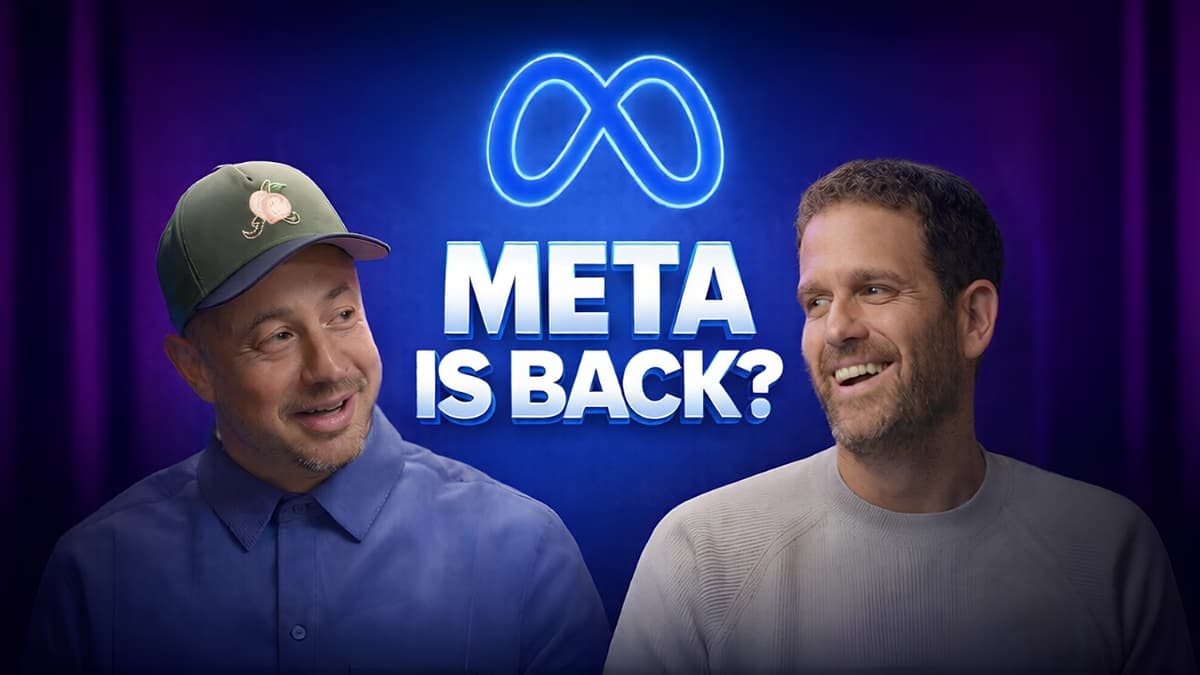
Meta Is Back in the Game. Here's What That Actually Means.
Meta has rebuilt a dedicated gaming org after Apple’s App Tracking Transparency (ATT) shock reduced the effectiveness of its mobile ad tools for game developers. The company moved from a country-based sales model back to an industry-focused team headquartered in...
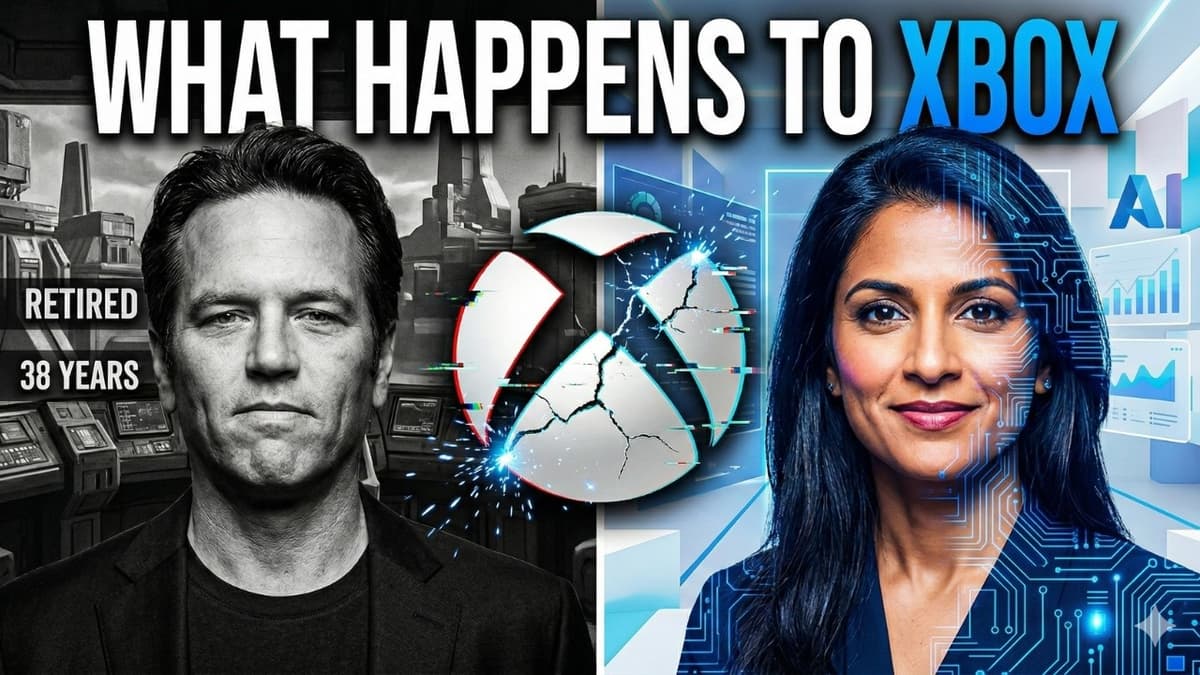
Xbox’s Next Chapter: Strategy vs Identity
The video dissects Microsoft’s latest Xbox upheaval: longtime gaming chief Phil Spencer is stepping down after nearly four decades, Xbox President Sarah Bond has resigned, and Asha Chararma—formerly head of Microsoft’s core AI division with stints at Instacart and Meta—has...

Why AI Won't Save AAA Gaming?
Former Nexon CEO Owen Mahoney claims AI can slash AAA game production costs by 90% and triple the market size. The video challenges that premise, arguing the industry’s real issue is player attention, not a lack of content. It questions...
Meta's Secret Weapon You're NOT Using! 🤫
Meta says advertisers have been misplacing their bets on finding a single ‘perfect’ creative, and instead should build a high-velocity, high-volume creative production mechanism. The company argues that creative performance is driven by continuous experimentation and diversity—treating creative as a...