

Liquidity, Not SIPs, Drives Foreign Investment Inflows
I disagree with the notion that SIPs and domestic equity investors are what creates a negative in that foreign investors will leave. If all they were looking for is liquidity, then it's fine, they have it now, and they're leaving; but it's only a market that gives you the freedom and liquidity to leave that attracts future inflows. "Stopping SIP" is a weird way to say that we'll reverse the flows - it just almost ensures that new flows won't enter. Foreign investors owned most of the non-promoter shares of Indian companies this far. That means when we spend and our companies earn a profit, that profit goes mostly to investors from abroad - there's no reason why India shouldn't want that share too, especially as we get richer. There are many companies where a "premium" was given primarily due to lack of liquidity. Promoters owned too much, and the rest was with a controlled set of people, including FPIs, and those stocks wouldn't hurt too badly when markets fell. This includes MNC companies who trading at very rich premiums compared to their own home countries. That stuff, it should and will dissolve over time. The illiquidity premium shouldn't be a thing, but it is, and it won't last very long. Investing in India is what's made a lot of Indians richer. They spend when they feel richer, and that promotes more of our own economy. It's the combination of investment returns and spending that will drive our GDP (we aren't export oriented) and in fact, it's our consumption that should drive more production domestically though it's not yet meaningfully happened yet. You could also put the argument that if India would please stop consuming stuff and instead focus on exports we will do better. This sounds good - send the best produce abroad, and live with mediocre stuff domestically and we will earn more forex. I think we're in a better zone than than that - we can produce for us, and if we focus more on that versus importing for our use, we will do well. And that also means investing domestically. Over time, arguments will come that any progress is bad for something that exists. Think about it. If India smokes less in the process of getting healthy, what happens to the tobacco companies? To the state taxes on tobacco excise, to the tobacco farmers? Bad only. More GLP-1 means less sugar usage. Bad for sugar farmers, for all the political stuff. But it's more healthy for us. More EV means less petrol/diesel and thus, less state taxes collected, and less central excise taxes. But we'll all understand its better for the environment and for eventually lower crude oil imports etc. More SIP isn't bad for us even if it allows more free outflows, in the longer term. It creates a richer India and already has, and the benefits of that will mean both greater longer term inflows and more domestic participation in an environment that requires investment.
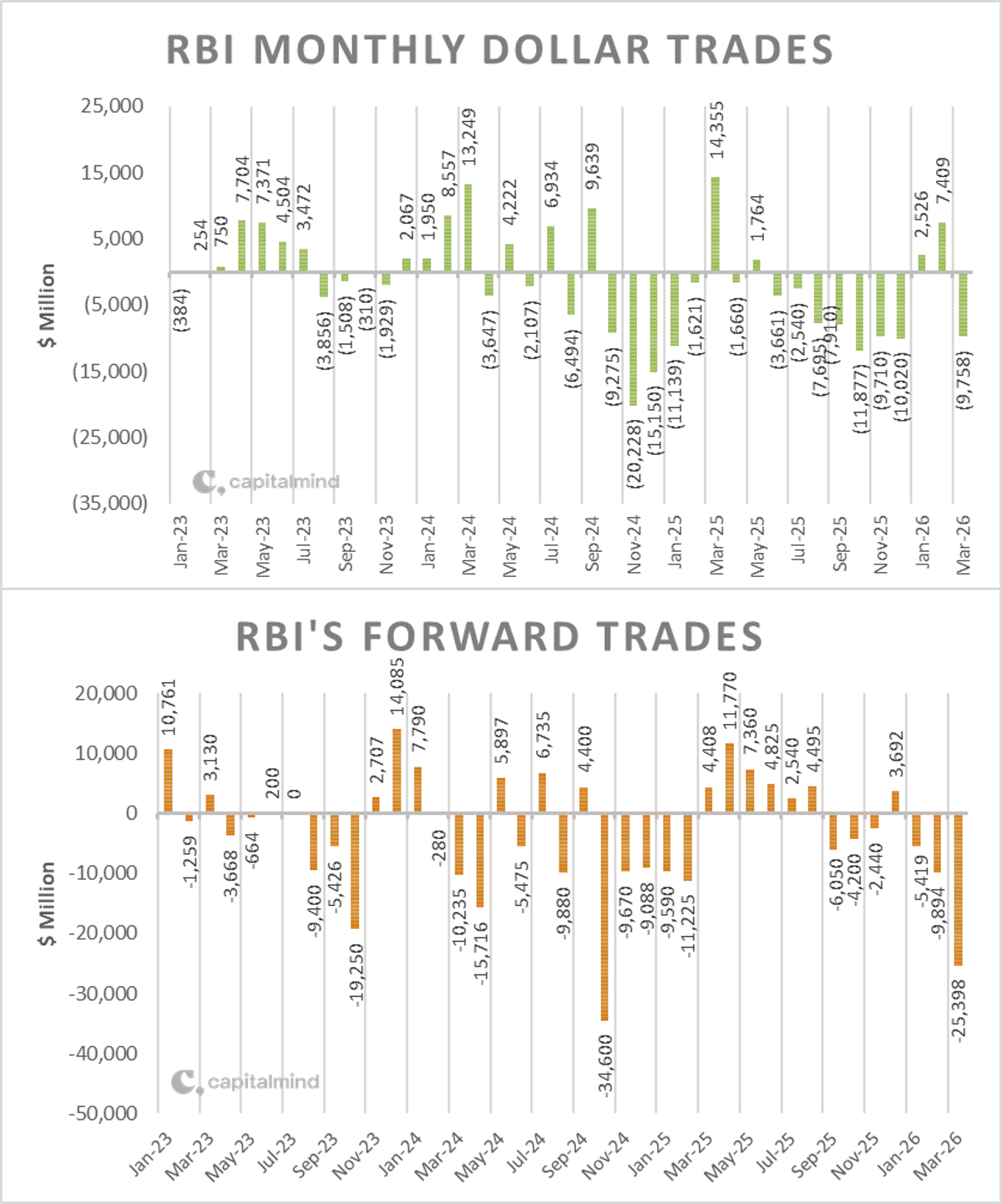
RBI's March Dollar Sales Fell Short, Boosted by Forwards
After buying dollars in Jan and Feb, RBI sold dollars into the mad moves in March, about $9.7 billion. This was of course too less, but there's a bunch of forward sales too https://t.co/MARSGdhUbP
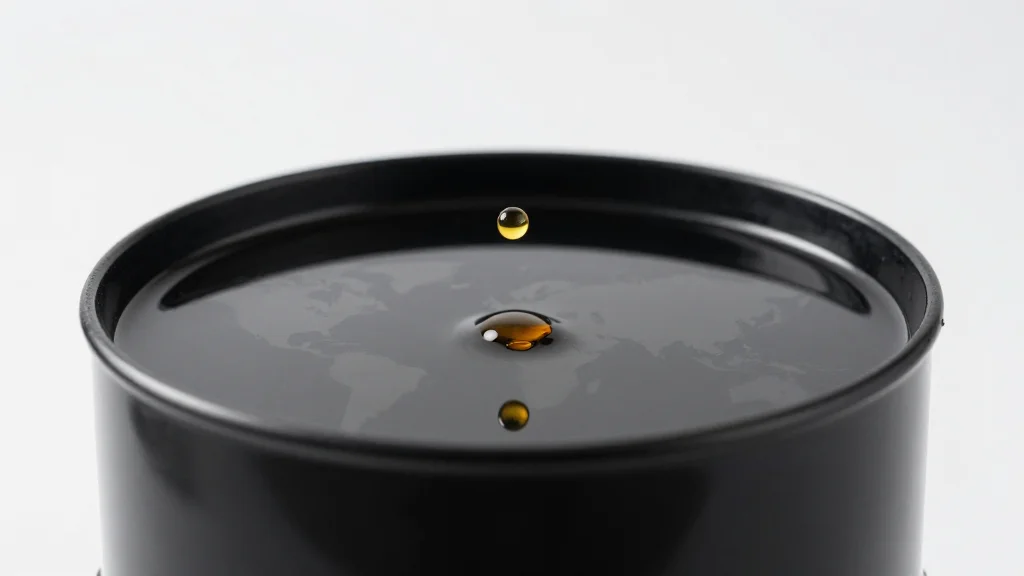
India Should Curb Rates, Boost Local Oil and Manufacturing
While it makes sense for the US, Iran and Russia to keep oil prices high, it makes no sense to have inflation ruin most others and in fact hurt the US. I believe we will see lower prices on crude,...
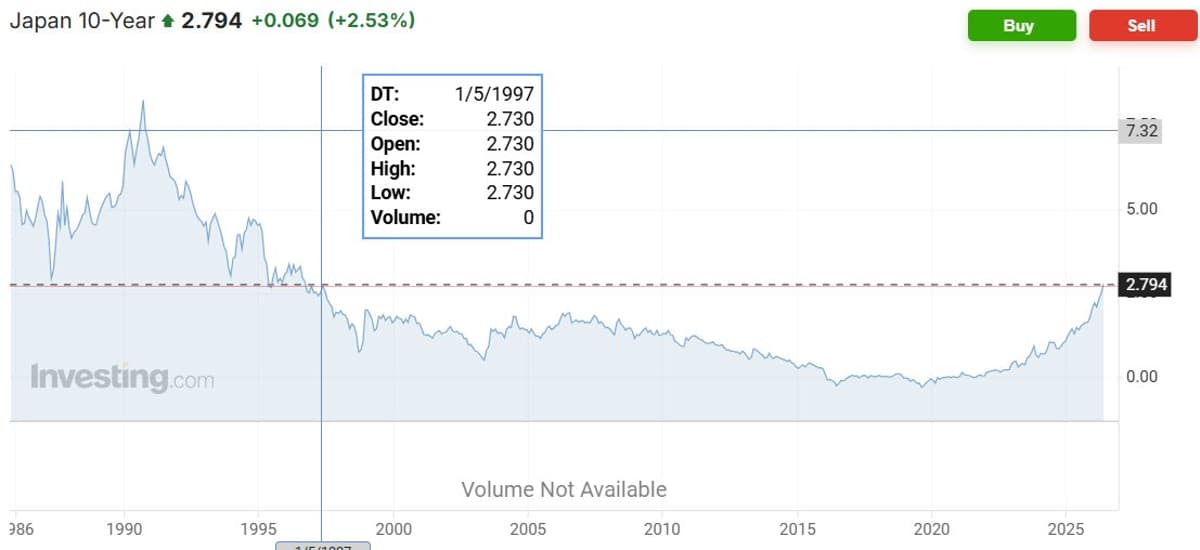
Global Rates Surge; Japan's 10‑year Hits 29‑year High
Rates all over the world are rising sharply. Japan is at a 29 year high at 2.75% on the 10y - a big jump recently. https://t.co/VKPasXtuRE
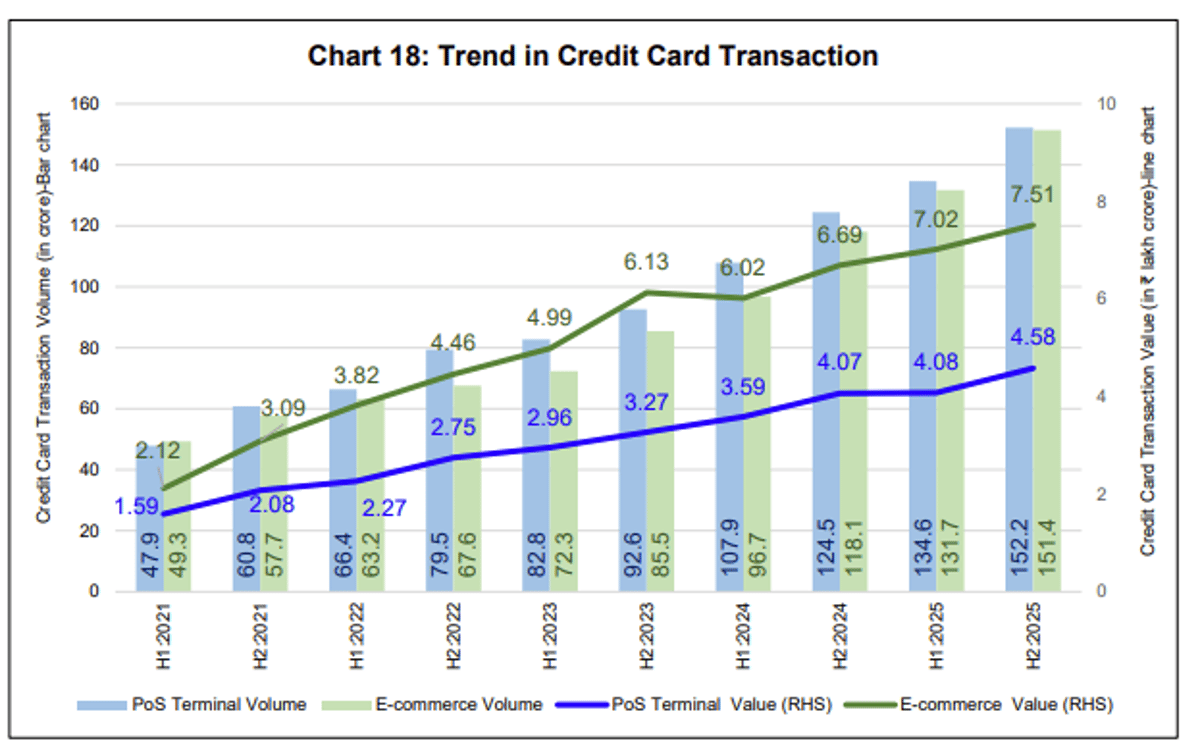
E‑commerce Credit‑card Spend Matches POS, UPI Leads
Credit cards: Ecommerce has really picked up and is now equal to pos terminal transactions by value. UPI of course is a massive scale larger (next tweet) https://t.co/LKkJOfz8QL
India May Scrap Tax on Foreign Bond Investors
India is apparently considering removing tax on fiis investing in Indian bonds. This is a good thing. Why? Foreign investors pay tax on all capital gains made in India. India is different from all major economies who follow residence based...
Oil Firms Profit While Indian Consumers See No Relief
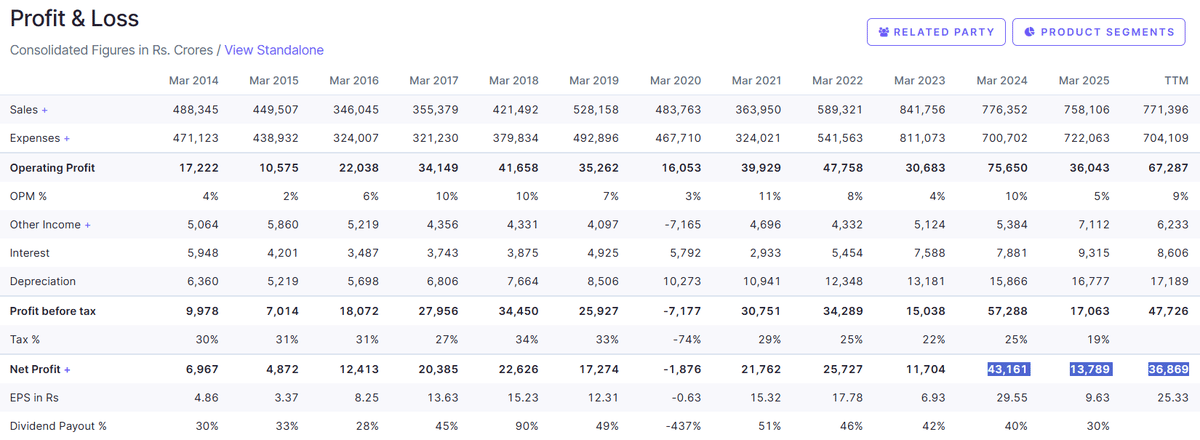
The last three years of low crude prices didn't help Indian consumers (we kept the petrol price the same) Who made money? The govt, and the oil cos. The largest oil retail co, has more than 82,000 cr. in collective profits...
India Already Taxes Windfall Profits on Fuel and Gambling
India's done this already with "super profit tax" on petrol exports when we were able to source cheaper crude from Russia. We've had special taxes on "super normal" profits - from lotteries to gambling for ages.
India's Current Account Shows Surplus in 11 of 12 Quarters
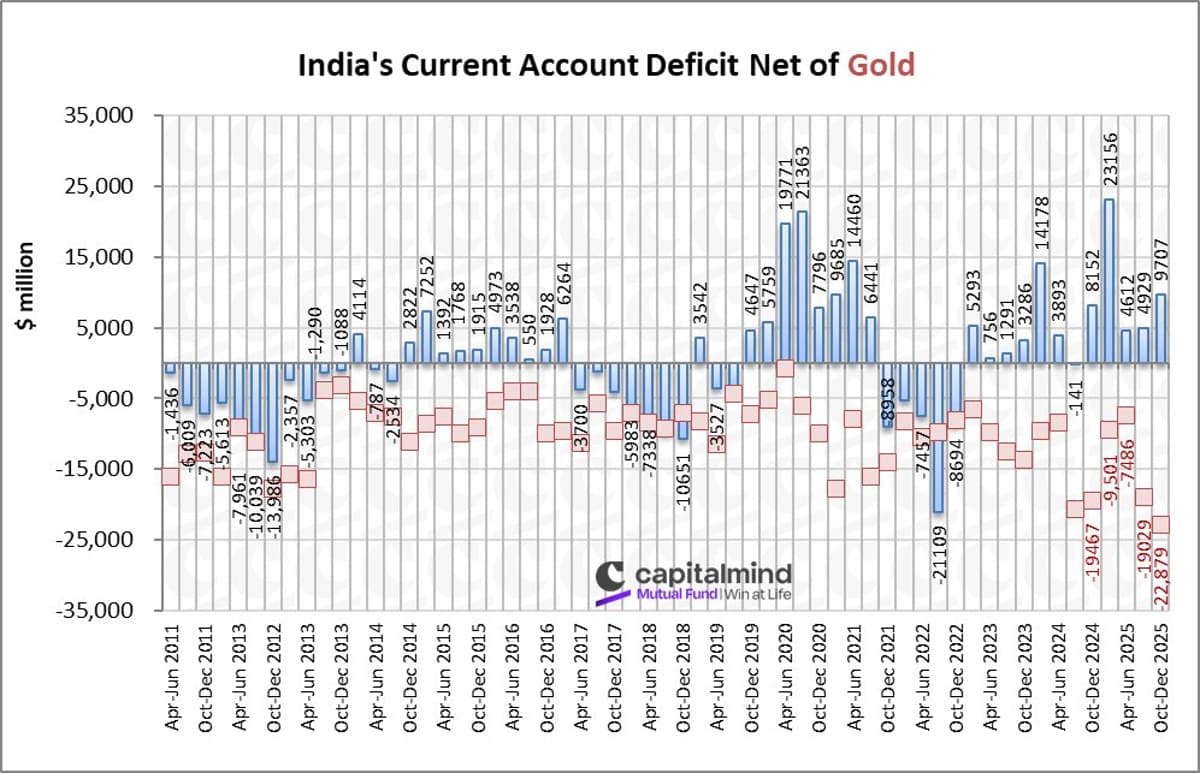
If you removed gold, India's current account has been a surplus (not a deficit) for 11 of the last 12 quarters. It's useful to reduce imports, or somehow reuse it internally. https://t.co/28WhfFnOrV

Stop Keeping Up; Focus on Personal Wealth Growth
You don't need to keep up, because it's a never ending battle. But you need to know what makes you win at life, for yourself. You will only die once, and you live every day. So find the way to...

Smallcaps Show 24.5% Median PAT Growth So Far
Smallcap results this far: 96/250 out, median PAT growth is 24.5%! Interesting data from thewrap https://t.co/mcytFgtkxe
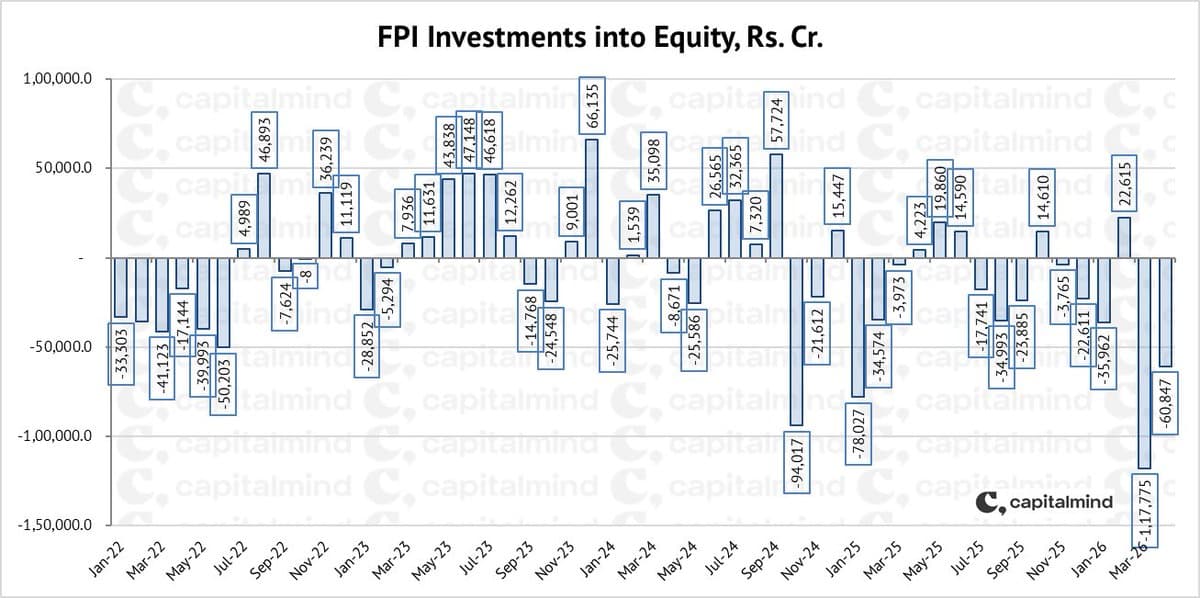
FPIs Sell ₹60,000 Cr Equity Amid Nifty Surge
Despite the massive Nifty and mid/smallcap moves in April 2026, FPIs continued selling at 60,000 cr. sales in equity: (Source: NSDL) https://t.co/Acr9NvlE78

Bamboo Marvels at Leela Coorg Offer Serene Escape
Magnificent bamboo structures at the Leela Coorg. Nice tonget away from the bustle of life https://t.co/pnicVOlGVj

Treat Rent as Operating Cost, Not Financing Cash Flow
The silly rule of showing rent as cash flow from financing makes it so painful to find out if a co is truly cash flow positive from ops. Rent is an operational cost so you have to put back the...

Affluent Inflation Nearer 6%, Not 12%: Stay Realistic
In my view, affluent peoples inflation is closer to 6% a year on average. I think 12% a year is overstated as an inflation goal, even if I looked at my own spending from 2006 to now. Most people's household...