
Dr. Ann-Louise T. Lockhart
Brain-based parent coach, psychologist, and author; focuses on teen autonomy, resistance, and parent–teen communication.

Teen Procrastination Stems From Emotional, Not Time, Issues
Your teen’s procrastination isn’t just about poor time management... They're likely struggling with poor emotion management.

Teens Lie Out of Fear of Disappointing Parents
When your teen lies... Maybe they fear letting you down. They value the relationship so much that they worry the truth will change how you see them.

Lies Reveal Teens' Need for Safety, Not Discipline
Lying often means: “I don’t feel safe telling the truth.” Your teen is trying to protect themselves from possible rejection or judgment. Fix the safety issue, not just the behavior.
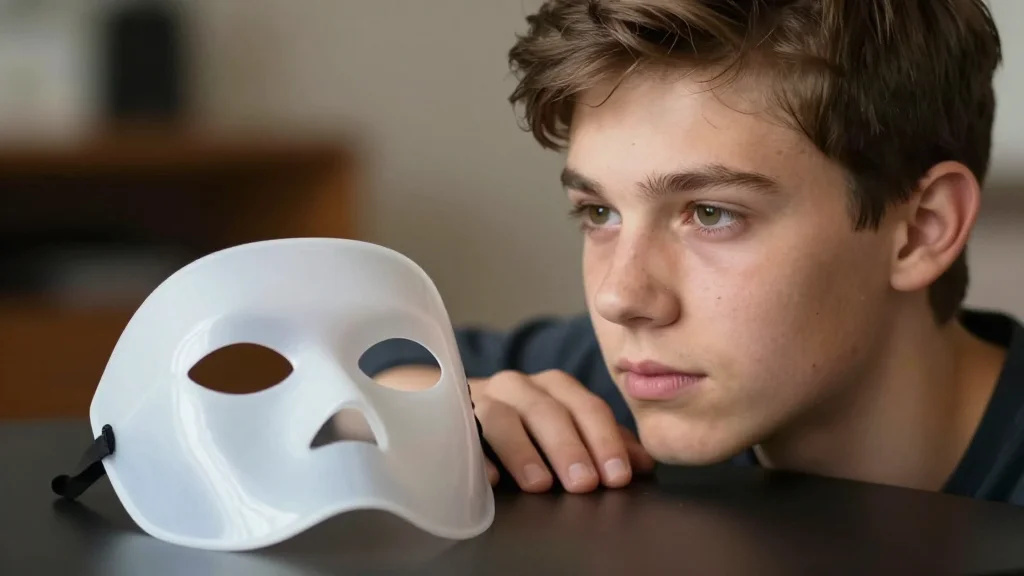
Teen Lies Signal Needs, Not Just Parental Panic
When teens lie, parents panic. But lying is information. What is the lying behavior telling you? What does your teen really need?

Perfectionism Masks Teens' Fear
Decoding perfectionism. Teens who strive for it are trying to cover up... fear of failure fear of not being good enough fear of letting people down.

Connection Silences Shame; Isolation Amplifies Negative Thoughts
Sometimes the negative thoughts get louder, not because they’re true, but because they’re alone. Shame grows in isolation. It shrinks with safe connection. It grows smaller in relationships.

Explosions Reveal Unmet Needs, Stress, and Low Coping
Explosive behavior = unmet needs + accumulated stress + low coping capacity. It might look random. It's not. It might look like they're going from 0 to 60. They usually aren't. Teens who easily explode are usually simmering at a higher temperature.

Uncover the Hidden Triggers Behind Teen Outbursts
Big reactions aren’t just about the moment. What's behind the buildup? What is your teen avoiding? What's behind the emotional explosion?

Pause, Be Curious Before Fixing Withdrawal Symptoms
Withdrawal can be depression. Or burnout. Or emotional exhaustion. Don’t rush to fix it. Get curious first.

Repeated Failure Makes Effort Feel Pointless for Kids
When effort hasn’t paid off repeatedly, kids stop trying. It's often because trying starts to feel pointless.

Curiosity Beats Lectures: Understand Teens Before Guiding
When your teen resists family values and traditions, get curious first. Seek to understand what they believe and value first instead of a long lecture.

Ask What Feels Unsafe to Uncover Teen Avoidance
When your teen avoids school, homework, or activities… Start with: What feels unsafe, confusing, overwhelming, or unpredictable here? Always get to the root.
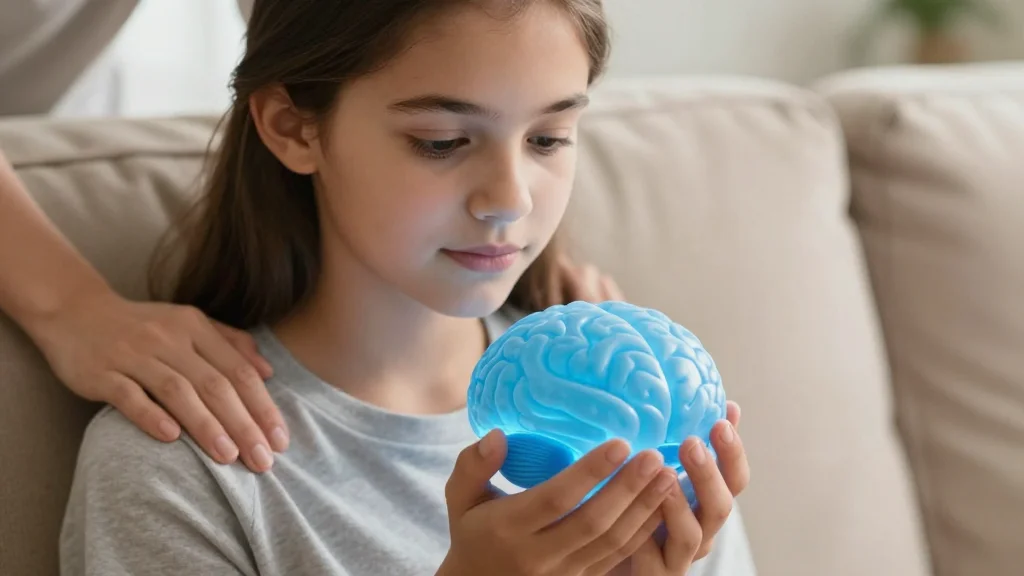
Teen “Defiance” Often Signals Executive Function Overload
What you’re calling “lack of follow-through” might actually be executive functioning overload. The teen isn’t just refusing or being defiant. Their brain is flooded and trying to reset.

ADHD Misunderstood: Overwhelm, Not Laziness, Drives Task Resistance
ADHD is not laziness. The resistance to starting or finishing a task is deeply rooted in overwhelm, lack of stimulation, or questioning a task's purpose.

Uncover What Your Child’s Attitude Is Guarding
Parents often ask: "How do I stop the attitude?" A better question: "What is the attitude protecting?"

Stop Fixing Teens, Build Trust and Lasting Connection
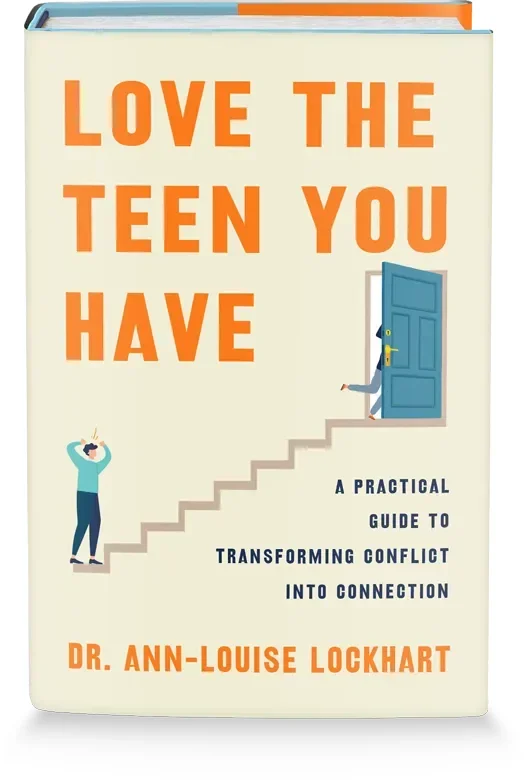
When you stop trying to “fix” your teen, you build trust, self-worth, motivation, and a long-term relationship. I talk all about this in my book, Love The Teen You Have. Available wherever books and audiobooks are sold 🧡

Mutual Respect and Understanding Bridge Parent‑teen Gaps
Most parents want their teen to respect them. Most teens want their parent to understand them. Both needs matter.

Accepting Teen Mistakes Lowers Resistance Better than Lectures
Your teen needs to know: "I can mess up and still be accepted." That safety reduces resistance more than lectures.

Coach, Don’t Punish: Guide Teens to Emotional Maturity
You can’t punish a teen into emotional maturity. But you can coach them into it. Did you know I offer parent coaching to help you uncover the parent-teen relationship you seek? Call or text 210-816-4149.

Address Teens' Feelings, Behavior Changes Naturally
Parents often focus on stopping behavior. Teens are focused on managing feelings. If you address the feelings, the behavior often shifts.
Teen Resistance Signals Trust in Your Relationship
Resistance can be a sign your teen still trusts the relationship. They feel safe enough to push back. I talk a lot about this in my book, Love The Teen You Have. Get your copy.

Resistant Teens Signal Struggle, Not Disrespect—Decode Their Feelings
A resistant teen isn't always a disrespectful teen. Sometimes they're feeling... discouraged lonely isolated confused Don't punish their resistance. Decode it.

Teen Talks Thrive in Low‑pressure, Side‑by‑side Moments
The best conversations with teens often happen sideways. In the car. On a walk. Late at night. Connection grows where pressure disappears.

Teen Silence Often Means Overloaded Brain, Not Disrespect
Parents often think teens are ignoring them. But sometimes their brain is just overloaded. Be patient. Offer grace and understanding.
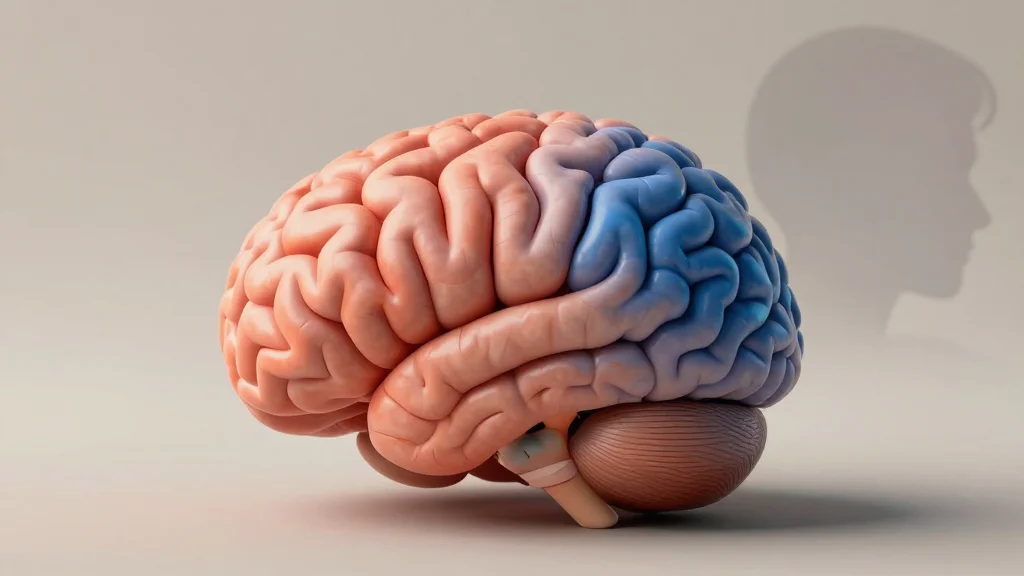
Teen Resistance Signals Brain Rewiring; Emotions Lead Reasoning
Some resistance is developmental. Your teen's brain is literally reorganizing itself. Emotional intensity goes up before reasoning catches up.

Teen Rebellion Targets Autonomy‑Driven Areas Like Homework, Screens
Teen resistance is rarely random. It usually shows up in predictable places: Homework Screens Sleep Chores Social life These areas all involve autonomy.

Teen Indifference Often Hides Deep Discouragement
Your teen might look like they don’t care. But indifference is often a mask for discouragement.

Teen Resistance Often Shields Fragile Pride and Confidence
One of the most powerful parenting questions: "What might my teen be protecting right now?" Pride? Dignity? Confidence? Resistance often protects something fragile.

Teens Resist Feelings, Not Logic, in Parent Talks
Parents often think: "If I just explain it better, they'll understand." But teens don't always resist logic. Sometimes they resist how the message makes them feel.
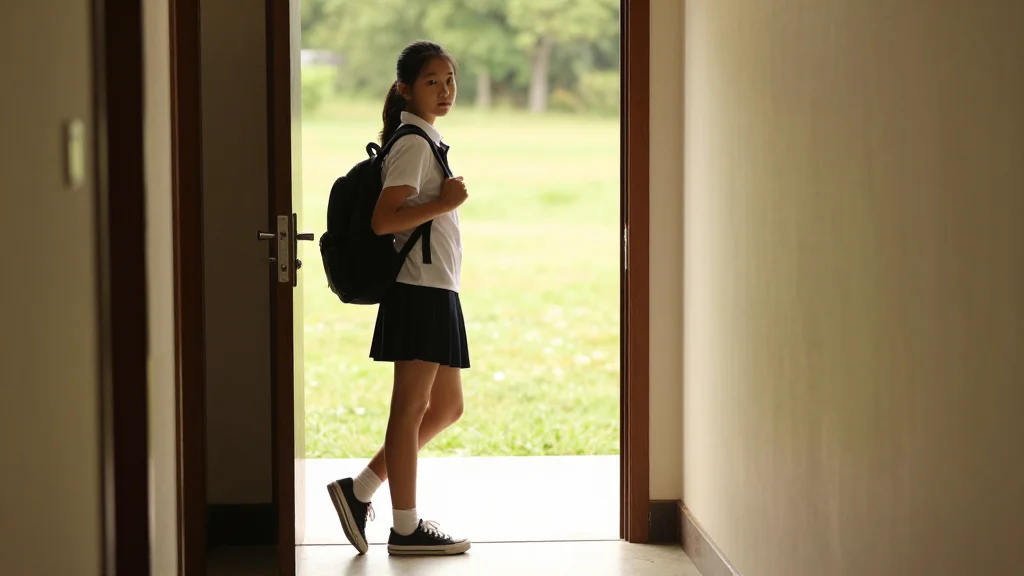
Teen Resistance Peaks Right Before Growth Moments
Teen resistance often increases right before a growth moment. Before a new level of independence. Before a difficult conversation. Before a big decision. Growth is uncomfortable.

Understanding Beats Discipline: Teens Lower Defenses Faster
Resistance escalates when teens feel misunderstood. Not just when they are corrected. Parental understanding lowers defenses faster than consequences ever will.
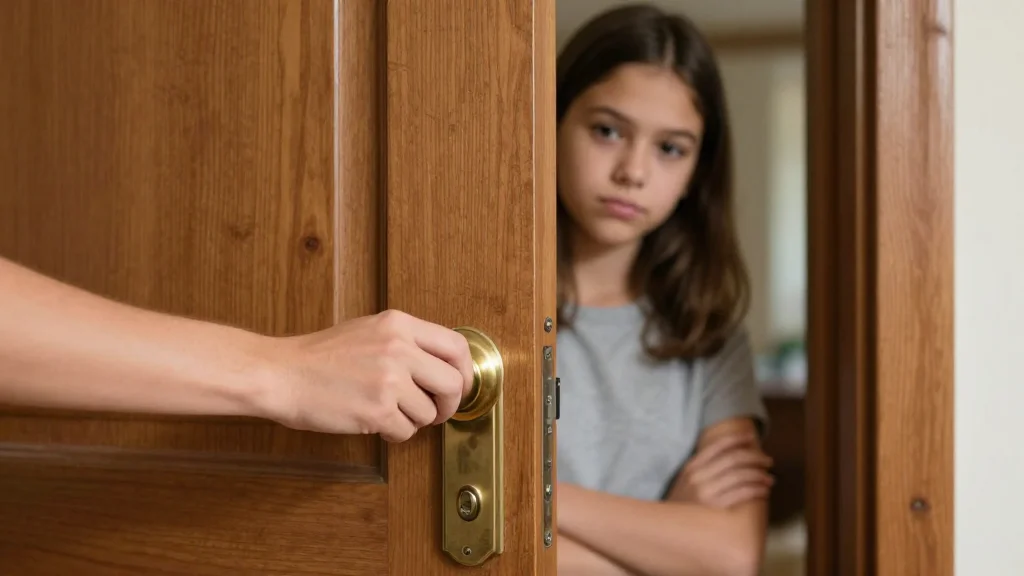
Teen Resistance Is Pushback, Not Disrespect.
Parents often interpret resistance as disrespect. But a lot of teens are actually resisting pressure. ⤵️

When Teen Talks Become Fights, Pause and Reflect
If every conversation with your teen turns into an argument… Pause and ask yourself: ⤵️
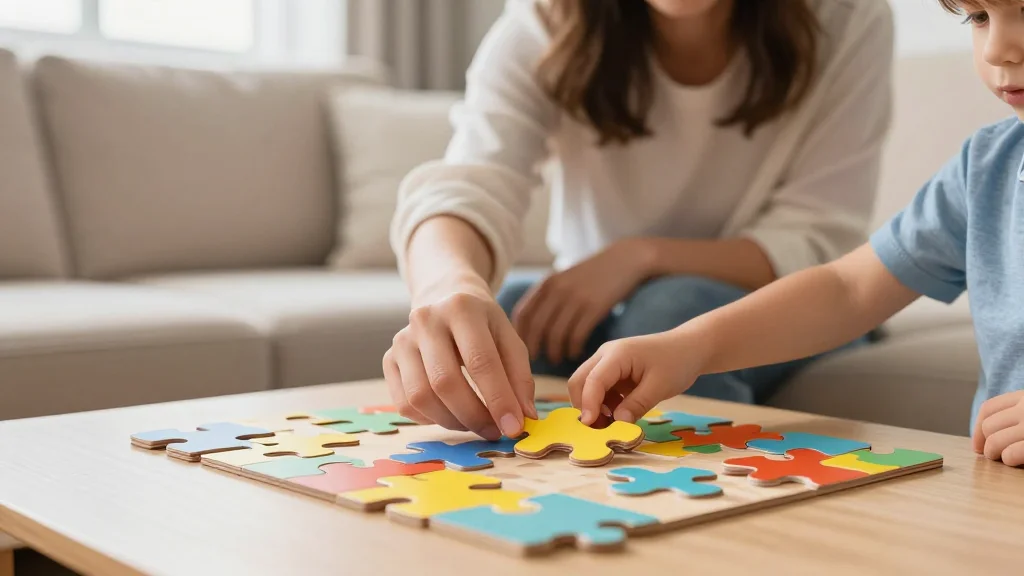
Ask the Problem, Not the Behavior
One of the biggest shifts parents can make ⤵️ Stop asking: "Why are they acting like this?" Start asking: "What problem are they trying to solve?"

Pressure Fuels Teen Resistance, Not Compliance
When teens push back, parents push harder. More rules. More consequences. More lectures. What's left? A power struggle. Resistance isn’t solved with pressure.