
Dr. Laurie Santos
Yale professor; science‑based insights on happiness, habits, mindset, and well‑being.
Weekly Gratitude Journaling Boosts Optimism and Well‑being
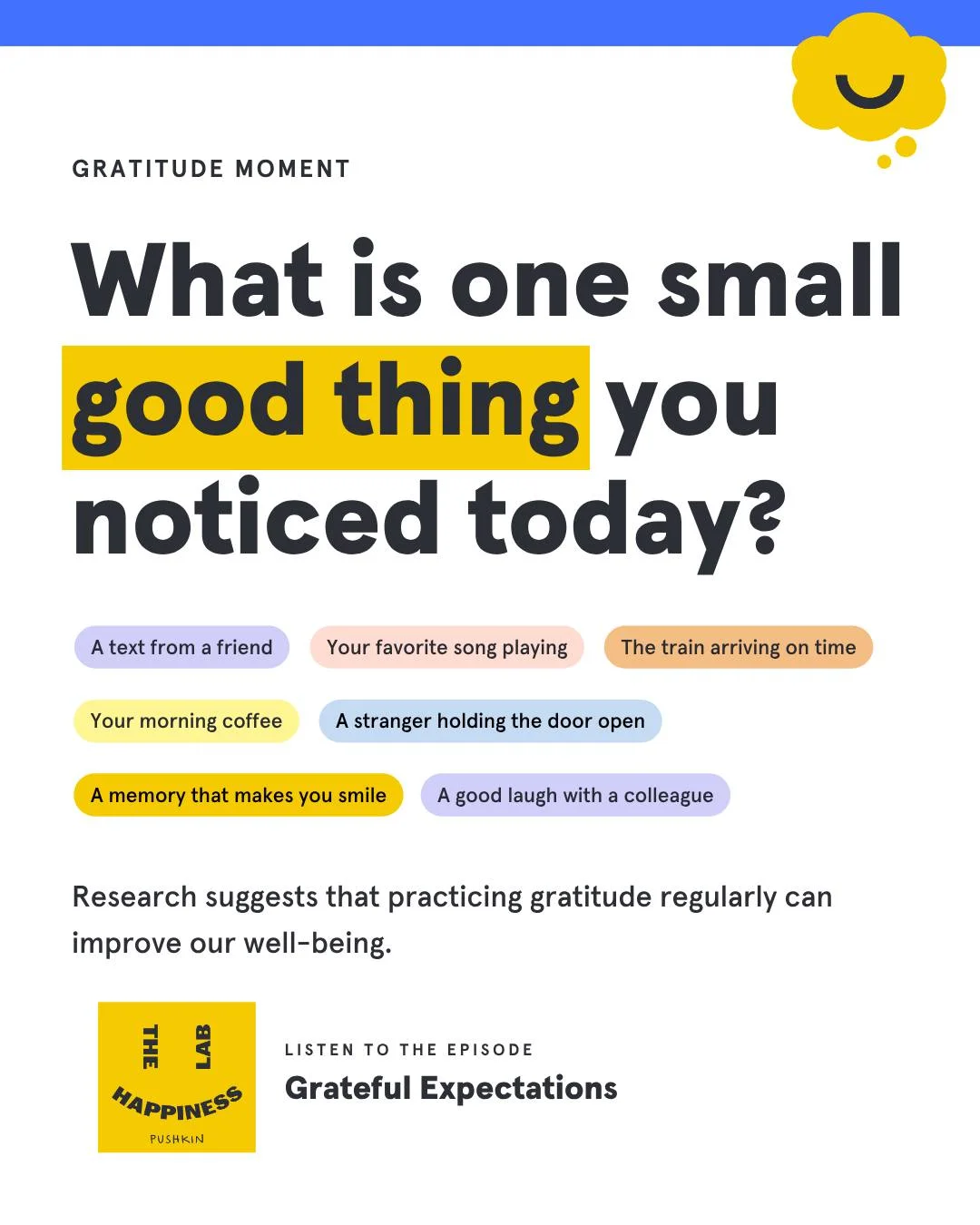
Research suggests that practicing gratitude regularly can improve our well-being. In one classic study, Bob Emmons and Michael McCullough asked people to write down things they were grateful for each week. Over time, participants reported more optimism and higher wellbeing than people who focused on hassles or neutral events.

Half of Waking Hours Wander, Lowering Happiness
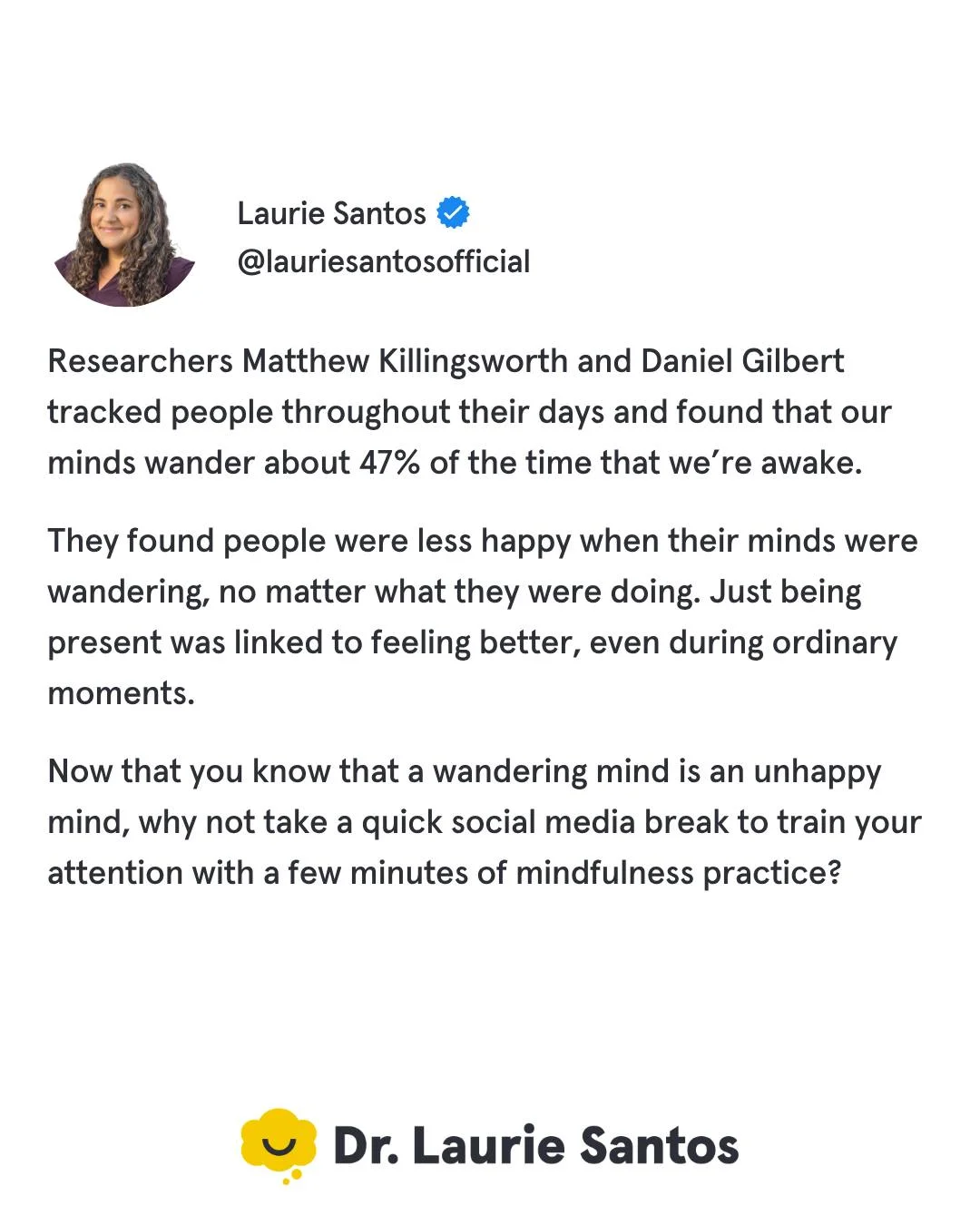
Researchers Matthew Killingsworth and Daniel Gilbert tracked people throughout their days and found that our minds wander about 47% of the time that we’re awake. They found people were less happy when their minds were wandering, no matter what they were...
Mind Wandering Halves Our Happiness; Presence Boosts Well‑being
Researchers Matthew Killingsworth and Daniel Gilbert tracked people throughout their days and found that our minds wander about 47% of the time that we’re awake. They found people were less happy when their minds were wandering, no matter what they were...

True Happiness Lies Beyond Wealth and Palace Walls
The story of the Buddha starts with a prince who had everything — wealth, comfort, and even palace walls built to keep suffering out of his awareness. But the suffering found its way in anyway. That realization is what sent him...
Screens Affect Physical Health: Tips to Stay Flexible
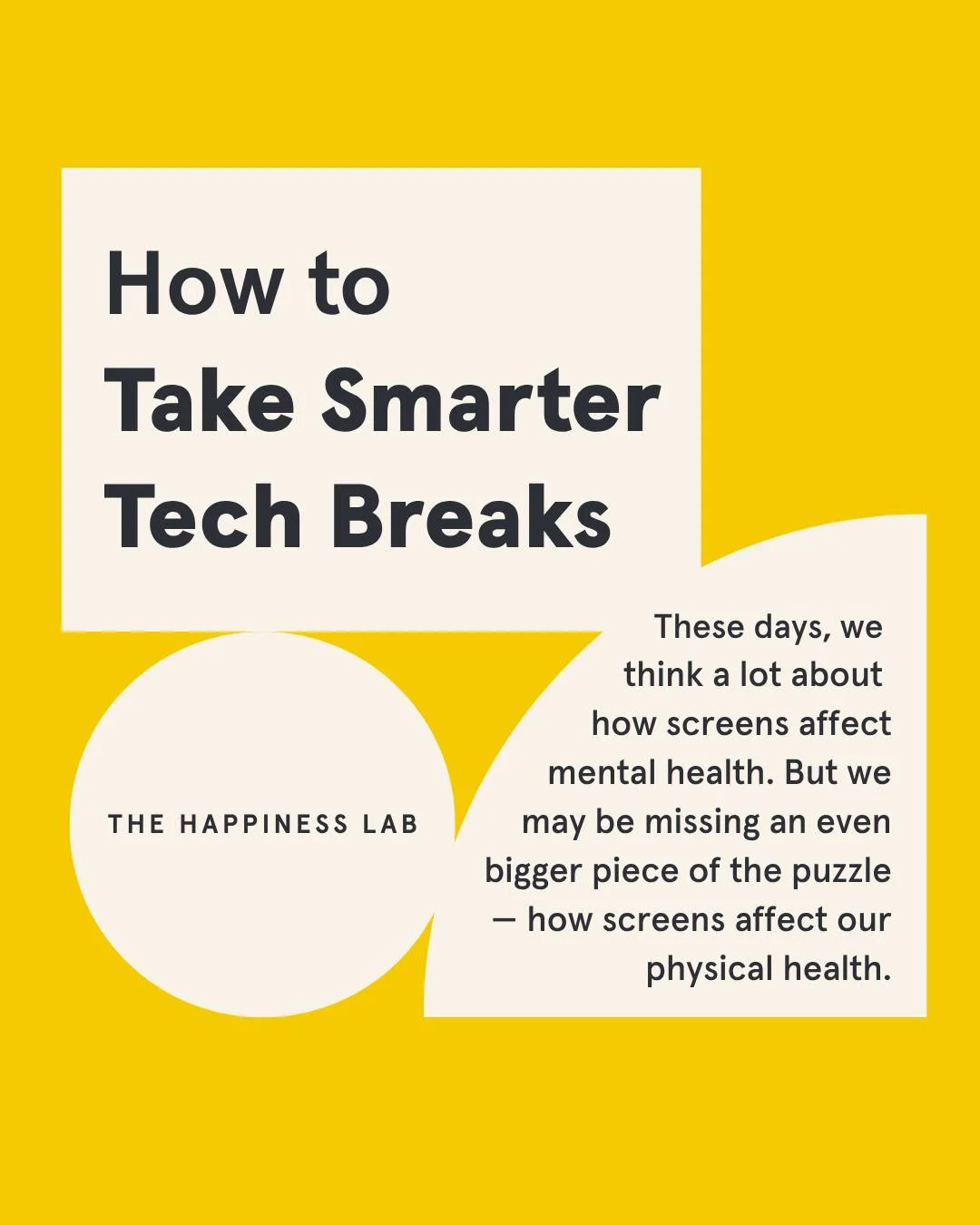
These days, we think a lot about how screens affect mental health. But podcaster and tech journalist Manoush Zomorodi argues that we may be missing an even bigger piece of the puzzle — how screens affect our physical health. This week on...

Choose Meaningful Screen Time over Mindless Scrolling
I'm posting on social media to tell you to get off social media. I realize how that sounds. But research suggests that what you do on your screen matters. A video call with your best friend and a mindless scroll through...
Take Action to Build Hope and Influence AI Policy
Research suggests that one of the best ways to build hope when you’re feeling worried is to actually take action. Once you take action, two things happen: 1. Your attitude starts to shift 2. You feel like you can make a...
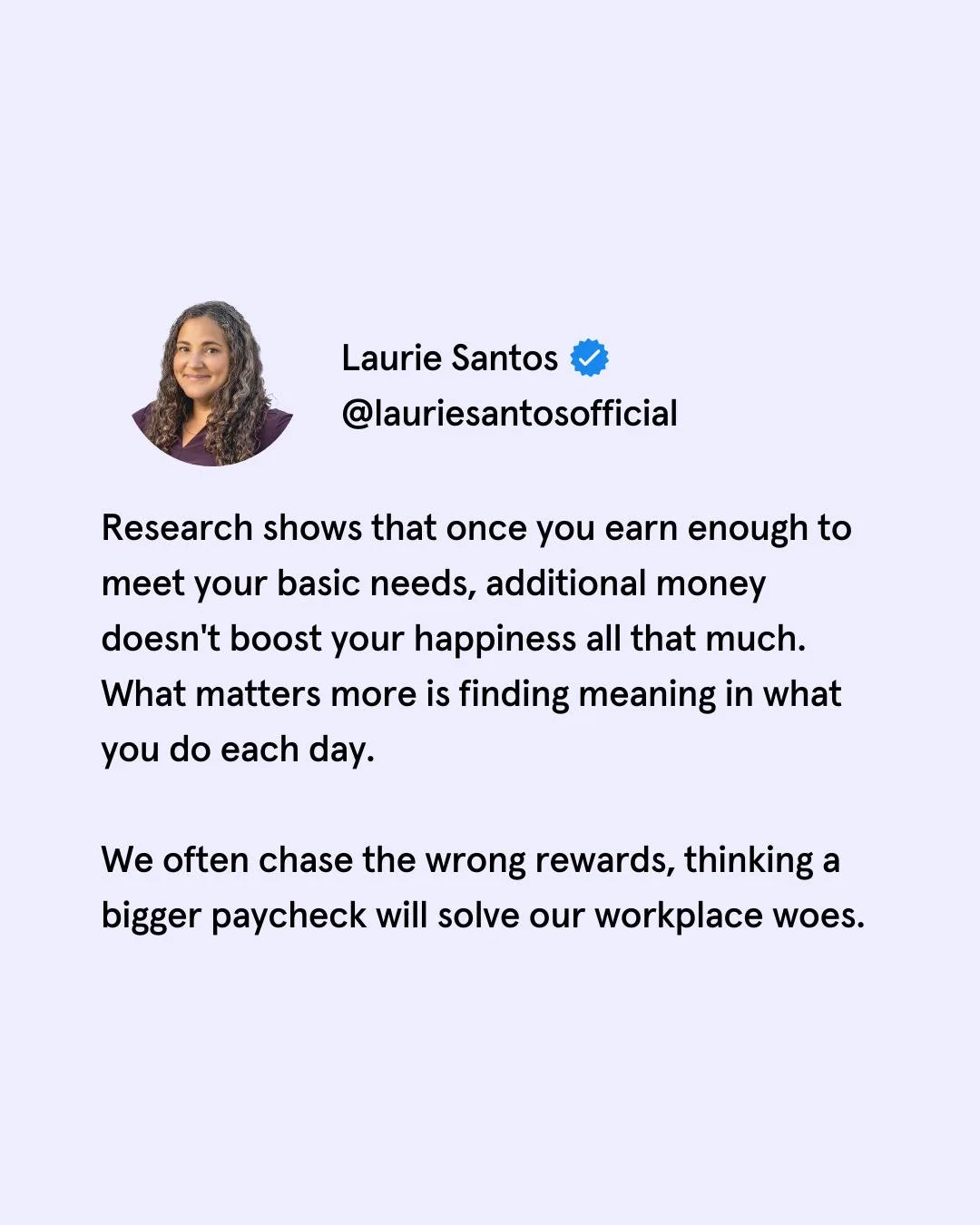
Beyond Paychecks: Meaning Drives Workplace Happiness
Research shows that once you earn enough to meet your basic needs, additional money doesn't boost your happiness all that much. What matters more is finding meaning in what you do each day. We often chase the wrong rewards,...

Guard Your Cognitive Fitness Against Digital Distractions
Feeling drained at work? Maybe it’s time to protect your “cognitive fitness.” Our digital environments are making it harder for us to think and concentrate. According to Deep Work author, Cal Newport, we need “a full revolution in defense of thinking,” one...
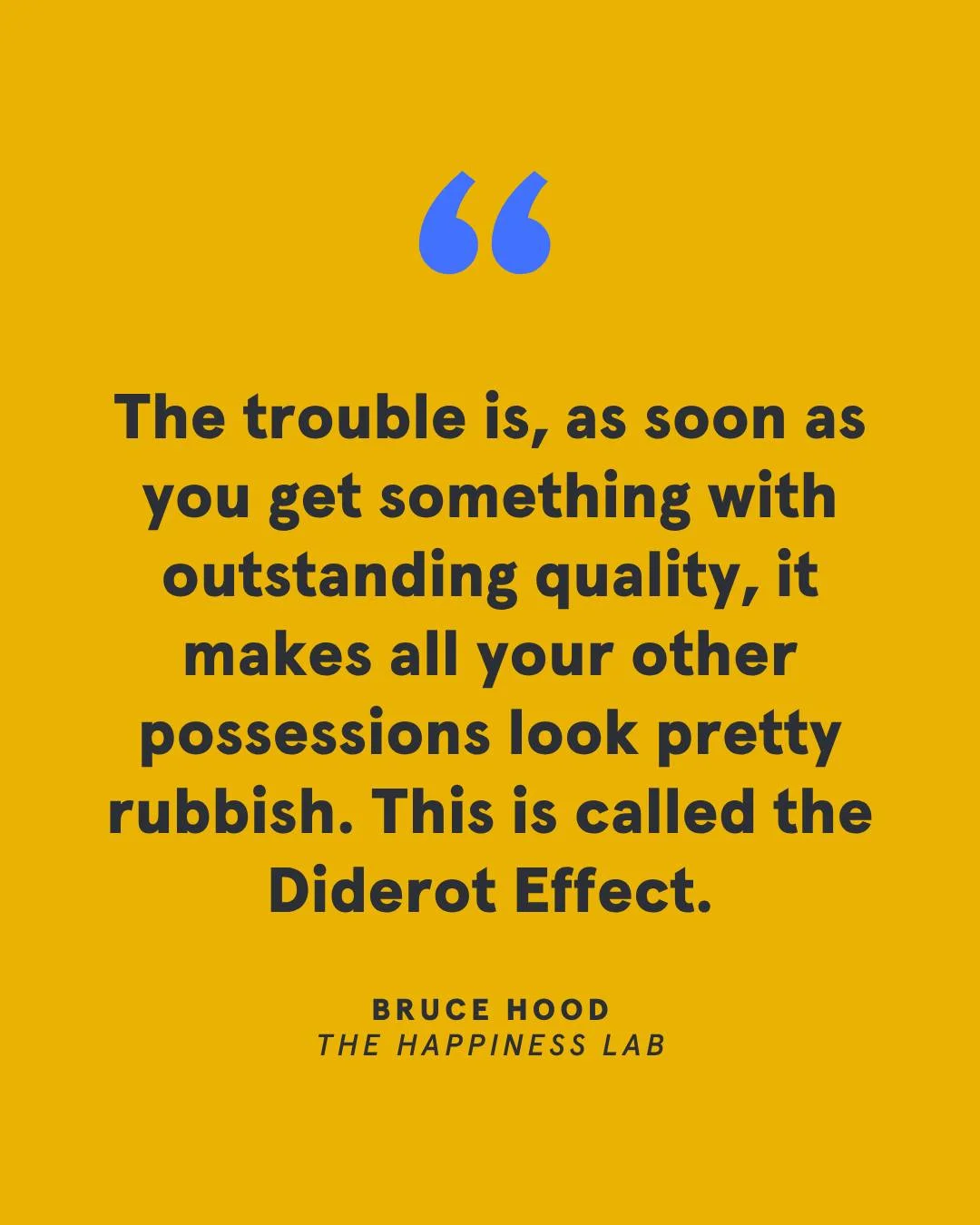
One Upgrade Triggers Endless Buying, Not Lasting Happiness
Have you ever bought one “nice” thing… and suddenly everything else you own looks worse? On The Happiness Lab, psychologist Bruce Hood talks about something called the Diderot Effect — once we purchase one high-quality item, everything else we own can...
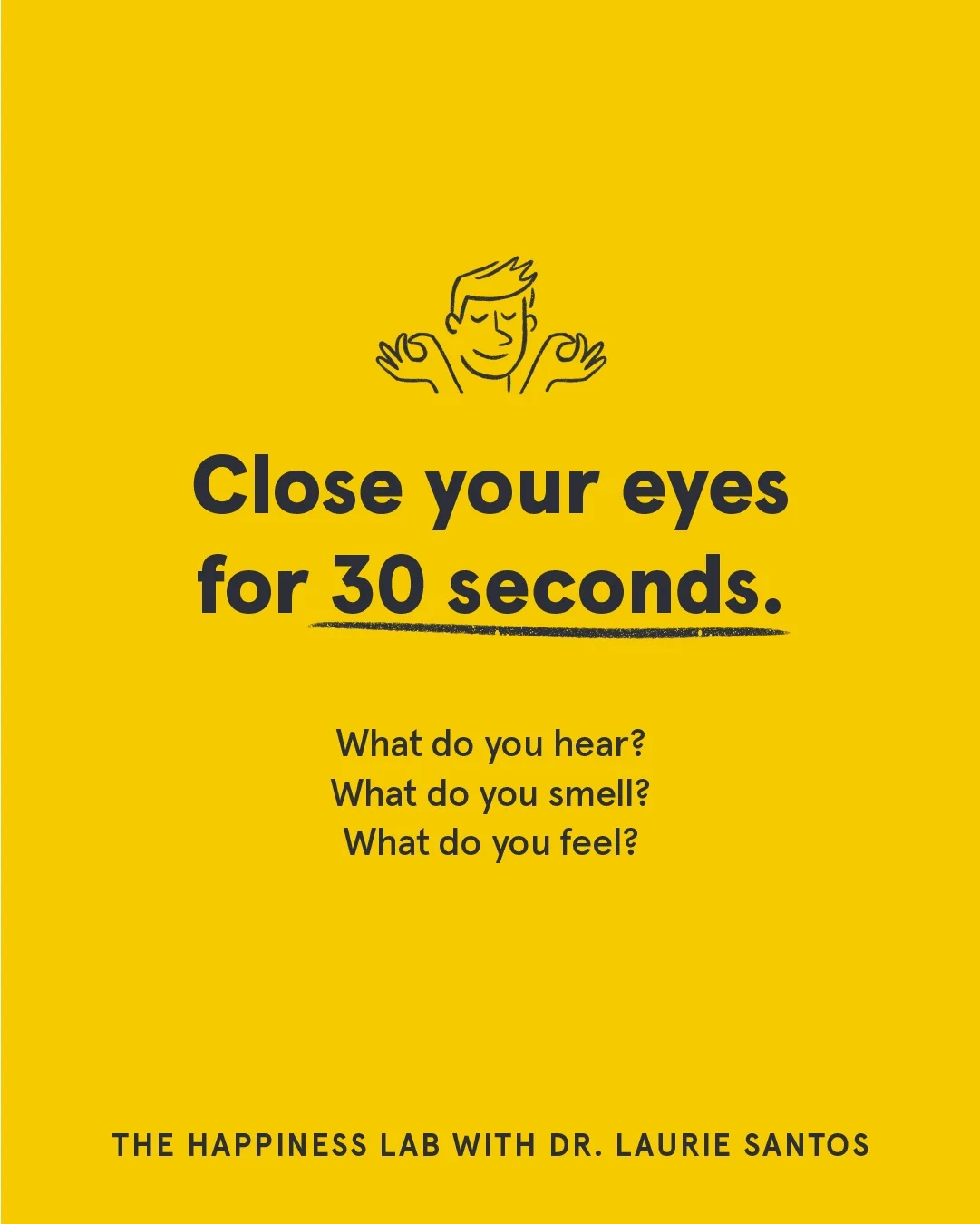
Pause: Notice the Everyday Details You Usually Miss
Wherever you are right now, close your eyes for 30 seconds and just pay attention to what you notice. Most of us spend the entire day in spaces we've completely stopped experiencing. We filter out the hum of the fridge, the...
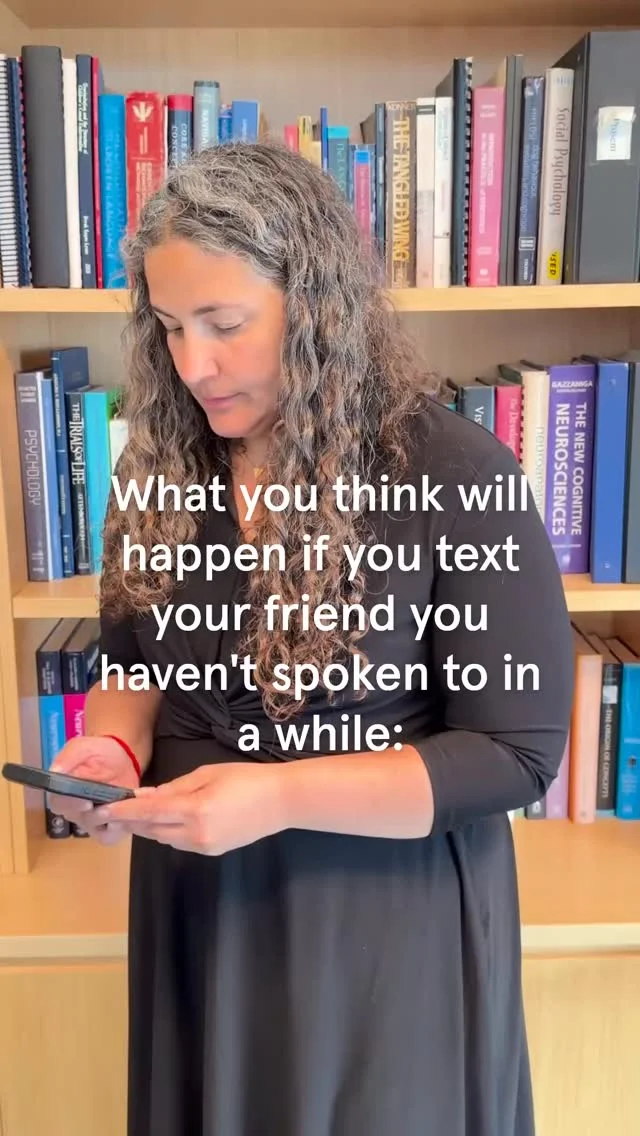
Reconnecting with Old Friends Is Easier than You Think
Friendly reminder: reach out to an old friend. It will be less awkward than you think. Learn more on The Happiness Lab, “Why You Should Text a Friend Today.” https://loom.ly/X5_oVGM
Use WOOP to Actually Achieve Your Goals
Want to actually achieve your goals this year? Try WOOP—a science-backed strategy developed by the psychologist Gabriele Oettingen at NYU. Swipe to learn more.
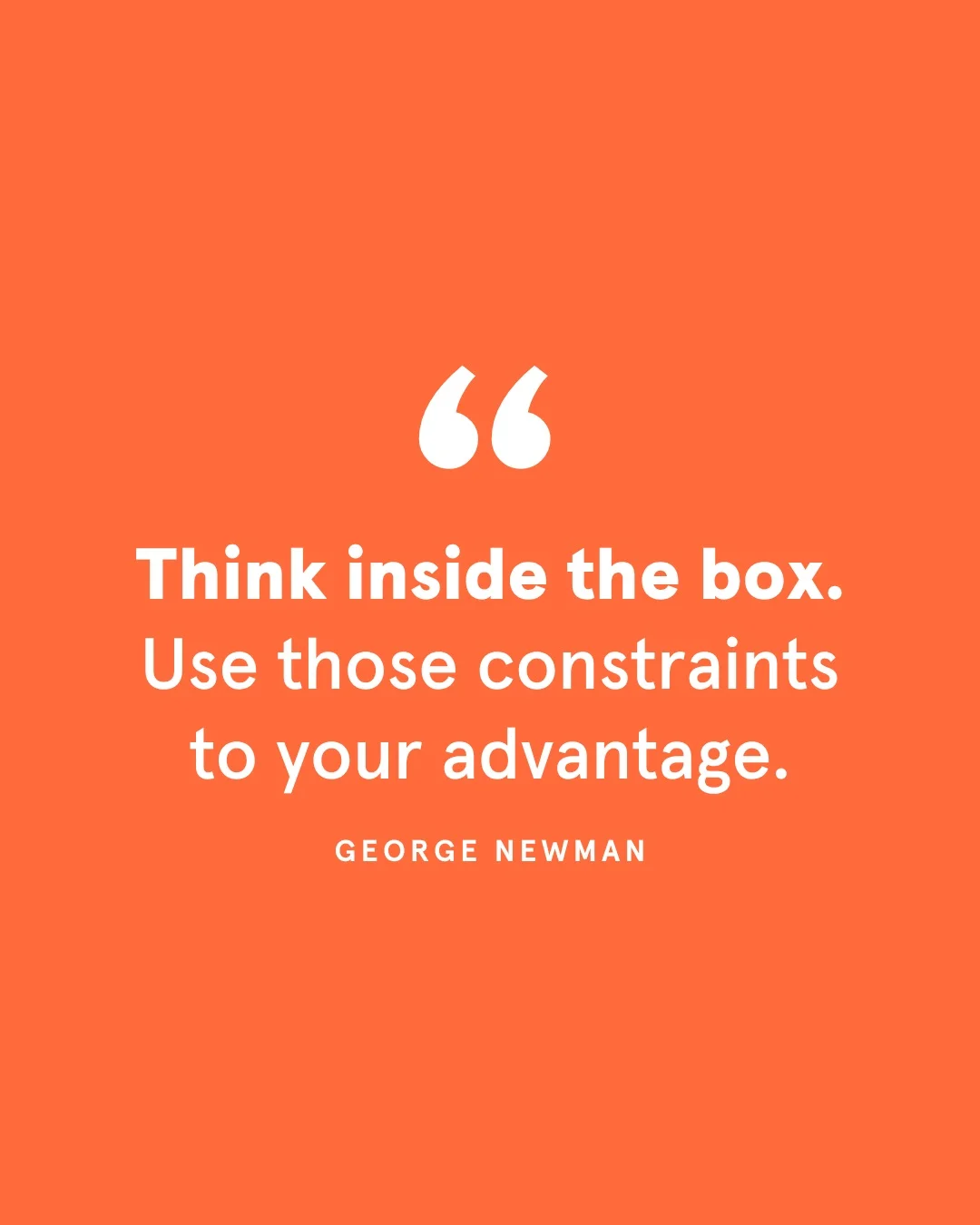
Great Ideas Rarely Stem From Sudden Lightning‑bolt Moments
When you think of a creative breakthrough, what do you picture? If you're like most people, you probably imagine a lone genius struck by a sudden flash of inspiration — the famous lightning bolt moment. But creativity researcher Dr. George Newman...

Time Richness Beats Money for Greater Happiness
What if feeling "time-rich" matters more for happiness than being money-rich? Research suggests that "time affluence" — the feeling of having enough time for meaningful activities — is a stronger predictor of well-being than income. Studies show people who prioritize time...