
Signs You Were Emotionally Parentified. #shorts
The short video explains emotional parentification—when a child assumes adult‑like emotional responsibilities within the family. It outlines how children become therapists, peacekeepers, or anchors, mediating parental conflicts, bearing secrets, and regulating household moods, thereby losing the right to be dependent and messy. The narrator stresses that praise for being an “old soul” was a mislabel, quoting, “Being the responsible one wasn’t your strength, it was your assignment,” and urges viewers to recognize the hidden labor. Understanding these signs helps adults reframe lifelong over‑helping patterns, set boundaries, and seek care, which can improve mental‑health outcomes and relational dynamics.
That 3am Anxiety Isn’t Random. Here’s What Your Brain Is Doing. #shorts
The video explains why many people wake up between 2 a.m. and 4 a.m. with racing hearts – it’s not random but a physiological response tied to the body’s cortisol rhythm. Cortisol, the stress hormone, is lowest around midnight and normally begins to...
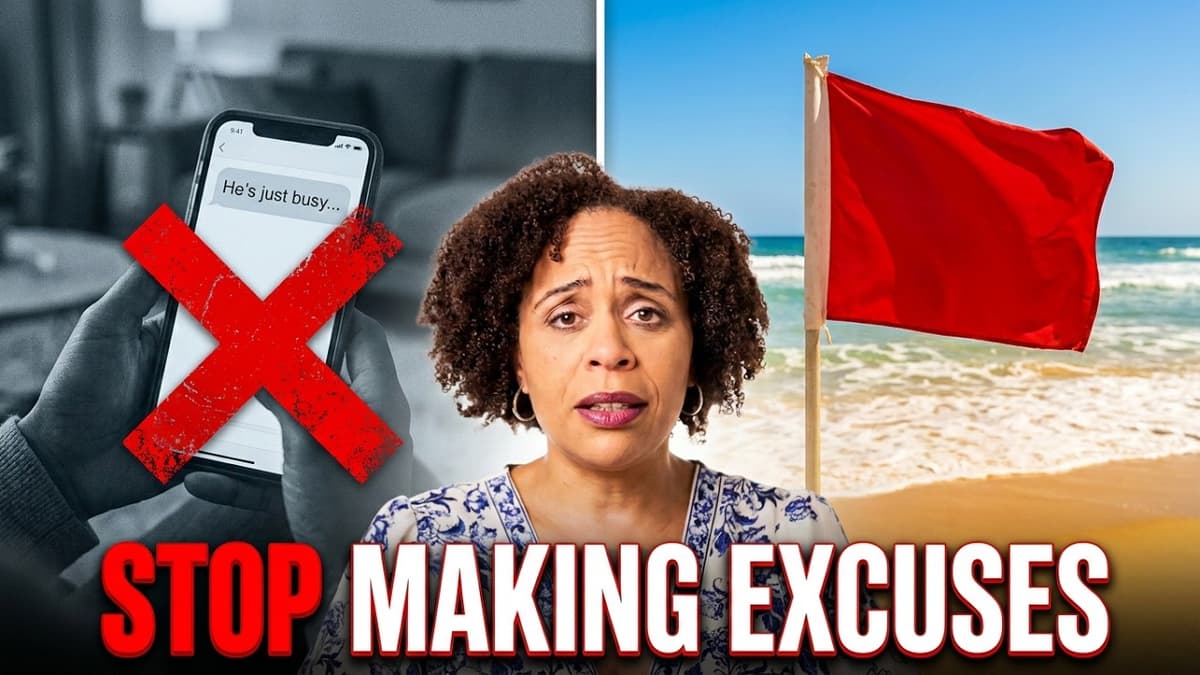
The Brain Science of Why Smart People Ignore Red Flags and Rationalize Pain
Dr. Tracey Marks explains that even highly intelligent people can overlook warning signs in romantic relationships because their brains prioritize narrative cohesion over factual truth. She describes cognitive dissonance as the mental strain when a loved one's actions clash with the...
Signs Your Body Is Keeping Score. #shorts
The short video highlights how unprocessed emotional stress can become physically embedded, producing chronic pain, tension, gastrointestinal disturbances, and fatigue even when medical tests find no clear cause. When the brain cannot finish the stress response, the nervous system retains the...

You’re Not Cold. You Learned to Shut Down to Survive. #shorts
The short video tackles avoidant attachment, arguing that people labeled “cold” often protect themselves through learned emotional shutdown. It traces the behavior to childhood environments where cries were ignored or dismissed, teaching the brain to “stop needing” as a survival tactic....
You’re Not Clingy. You Have Anxious Attachment. #shorts
The short video reframes “clingy” behavior as a manifestation of anxious attachment, emphasizing that the pattern originates long before adulthood. It outlines how inconsistent caregiving—alternating warmth and withdrawal—teaches the brain that love is unreliable, prompting constant monitoring, need for reassurance, and...

Your Brain on Doom-Scrolling — What’s Actually Happening #shorts
The short explains that doom‑scrolling hijacks the brain’s reward system, operating on the same variable‑ratio reinforcement schedule that makes slot machines irresistible. It argues that each swipe functions like pulling a lever, delivering unpredictable payoffs that fuel compulsive use. Key insights...
The Science of the "Dopamine Crash" After Social Media #shorts
The video explains the so‑called “dopamine crash” that follows prolonged social‑media scrolling, describing how the platform’s design creates a roller‑coaster of brain chemistry. Each like, comment or new post delivers an unpredictable reward that spikes dopamine. The brain compensates by down‑regulating...
Signs Your Anger Is Actually Grief. #shorts
The short video frames sudden irritability as a possible symptom of hidden grief, urging viewers to look beyond surface‑level anger. It explains that when a loss—whether of a person, relationship, future, or self‑identity—overwhelms the nervous system, the brain often converts the...
The Real Reason You React So Strongly in Relationships
Dr. Tracy Marks, a clinical psychologist, describes “trauma echo” – the automatic re‑activation of old relational wounds when current interactions resemble past hurts. She frames it as a neuro‑biological response that often drives disproportionate anger, panic, or withdrawal in otherwise...
You’re Not a Pessimist. You Have Cognitive Distortions. #shorts
The short video reframes pessimism as a series of cognitive distortions rather than a fixed personality trait. It explains that the brain’s protective shortcuts can warp perception, making imagined threats feel like wisdom or experience. Four common distortions are highlighted:...
Burnout Isn’t Just Being Tired. It’s Your Nervous System Shutting Down. #shorts
The video reframes burnout as a neurological crisis rather than simple tiredness, emphasizing that conventional advice—like taking a vacation—fails because the problem runs deeper than fatigue. Three dimensions define true burnout: emotional exhaustion, depersonalization (cynicism and numbness), and a sense of...

Overthinking Isn’t Your Personality. It’s a Stress Response. #shorts
The short video reframes chronic overthinking as a physiological stress response rather than a fixed personality trait. It explains that the mental habit of replaying conversations, fearing future disasters, and dissecting past events is clinically termed rumination, a reliable predictor...

Why Music From Your Past Hits so Hard Emotionally #shorts
The short video explains why songs from a decade ago can instantly transport listeners back to specific places, people, and feelings, arguing that the reaction is more than simple nostalgia—it reflects a unique brain filing system. Neuroscience research shows music activates...
Signs You’re in a Freeze Response and Think You’re Lazy. #shorts
The short video demystifies the “freeze” response, a third branch of the nervous‑system survival repertoire that many mistake for laziness. It explains that when the brain judges a threat as overwhelming, the dorsal vagal complex slams an emergency brake, leaving...

Medication Doesn’t Numb You. Untreated Depression Does. #shorts
The short video tackles a common misconception: many patients reject antidepressants fearing they will become emotionally flat. It argues that the numbness they dread is often already present as a core symptom of depression, known as anhedonia, rather than a...
Why You Can't Trust Again Even When You Want To
The video, presented by psychiatrist Dr. Tracy Marks, delves into the neuroscience behind why trust is painstaking to build yet can crumble instantly. She explains that trust is not a static feeling or a one‑off decision; it is a continuous...

Signs You Grew up with an Emotionally Immature Parent #shorts
The short video outlines how growing up with an emotionally immature parent can leave lasting psychological footprints. It frames the experience as a reversal of typical parent‑child dynamics, where the child learns to manage the adult’s emotions rather than receiving...
Your ‘Introversion’ Might Actually Be Social Anxiety #shorts
The short video clarifies the often‑confused line between introversion—a natural energy preference—and social anxiety, a fear‑driven avoidance of social situations. It explains that introverts recharge alone and feel content after skipping a gathering, whereas socially anxious individuals experience relief tinged with...
Signs Your Perfectionism Is Rooted in Shame #shorts
The short video titled “Signs your perfectionism is rooted in shame” explains that many people mistake high standards for excellence when, in fact, the drive stems from deep‑seated shame. It outlines how self‑hatred replaces disappointment, procrastination becomes a defense against personal...
Why You Love Them—And Still Need to Pull Away
The video explores why intense moments of connection often trigger an instinctive urge to step back, not because of fear or lack of interest, but due to a biologically programmed emotional satiety point. Dr. Tracy Marks explains that the brain...
Your People-Pleasing Isn’t Kindness. It’s a Survival Strategy. #shorts
The video reframes people‑pleasing as a survival mechanism rather than a virtue, introducing the concept of "fawning"—a fourth trauma response that compels individuals to appease perceived threats. It argues that this behavior originates in early nervous‑system conditioning, where making others...
What Happens in Your Brain During a Flashback #shorts
The short video breaks down what occurs in the brain when a flashback erupts, describing it as a rapid, involuntary cascade rather than a conscious recollection. It outlines three near‑simultaneous processes: the amygdala’s threat detector fires the instant a sensory cue...
Signs You’re Dissociating and Calling It ‘Zoning Out. #shorts
The short video warns viewers that frequent “zoning out” may be more than harmless mind‑wandering—it can signal dissociative episodes where consciousness disconnects from self and surroundings. It outlines four hallmark symptoms: depersonalization (feeling like a passenger in one’s own body), derealization...

Why Some People Feel Like Home—And Others Feel Like a Performance
The video explains that feeling unseen in relationships is a neurological signal, not mere neediness. It distinguishes simple mirroring from true attunement, showing how the brain’s reward system and social baseline theory link recognition to safety and stress regulation. When...
If You Rehearse Every Conversation Before You Have It, This Might Be Why. #shorts
The short video argues that repeatedly scripting every interaction is a symptom of social anxiety rather than mere preparation. It explains that the amygdala flags ordinary social exchanges as potential threats, prompting the prefrontal cortex to launch a risk‑avoidance simulation. This...
You’re Not ‘Too Sensitive.’ Your Nervous System Is Miscalibrated. #shorts
The short video explains that what many label “being too sensitive” is actually a nervous‑system miscalibration rooted in early emotional neglect. It outlines how unpredictable parenting and chronic tension train the amygdala to operate at maximum sensitivity, so ordinary adult cues—like...
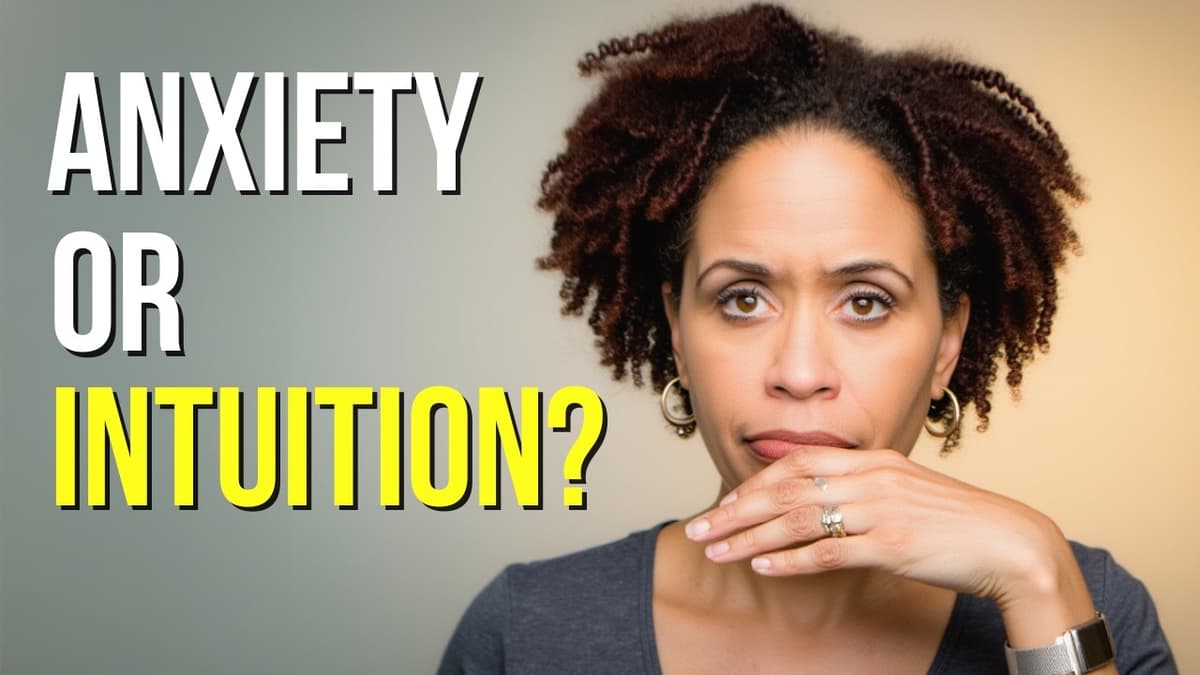
Why Your Brain Can't Tell Intuition From Anxiety
The video explains that what we call a "gut feeling" is not mystical intuition but a brain‑generated signal derived from interoceptive data. The insula integrates heart rate, breathing, and stomach tension, then compares these sensations to stored relational templates through...

Why Your Brain Won’t Let You Start the Thing You Want to Do. #shorts
The short video explains why many people can’t initiate tasks even when they clearly know what to do. It frames the problem as a neurochemical activation issue rather than a lack of information, highlighting the role of the brain’s pre‑frontal...
Signs You Were Emotionally Neglected and Don’t Realize It #shorts
The short video spotlights emotional neglect as an invisible wound that often goes unnoticed because it leaves no physical marks. It explains that neglect is defined by what wasn’t done—no one asked how you felt, no one validated your emotions—leading...
Panic Attacks Don’t Always Look Like Panic #shorts
The video spotlights a lesser‑known form of panic attack that unfolds silently, leaving the individual outwardly composed while an internal cascade of anxiety rages. Unlike the classic, dramatic episodes of hyperventilation and tears, these attacks manifest as tight chest, pounding...