US-Iran Interim Deal: What Happens Next? | DW News
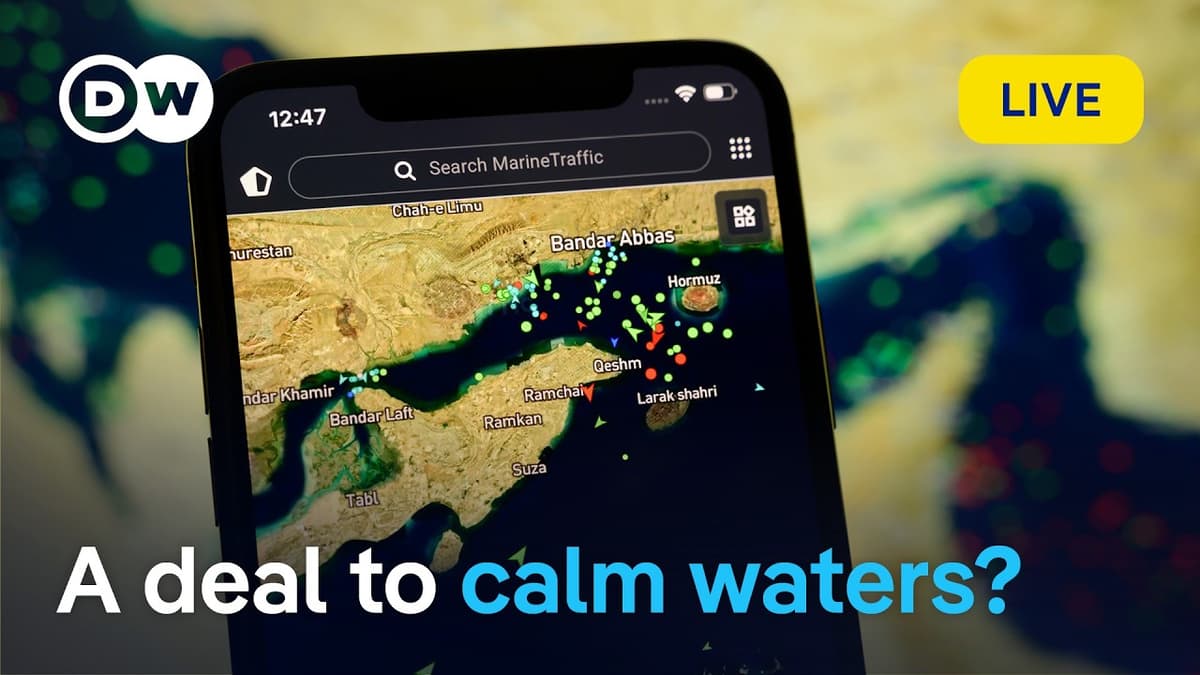
DW News examined the interim memorandum of understanding signed by President Donald Trump and Iranian President Masoud Bezeshkian at the Palace of Versailles, marking a tentative step toward ending the Iran‑Israel‑Gulf conflict. The 14‑point accord calls for a 60‑day cease‑fire, toll‑free passage through the Strait of Hormuz, the lifting of U.S. port blockades, a $1 billion reconstruction fund, and Iran’s reaffirmation not to pursue nuclear weapons, while leaving the final nuclear settlement for later negotiations. Trump warned that any breach would trigger renewed bombing, while Iranian officials appeared cautious. Analysts highlighted Israel’s exclusion from the deal, sparking domestic anger and political pressure ahead of elections, and noted the symbolic Versailles setting recalling Iran’s historic snub at the 1919 peace conference. If upheld, the agreement could ease global oil markets, unlock reconstruction contracts, and reduce regional military tension; however, its fragile nature and the sidelining of Israel mean investors and policymakers must monitor compliance closely, as a collapse could reignite sanctions and conflict.
Ukrainian Drones Hit Moscow Oil Refinery | DW News
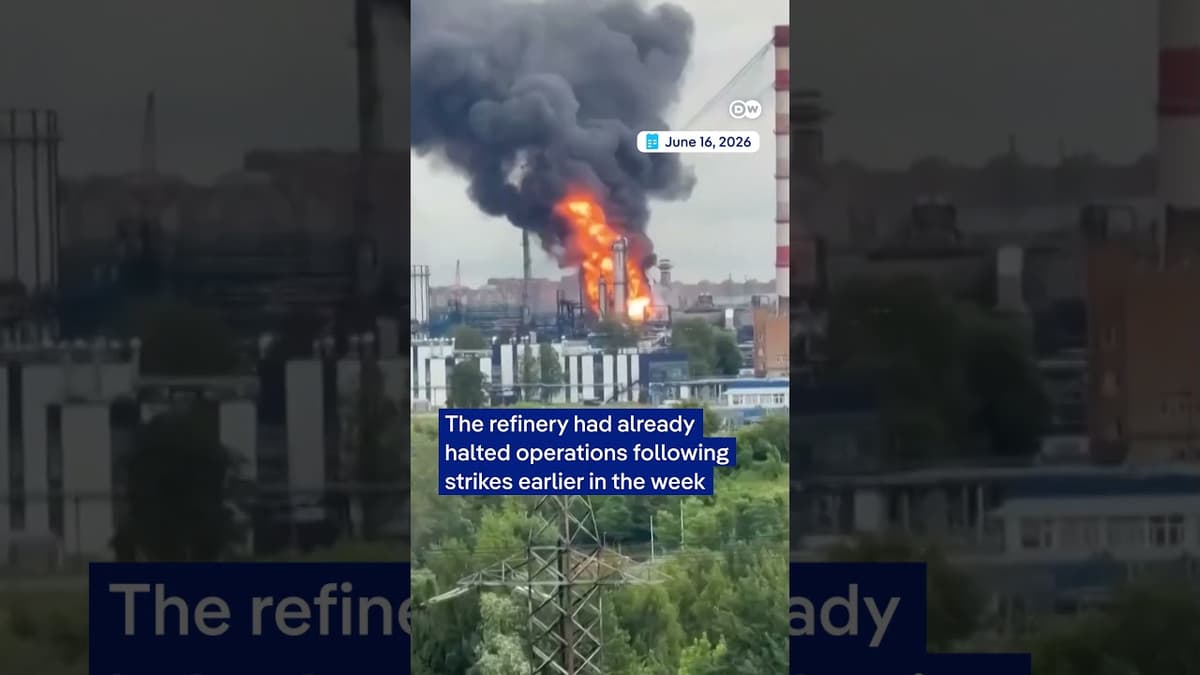
DW News reported that Ukrainian‑operated drones penetrated deep into Russian territory to hit the Moscow oil refinery, marking the first confirmed strike on a major energy facility within the capital region. The attack caused a temporary shutdown of key processing...
US‑Iran Deal Shakes Markets: Oil Down, Stocks Up
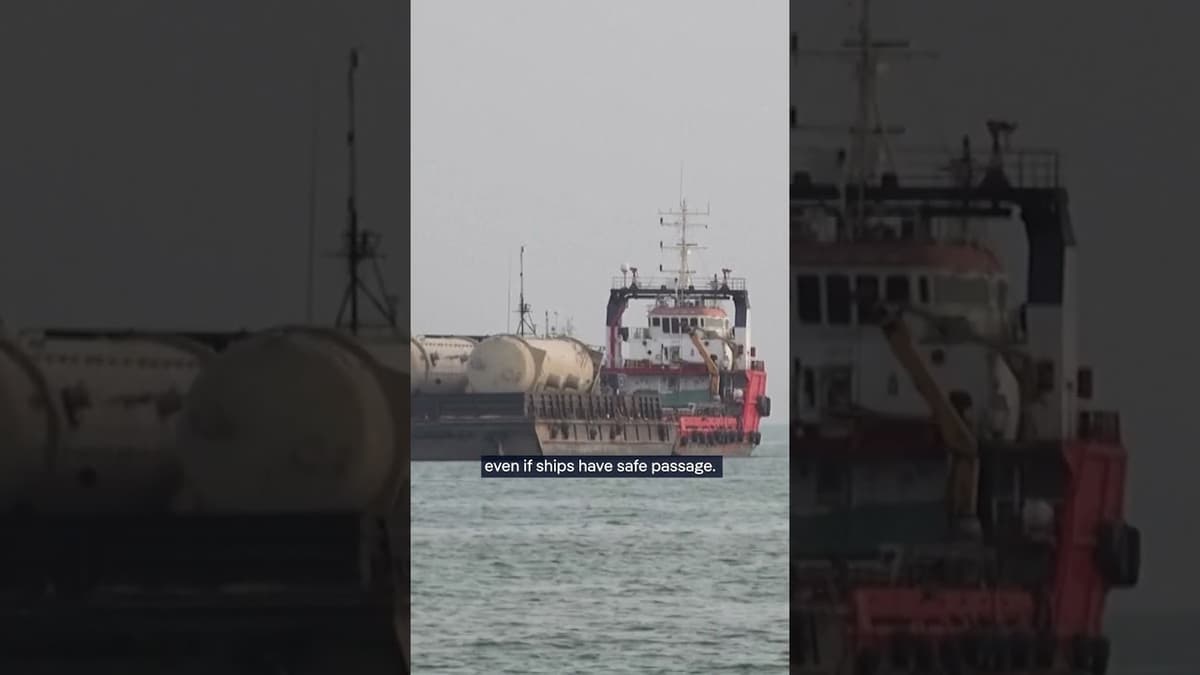
The video examines the market reaction to the newly announced U.S.-Iran agreement, noting a sharp drop in oil prices and a concurrent rally in equity markets. President Trump’s social‑media announcement that the Strait of Hormuz will reopen toll‑free sparked optimism,...
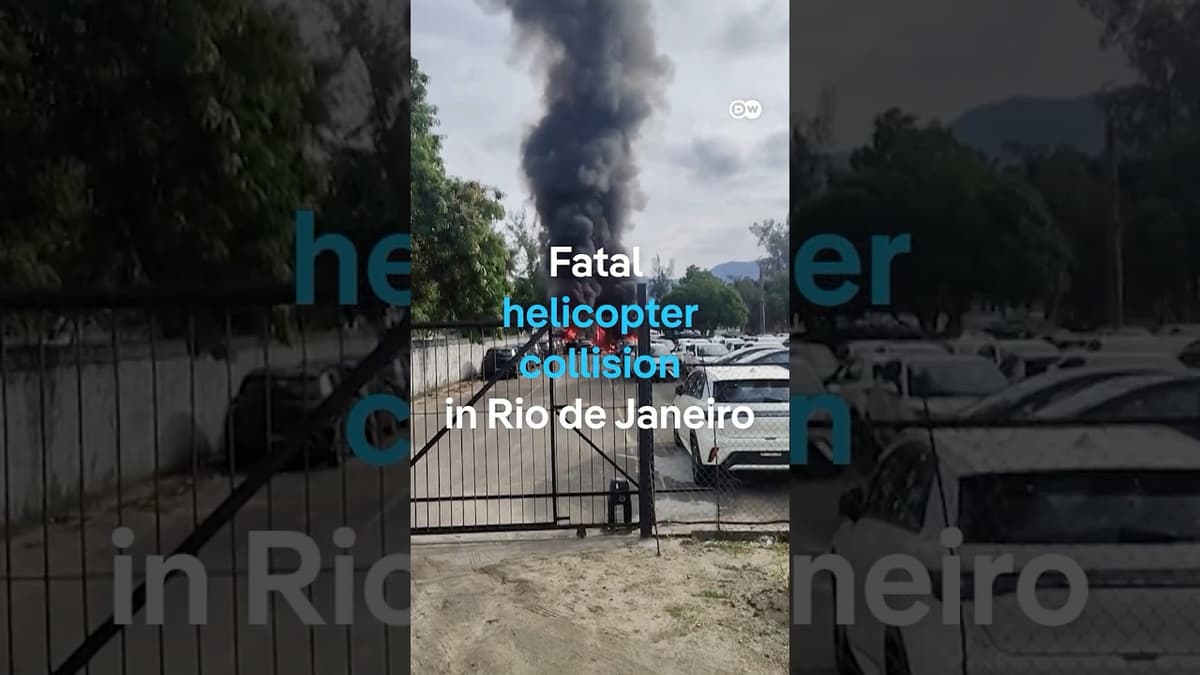
Helicopter Collision Leaves Six Dead in Rio | DW News
A mid‑air collision between two helicopters over Rio de Janeiro left six people dead, according to DW News. The first aircraft suffered a fire and crashed with five occupants, while the second went down about 100 metres away, killing its sole passenger....
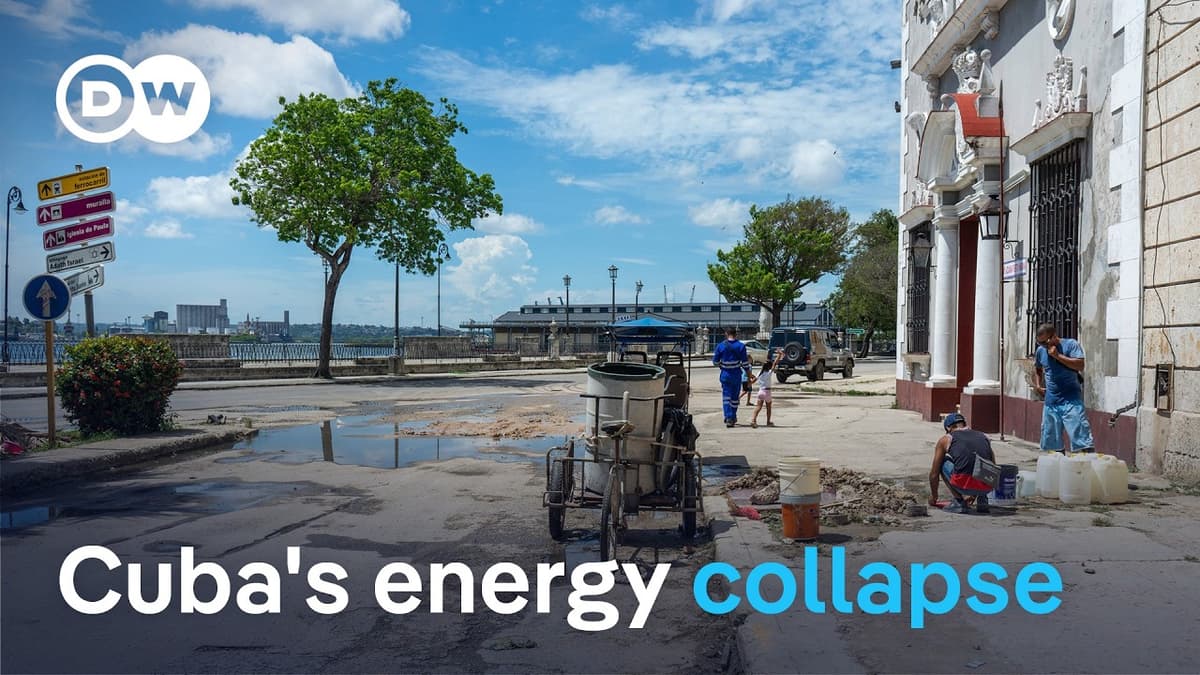
US Oil Blockade Deepens a Preexisting Crisis | DW News
The DW News report examines Cuba’s worsening energy crisis, attributing it to a U.S. oil embargo and internal mismanagement, while noting President Miguel Díaz‑Canel’s vague reform promises. More than half of Cuba’s fuel is imported; recent Russian crude gave brief relief,...
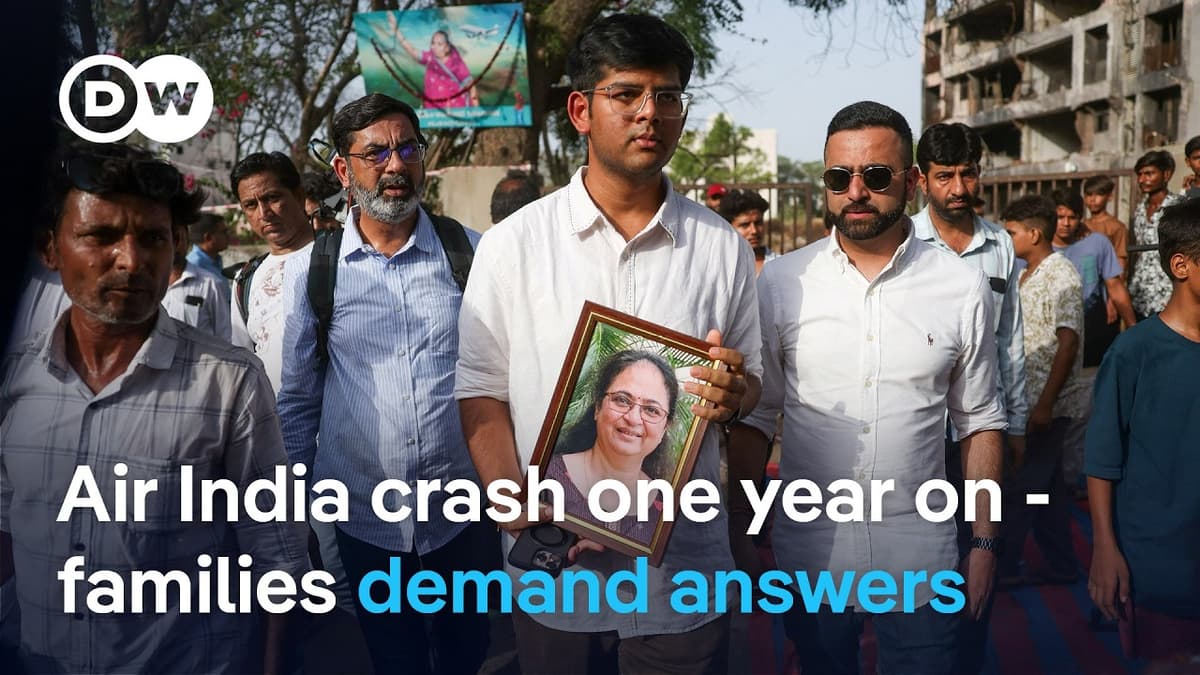
One Year on From India's Worst Air Disaster in Decades - Still No Answers │DW News
The video revisits the one‑year anniversary of Air India Flight 171’s crash near Ahmedabad, which killed more than 260 people, including students and staff at a local medical college. It follows grieving families, such as Sorup Patel, who lost his...
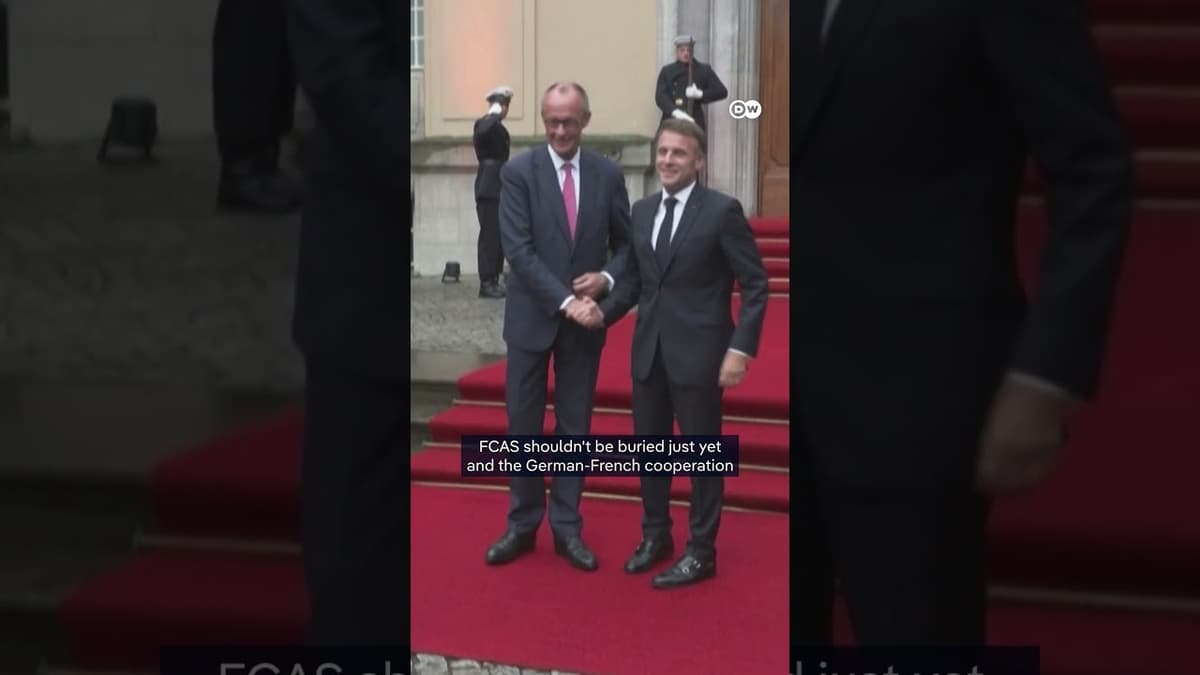
A New Fighter Jet Plan for Europe? | DW News
The video reports that German Chancellor Olaf Scholz stopped a proposed European fighter‑jet programme spearheaded by Airbus and a consortium of seven firms, after earlier talks between Germany and France about a joint next‑generation aircraft had stalled. The initiative, marketed as...

OpenAI and Anthropic: The Trillion Dollar IPO Race | DW News
OpenAI and Anthropic, two of the world’s biggest artificial‑intelligence firms, have each filed confidential registration statements to go public, launching a race to secure trillion‑dollar market capitalisations. Anthropic’s latest funding round pushed its valuation to the brink of $1 trillion, briefly outpacing...
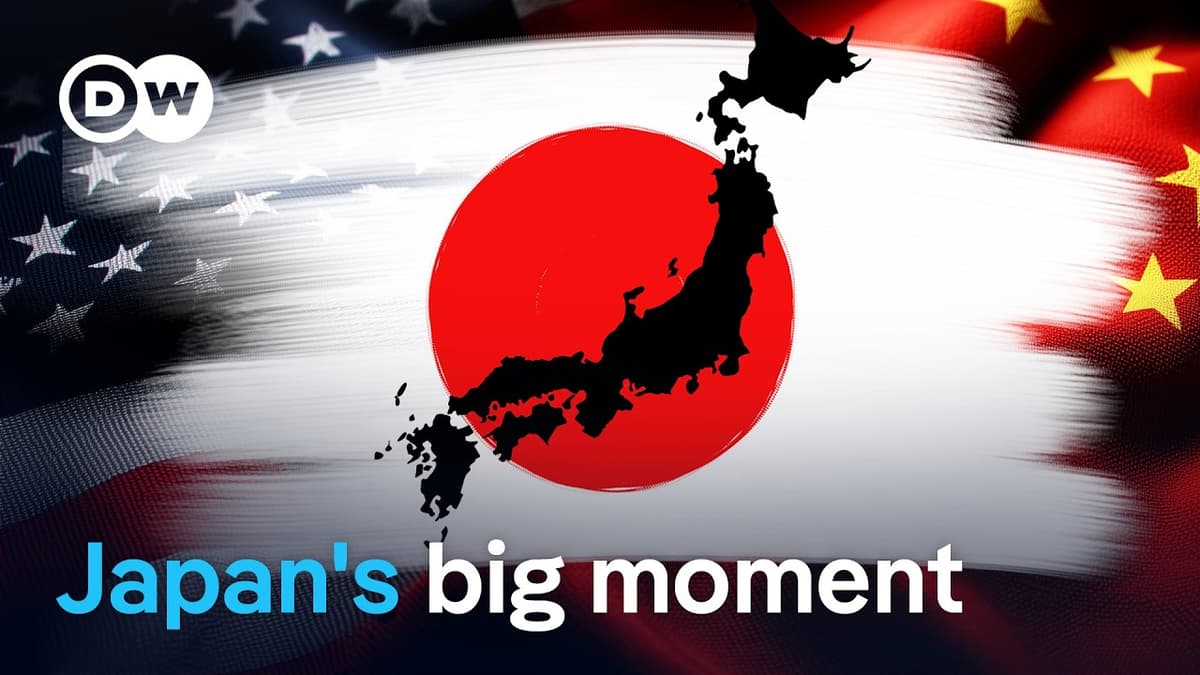
Facing China: Japan's Growing Strategic Role in the Indo-Pacific | DW News
DW News examines Japan’s evolving role as a pivotal, trusted middle power in the Indo‑Pacific. While the United States remains Japan’s primary security ally, Tokyo is systematically expanding networks with the Philippines, Australia, India, Vietnam and other regional partners, positioning...
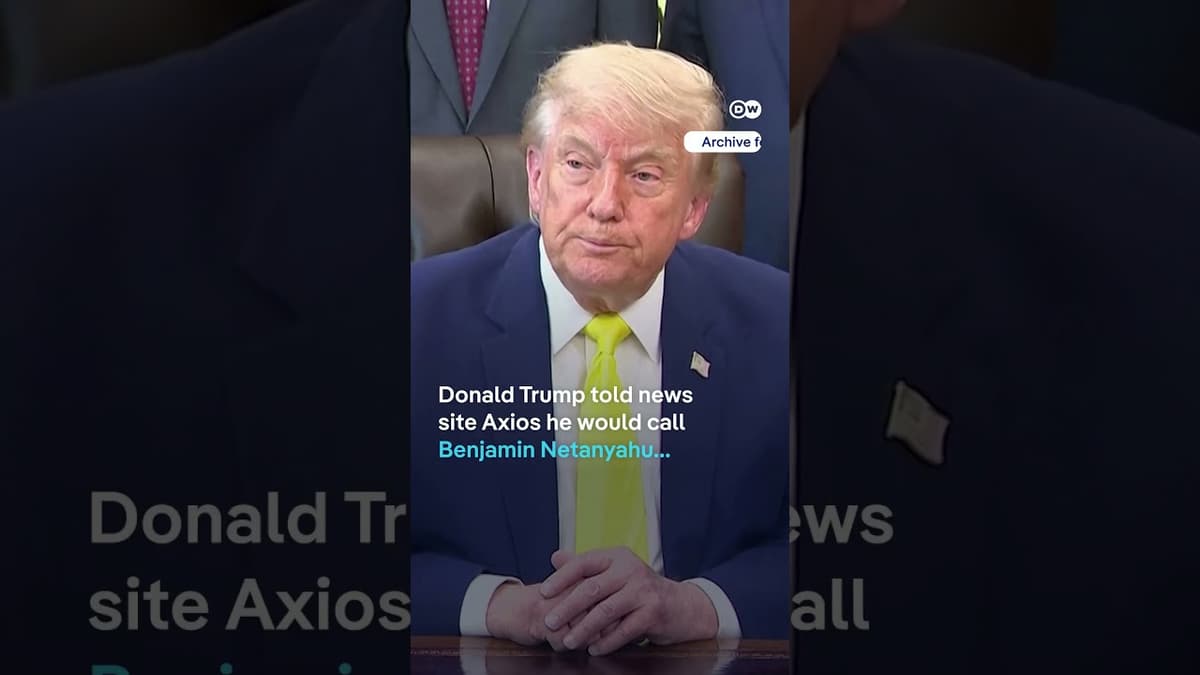
Iran Fires Missiles Towards Israel | DW News
Iran's Revolutionary Guard launched missiles at Israel, marking the first direct attack since the U.S.-brokered ceasefire took effect in April. The strike was framed as a "warning" after Israel conducted airstrikes on southern Beirut targeting Hezbollah militants. Israel responded by...

Satellite Internet: Who Controls the Sky? | DW News
The video explores the rapid concentration of satellite‑internet power in Elon Musk’s Starlink and its broader ramifications for digital sovereignty. It highlights how SpaceX now accounts for 60% of global satellite launches and 66% of the satellites orbiting Earth, with...
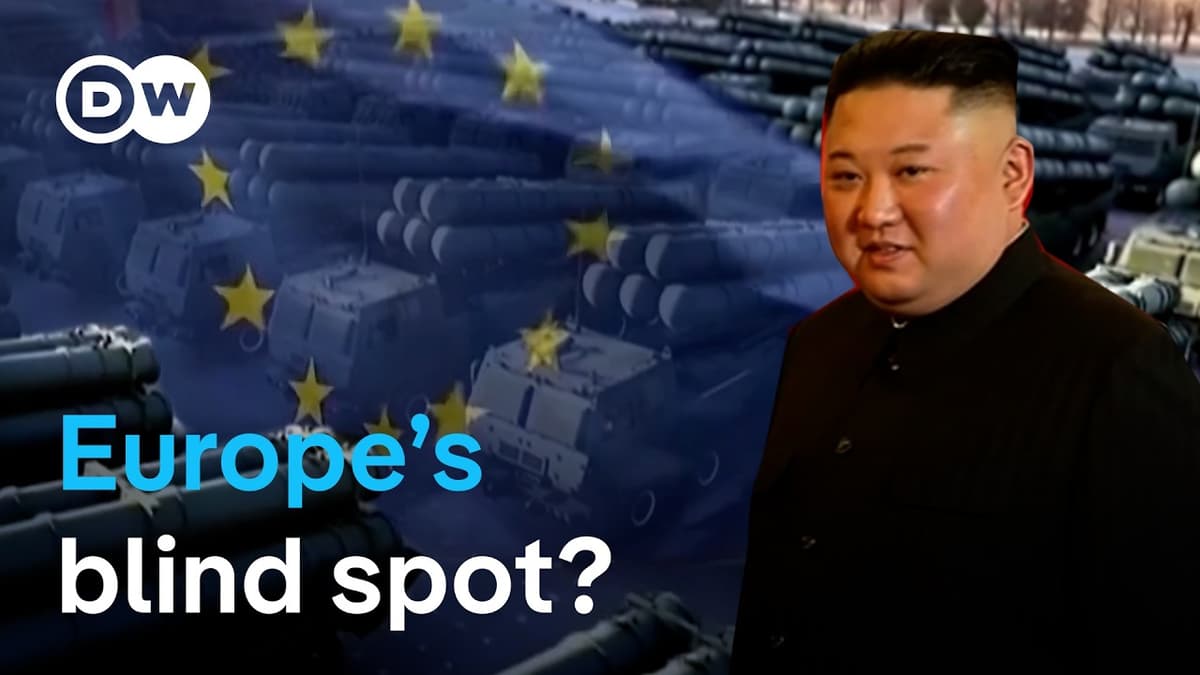
Why North Korea Is Now Europe's Problem | DW News
The DW News segment warns that Europe can no longer ignore North Korea, which has shifted from a distant dictatorship to a direct security threat. Pyongyang’s growing partnership with Moscow—providing artillery, ballistic missiles, and even infantry to the Ukraine...

Volkswagen’s CEO on Its New EV Push | DW News
Volkswagen’s chief Oliver Blume announced the start of production for four new electric‑vehicle models – the ID Polo, Kooper, Roval and Skodora Epic – all built on a common platform at its Martell, Spain plant. The rollout is framed as an “offensive”...
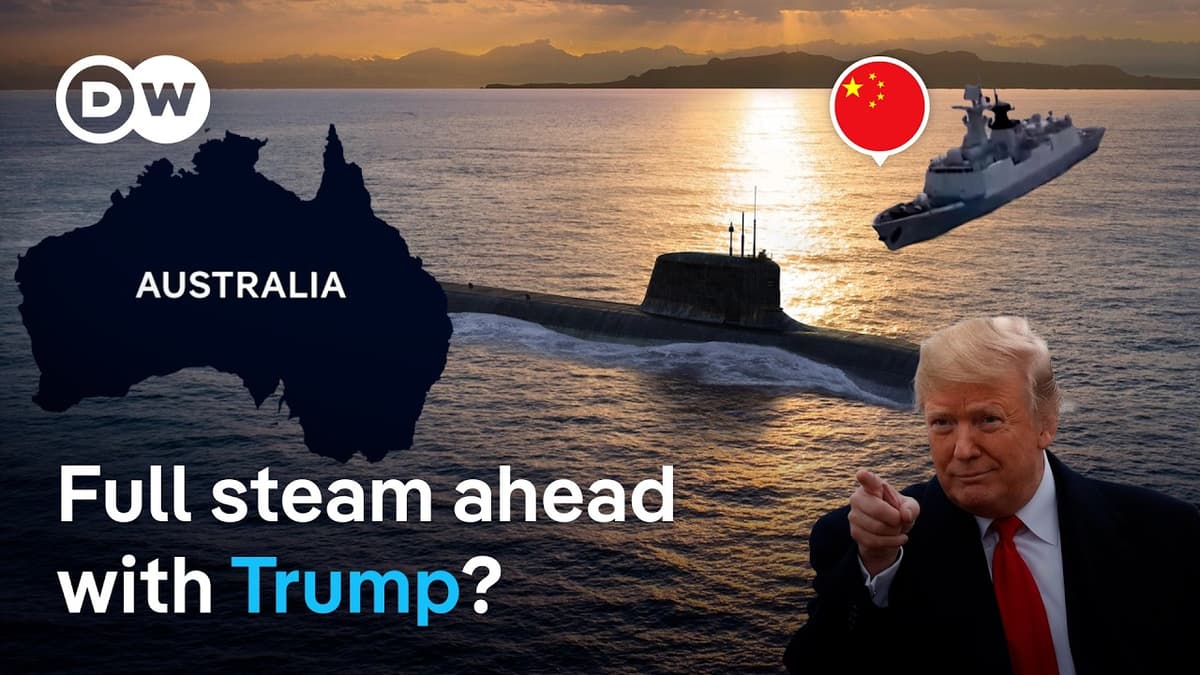
Will AUKUS Nuclear Sub Deal Provoke China? | DW News
The video examines Australia’s participation in the AUKUS partnership, a trilateral security pact with the United States and the United Kingdom to provide Australia with nuclear‑powered attack submarines. The arrangement, announced in 2021, envisions the deployment of US‑built Virginia‑class boats...
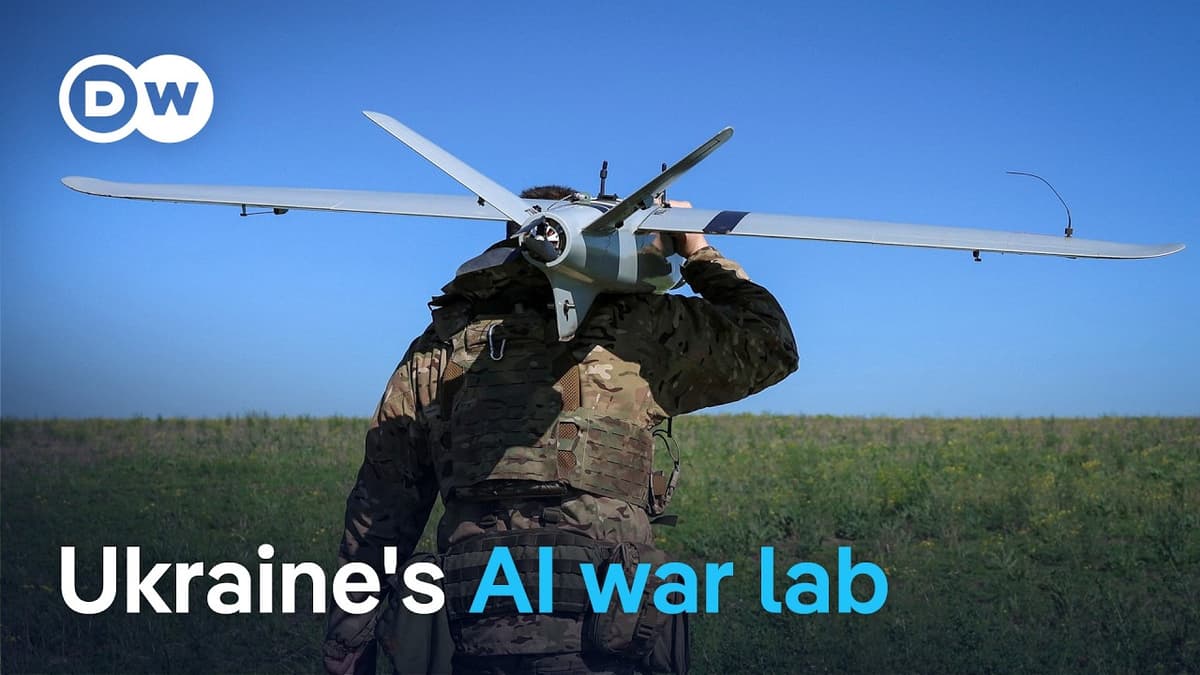
Ukraine Is Now the World's AI War Lab | DW News
The video frames Ukraine as the world’s first "AI war lab," highlighting a March 2026 launch of an online portal that grants allied governments and defense firms access to more than two million hours of combat drone footage—equivalent to 228...