

Starship Flight 12 Has a New Date, What's Left To Do Before Launch?
SpaceX announced that its Starship Flight 12 has moved past the wet‑dress rehearsal milestone, but the launch date has slipped from the previously cited May 15 window. The full stack—Starship SN‑39 atop Super Heavy booster 19—was fully fueled with over 5,000 metric tons of propellant, then rolled back for post‑rehearsal checks. Remaining tasks include installing the flight‑termination system, completing a rollback, and securing the pending FAA launch licence, pushing the earliest possible lift‑off to May 19. The vehicle is the new V3 configuration, featuring higher‑thrust Raptor 3 engines, a reusable lattice structure for hot‑staging, and a slightly taller 408‑ft profile. The flight path will now cross the Yucatán‑Cuba corridor, and the booster will not be caught; the Starship will splash down in the Indian Ocean. Delaying the launch to mid‑May gives SpaceX time to resolve safety and regulatory steps, but it also underscores the challenges of fielding a brand‑new launch system. Investors and downstream customers will watch the May 19 window closely, as a successful debut could accelerate SpaceX’s commercial and deep‑space ambitions.
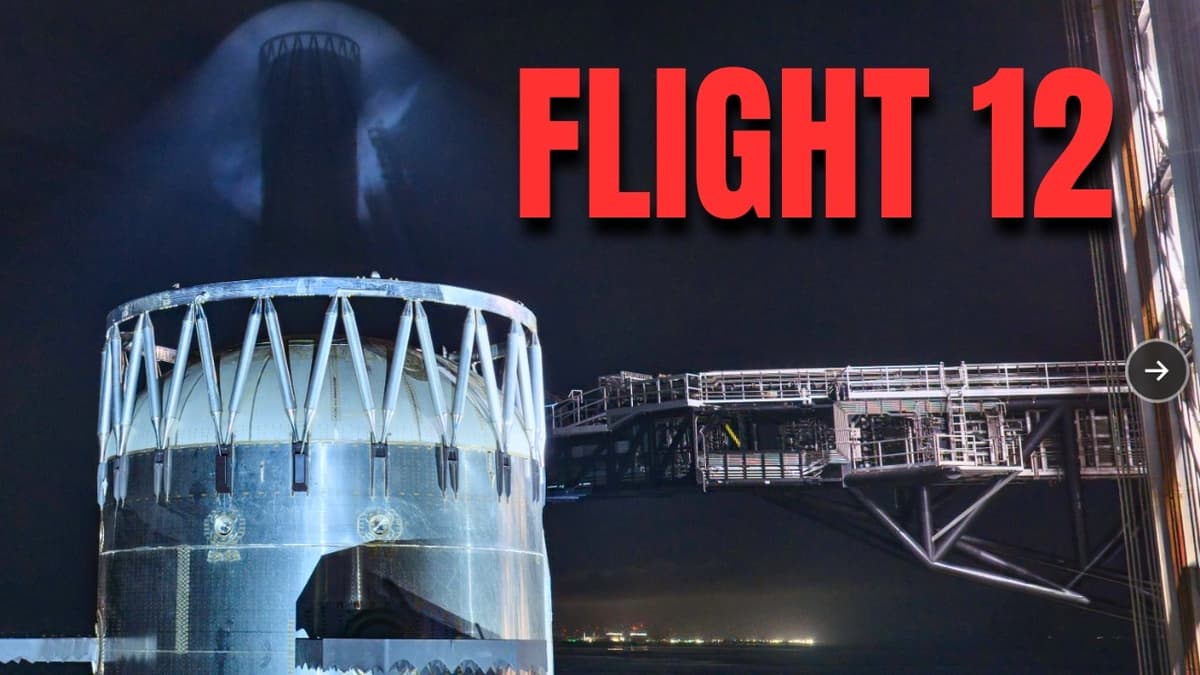
Starship Probably Isn't Launching May 15th... Here's Why
SpaceX’s Starship V3 debut, once slated for May 15, now appears unlikely after a series of setbacks. The video walks through the timeline from a successful 33‑engine static fire on May 7, through the rollout of ship 39, to the aborted wet‑dress...
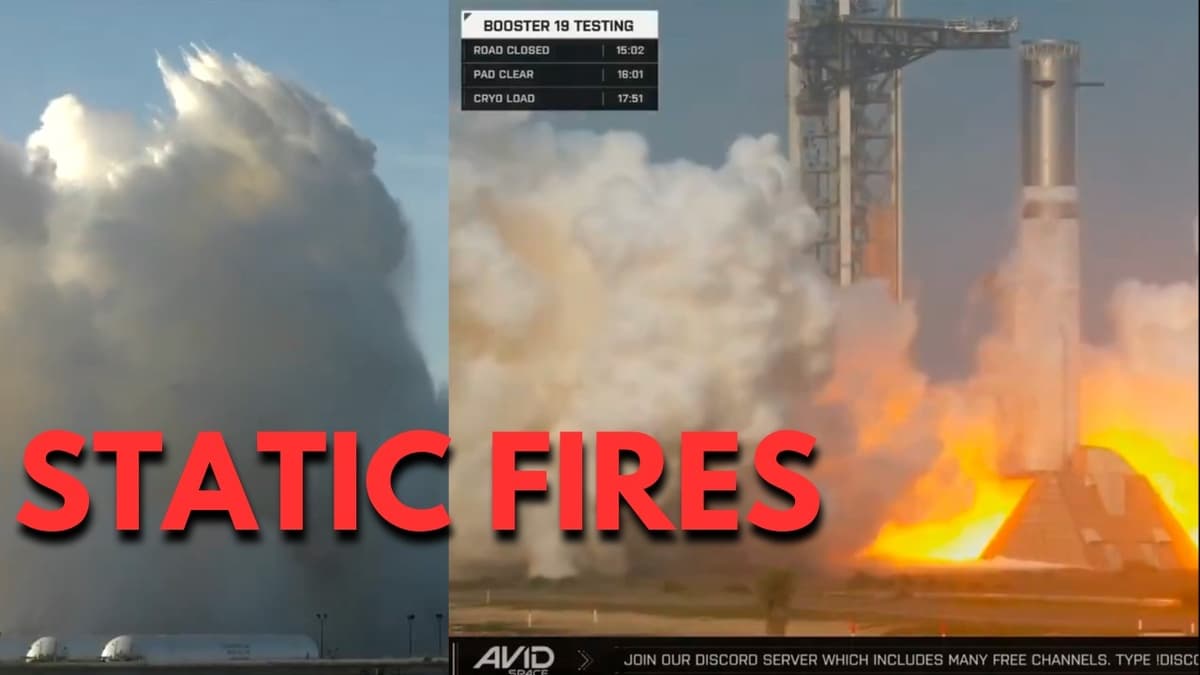
New Glenn and Starship Are on Fire! Static Fires and Reusable Boosters, Oh My!
The video highlights two pivotal milestones in the heavy‑lift launch market: Blue Origin’s New Glenn 3 static fire and SpaceX’s Super Heavy V3 test. Both companies are edging closer to operational reusable boosters, with launch windows slated for the coming weeks. Blue Origin...
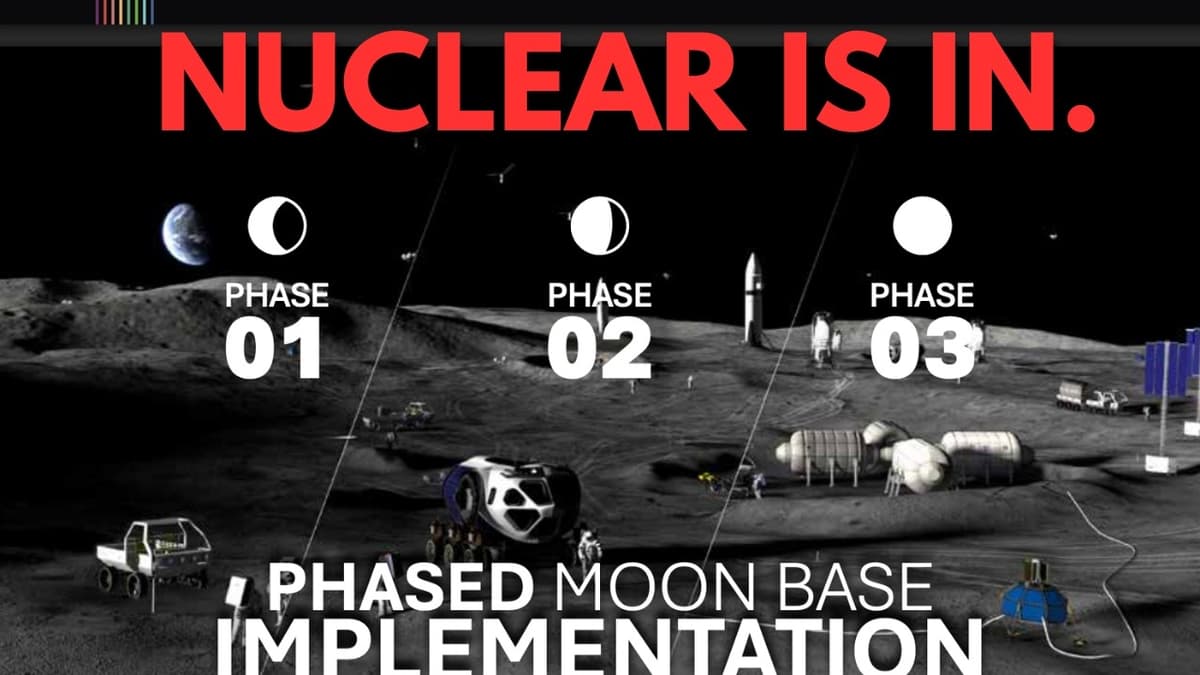
Why the U.S. Just Doubled Down on Space Nuclear Power
The video explains the U.S. government’s new NSTM3 memorandum, which formalizes a national initiative to develop and deploy space‑based nuclear power systems for exploration, commerce and defense. The plan calls for NASA to field a 20‑kilowatt electric, mid‑power reactor...

Neuralink Is Giving Back Dignity to Those with ALS and Paralysis #neuralink
The video highlights Neuralink’s brain‑computer interface as a breakthrough for individuals living with ALS and severe paralysis, offering a level of independence previously unattainable. The presenter describes moving from reliance on caregivers and limited assistive technology to controlling devices simply...

Neuralink Patient with ALS Used AI to Clone Voice #neuralink #ai
The video showcases a man with amyotrophic lateral sclerosis (ALS) who leverages 11 Labs’ voice‑cloning platform to recreate the timbre of his pre‑disease speech, turning a medical communication barrier into a personal restoration. He recorded short phrases on his iPhone, submitted...

The Last Titan II Nuclear Missile Silo in America
The video documents the only remaining intact Titan II intercontinental ballistic missile silo, situated in the Arizona desert near the Santa Rita Lodge. Built during the Cold War, the underground complex once housed a 103‑foot, 330,000‑pound missile ready to fire within...

Starship Flight 12 Delayed AGAIN, Artemis Astronauts Will Fly By Moon on Monday
The video reports two major space‑flight updates: SpaceX’s Starship Flight 12 has been pushed back beyond April, and NASA’s Artemis 2 mission successfully performed its trans‑lunar injection, putting the crew on a lunar flyby scheduled for Monday. Elon Musk’s first public comment on...

Artemis Launch From Cocoa Beach, FL! Taken by My Birth Mom, Sally!
The video captures the Artemis program’s latest launch from Cocoa Beach, Florida, filmed by the creator’s birth mother, Sally, offering a personal viewpoint of the event. The rocket’s ignition produced a brilliant plume and a thunderous roar, with the footage showing...

ISS Astronaut Emergency Finally Revealed and Mobile Launcher 2 Officially Done
The video covers four breaking developments: the first medical evacuation from the International Space Station involving veteran astronaut Mike Fink, the imminent Artemis crew launch and its six‑day abort window, NASA’s decision to cancel Mobile Launcher 2, and a shift in the...

Elon Musk Announces INSANE Plan to Build Chips In House...
Elon Musk announced Terraab, a joint venture between Tesla, XAI and SpaceX, aimed at building a fully integrated semiconductor fab that can design, mask, fabricate, test and package chips under one roof. The project targets a terawatt‑year of AI compute—far...

Butch Wilmore Compares Different Spacecraft to Cars #starliner #butchwilmore #boeing #sportscar
Veteran astronaut Butch Wilmore uses familiar automobile metaphors to illustrate the distinct design philosophies and performance characteristics of four major spacecraft: the Space Shuttle, Russia’s Soyuz, Boeing’s CST‑100 Starliner, and SpaceX’s Dragon capsule. He describes the Shuttle as a Cadillac—large, robust,...

Boeing Starliner : Butch Wilmore Shares Exactly What Happened As He Piloted Starliner
The video centers on astronaut Butch Wilmore’s candid debrief of the Boeing CST‑100 Starliner’s inaugural crewed flight, which turned into a prolonged, high‑risk ordeal. Wilmore, the mission commander, recounts how the spacecraft initially felt like a “sports car” before a...

DART Mission More Successful Than We Thought, Planetary Defense Works!
NASA’s Double Asteroid Redirection Test (DART) mission achieved a more significant impact on asteroid Dimorphos than initially projected, creating a larger-than-expected crater and confirming the spacecraft’s 6.6 km/s collision speed. High‑resolution imagery and ejecta analysis reveal that the kinetic impactor method...

Starship Flight 12 in 4 Weeks, Amazon Urges FCC to Deny SpaceX Plan to Launch 1M Satellites
The video covers two parallel stories: SpaceX’s push to launch Starship Flight 12 in early April and Amazon’s formal petition to the FCC urging a denial of SpaceX’s proposed one‑million‑satellite constellation for orbital data‑centers. Elon Musk’s recent X post and insider Joe...