
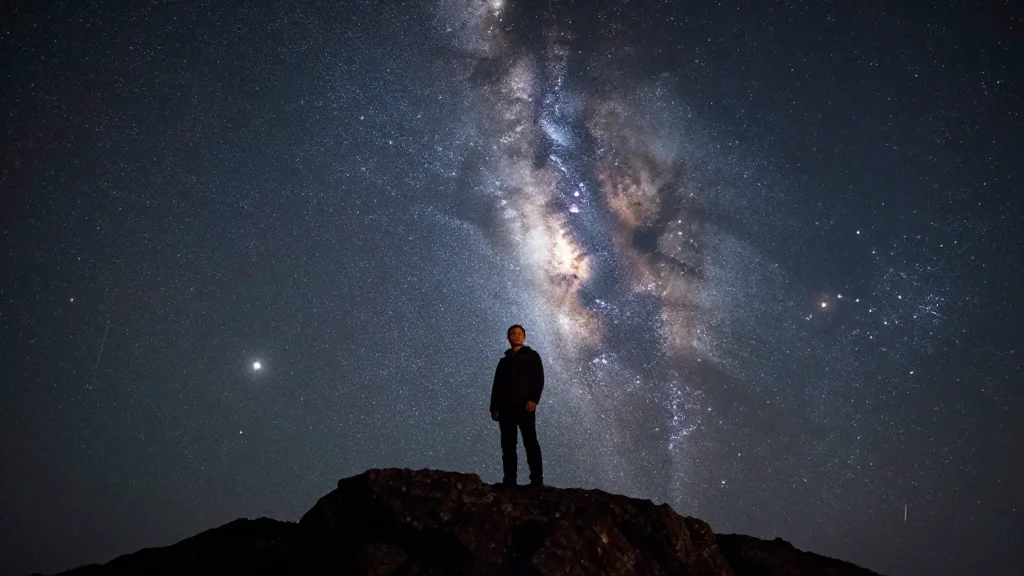
Anthropic Principle: Insightful Yet Easily Misused
The scientific value, and limits, of the Anthropic Principle Just from the fact that we exist, there's much we can rightfully conclude about the Universe. That's the core of the Anthropic Principle: powerful to use, but all too easy to abuse. https://t.co/ymYUiLNwP3
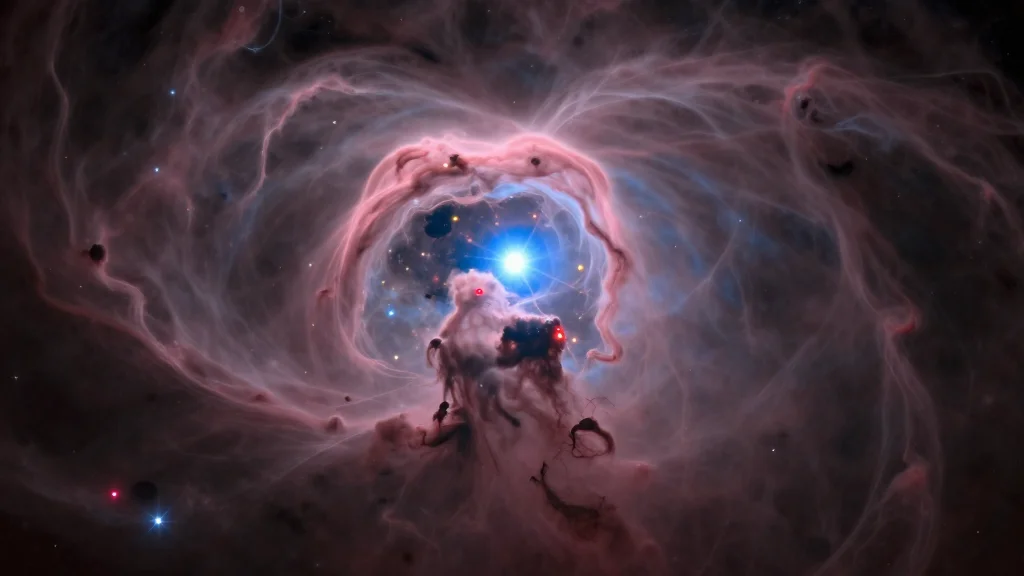
Star Mass Distribution Varies: New Reason Uncovered
Starts With A Bang podcast #130 – the initial mass function of stars Give the Universe a massive enough cold cloud of gas, and it'll give you a spectrum of stars of all different masses. But that spectrum isn't universal, and we...
Three Strategies to Detect Alien Life, One Near Breakthrough
Science’s three big hopes for finding alien life One of humanity's biggest hopes (and fears) is to find evidence of life beyond Earth. We now have three scientific methods for seeking it, with one likely to pay off soon. https://t.co/621jFQa01T
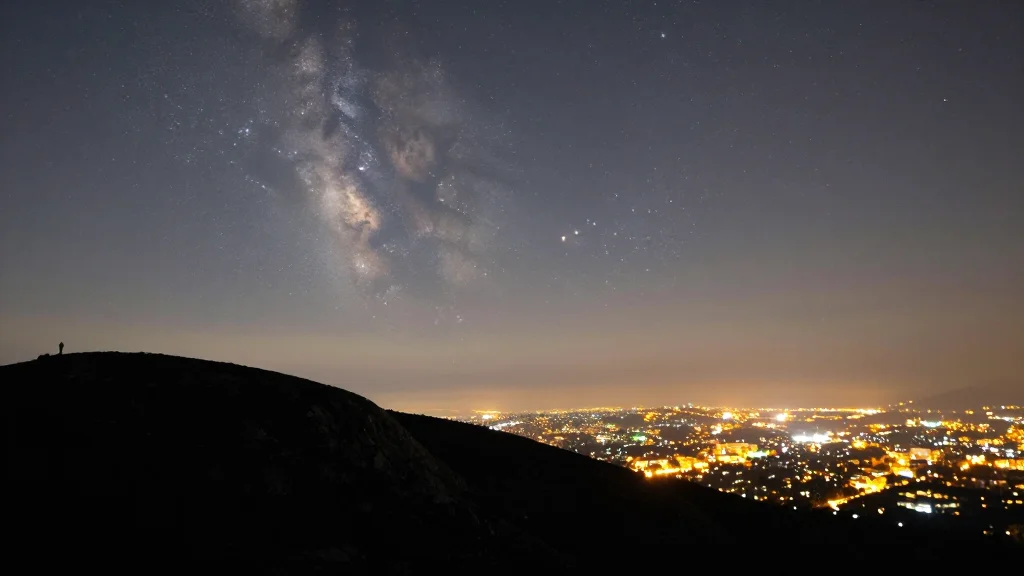
Artificial Light Up 34%, 80% Lose Milky Way
Less of the night sky is visible than ever before NASA's Black Marble project measures artificial lighting at night. From 2014-2022, things got 34% brighter. And now over 80% of humanity can't even see the Milky Way at night. https://t.co/4dLK5DHxOD
Universe’s Age Varies Slightly Across Observers
Ask Ethan: Is the Universe the same age everywhere? Does our 13.8 billion year figure for the Universe's age apply to any observer anywhere as far as "now" goes? Several scientific effects say otherwise, but quantitatively, not by much. https://t.co/eIBcSVxmFR
From Millions to 30 Billion Light‑Years: Expanding Cosmic Horizons
A brief history of the cosmic distance record The cosmic distance record has grown, in just a few hundred years, from millions of light-years to over 30 billion light-years. Here's a look back at our history of ever-receding horizons. https://t.co/ahMqrg2lL8
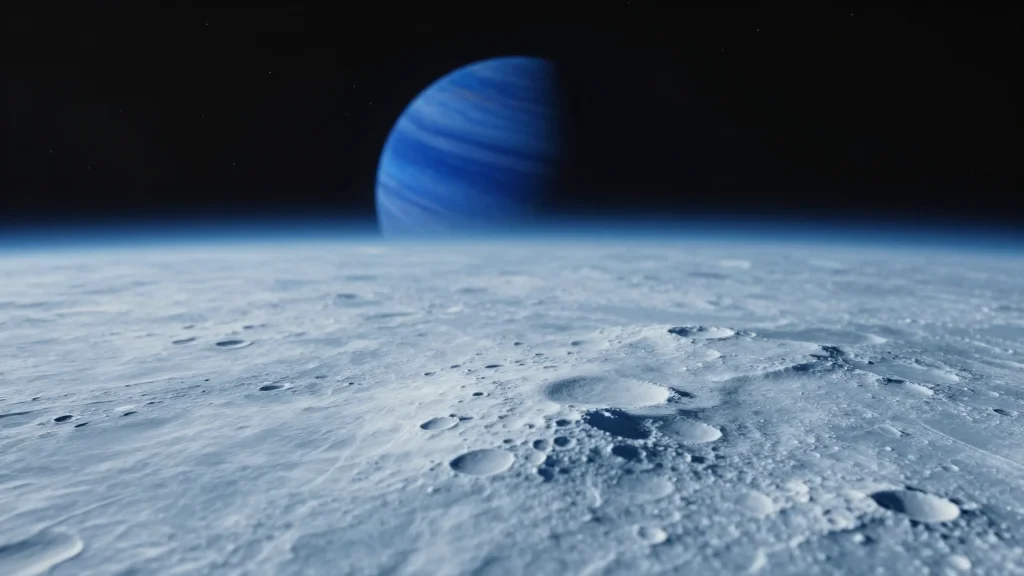
Triton: Neptune’s Moon, Largest Kuiper Belt Object
Starts With A Bang podcast #129 – Triton and the outer solar system Neptune was discovered back in 1846, and its largest moon, Triton, was found just 17 days later. Little did we know we had found the largest object of Kuiper...
Space Is Never Truly Empty, Even in Deep Vacuum
Ask Ethan: How empty are the depths of space? We often talk about "the vacuum of space" as being a place where pressures and particle densities drop to zero. But outer space is never truly empty, even in the emptiest places. https://t.co/7TeWcEiT7Q
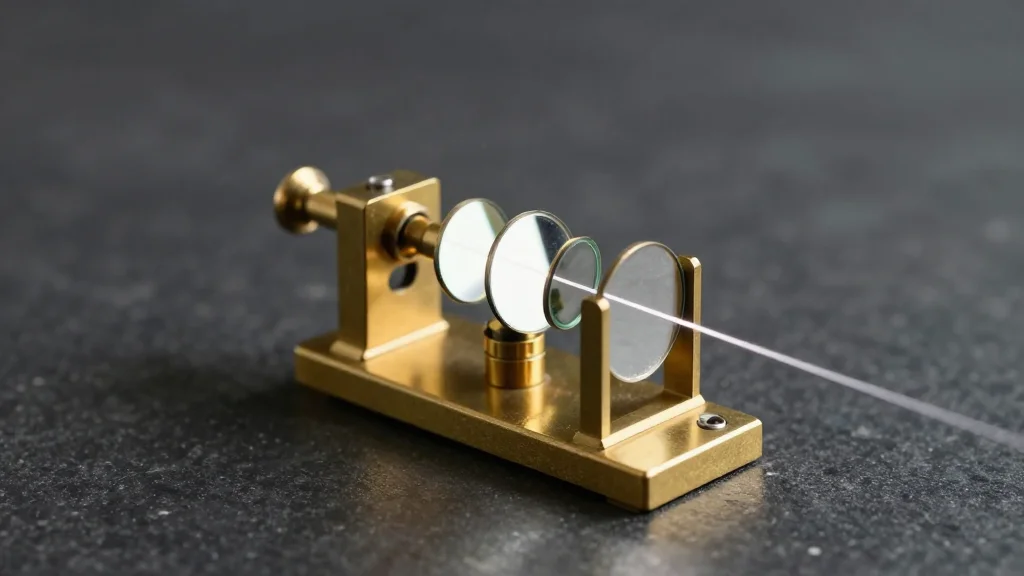
Modern Physics Has Definitively Discarded the Aether
Why science has abandoned the existence of the aether There are many working in theoretical physics who keep trying to bring back the long-discredited idea of the aether. But physics doesn't need it at all. https://t.co/HpcewdykT0
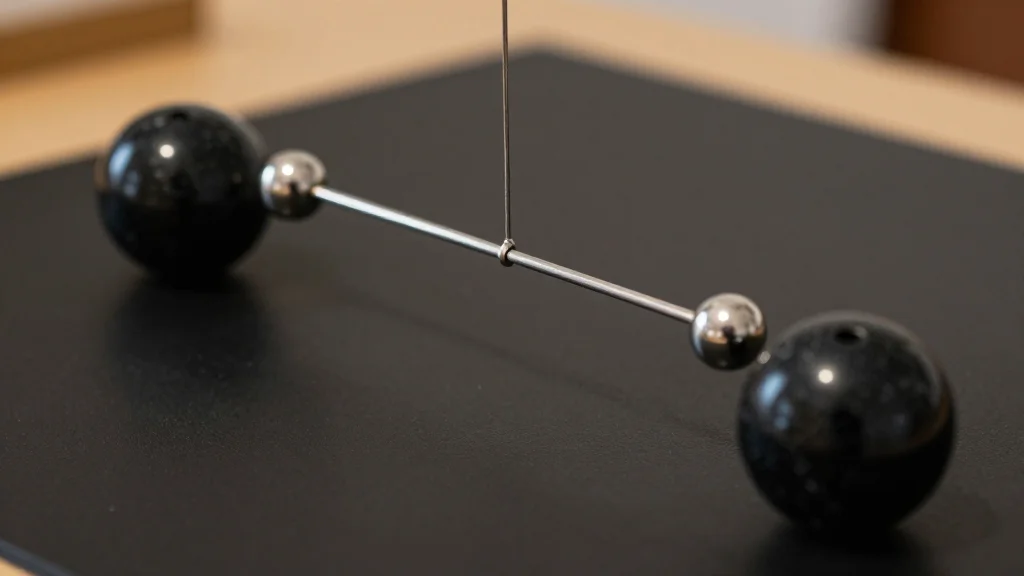
New NIST Study Shows Gravitational Constant Still Uncertain
A new experiment deepens the physics mystery over “big G” Last month, a NIST team published a 10-year study to measure "big G," the gravitational constant. It didn't settle the debate, but rather revealed what everyone should consider. https://t.co/TQOhe14uVB
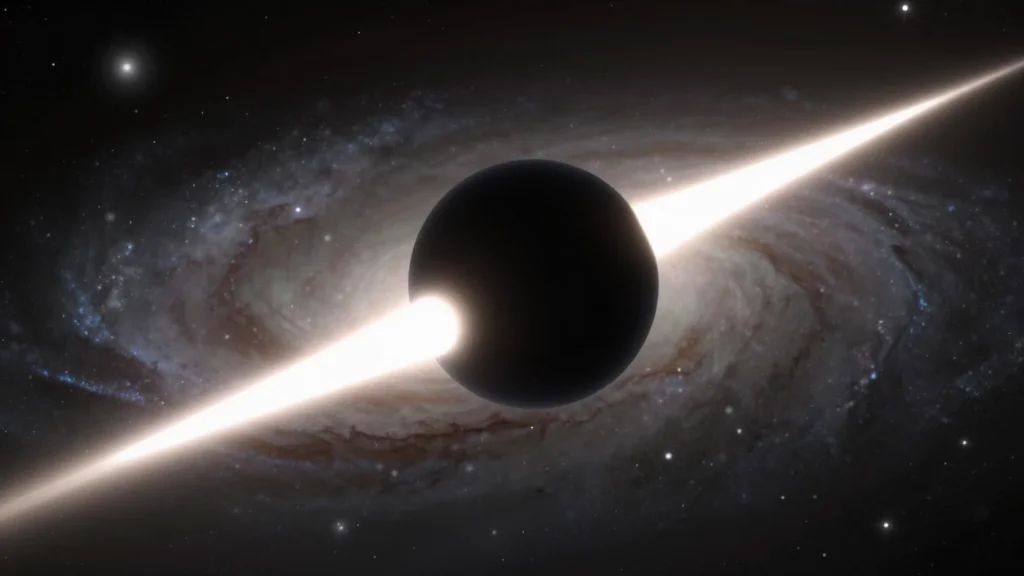
Supermassive Black Holes Power the Universe’s Largest Jets
Supermassive black holes launch the most powerful cosmic jets All across the cosmos, charged particles accelerate and get collimated into jets. And the longest, most powerful ones all originate from supermassive black holes. https://t.co/bt0ayt8F7b
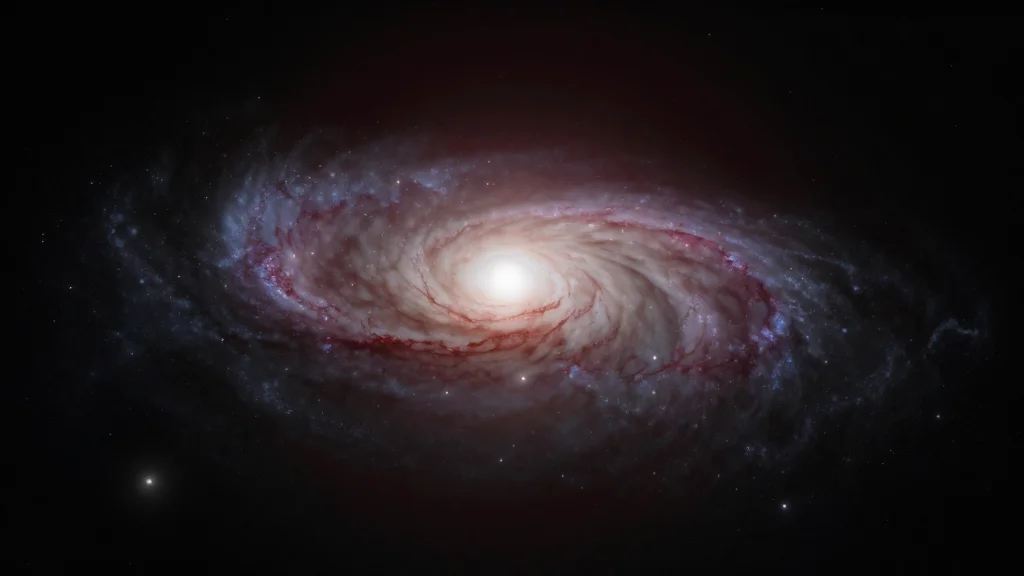
Cosmic Expansion, Not SR, Drives Galaxies’ Extreme Redshift
Ask Ethan: How can ultra-distant galaxies move so fast? If you translate redshift into a special relativity velocity, you'll find the most distant galaxy, MoM-z14, speeds away from us at 99.2% the speed of light. How is that possible? https://t.co/qeSCms318S
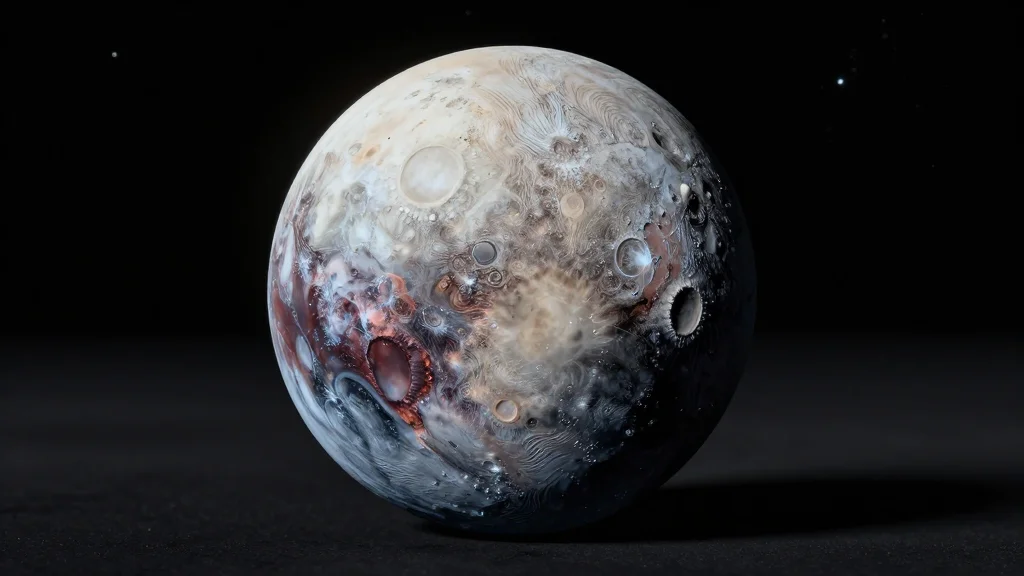
New Science Shows Pluto No Longer Qualifies as Planet
The science case for why Pluto still isn’t a planet Sure, we lived in a simpler time when we had 9 planets, including Pluto. But we've learned a whole lot since 1929, and can't in good conscience ignore it to suit our...
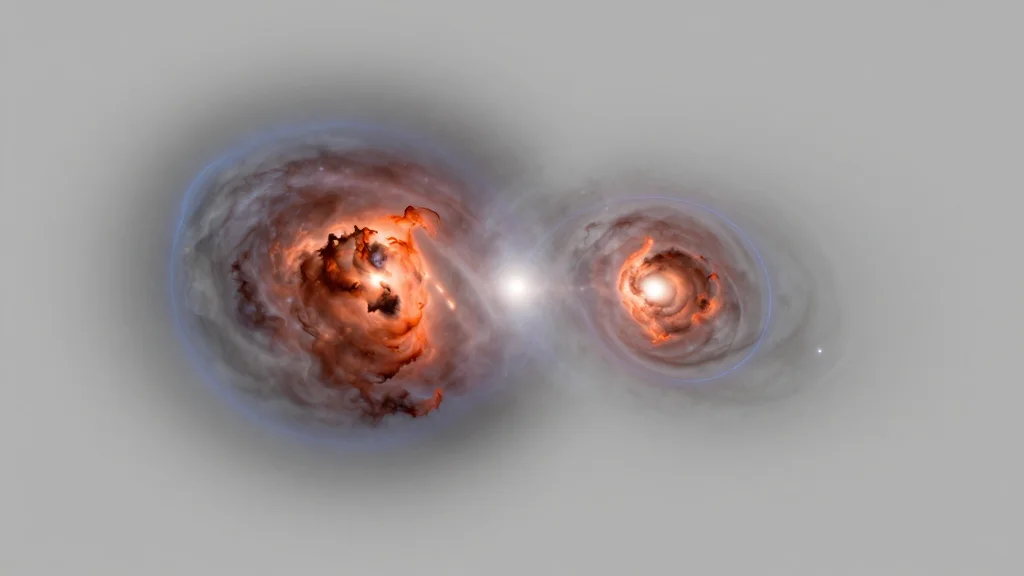
Bullet Cluster Marks 20 Years of Dark Matter Proof
Dark matter in the Bullet Cluster celebrates 20 years It was our first empirical proof of dark matter, using the natural lab of the Universe. Contrarians argue against it, but the evidence speaks louder than any ideologically-driven voice. https://t.co/C2oykGMVIw
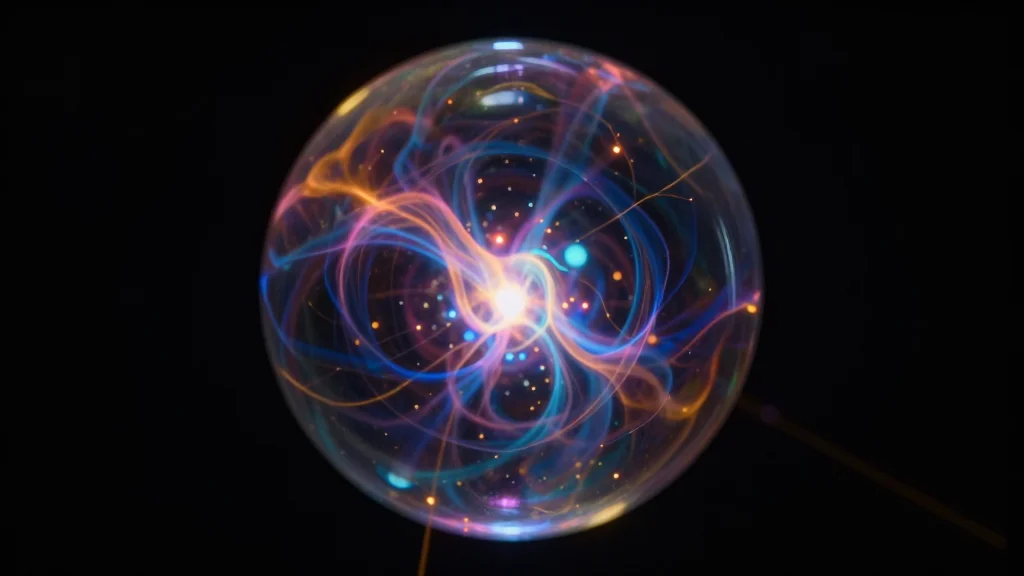
Early Universe Particles Behaved Very Differently Than Today
The particles in the early Universe painted a different picture The Standard Model is well-understood: quarks, leptons, gluons, the photon, the W-and-Z bosons, plus the Higgs boson. But many things looked very different early on. https://t.co/RY3rHqRfT9