When Your Hormones Resemble Levels Seen in Younger Women, Your Cells Respond | Felice Gersh, MD
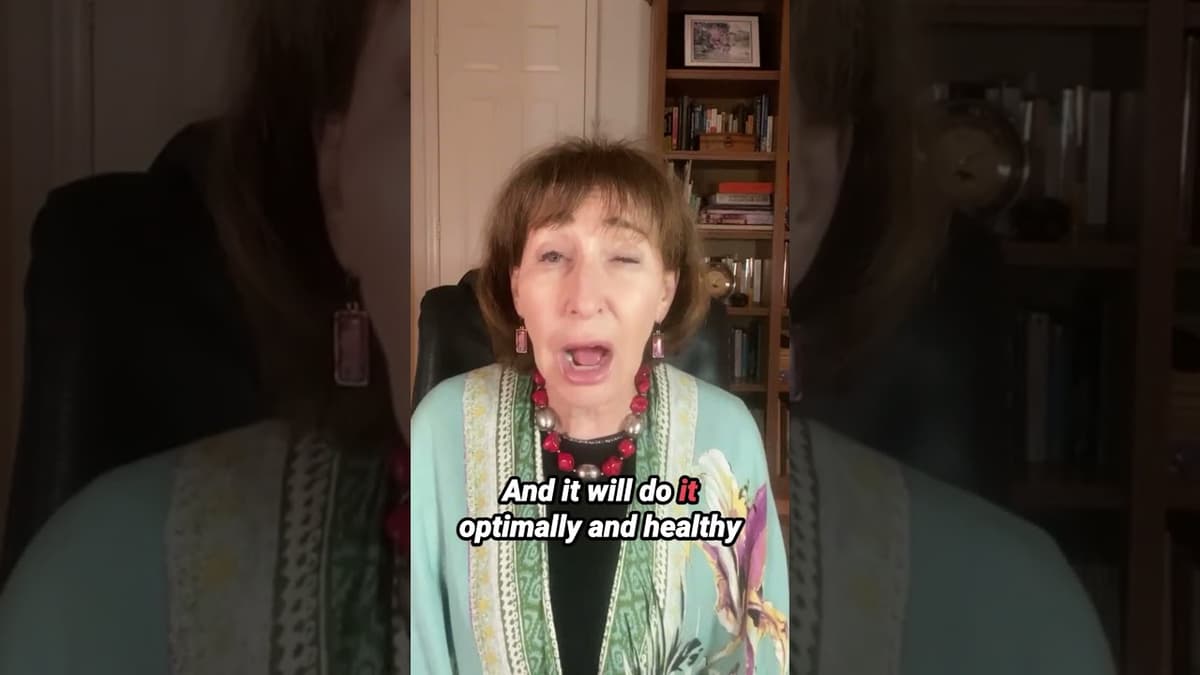
In a concise talk, Dr. Felice Gersh, MD, argues that post‑menopausal women should aim for hormone concentrations akin to those of a young, healthy female. She emphasizes that individual cells lack awareness of the host’s chronological age, and their function hinges on the hormonal milieu they encounter. Gersh explains that most tissues undergo continuous turnover—bone cells, for example, are replaced every few years from stem‑cell precursors. These nascent cells are programmed to operate optimally only if supplied with appropriate hormone levels and the necessary substrates for protein, enzyme, and peptide production. She underscores this point with a memorable line: “The cells in your body don’t know how old you are.” By highlighting macrophage‑mediated recycling of old cells, she illustrates how the body constantly renews itself, making hormonal adequacy a lifelong requirement rather than an age‑specific one. The implication is clear: maintaining hormone profiles comparable to those of younger women could bolster tissue regeneration, improve bone density, and mitigate age‑related decline. This perspective supports more nuanced hormone‑replacement strategies that focus on physiological rather than merely symptomatic dosing.

What Is the Optimal Dose of Estradiol for Women in Menopause? | Felice Gersh, MD
The video examines how to determine the optimal estradiol dose for menopausal women using transdermal patches, emphasizing that the therapeutic goal is a target blood concentration rather than a fixed milligram amount. Reviewing the original FDA‑approved studies, Dr. Gersh notes that...
Intermittent Fasting Mistake: Don’t Skip Breakfast | Felice Gersh, MD
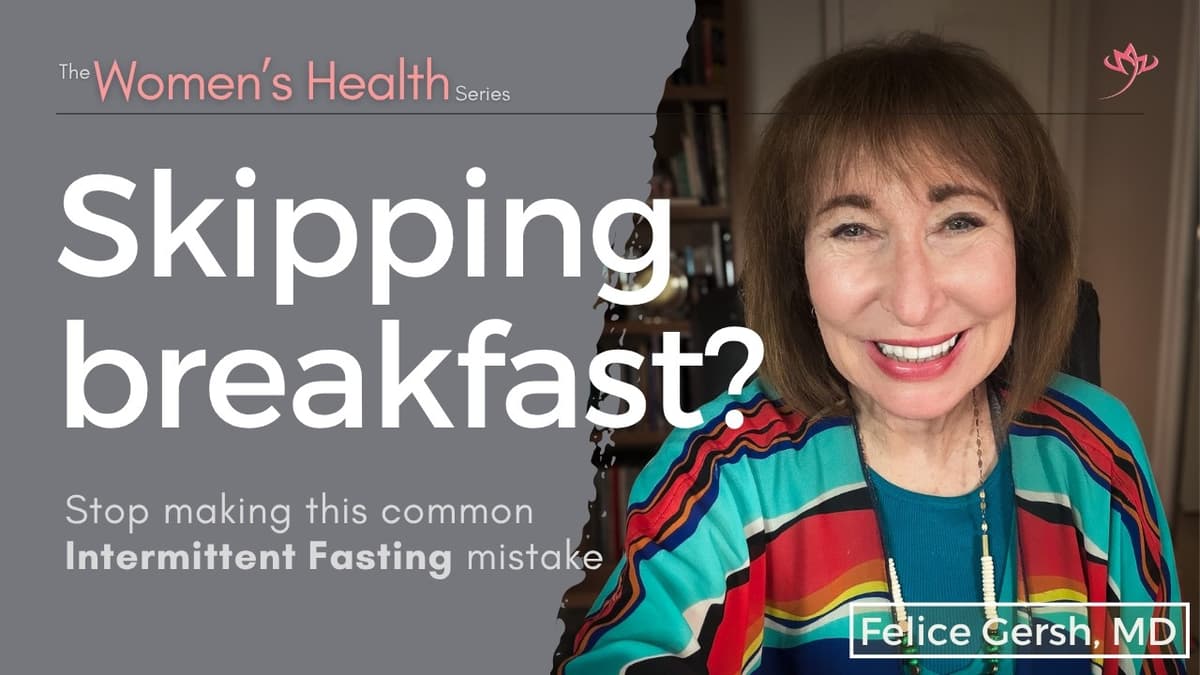
Dr. Felice Gersh warns that skipping breakfast—a common mistake in intermittent fasting—can undermine metabolic health. She explains that human physiology is tuned to process food more efficiently earlier in the day, with insulin sensitivity, glucose regulation, and mitochondrial function following...

Veozah & Cancer Risk: What Menopausal Women with Hot Flashes Should Know | Felice Gersh, MD
Dr. Felice Gersh discusses Vioza (generic fezolinitant), a newly approved neurokinin‑3 receptor antagonist marketed for moderate‑to‑severe menopausal vasomotor symptoms. While clinical trials such as Skylight and Moonlight demonstrated efficacy, recent peer‑reviewed research raises alarms about a potential link between the...
Progesterone vs Progestins: Why the Difference Matters for Women’s Health | Felice Gersh, MD
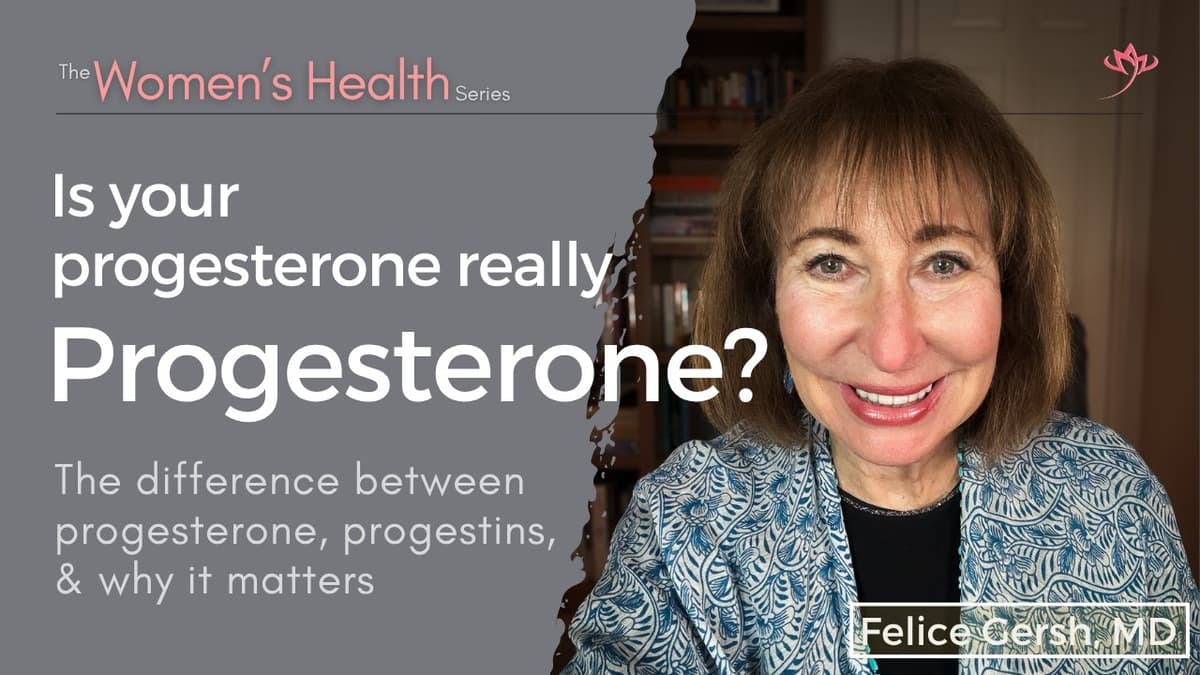
In this video, integrative OB/GYN Dr. Felice Gersh clarifies the often‑confused distinction between progesterone—the body’s native hormone—and progestins, the synthetic compounds marketed in contraceptives and hormone‑therapy products. She explains that progesterone is a single, neurosteroid produced by the ovaries, adrenal glands...

Estrogen & Blood Clots: Do You Need to Worry that Your HRT Will Kill You? | Felice Gersh, MD
The video tackles the common belief that estrogen inevitably causes dangerous blood clots, distinguishing between estrogen sub‑types and delivery methods. Dr. Gersh explains that estrogen is a family of hormones—estrone (E1), estradiol (E2), and estriol (E3)—each interacting differently with the...

If I only Have Osteopenia, Not Osteoporosis, Am I Okay? No, You're Still at Risk! | Felice Gersh, MD
The video explains that osteopenia, often perceived as a milder condition than osteoporosis, still carries substantial fracture risk, especially for women. Data reveal that 54% of hip fractures in women occur in those with osteopenia, and a recent randomized, placebo‑controlled trial...

Why 65 Is Too Late to Begin Monitoring Bone Health. Start Early! | Felice Gersh, MD
Dr. Felice Gersh likens bone health to personal finance, urging individuals to treat their skeleton as a “savings account” that must be funded early. She explains that the bone‑building window spans puberty through the twenties, with peak bone mass typically...

How Can the Gut Microbiome Affect Menopause Bone Loss?!? | Felice Gersh, MD
The video discusses emerging evidence linking the gut microbiome to bone loss in menopause, highlighting a novel gut‑bone axis. Researchers use ovariectomized mouse models to mimic post‑menopausal estrogen decline. When mice are raised germ‑free—lacking any gut microbes—they fail to experience the...
Why You Wake up at 3AM in Menopause (and How to Fall Back Asleep) | Felice Gersh, MD
Dr. Felice Gersh explains why many menopausal women experience abrupt awakenings around 3 a.m. and offers a step‑by‑step toolkit to restore uninterrupted sleep. She links the phenomenon to erratic estradiol production, which destabilizes the hypothalamic thermostat, causing night sweats, hot flashes,...
Menopause Fatigue: It's Not Just Sleep! Why You’re Exhausted & How to Fix It | Felice Gersh, MD
Dr. Felice Gersh, an integrative OB/GYN, opens the video by defining menopause‑related fatigue as a pervasive, often misunderstood condition that affects up to 60% of women in perimenopause and menopause. She distinguishes true fatigue—persistent low energy despite adequate sleep—from simple...

Don't Take Peptides. We Have No Data and the Dangers Are Very Real. | Felice Gersh, MD
Dr. Felice Gersh cautions against the growing trend of self‑administered peptide supplements, emphasizing that the market lacks rigorous safety data and regulatory oversight. She frames peptides as natural amino‑acid chains that perform myriad physiological roles, yet warns that injecting unverified...
Stress and Immune System Dysfunction Are Two Major Causes of Aging | Felice Gersh, MD
The video by Dr. Felice Gersh examines how chronic stress and immune system dysfunction accelerate aging, arguing that effective stress control and hormonal balance can extend lifespan. Gersh outlines mechanisms linking stress to cellular aging and recommends meditation, progressive relaxation, massage,...

Hate Vaginal Estrogen Cream? Here’s a Better Way to Use It (and Why You Should!) | Felice Gersh, MD
Dr. Felice Gersh, an integrative OB/GYN, explains how vaginal estrogen—specifically estradiol cream—addresses genitourinary syndrome of menopause, a condition that affects the vagina, vulva, bladder and urethra. She outlines the three primary delivery methods—Estring rings, estradiol cream (Estrace), and low‑dose inserts...

Why Does the Common Approach to Hormone Therapy Suddenly Change at Age 50? | Felice Gersh, MD
The video addresses hormone‑replacement strategies for women who experience loss of ovarian function well before natural menopause, distinguishing premature ovarian insufficiency (before age 40) from early menopause (before age 45). Dr. Gersh explains why these groups require a distinct therapeutic approach compared...