
Recent Posts
Video•Mar 1, 2026
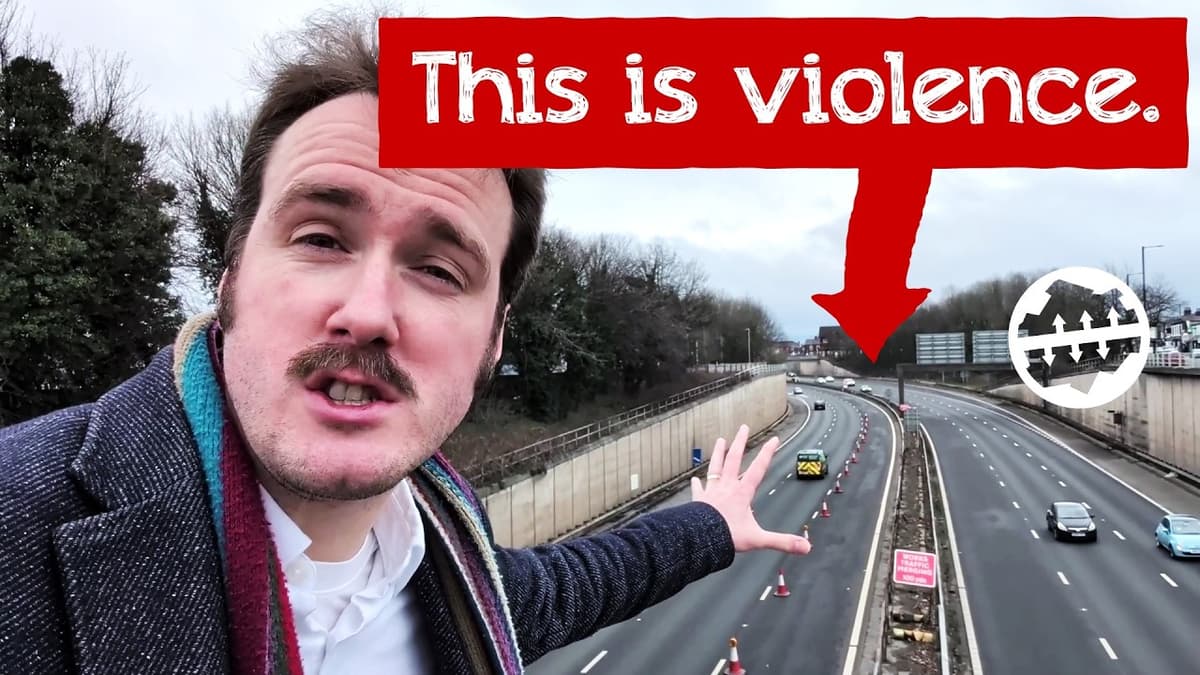
Introducing a Scientific Transport Scoring System!
The video announces the launch of PROIVE, a scientific scoring system designed to evaluate how well transport networks serve their surrounding communities. The creator frames the framework as a way to meet people across different locales while applying a data‑driven rubric to assess mobility. PROIVE comprises five pillars: Permeability—how easily residents move within the area; Radial links—connections to the urban core; Orbital links—circuits that bypass the core; National connectivity—long‑distance links; Integration—coordination among transport services; and Violence—measuring the harm transport infrastructure inflicts on neighborhoods. Each component is intended to be quantified, offering a composite score that reflects overall transport health. The presenter emphasizes the novelty of the model, noting it is “patent pending” and “copyright‑protected.” He walks through the acronym on the fly, highlighting that “PROIVE” literally stands for Permeability, Radial, Orbital, Integration, Violence, and long‑distance connectivity, underscoring the system’s comprehensive scope. If adopted, PROIVE could give planners, policymakers, and community advocates a common language for comparing cities, prioritizing investments, and mitigating negative externalities such as traffic‑related injuries. Its data‑centric approach promises more transparent decision‑making and could foster cross‑regional benchmarking.
By Gareth Dennis
Video•Feb 28, 2026
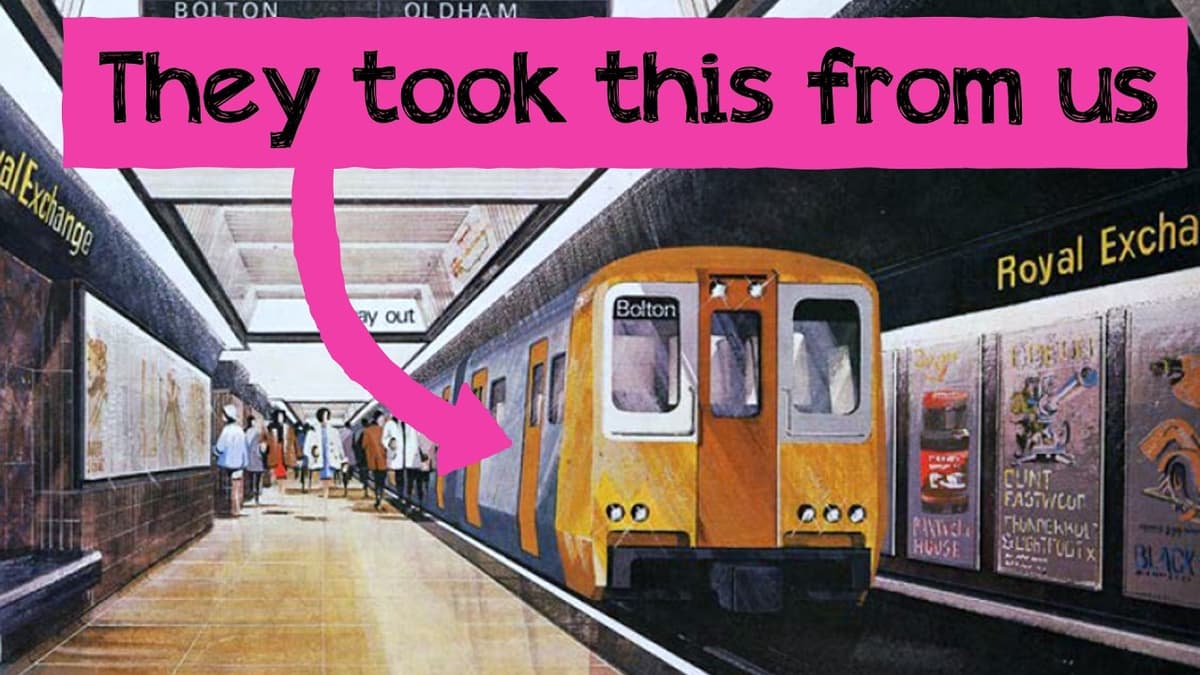
Treasury CANCELLED Manchester's First Underground Line
The video recounts how the UK Treasury’s refusal to fund the Pikvic tunnel effectively cancelled Manchester’s first underground line, a project envisioned in the early 1970s to separate suburban and long‑distance rail traffic. The Department of the Environment rejected the infrastructure...
By Gareth Dennis

Video•Feb 27, 2026
How Did the Green Party Win in Gorton and Denton?
The video examines the Green Party’s surprising surge in the Gorton and Denton by‑elections, framing the contests as a litmus test for transport‑focused politics in Britain’s urban peripheries. Presenter highlights how car‑centric planning has created transport poverty, fragmented streetscapes, and heightened...
By Gareth Dennis

Video•Feb 26, 2026
THIS Is Why UK Infrastructure Costs so Much
The video dissects why UK infrastructure, epitomised by HS2, consistently overruns time and budget. The presenter argues that three systemic flaws—political indecision, bloated project scopes, and a fragmented delivery ecosystem—are at the root of the problem. First, the lack of firm...
By Gareth Dennis

Video•Feb 25, 2026
Justin Roczniak Fixes Britain's Railways | #Railnatter 297
The latest Railnatter episode turns a live‑broadcast format into a global safety audit, spotlighting recent rail disasters in Mexico, Spain and a tragic tram derailment, while also critiquing domestic policy shifts in Britain. The hosts dissect the 2024 Mexican inter‑oceanic...
By Gareth Dennis
Video•Feb 25, 2026
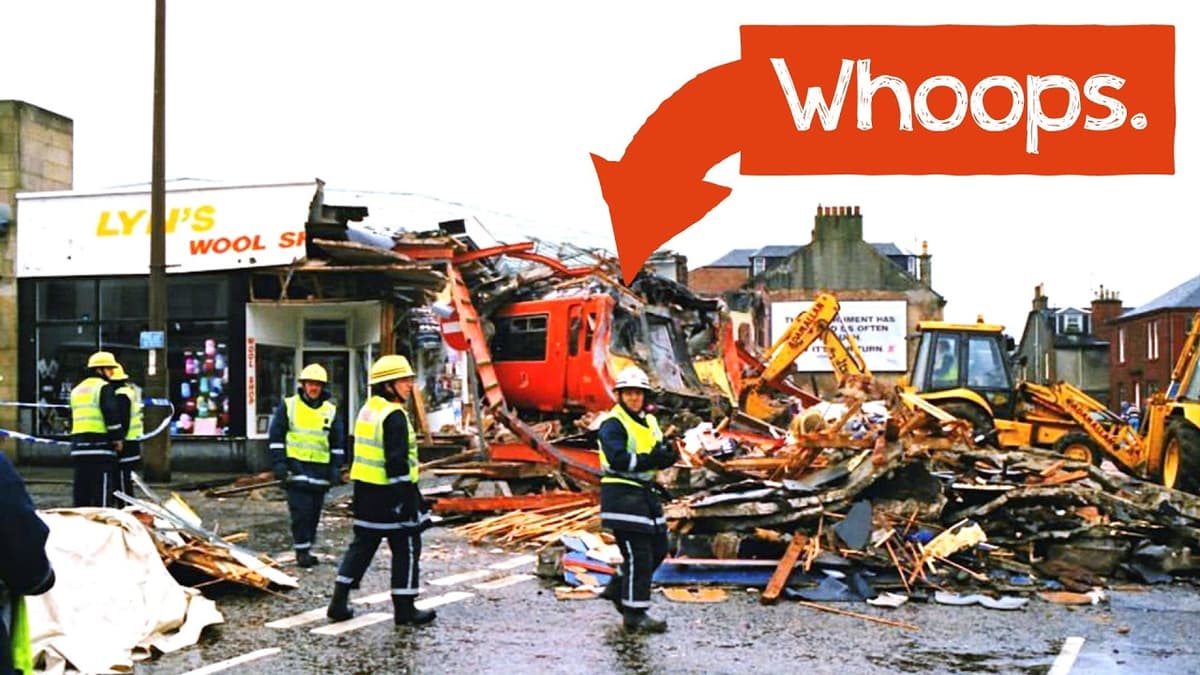
The LAST Thing a Train Driver Wants to Happen
The video recounts a 1995 runaway incident on a Scottish electric multiple unit that barreled through York station after a brake failure, nearly demolishing the platform and a nearby wool shop. The driver, realizing the train would not stop, sprinted through...
By Gareth Dennis

Video•Feb 24, 2026
How to Do Pronoun Checks in 1954
The video examines a series of letters written by Lily Lawrence—known in the railway modelling world as LBSC—in the mid‑1950s. In a February 1954 note to fellow modeller Jeff Cashmore, Lawrence explicitly asks that masculine pronouns be stripped from her...
By Gareth Dennis
Video•Feb 23, 2026
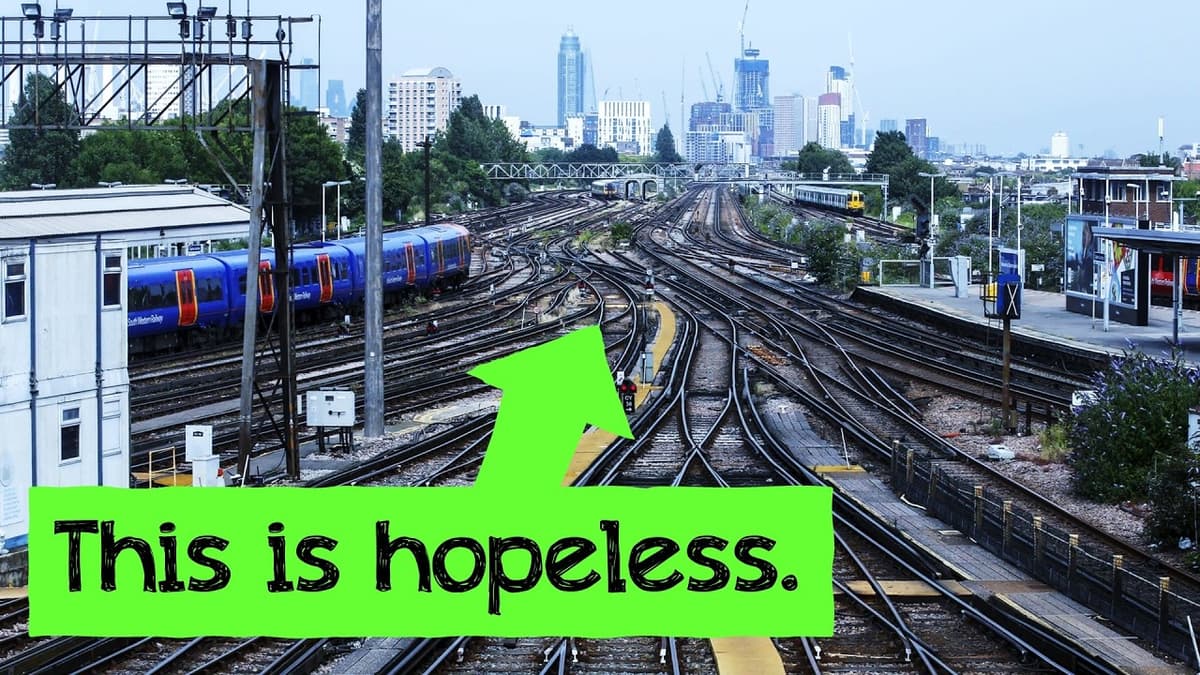
The BEST Way to Speed up Trains
The video argues that the most efficient way to make trains faster is not by raising line‑speed limits on long stretches, but by upgrading the low‑speed bottlenecks found in station throats and other constrained sections. By replacing outdated turnouts and...
By Gareth Dennis

Video•Feb 22, 2026
Without Them, WW2 Would Have Lasted Years Longer
The video recounts how a March 1941 coup in Yugoslavia toppled a pro‑Axis government, prompting Adolf Hitler to launch a swift blitzkrieg that shattered the kingdom and divided it among Germany, Italy, Hungary and Bulgaria. The ensuing occupation sparked two...
By Gareth Dennis
Video•Feb 21, 2026
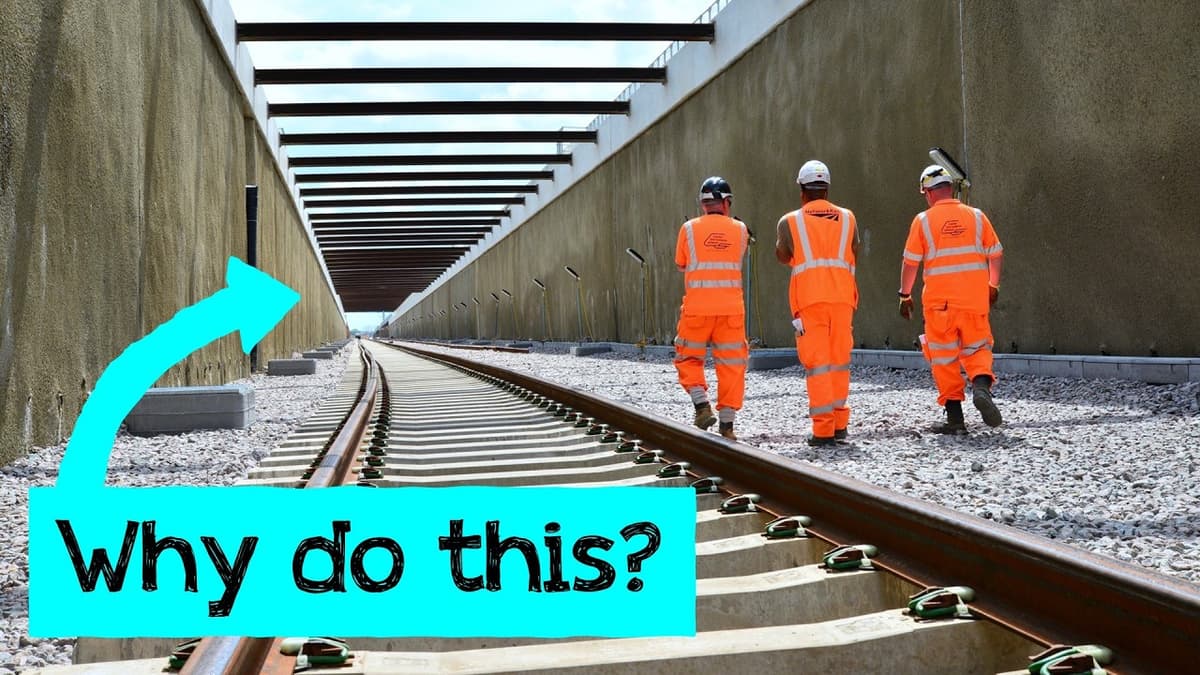
Why Choose a Tunnel Instead of a Bridge?
The video examines the strategic choice between tunnels, flyovers and dive‑unders on Britain’s East Coast Main Line, illustrating how engineers separate slow freight traffic from high‑speed passenger services to unlock capacity. It uses two flagship projects – the Welling dive‑under...
By Gareth Dennis
Video•Feb 20, 2026
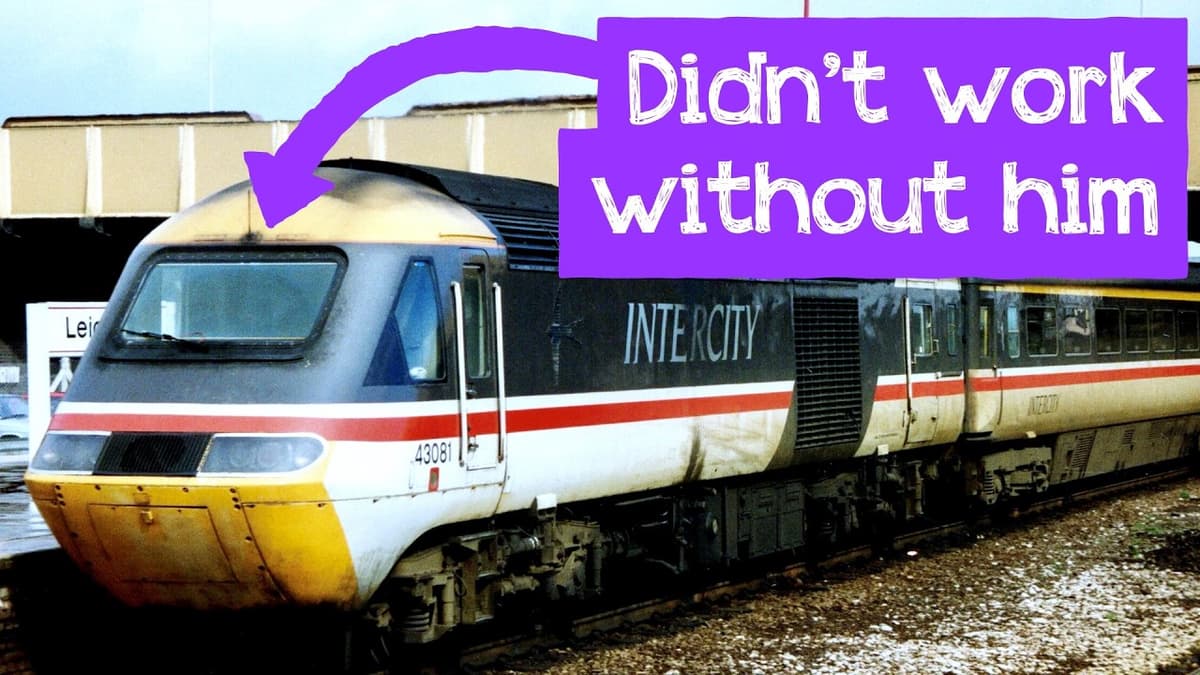
The Gay Engineer Who Got the High Speed Train to Stop
The video recounts how Ron Worley, a gay electrical engineer in the 1970s, revolutionized the braking system of Britain’s High Speed Train (Class 43), a locomotive credited with rescuing the nation’s rail network. At the time, brake pressure propagated from a single...
By Gareth Dennis
Video•Feb 19, 2026
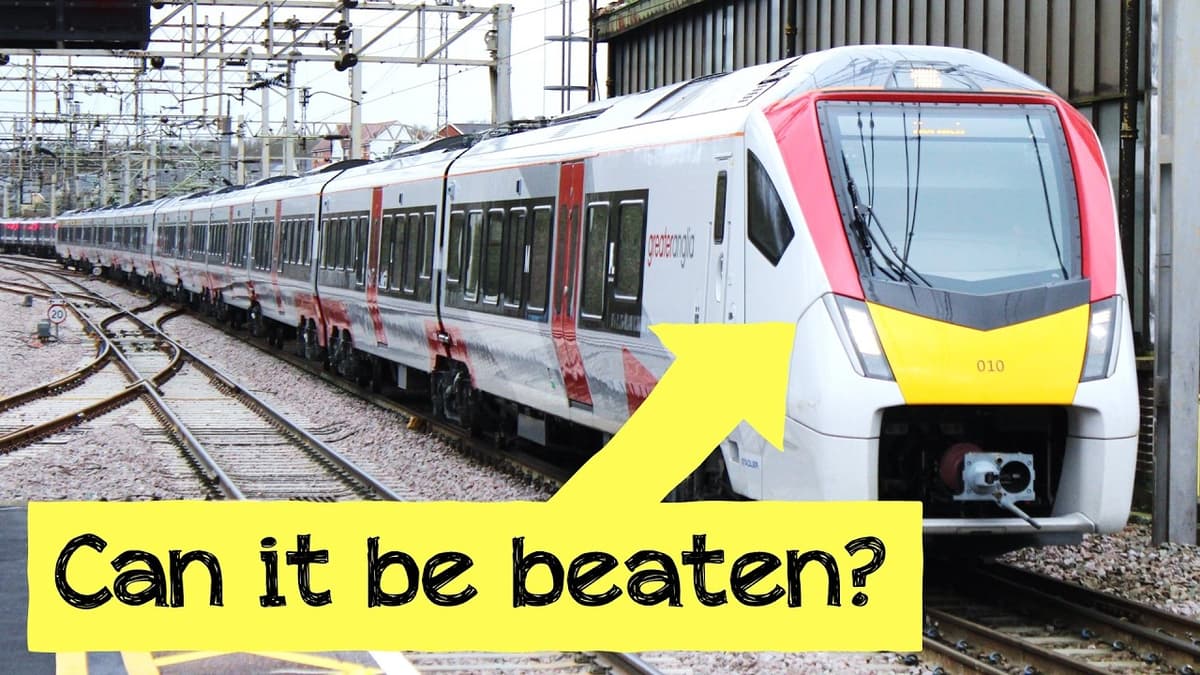
THIS Is How You Make Trains Accessible for Everyone
The video showcases a new low‑floor train prototype designed to make rail travel universally accessible. By removing traditional steps and offering level boarding, the vehicle caters to wheelchair users and passengers with limited mobility, while its sleek interior and high‑quality...
By Gareth Dennis

Video•Feb 18, 2026
Inside the Abandoned Curzon Street Station Building
The video takes viewers inside the long‑abandoned Curzon Street railway station in Birmingham, once the terminus of the original London‑Birmingham line and now a relic beside the planned HS2 hub. The host walks through the grand Victorian façade, noting...
By Gareth Dennis