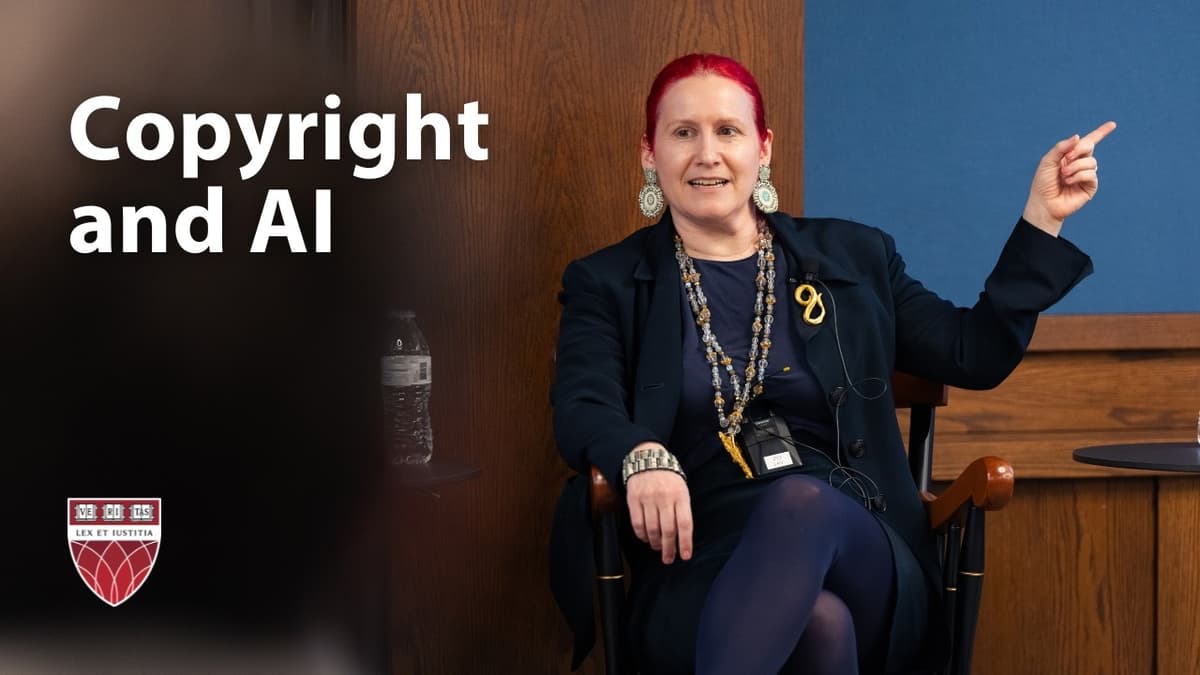
Copyright in AI Outputs: Who Owns AI-Created Works?
The Harvard Law panel examined whether AI‑generated creations can qualify for copyright protection, highlighting recent litigation and evolving Office guidance. Judges consistently ruled that works produced autonomously by machines lack the requisite human authorship, as illustrated by Stephen Taylor’s rejected registration and the Supreme Court’s denial of cert. The Copyright Office now mandates explicit AI disclosures and limits registration to the human‑originated elements such as selection, arrangement, or translation. Panelists cited the “Azari the Don” graphic novel case, where only the curated compilation earned protection, and drew parallels to historic photography standards. Rebecca Tushnet emphasized the human‑threshold rule, while Jessica Silbey described the Office’s emerging “anti‑prompt” policy that bars pure AI outputs from copyright. The consensus warns that extending full copyright to AI‑generated material could flood the public domain with locked‑down content, stifling downstream innovation. Balancing modest incentives for human creativity with open‑access principles will shape future IP strategy for creators, studios, and tech firms.
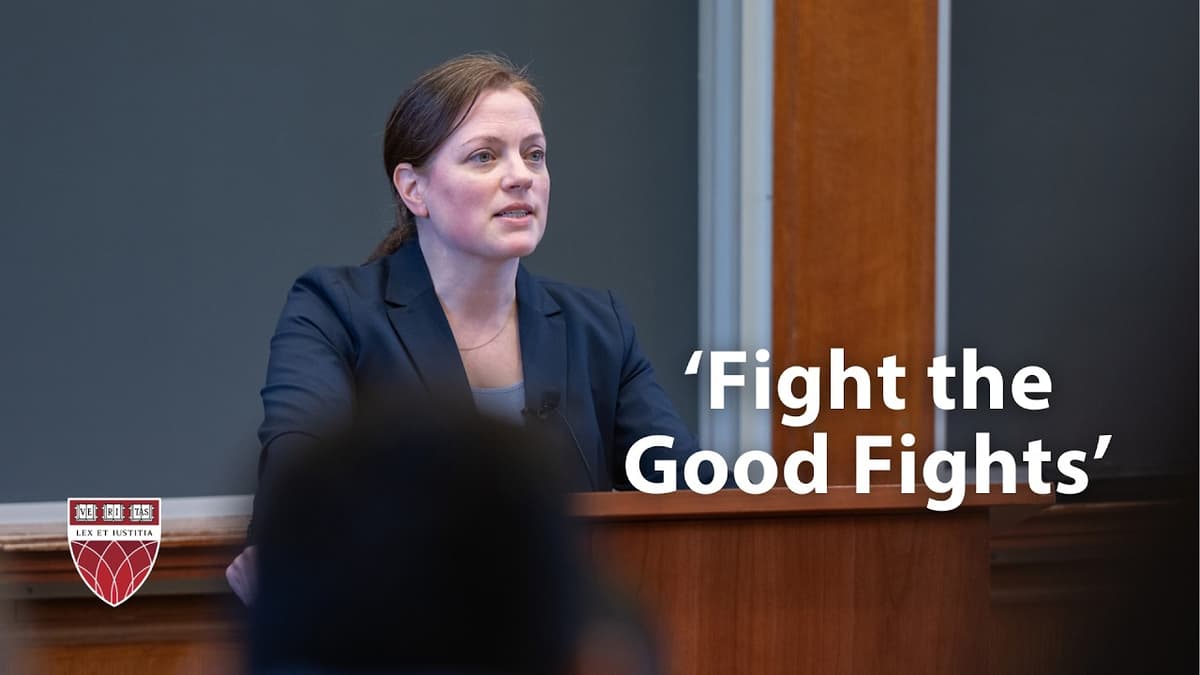
Last Lecture: Kristen Eichensehr on ‘Why Law and Lawyers Matter in a World of Rampant Law Breaking’
Professor Kristen Eichensehr delivered a “last lecture” to Harvard Law’s class of 2026, warning graduates that law operates amid accelerating geopolitical upheaval and widespread lawbreaking. She highlighted three themes—expecting the unexpected, pacing oneself, and the essential role of lawyers. Eichensehr cited...
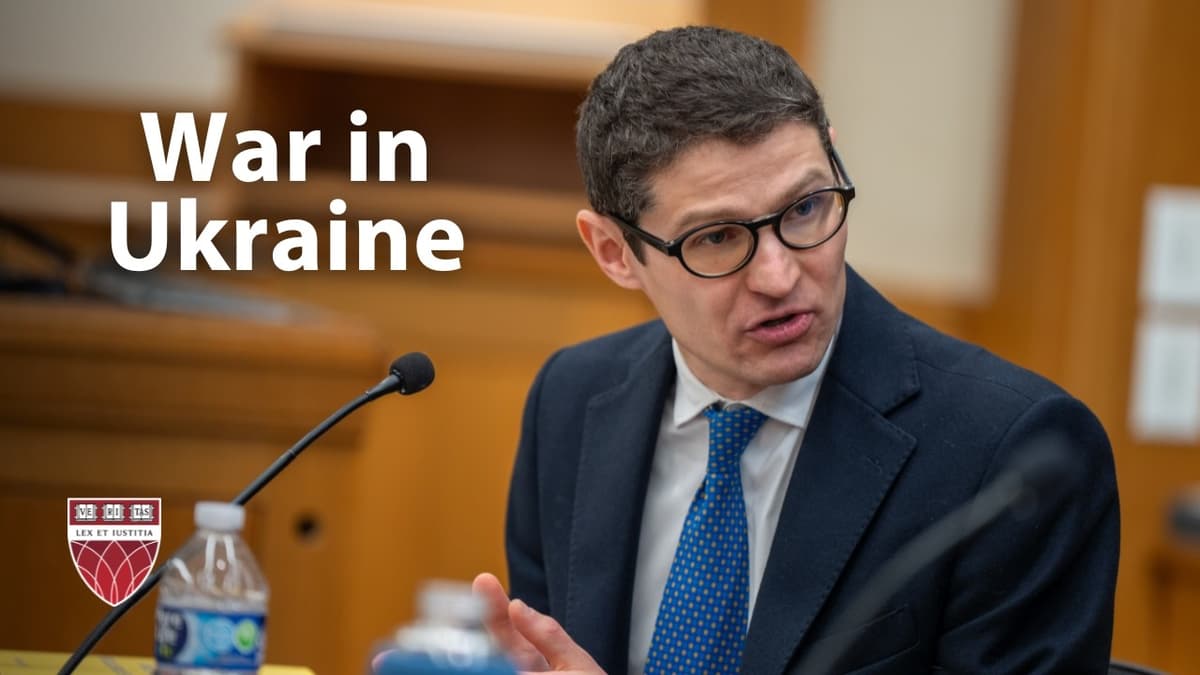
How Is the War in Ukraine Shaping European Law?
The event introduced Professor Federico Fabbrini’s new monograph, *The EU Constitution in Time of War*, which examines how the European Union has legally responded to Russia’s aggression against Ukraine. Fabbrini argues that the war represents the EU’s first genuine...
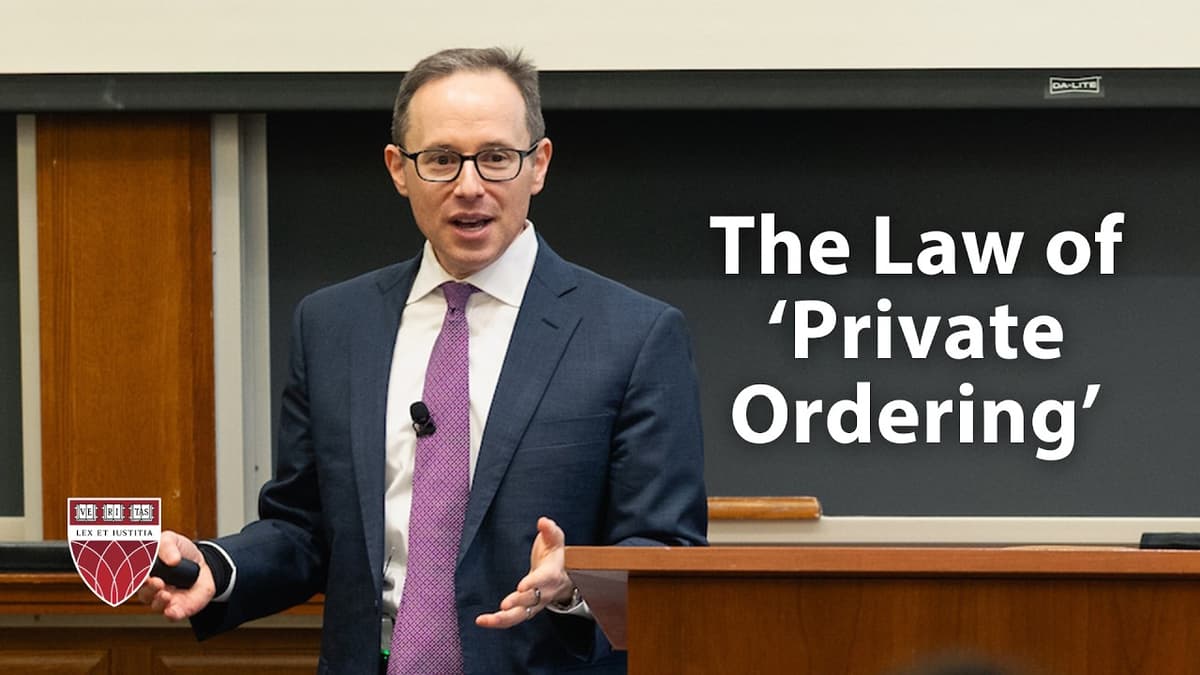
Last Lecture: Robert Sitkoff on Resolving Disputes Through Law, Not ‘Baseball Bat’
Professor Robert Sitkoff’s “last lecture” to Harvard law students reframed the traditional focus on public law by emphasizing the centrality of private law—what he calls “retail law”—in everyday legal practice. He opened with personal anecdotes, from his rapid ascent to...
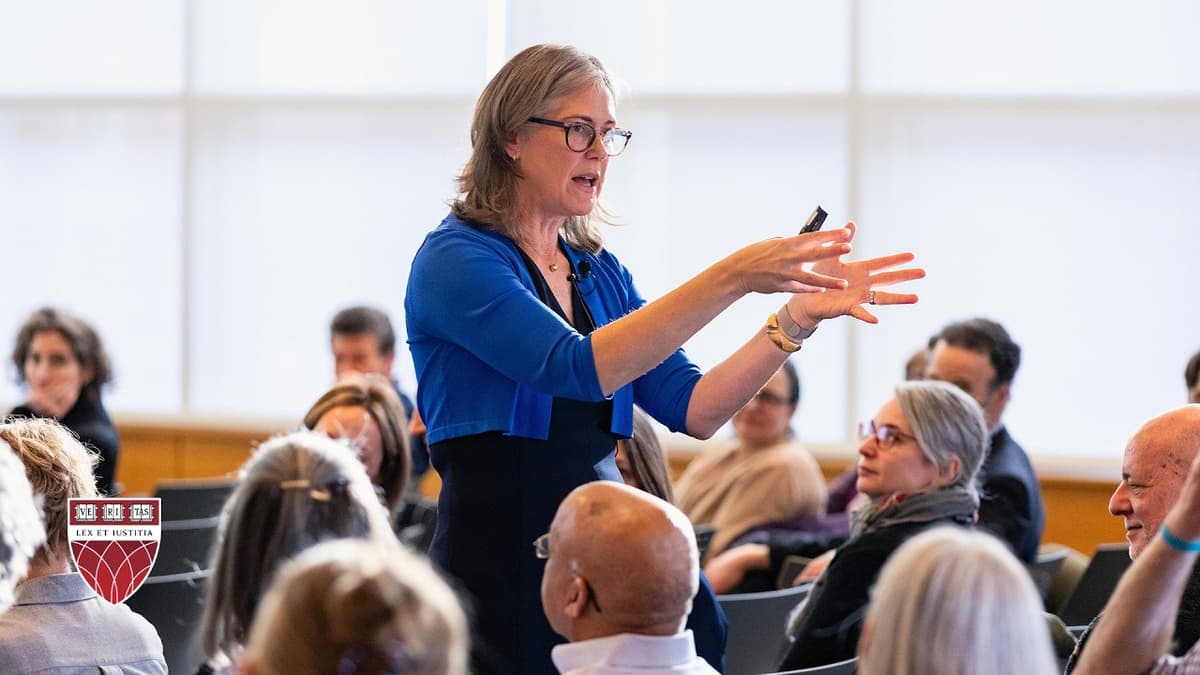
‘Another Damn Learning Opportunity’: Sheila Heen on Learning and Feedback
The ceremony honored Sheila Heen’s new role as the Thaddeus R. Beal Professor of Practice at Harvard Law School, highlighting her three‑decade legacy in negotiation research, executive education, and bestselling books on difficult conversations and feedback. Heen used the platform to...

Public Service Venture Fund | Lena Silver ’13
The video spotlights Lena Silver, a 2013 Harvard Law graduate, who attributes her decade‑long public‑interest career to the Public Service Venture Fund (PSVF) fellowship and Harvard’s robust support system. As Director of Policy and Administrative Advocacy at Neighborhood Legal Services...

Leveling ‘Lopsided Law’: Dov Fox on Conscience in Health Care and Medical Practice
The event featured Professor Dov Fox discussing the stark legal asymmetry surrounding clinician conscience. He highlighted that current conscience clauses shield doctors who refuse to perform certain procedures—such as abortions or gender‑affirming care—while offering no comparable protection for clinicians who...

A Conversation with Canyon Partners' Josh Friedman ’82
The event was a fireside chat at Harvard with Josh Friedman, co‑founder and co‑CEO of Canyon Partners, a $28 billion multi‑strategy alternative‑asset manager. Friedman’s academic pedigree—Harvard College, Oxford, Harvard Business School and Harvard Law School—set the stage for a discussion of...

Will a Lawsuit Against Live Nation and Ticketmaster Lower Concert Prices?
The Department of Justice has filed a 2024 antitrust suit against Live Nation and its Ticketmaster subsidiary, accusing the combined entity of monopolizing the U.S. live‑concert ecosystem. The complaint focuses on two practices: Live Nation’s ownership of roughly 80% of major...
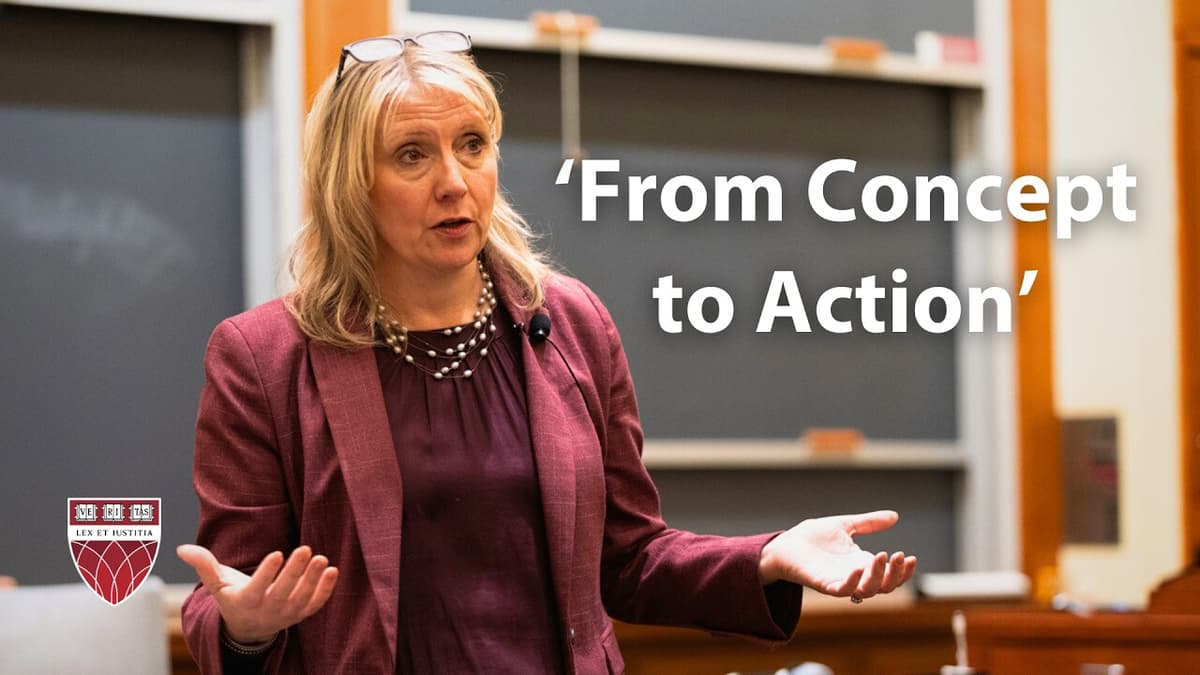
Virginia Labor Secretary Jessica Looman Offers Strategies for Protecting Workers' Rights
The Harvard Trade Union program hosted Virginia Labor Secretary Jessica Looman to discuss how state and local governments can be leveraged to protect workers’ rights. Looman, a former head of the U.S. Department of Labor’s Wage and Hour Division and...

Antitrust and The Rule of Law: A Conversation with Former FTC Chair Lina Khan
The Harvard Law School conversation revisited former FTC Chair Lina Khan’s tenure, focusing on how she reshaped antitrust doctrine to address labor market concentration and broader societal harms. Khan explained that the agency began treating worker impacts as a core...

A Conversation with Jack Smith ’94
Harvard Law School hosted a candid conversation with former special counsel Jack Smith, who reflected on his three‑decade career as a career prosecutor and voiced deep concerns about the current state of the U.S. Department of Justice. Smith emphasized that...
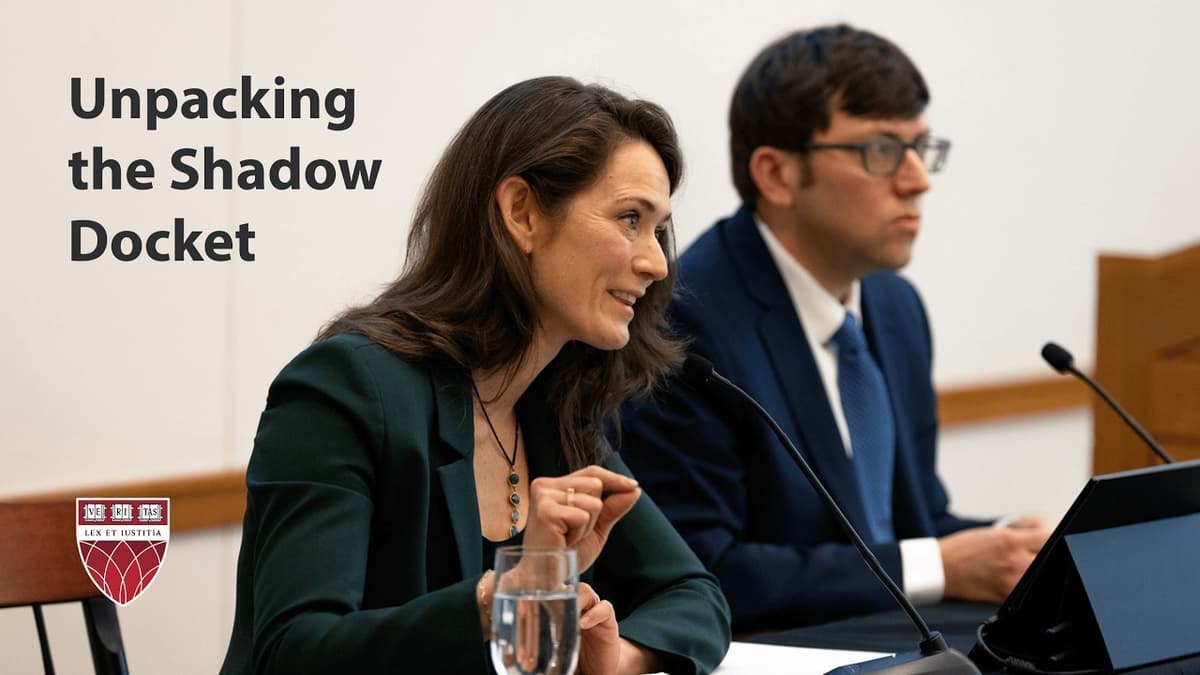
Harvard Law School Rappaport Forum: The Supreme Court's Emergency Orders
The Harvard Law School Rappaport Forum examined the Supreme Court’s growing reliance on emergency, or “shadow docket,” orders—a procedural track that bypasses full briefing and oral argument. Panelists highlighted how, since the second Trump term, the Court has issued a...

Reclassifying Cannabis? Implications for Recreational/Medical Marijuana Use, Research, Drug Policy
The Harvard‑hosted webinar examined the federal effort to move cannabis from Schedule I to Schedule III under the Controlled Substances Act. Panelists traced the historical attempts—legislative bills, lawsuits, and recent executive actions—highlighting President Trump’s 2025 executive order and Attorney General Merrick...
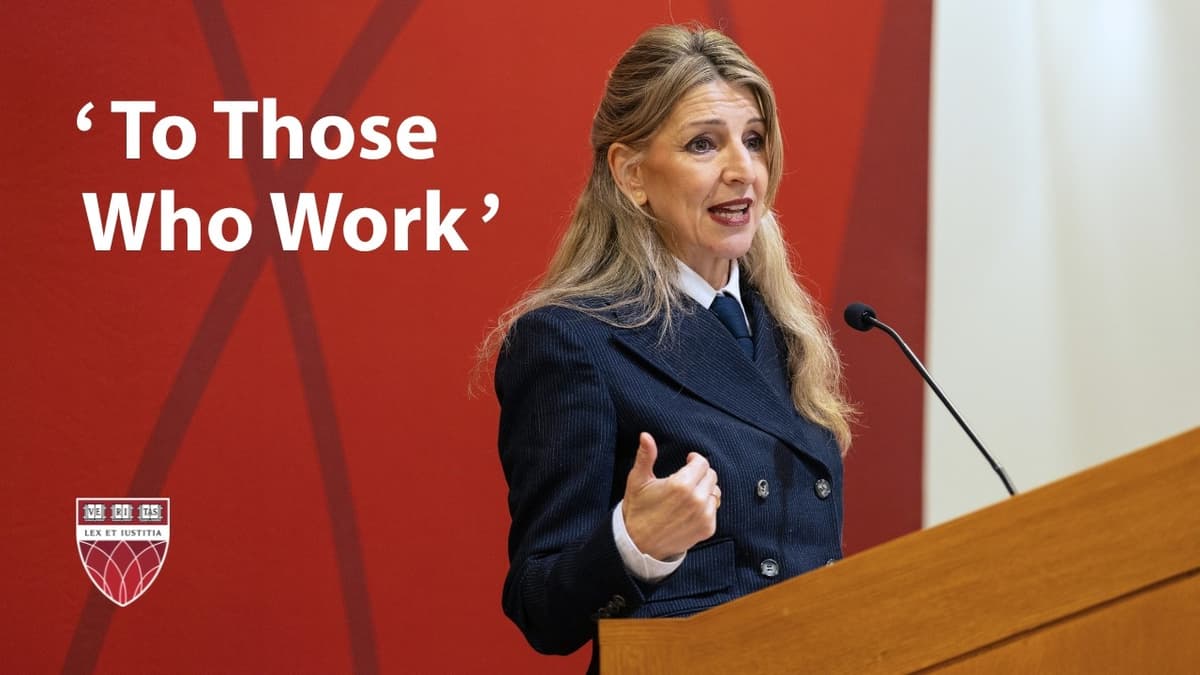
A Democracy Needs Empowered Workers to Thrive: Spain's Labor Minister Yolanda Díaz Pérez
The Harvard Law School’s John Dunlop Memorial Forum featured Spain’s Vice‑Prime Minister and Labor Minister Yolanda Díaz Pérez, who outlined her government’s agenda to strengthen workers’ rights and embed democratic participation within firms. Díaz highlighted the “lay‑rider” legislation that reclassifies gig‑platform workers...