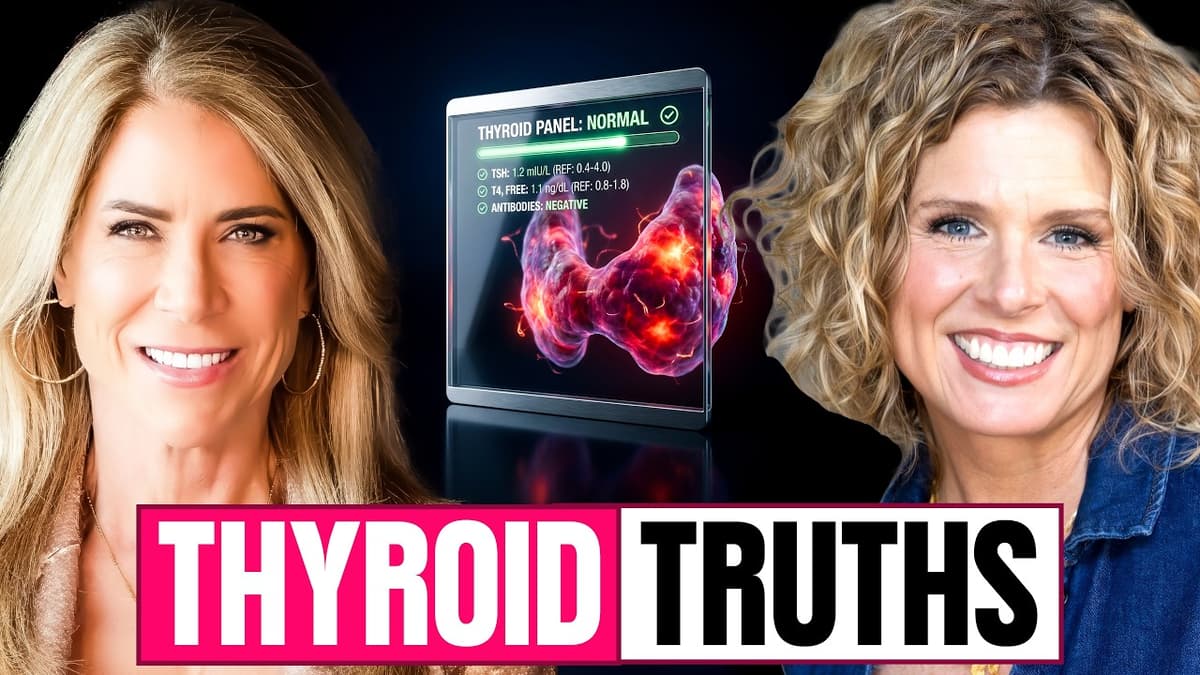
You're Not A Hypochondriac: The Truth About Thyroid Labs According to Dr. Heather Stone
The video centers on the widespread misinterpretation of thyroid lab results, especially in women who present with low‑thyroid symptoms. Dr. Heather Stone argues that the conventional approach—prescribing thyroid hormone once TSH falls within a broad “normal” range—fails to address the underlying autoimmune condition, Hashimoto’s, which accounts for 90‑98% of low‑thyroid diagnoses. Stone highlights that standard TSH reference ranges are derived from regional population averages rather than healthy baselines, leading to significant variability across labs. Functional medicine practitioners instead aim for an optimal TSH window of 1‑3 (up to 2.8), recognizing that values above three signal a slowing metabolism. She stresses that treating only the hormone imbalance ignores the cascade of triggers—gluten sensitivity, insulin spikes, environmental toxins, and gut dysbiosis—that perpetuate autoimmunity. Key excerpts include Stone’s observation that “the thyroid is the victim, not the cause,” and her detailed testing protocol: a 12‑marker thyroid panel, comprehensive glucose and insulin panels, antibody tests (TPO and thyroglobulin), inflammatory markers, liver/kidney function, Dutch hormone testing, stool analysis, and toxic load assessments. She repeatedly cites gluten as a prevalent sensitivity among Hashimoto’s patients, noting that even asymptomatic individuals often improve once gluten is eliminated. The implications are clear for clinicians and patients alike: relying on generic lab ranges can mask subclinical dysfunction, while a holistic, data‑driven approach can identify and mitigate the root drivers of thyroid autoimmunity. Women experiencing fatigue, weight gain, hair loss, or brain fog should consider comprehensive functional testing and lifestyle interventions to restore metabolic health and prevent progression to additional autoimmune disorders.

Not Everything Synthetic IS BAD
The video argues that synthetic products are not inherently detrimental, using insulin as a prime example, and warns that natural substances can also pose risks when mitochondrial stress is high. It promotes methylene blue as a dual‑action supplement that boosts cellular...

Protein Cheat Sheet
The video addresses a pervasive issue: many women are unintentionally under‑eating protein even when overall calorie intake appears sufficient. The presenter emphasizes that accurate protein tracking is the first step toward correcting this imbalance. He demonstrates a practical workflow: weigh each...

Don't Fear Fats
The video “Don’t Fear Fats” argues that consuming appropriate dietary fats, especially monounsaturated fats from avocado, supports cholesterol balance and hormone production, countering common misconceptions about dietary fat. It cites a six‑month American Journal of Clinical Nutrition trial with 1,000 overweight...
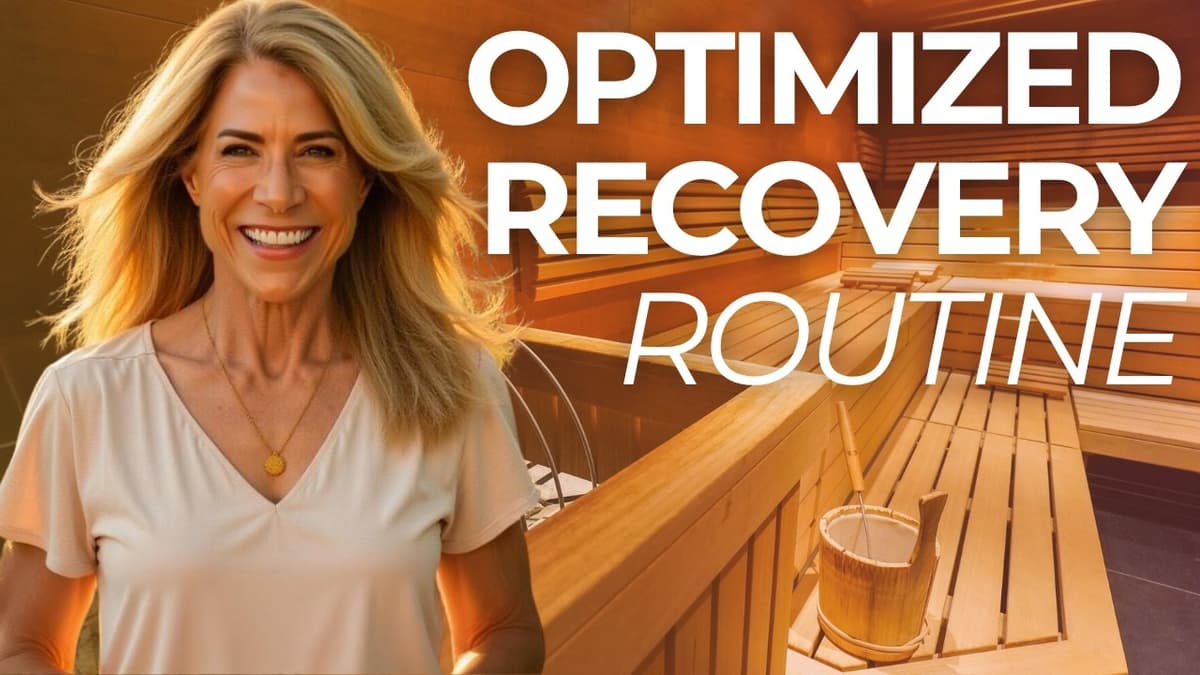
How I Optimized My Recovery Routine | JJ Virgin
The video features fitness expert JJ Virgin explaining how a focused recovery routine—centered on sunlight exposure and infrared sauna—can unlock muscle growth and metabolic health for women over 40. She argues that simply adding more cardio or stricter diets stalls...

This One Vacation to the Amazon Rain Forest Changed Me | JJ Virgin
The video chronicles a six‑day immersion into the Amazon rainforest, beginning with a grueling orientation in Quito and a series of small‑plane hops to remote airstrips. The host joins a group of eighteen travelers, meets an indigenous tribe that performs...

Lower Your Cortisol with Food!
The video outlines a dietary approach to reducing cortisol, the primary stress hormone, by highlighting ten specific foods that naturally modulate its production. Key insights include dark chocolate’s polyphenols, green tea’s L‑theanine, vitamin‑C‑rich berries, omega‑3‑laden fatty fish, and the combined benefits...

Outdated Advice for Women!
The video challenges the conventional ‘eat less, exercise more’ mantra, arguing that it fails for the majority because it ignores the quality of calories and the body’s adaptive mechanisms. It explains that while calories are a factor, their macronutrient origin matters....

How Much Sleep Do You Need?
The video underscores sleep as a foundational health pillar, arguing that even flawless nutrition and rigorous exercise falter without sufficient rest. Research cited suggests that missing the recommended 7‑9 hours can slash metabolic rate by up to fifty percent, fostering obesity...

Building Muscle Is a Science
Building muscle after age 40 becomes slower as myostatin levels rise, limiting lean‑mass gains despite regular resistance training and adequate protein. Reducing myostatin activity removes this inhibitory signal, allowing muscle protein synthesis to proceed more efficiently. Enhanced protein utilization further...

Self Healing After 40
Dr. Fab Mancini discusses how belief systems and mindset can outweigh conventional treatments in determining health outcomes, especially for women over 40. The conversation highlights that labeling symptoms as “just aging” disconnects patients from their body’s innate healing intelligence. Mancini...