AI Speeds Dangerous Bio Design; Economics Drive Safety Race‑to‑bottom
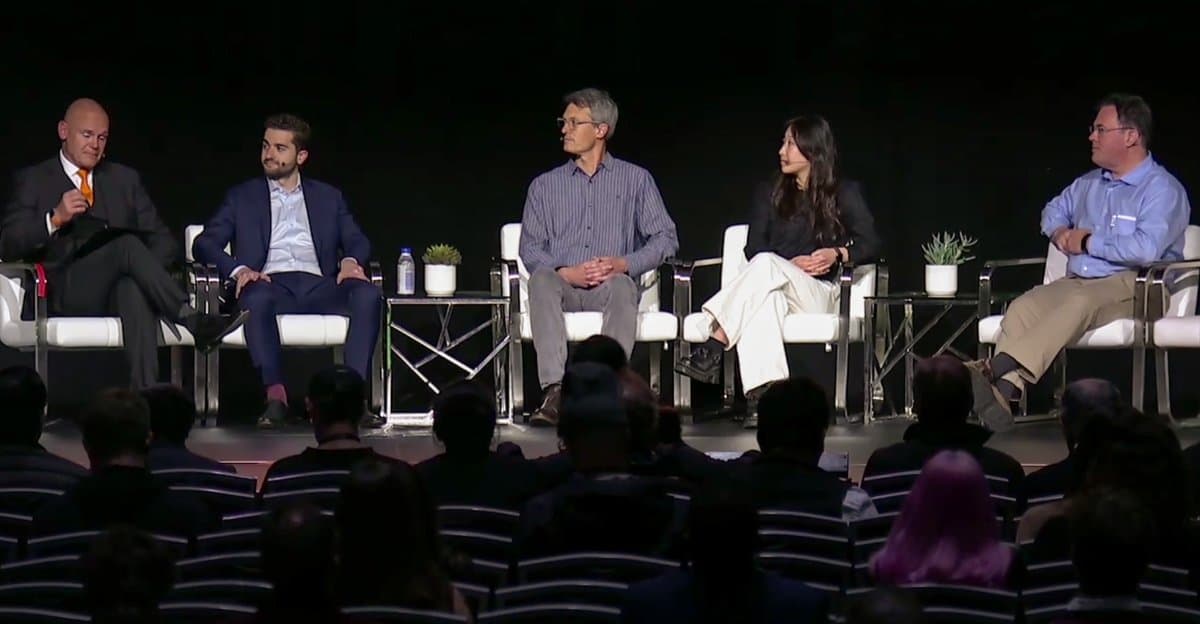
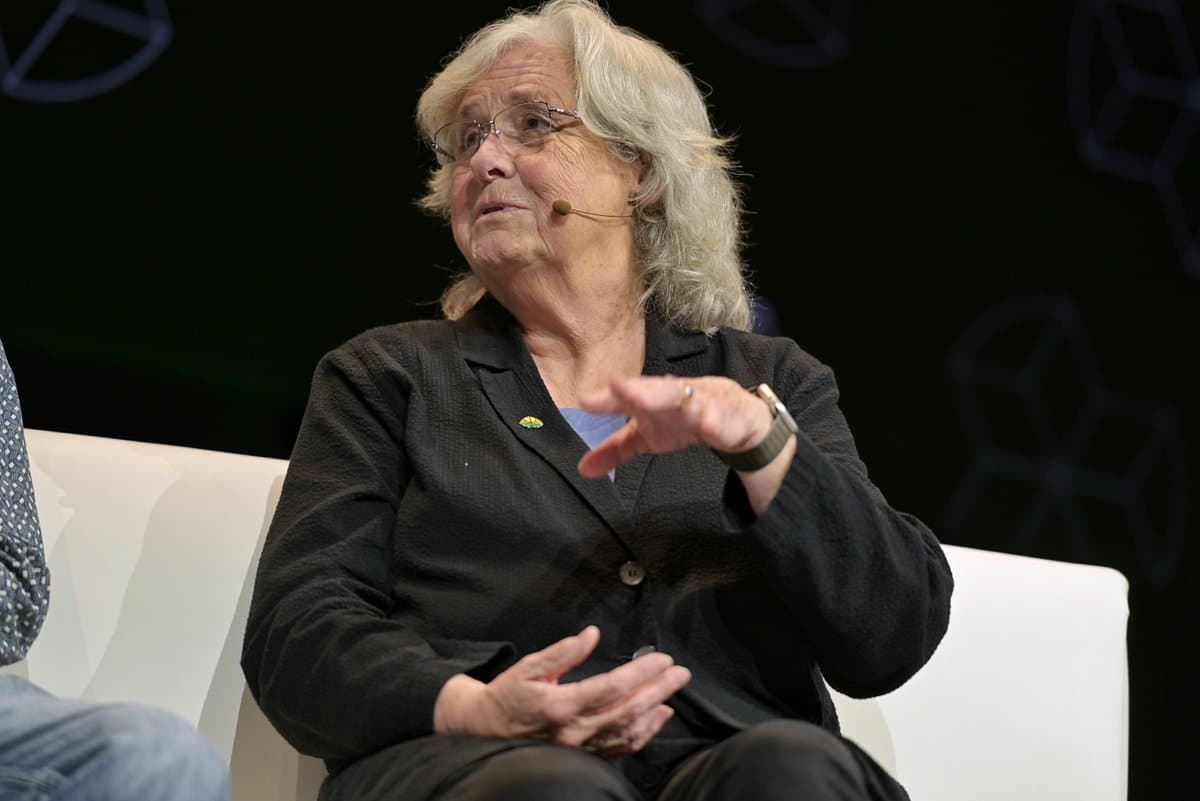
"What keeps me up at night is the fast pace of acceleration of open weight models in the ecosystem. They do not prioritize the same type of safety refusals." - Yunyun Wang, @OpenAI We just ran a biosecurity panel at @SynBioBeta today. Here's what you missed: AI is making it easier to design dangerous biology. The design-build-test cycle is compressing so fast the panel debated whether it's still a cycle at all. The screening tools mostly work. Kevin Flyangolts from @aclid said even heavily AI-redesigned sequences still conserve key functional residues, so current systems catch most of them... for now. But nobody wants to pay for screening. Jake Beal from @Raytheon said plainly that biosecurity is a pure cost center for every DNA provider. If you refuse to synthesize a flagged sequence, the customer goes to your competitor. Now, it's a race to the bottom. OpenAI deliberately downweighted biology training in their open weight models to reduce misuse risk. The problem is that the people building drug therapies and medical countermeasures need those same capabilities. The defenders lose too. Know-your-customer matters as much as computational screening. Scott Fay from @AnsaBio made this case. We've been talking about a passport system for legitimate users of risky sequences for years. Still doesn't exist. The Sequence Biosecurity Risk Consortium is trying to shift screening from "does this match a known pathogen" to "does this do something harmful to human cells." It's the right direction, but the speed needs to pick up. We love talking about what synthetic biology can build. We're less excited about what it takes to keep it safe. So who exactly is going to fund the defense side of this equation before something goes wrong? Something to think about. @DARPA @mkoeris #SynBioBeta2026 #SyntheticBiology #Biosecurity #Biotech
Even a Dog Loves Scaling Virtual Biology Panel
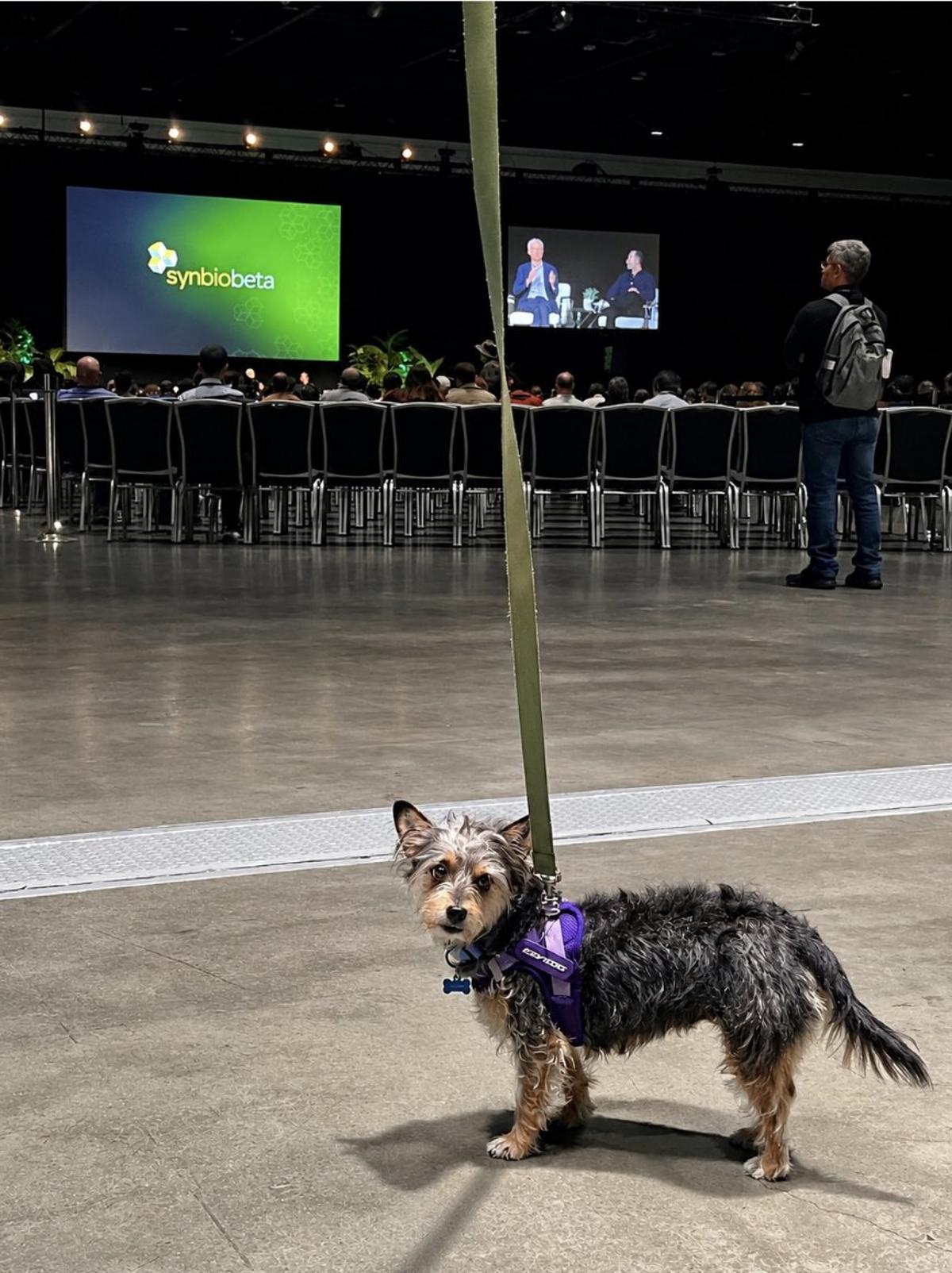
Not all our #SynBioBeta2026 attendees walk on 2 legs 🐶 Taco here found the "From Cells to Patients: Solving the Scale Mismatch in Virtual Biology" Main Stage Panel particularly interesting. https://t.co/6xMHnozSqd
Hamilton Unveils Integrated Glucose Sensor, Marks Decade Milestone
Hamilton Company has been coming to @SynBioBeta for years. This year, they showed up with something new. Tyler Schweder from Hamilton's process analytics team walked Gary George through their full upstream workflow: pH, dissolved oxygen, viable cell density, total cell...
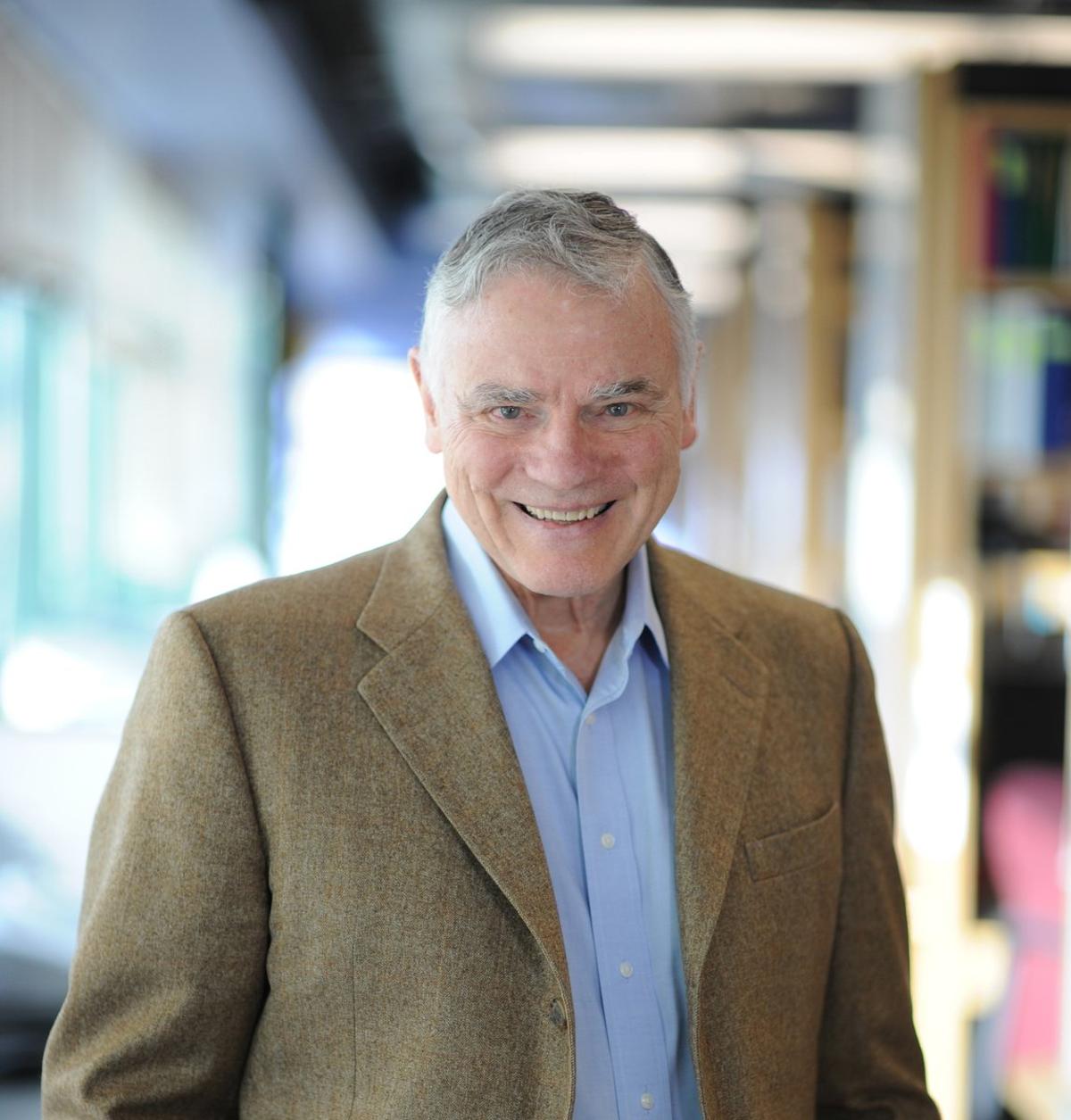
Leroy Hood Unveils Dark Proteome Frontier at SynBioBeta 2026
“I am interested in deciphering human complexity in terms of wellness and disease. I guess you would describe me as a multi-disciplinary human biologist.” That is Dr. Lee Hood @ISBLeeHood in one quote. We're excited and honored to have Dr. Leroy Hood...

Kickoff Reception Launches SynBioBeta2026 Networking Opportunities
At 5 PM today in San Jose, #SynBioBeta2026 officially begins. The New Attendee Reception is the first event of the conference, and it's the perfect on-ramp: grab your lanyard, walk the venue, and start meeting the people you'll be running into...
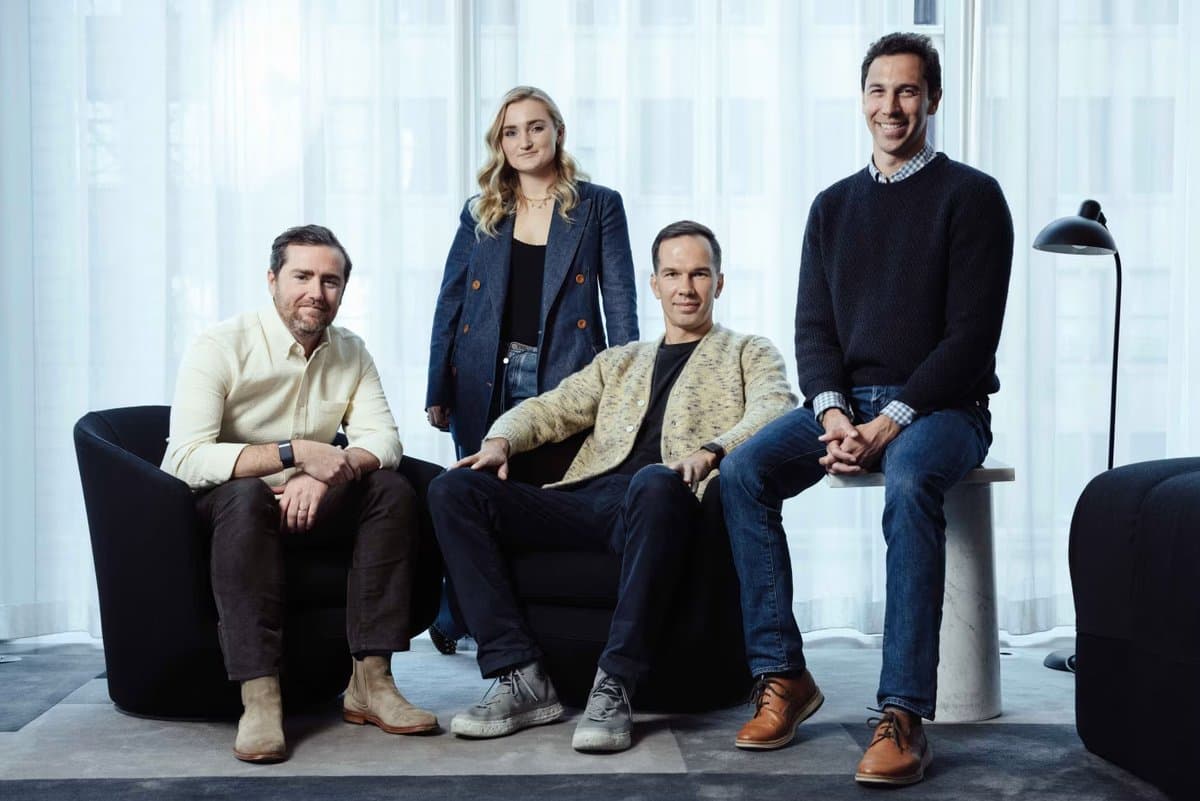
Deviation Capital Launches $300M Fund, Seeks Bio‑tech Founders at SynBioBeta
Deviation Capital just launched with a $300M fund target, and founding partner Dusan Perovic will be at #SynBioBeta2026 this week in San Jose looking for the next generation of founders to back. Deviation spun out of @TwoSigmaVC with a clear thesis:...
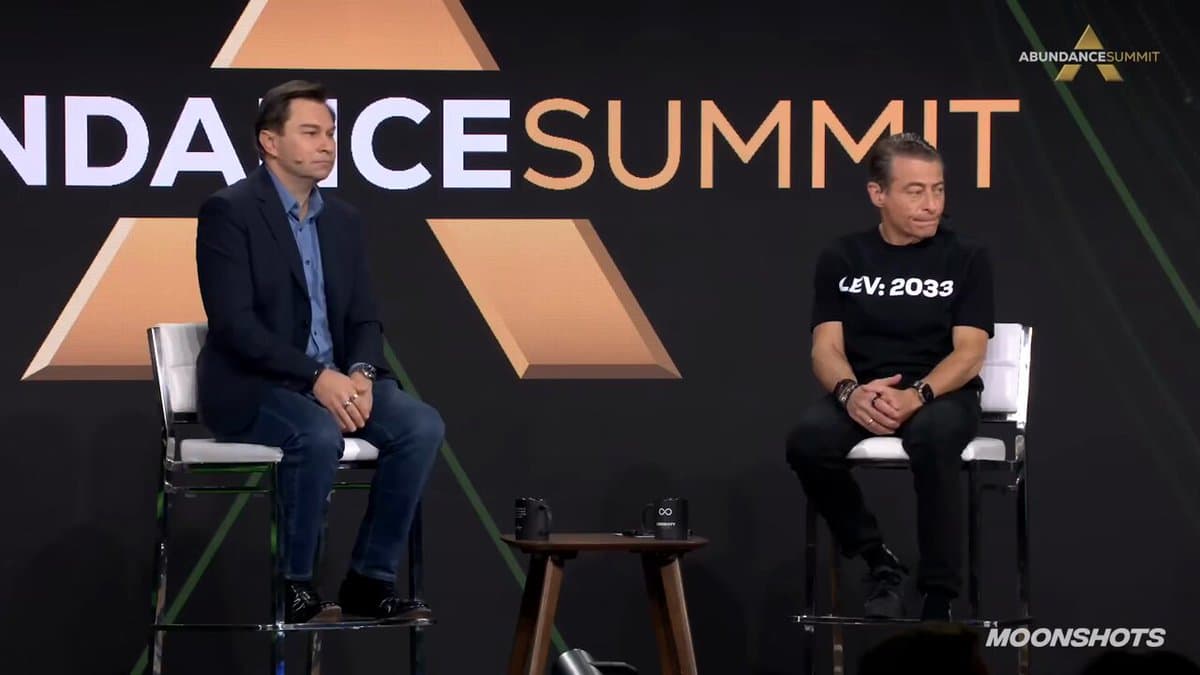
Sinclair Explains GLP‑1’s Role in Longevity Protocols
David Sinclair just did a 25-minute live Q&A on aging, longevity and AI. Here are the top 9 questions the audience asked him and his answers to each one: 1) How can GLP-1 drugs be used in longevity protocols? https://t.co/q5V2fyfFnq
Bio‑Based SAP Beats Petroleum, Wins Parent Preference
The bioeconomy wins when it outperforms petrochemistry. That is what makes @ZymoChem latest BAYSE results so important. For years, manufacturers have wanted bio-based materials that could replace petroleum-derived inputs without forcing compromises on cost, scale, or performance. In hygiene products,...
AI Enables Building New Species Like Software
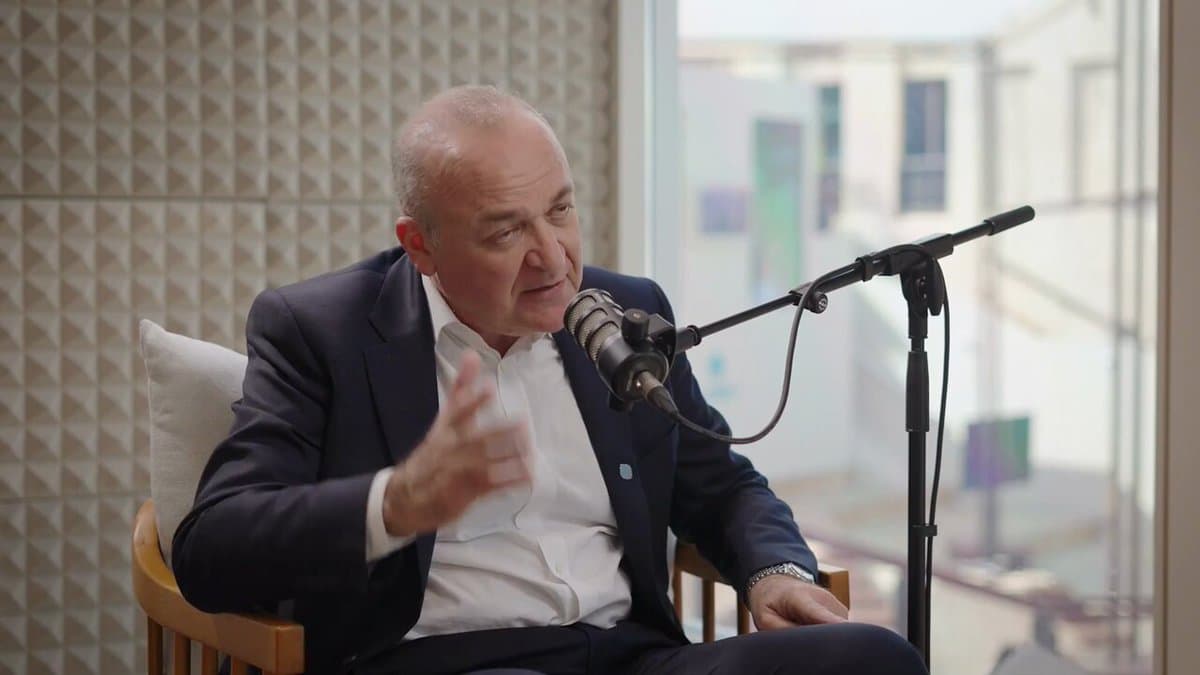
Adrian Woolfson said at the World Government Summit that his team used AI to create an entirely new species from scratch. Here are 8 things he said about what comes next for synthetic biology: 1) Building species the same way we build...
Enzymatic DNA Synthesis Frees Synthetic Biology Design
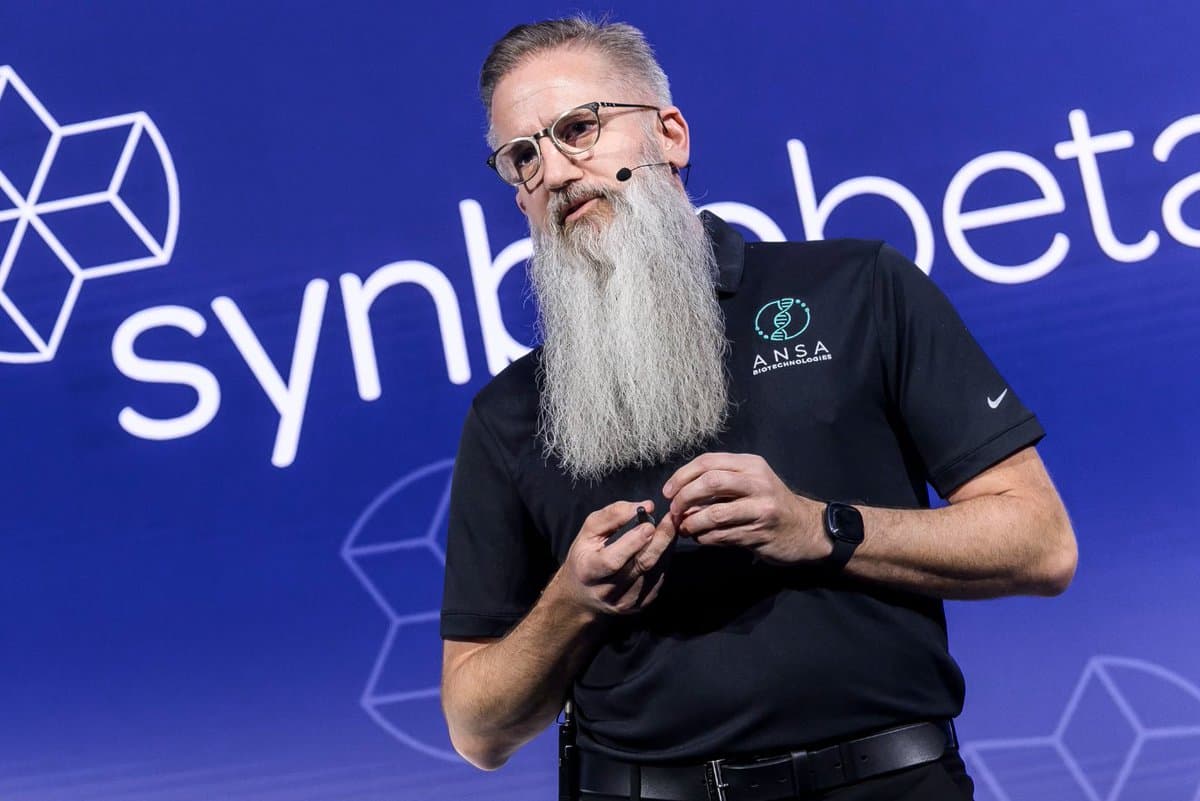
“You should design for the biology you want to build, not for the process limitations of a supplier that’s been holding the field back.” That line from @Jason_Gammack , CEO of @AnsaBio , gets right to the heart of one...

Gene Therapy Soon as Routine as Everyday Surgery
Eric Kelsic envisions the future of gene therapy will be viewed in the “the same way that many of us have had some form of surgery at certain points in our life.” As therapies become safer and more effective, the decision...
10x Genomics Unveils A
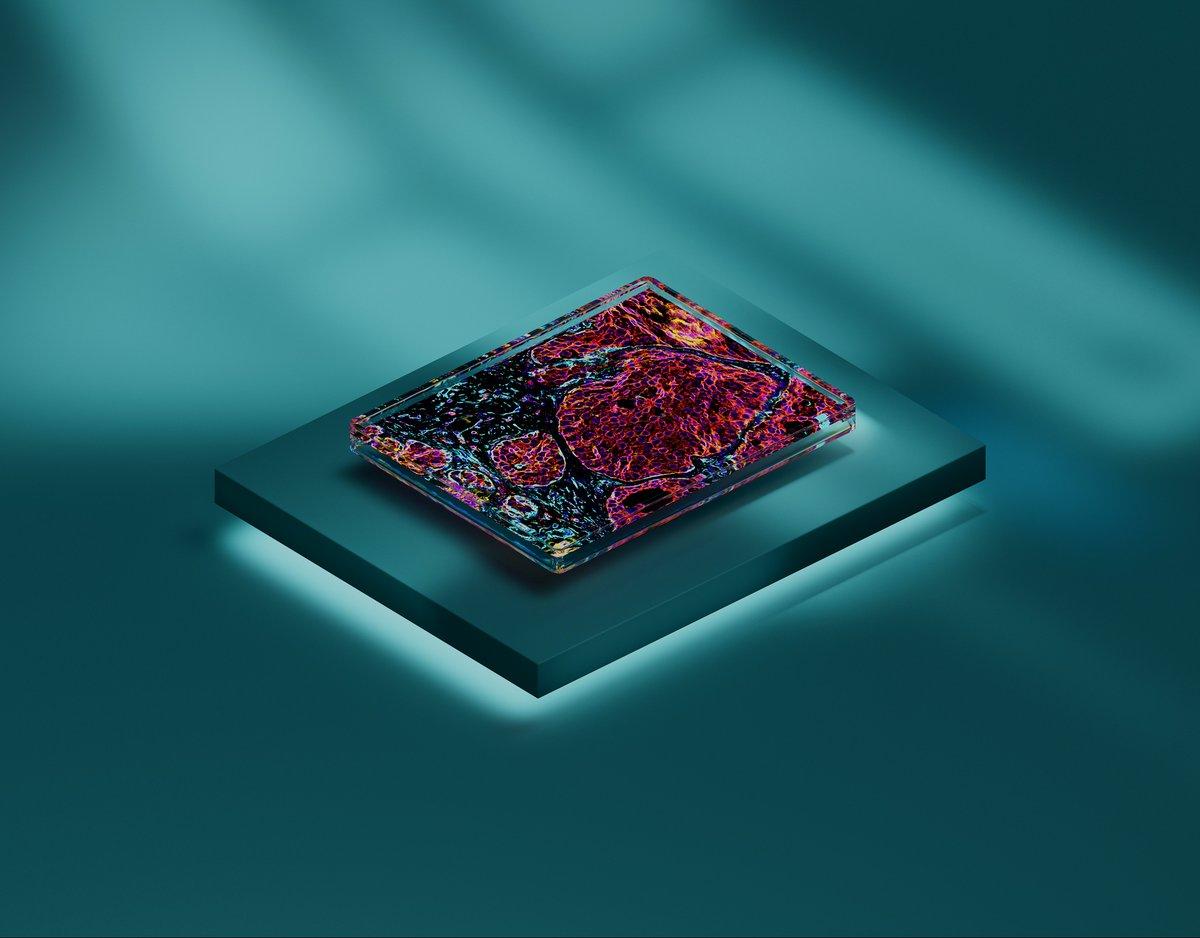
I've been watching spatial biology for years. What @10xGenomics just announced changes the game. Serge Saxonov, CEO and Co-founder, 10x Genomics told Synbiobeta, "Biology is inherently complex, and as much progress as we have made, we still understand only a...
From Trial‑and‑Error to Predictive Cell‑Fate Engineering
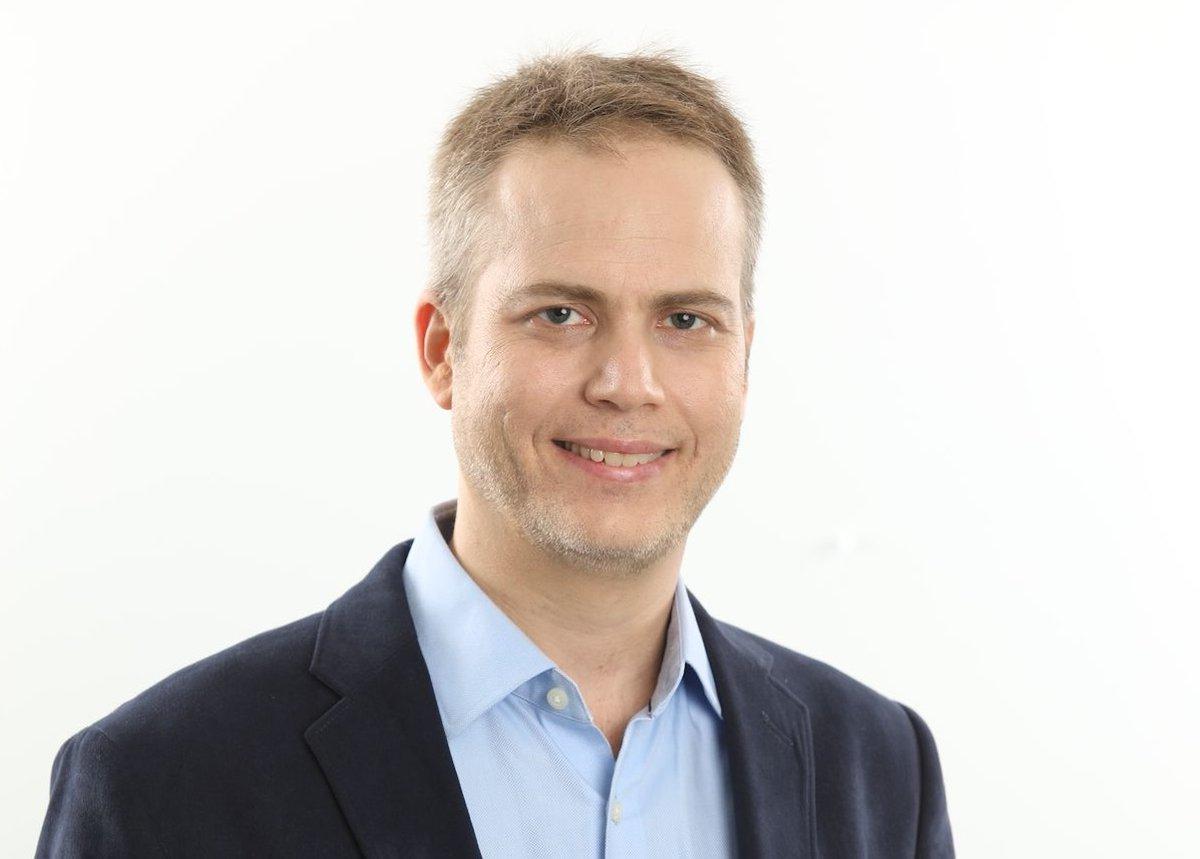
We’re still engineering biology by trial and error. SynBioBeta 2026 is May 4-7th in San Jose, California, you can learn more about the conference and get your tickets here: https://t.co/8abYWJ18mc @MichaBreakstone is building a model to predict cell fate with his new...
Autologous iPSC Dopamine Cells Boost Parkinson’s Function without Immunosuppression
I’ve been following @jeannefrances's work for years, and what @AspenNeuro just reported out of Copenhagen is the kind of result that changes a field. Twelve months after receiving their own reprogrammed dopamine neurons, eight Parkinson's patients are showing real, measurable...

Elliot Hershberg Returns to Lead AI Protein Dynamics Session
Why has @ElliotHershberg been coming to @SynBioBeta for the past 4 years in a row?? Elliot is a Partner at @AmplifyPartners and one of the sharpest minds at the intersection of biology and capital. He'll be moderating one of the...