
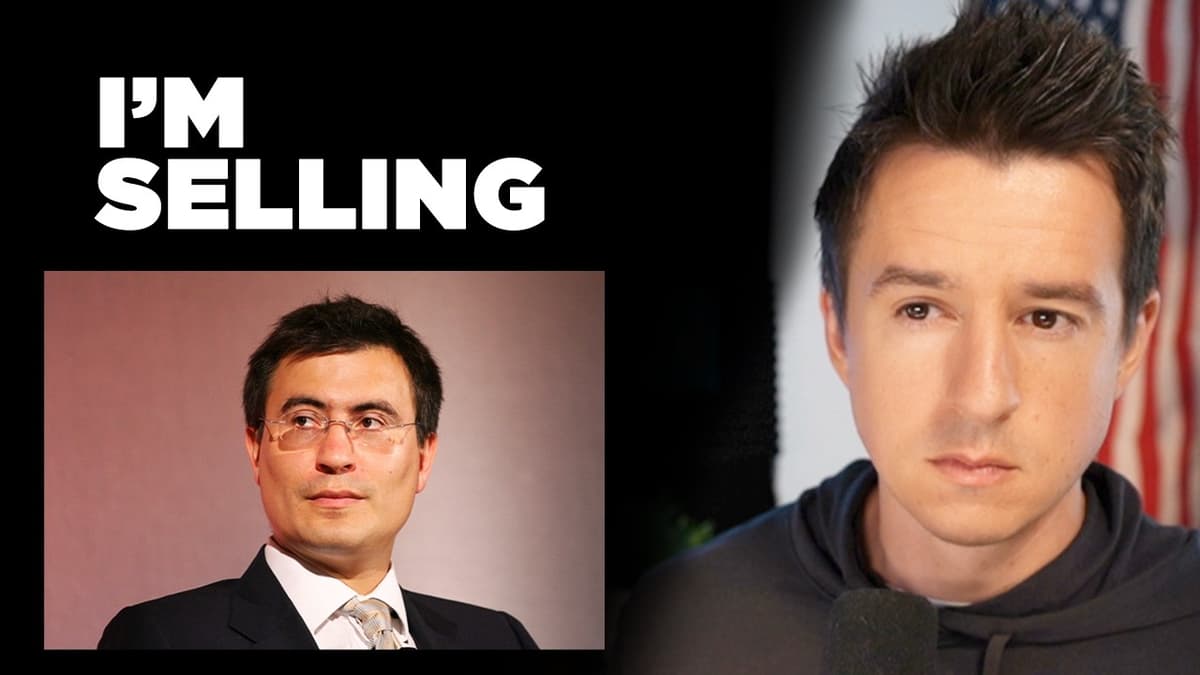
The Best Investor In The World Just Sold Microsoft
The episode centers on Chris Hohn, the founder of the $53 billion TCI Fund, dramatically reducing his Microsoft holding from roughly 10% of the portfolio to a symbolic 1% after citing artificial‑intelligence disruption. Hohn, widely regarded as one of today’s top investors, has built his track record on concentrated bets in companies with durable moats, delivering 18‑20% compounded returns for decades. Hohn’s decision reflects a strategic reassessment: he believes AI tools—particularly Claude’s plugins—are eroding the network‑effect and subscription‑bundle advantages that have long protected Microsoft’s Office suite and Azure cloud business. In his own words, “rapid progress in AI introduces uncertainty over Microsoft’s competitive position,” highlighting concerns that AI could bypass the traditional Microsoft interface and enable new productivity platforms. The discussion underscores Microsoft’s historic moat, built on file‑format lock‑in, bundled subscriptions, and seamless Azure migration for existing Windows and Office customers. Yet Hohn argues that AI agents now sit between end‑users and Microsoft’s software, automating tasks directly within AI platforms and diminishing Microsoft’s pricing power. He points to real‑world client feedback where firms are adopting Claude to streamline workflows previously handled in Excel or Teams. If Hohn’s thesis proves accurate, the move could trigger a broader re‑evaluation of tech giants whose moats rely on bundled ecosystems. Hedge funds may trim exposure, and investors should monitor AI‑driven workflow solutions as a potential catalyst for valuation adjustments across the software sector.
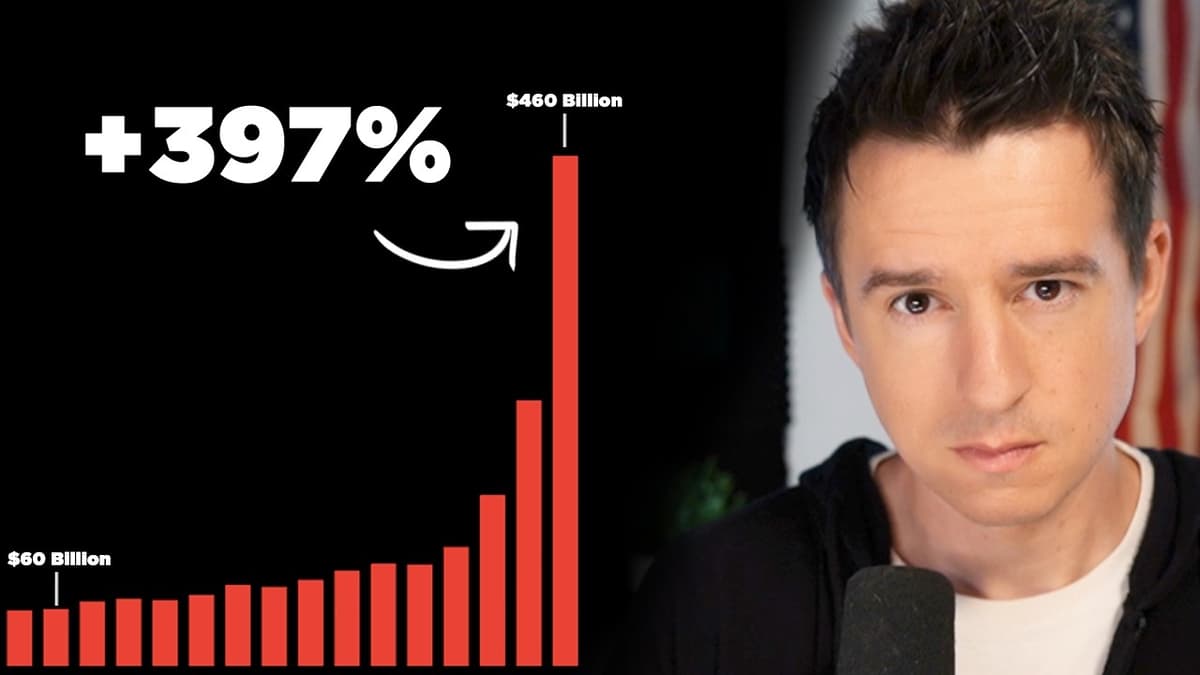
Analysts Can’t Believe These Numbers Are Real
The video dissects an unprecedented earnings day where Meta, Microsoft, Amazon and Google reported simultaneously, highlighting the starkly different market reactions. Google outperformed, jumping 5% as revenue grew 22% YoY, driven by a 63% surge in Cloud and AI‑enhanced search that...
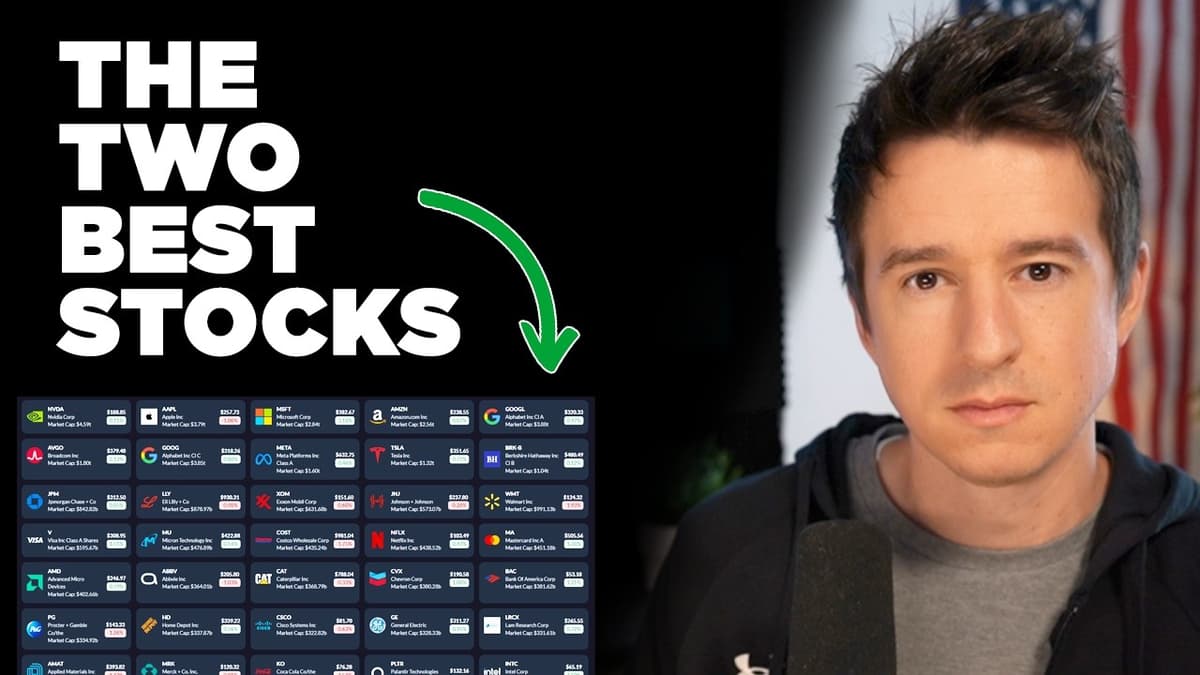
The Two Best Stocks To Buy In 2026
In his Qualtrim video, the host highlights Amazon and Meta as the two best stocks to buy for 2026, citing each company’s strategic pivots toward artificial intelligence and the metaverse. He updates his valuation models, suggesting that Amazon’s AI‑driven logistics...

5 High Quality Stocks That Have Fallen Off
The Joseph Carlson Show tackled five once‑celebrated compounding stocks—Nike, Booking Holdings, American Express, Robinhood, and a fifth unnamed name—examining whether their steep price declines present buying opportunities. Carlson highlighted each company’s recent performance, valuation metrics, and underlying competitive advantages, framing...
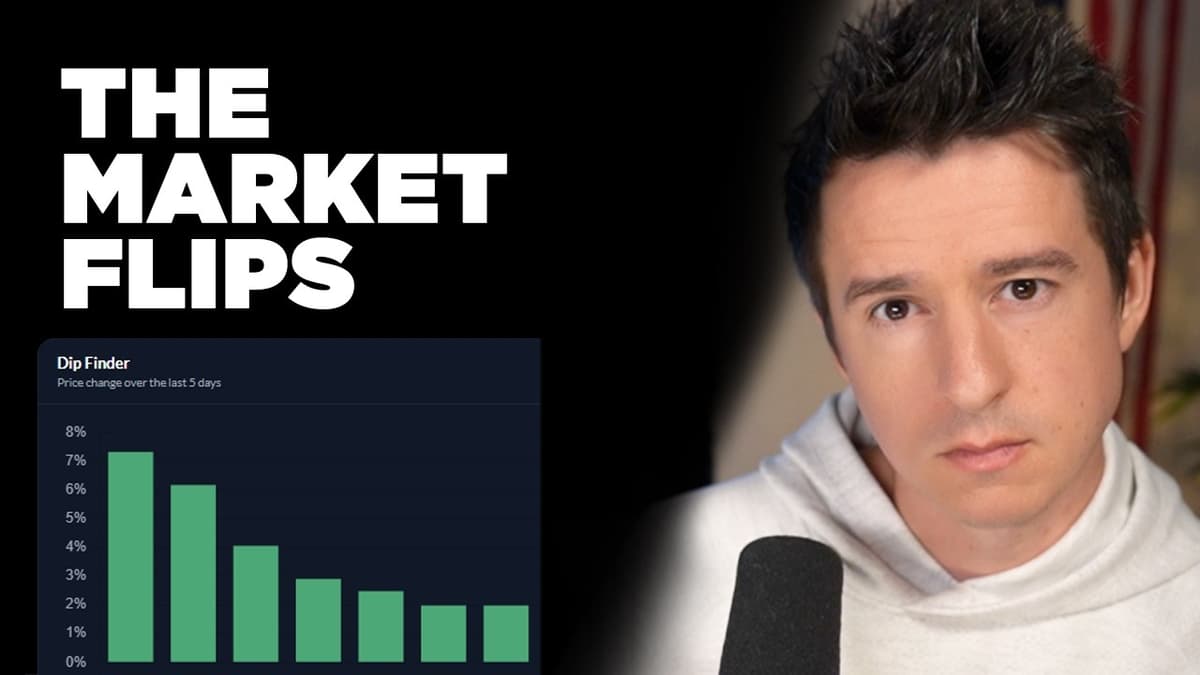
Here’s Why Stocks Are Going Crazy
The Joseph Carlson show opened with a striking two‑day market rally that lifted the host’s portfolio by roughly $65,000, driven by broad‑based gains in mega‑caps such as Meta, Google, ASML, Amazon and Microsoft. Carlson attributes the surge primarily to President...
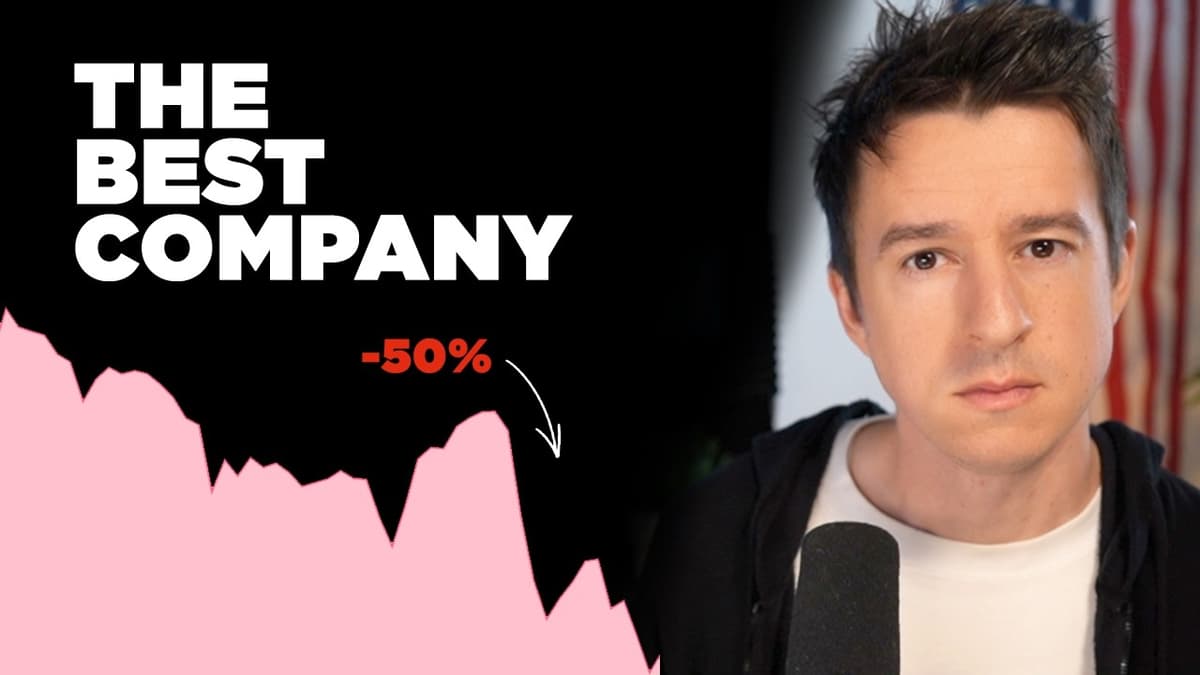
This Perfect Stock Is Down 50%
The video centers on Fair Isaac Corp. (FICO), a credit‑scoring giant whose shares have slumped more than 50% from roughly $2,400 a year ago to about $1,000 today. The presenter questions whether the steep decline represents a buying opportunity or...
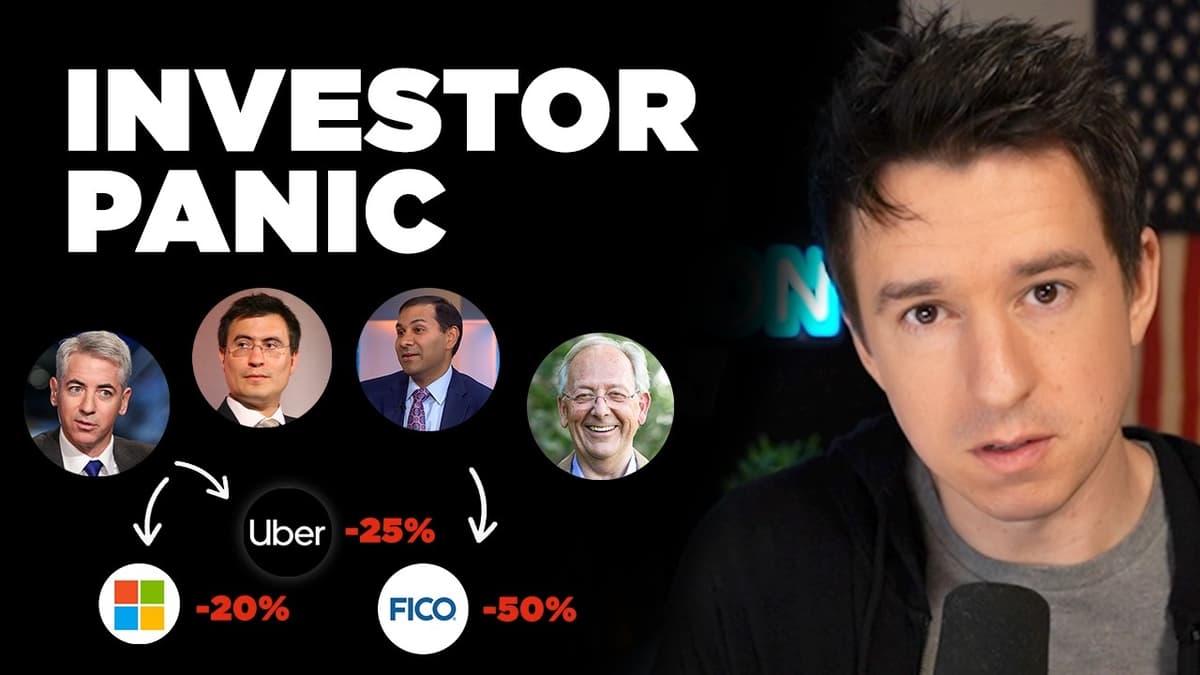
These 6 High Quality Stocks Are Worth Buying Today
The Joseph Carlson show zeroed in on six high‑quality, compounding‑machine stocks that have been hammered by recent macro turbulence, arguing they now present attractive entry points. Carlson highlighted FICO, Uber, and Intuit among others, noting each has slipped sharply from...

This Doomsday Article Is Causing Investor Panic
The video dissects a recent wave of investor panic sparked by a viral substack article from Citrony Research, the world’s top‑selling financial newsletter. The piece, titled “2028 Global Intelligence Crisis,” landed on the front page of the Wall Street Journal...